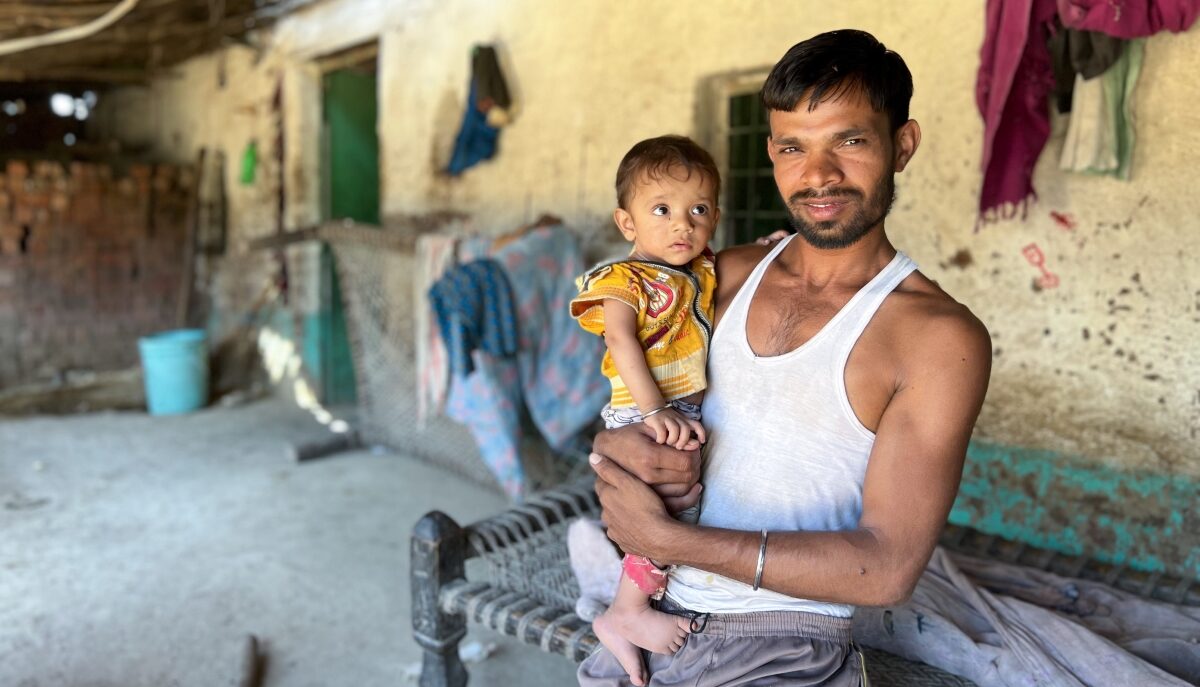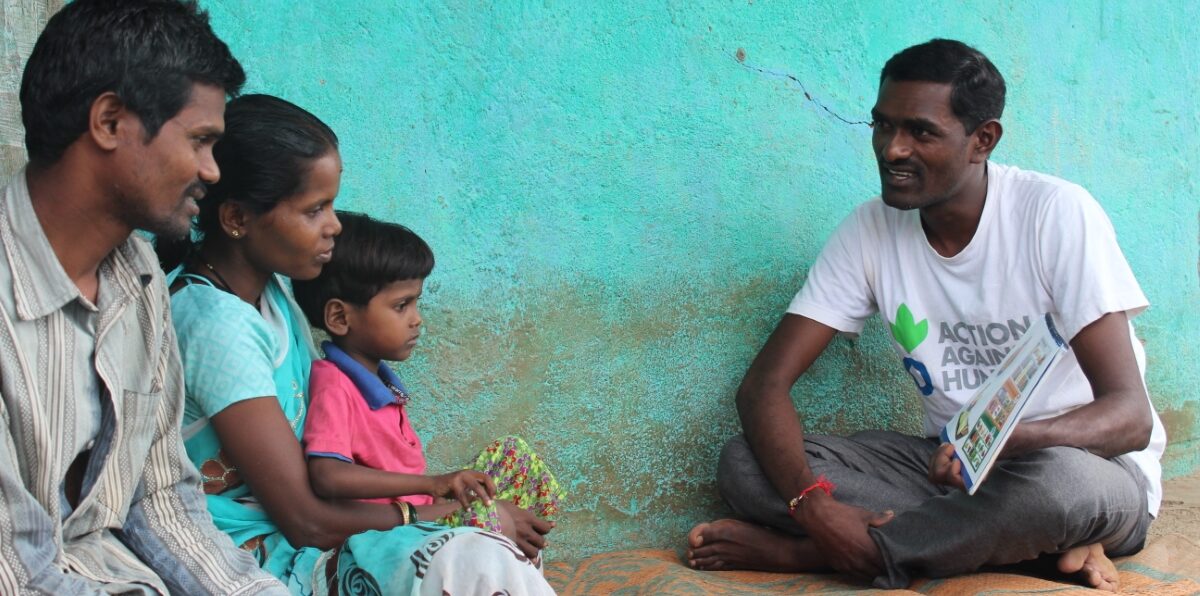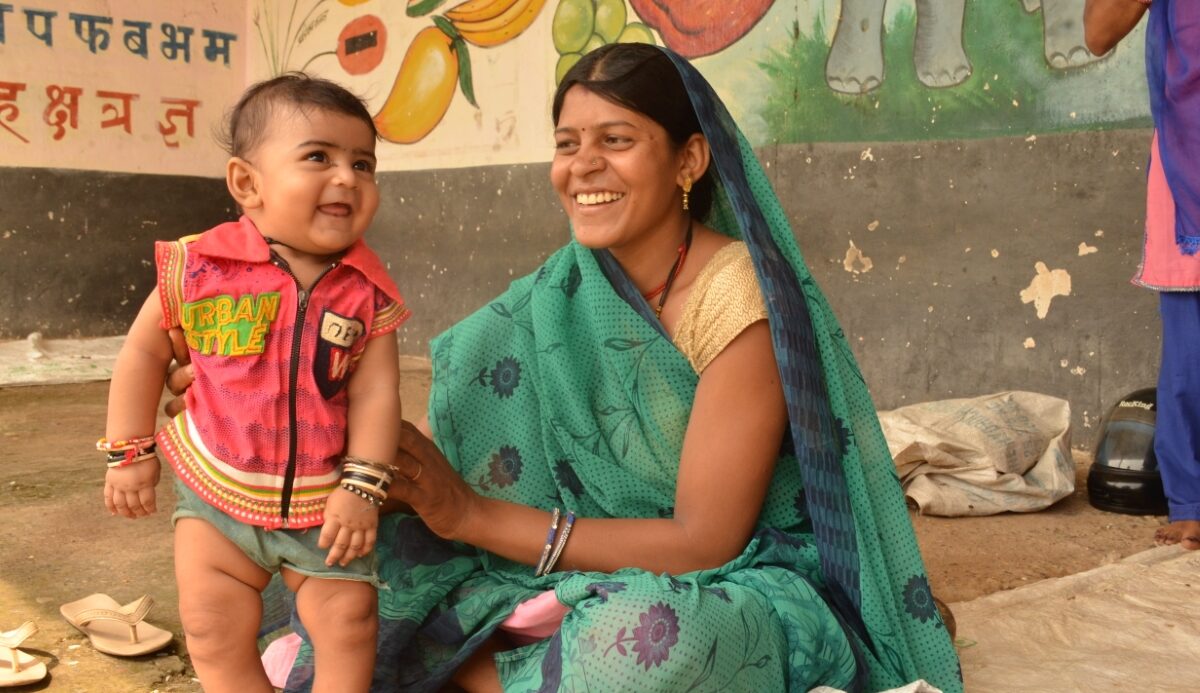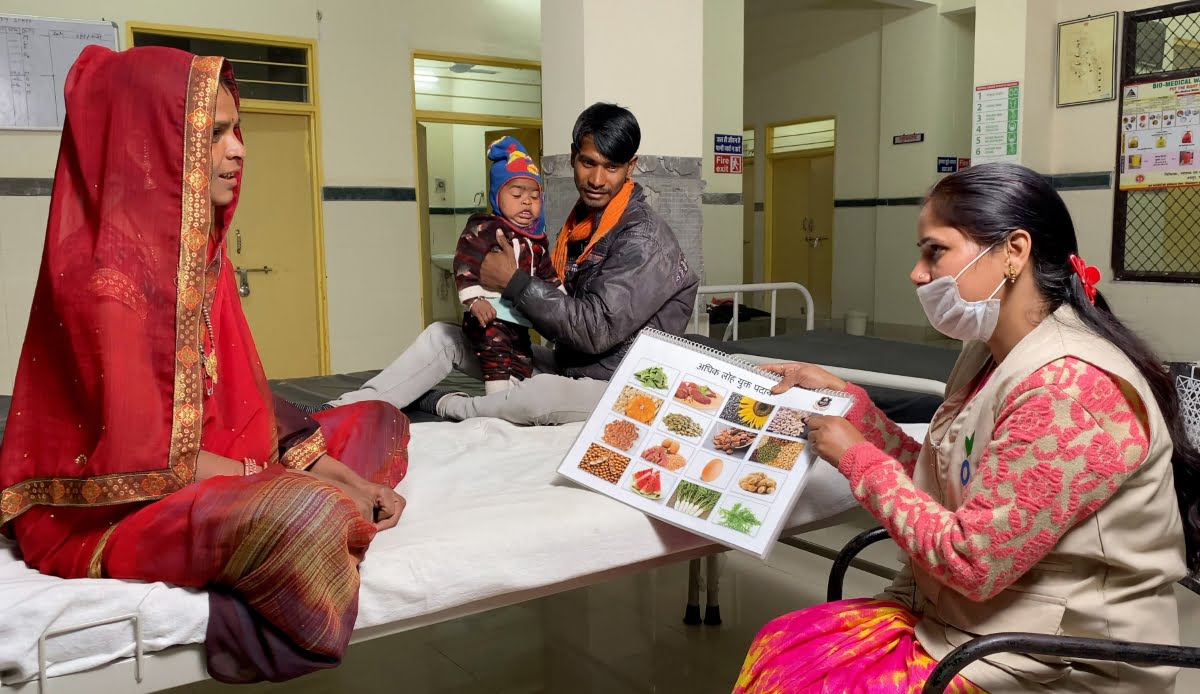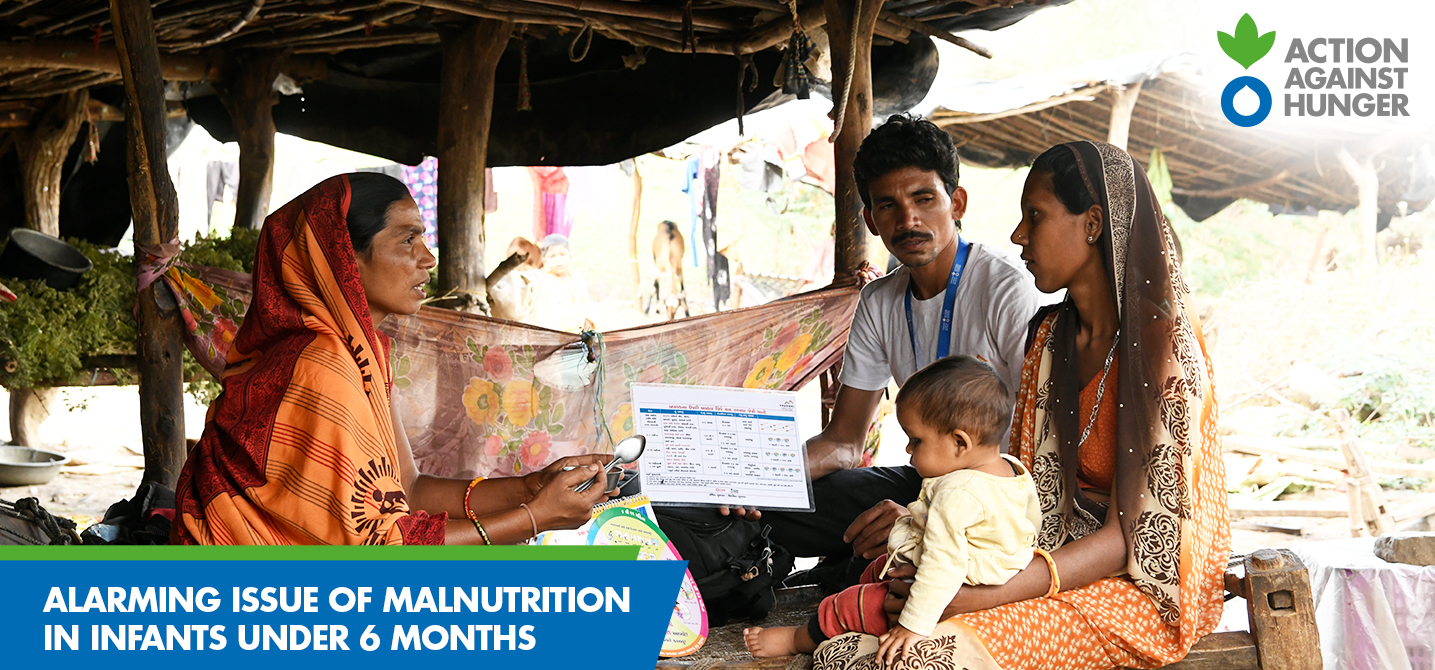
Alarming Issue Of Malnutrition In Infants Under 6 Months

Introduction 

Malnutrition remains a global health concern, affecting millions of infants and children worldwide. While malnutrition in older children is widely recognized, the alarming issue of malnutrition in infants under six months is often overlooked. This critical period of a child’s life is vital for growth and development, making early intervention essential. Unfortunately, the burden of wasting among Indian children in the first 6 months of life is not well-documented. Infants under the age of six months may exhibit various signs of malnutrition, including low birth weight (including premature birth), wasting, underweight, growth or feeding difficulties, and clinical illness. In India, the statistics reveal a concerning situation, with 27% of infants under six months being wasted or acutely malnourished (weight-for-length (WLZ) < -2), and 13% severely wasted (WLZ < -3). Additionally, 32% of infants are underweight (Weight-for-age (WAZ) < -2), and 10.6% are severely underweight (WAZ < -3) (Government of India, 2021). Furthermore, the prevalence of low-birth-weight infants stands at a staggering 18%, many of whom are already wasted or become wasted later. The rates of timely initiation of breastfeeding are low, with only 41.8% of children being breastfed within the first hour of birth, and exclusive breastfeeding is practiced by only 63.7% of infants under six months of age (Randev, 2020).
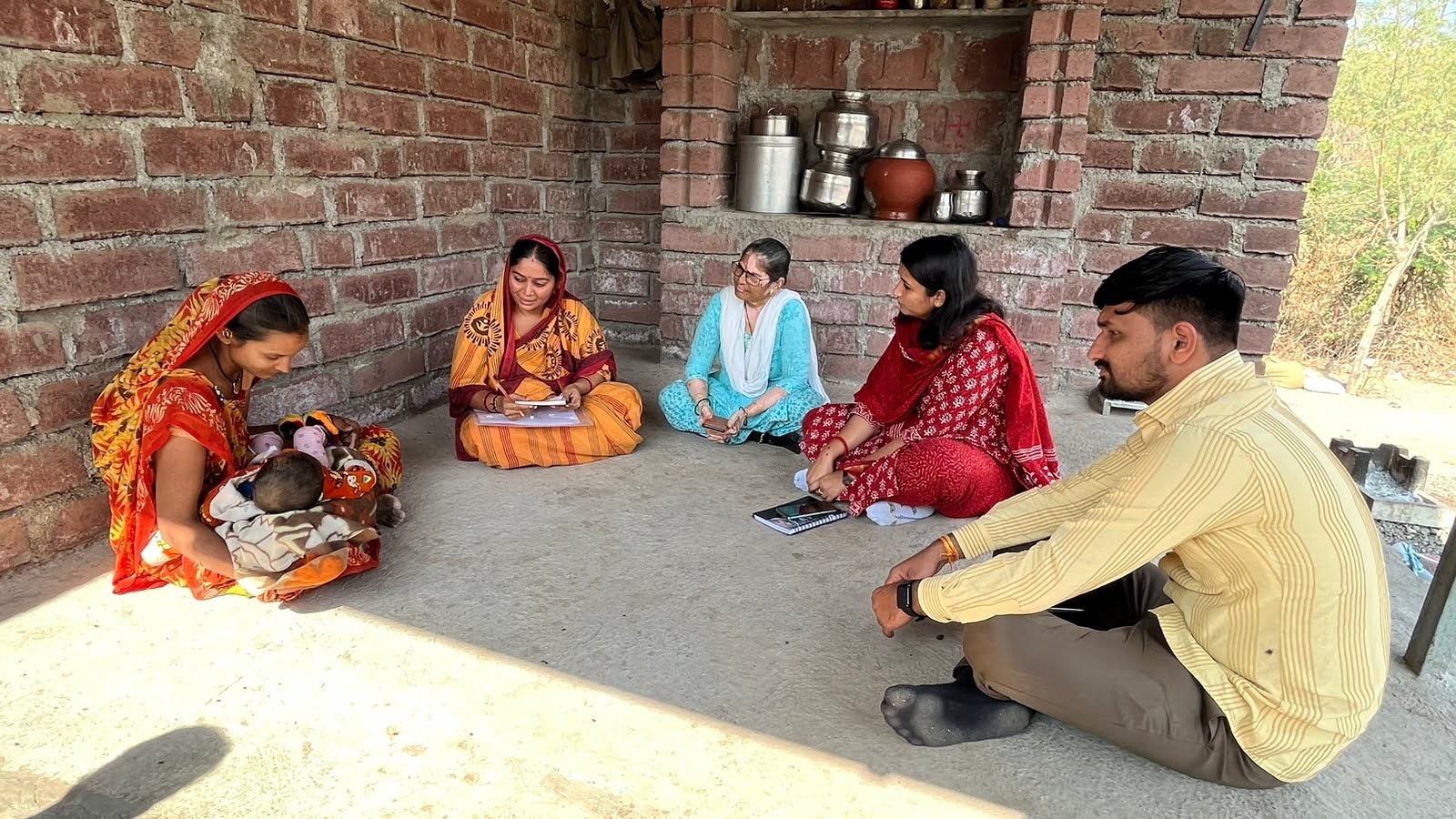

Unveiling the Etiology of Malnutrition Among Infants Less Than 6 Months of Age 

  1. Inadequate Exclusive Breastfeeding Practices: One prominent etiological factor contributing to malnutrition in this age group is the practice of suboptimal breastfeeding. Exclusive breastfeeding for the first six months of life is crucial for providing optimal nutrition and protection against infections. However, challenges such as lack of knowledge, cultural beliefs, maternal employment, and aggressive marketing of breastmilk substitutes often impede exclusive breastfeeding rates. Studies have shown that suboptimal breastfeeding practices significantly increase the risk of malnutrition among infants (Victoria et al., 2016, Islam et al., 2018).
  2. Maternal Malnutrition and Health Status: The nutritional status and overall health of mothers play a pivotal role in the etiology of malnutrition among infants. Maternal malnutrition, before and during pregnancy, can result in deficiencies of essential nutrients, which may cause prematurity or intrauterine growth retardation and directly affect the quality and quantity of breast milk. Term SGA (small for gestational age) and low birth weight babies are more likely to experiencing wasting and severe wasting (HRD, SAS & UNICEF). Furthermore, maternal illness and infections, particularly during pregnancy and lactation, can hinder the fetus’s and infant’s access to adequate nutrition and contribute to malnutrition (Bhutta et al., 2013). Addressing maternal malnutrition and improving maternal health is crucial for promoting infant nutritional well-being.
  3. Infections and Illness: Infections and illnesses have a profound impact on the etiology of malnutrition among infants. The immature immune systems of infants under six months make them susceptible to infections, which can disrupt nutrient absorption, increase nutrient requirements, and reduce appetite. Common infections such as respiratory infections, diarrheal diseases, and malaria can lead to malnutrition in this age group (Caulfield et al., 2004). Addressing infections through improved healthcare access, vaccination and hygiene practices is essential in mitigating risk of malnutrition.

In addition to these factors, there are other identified factors like lower maternal education, caesarean section, low birth weight, gender and poverty and socioeconomic factors which contribute to malnutrition among infants less than 6 months of age. Infants under six months are particularly vulnerable to malnutrition due to their physiological immaturity, high nutritional needs, and exclusive reliance on breast milk. Wasting and severe wasting among this age group of young infants is significantly associated with increased risk of morbidity, mortality, and poor cognitive and physical development and thus it is imperative to address it. 
Current Context

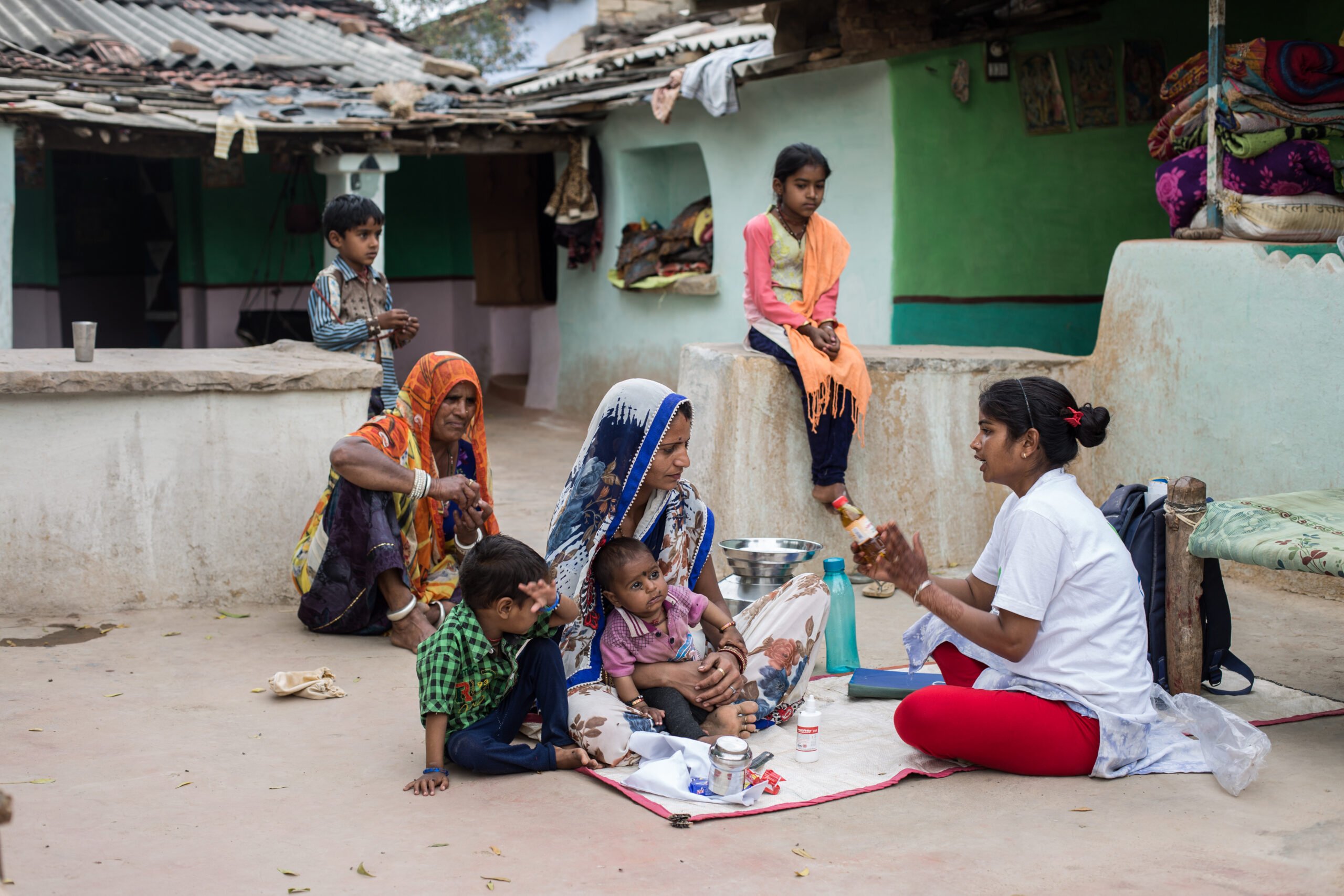
While India has made significant strides in improving the survival rates of high-risk newborns and infants through the identification and management of illness withing dedicated facilities and targeted programs (Kumar et al., 2020), there remains room for improvement. The nutritional interventions in India have mainly targeted children aged 6 to 59 months, with facility-based management guidelines issued in 2011 to treat severe acute malnutrition among infants and young children aged 0-59 month. Various programs and platforms in India are aimed at detecting and managing early growth failure however, the utilization of these services often falls short of expectations. To address the needs of at-risk children, existing programs such as Home-Based Newborn Care and Home-Based Young Child Care should be strengthened and expanded to include actions for infants with malnutrition. Although infants with wasting in the first six months of life are also at high risk, they receive less frequent follow-up home visitation than low birth weight babies in the current program (as per HBNC/HBYC Guidelines, 2011).  

Progression

One intervention that can prevent and treat malnutrition in children under six months of age is optimal breastfeeding practices which include timely initiation of breastfeeding and exclusive breastfeeding up to 6 months of age. In fact, exclusive or predominant breastfeeding has been shown to reduce the risk of wasting in the first six months of life (WHO 2021). However, despite the recommended guidelines promoting optimal breastfeeding for the first six months, there is a low compliance rate due to factors such as lack of awareness, social norms, deeply rooted cultural practices, and inadequate support system. Additionally, many women in India suffer from anemia, which can have negative impacts on the mother’s health and increase the risk of low-birth-weight babies. Poor sanitation and hygiene practices also contribute to malnutrition, exposing infants to diarrheal infections and other illnesses that can affect their growth and development. Other key intervention includes improving maternal nutrition during pregnancy, addressing post-partum mental health issues, enhancing skills and knowledge of frontline workers on breastfeeding counselling and resolving challenges faced by mothers in breastfeeding. There is a need for enhanced community-based interventions that address the health and nutrition of both infants and mothers.

There is a great opportunity for further strengthening community-based interventions that focus on promoting the health and nutrition of both infants and mothers. While services for pregnant women primarily address physical ailments, there is a need for increased support for maternal mental health. It is important to address regional variations, improve service integration, and bridge the gaps in referral systems to ensure the seamless delivery of high-quality care. 

To enhance the effectiveness of community-based interventions, it is crucial to address practical constraints such as the limited availability of appropriate equipment and additional efforts are warranted to improve the skill levels of community health workers to ensure strengthened service delivery. 

In India, there is a pressing need for more evidence-based initiatives that specifically focus on the prevention, identification, and management of acute malnutrition in children under six months of age.  Addressing this gap will contribute to the overall well-being and healthy development of infants in the country (Chowdhury et al., 2021). 

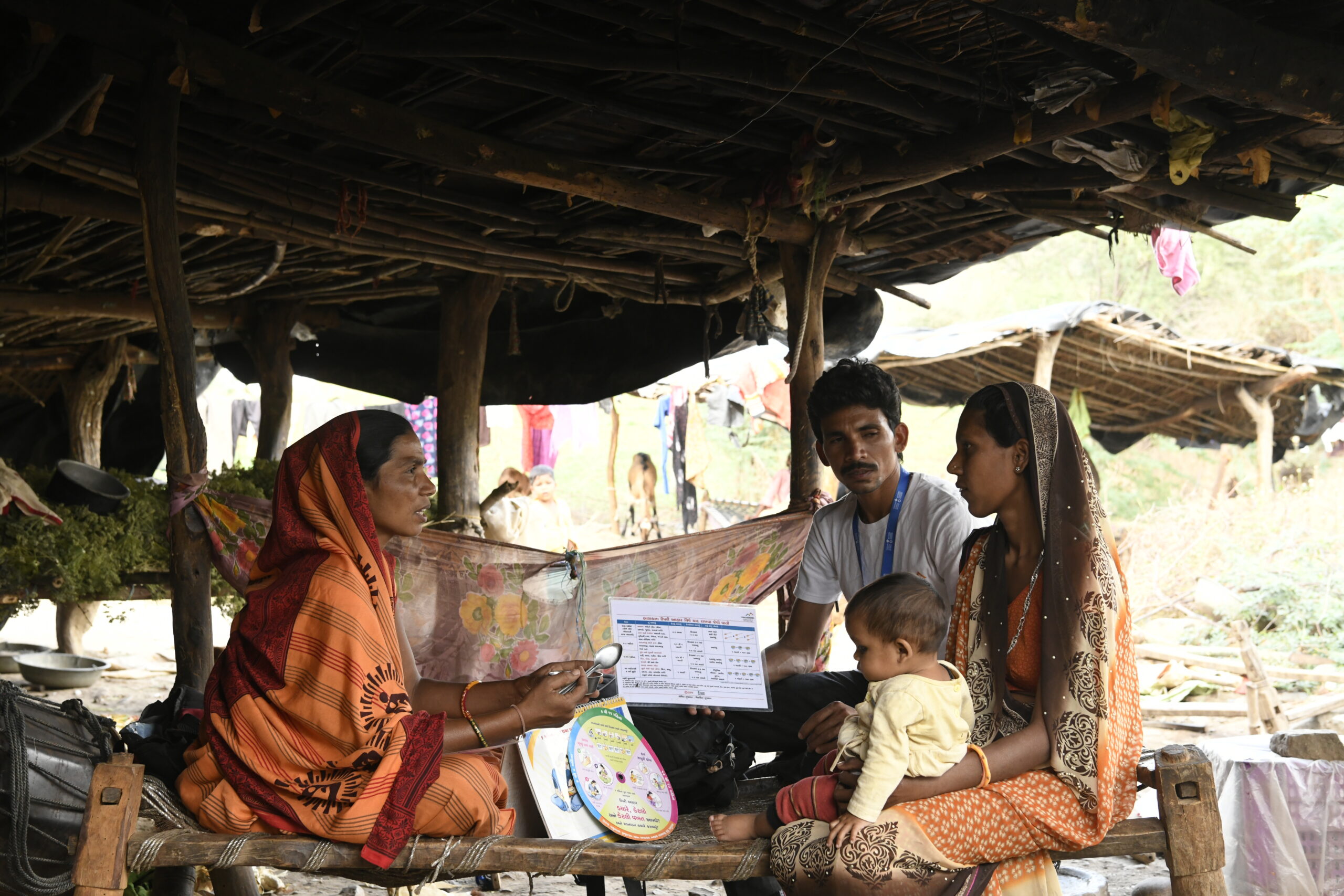
Therapeutic approach calls for country-specific guidelines to address the issue of malnutrition among children under 6 months of age at community level (CMAM) and Indian growth standards for early identification of MAM and SAM children under 6 months. Development of a national guideline and protocol for the community-based management of early growth failure in infants under six months, based on the MAMI Care Pathway Package, spearheaded by the National Centre of Excellence for Management of Severe Acute Malnutrition at Kalawati Saran Children’s Hospital is very promising. The MAMI Care Pathway Package is tailored to the specific context by integrating its various components into the existing community-based programs.  
Conclusion

The nutritional needs of children under the age of six demand greater attention and emphasis than they currently receive. Implementing innovative and comprehensive strategies such as Community-Based Management of Acute Malnutrition for Infants (CMAMi) can prove highly beneficial in making a significant impact on the country’s malnutrition statistics. 

To acknowledge and address this, we at Action Against Hunger, India work with mothers, families, communities, and systems to foster requisite support, knowledge, and skills to assure optimal nutritional support to the children under 6 months. 


References  

  1. India State-Level Disease Burden Initiative Collaborators. Nations within a nation: variations in epidemiological transition across the states of India, 1990-2016 in the Global Burden of Disease Study. Lancet. 2017; 390:2437–60.
  2. World Health Organization. Updates on the Management of Severe Acute Malnutrition in Infants and Children. Guideline. 2013. Available at: https://www.who.int/publications/i/item/9789241506328 . Accessed on 17th April 2023. 
  3. Knowledge Integration and Translational Platform at Research and Development, society for Applied Studies, new Delhi, India and UNICEF, India. Analysis of wasting and severe wasting and its associated risk factors among under-5 children in India.
  4. Kumar P, Meiyappan Y, Rogers E, et al. Outcomes of hospitalized infants aged one to six months in relation to different anthropometric indices – an observational cohort study. Indian J Pediatr. 2020. https://doi.org/10.1007/s12098-020-03236-9 .
  5. National Center of Excellence for Management of Severe Acute Malnutrition, Kalawati Saran Children’s Hospital LHMC, New Delhi. National Consultation on Addressing Acute Malnutrition 2021, New Delhi.
  6. Mwangome M, Ngari M, Fegan G, et al. Diagnostic criteria for severe acute malnutrition among infants aged under 6 mo. Am J Clin Nutr. 2017; 105:1415–23. 
  7. Mwangome M, Ngari M, Bwahere P, et al. Anthropometry at birth and at age of routine vaccination to predict mortality in the first year of life: a birth cohort study in Burkina Faso. PLoS One. 2019;14: e0213523.
  8. Randev S. Malnutrition in Infants under 6 months: Is it time to change recommendations? Indian J Pediatr. 2020; 87(9):684–685.
  9. Bhutta Z. A, Das J.K, Rizvi A, et al. Evidence-based intervention for improvement of maternal and child nutrition. What can be done and at what cost? The Lancet 2013; 382 (9890): 452-477.
  10. Black R E, Victoria C G, Walker S P, et al. Maternal and child undernutrition and overweight in low-income and middle-income countries. The Lancet 2013; 382 (9890): 427-451. 
The Nexus of Climate Change, Environment, and Hunger: A Call to Action on World Environment Day 2023

On June 5th, every year, the world unites to celebrate World Environment Day, a momentous occasion that serves as a powerful reminder of the urgent need to protect and preserve our planet. In 2023, as we commemorate this day, we must also reflect upon the profound interconnections between climate change, the environment, and the scourge of hunger and malnutrition. For humanitarian global organizations dedicated to addressing these pressing issues, this is a pivotal moment to highlight the critical linkages and advocate for comprehensive action. It is now a matter of much discussion and global recognition that how climate change and environmental degradation impact hunger and malnutrition around the world. As a world united in many ways, we must also explore the transformative steps needed to address this multifaceted challenge.

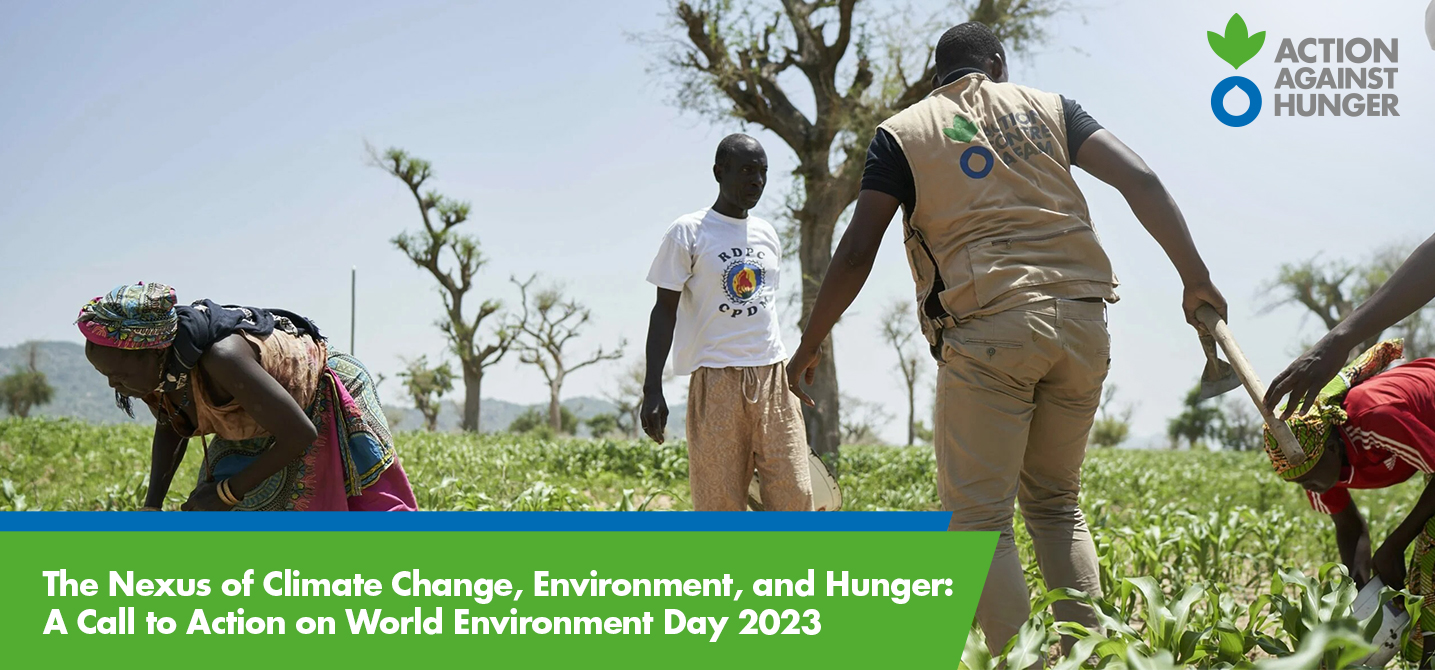
At Action Against Hunger, we are involved in some of the initiatives to address climate change that is becoming a major determinant of hunger and environmental degradation that can undermine our food security. We are prioritizing sustainable solutions at the intersection of climate change, environment, hunger, and malnutrition.

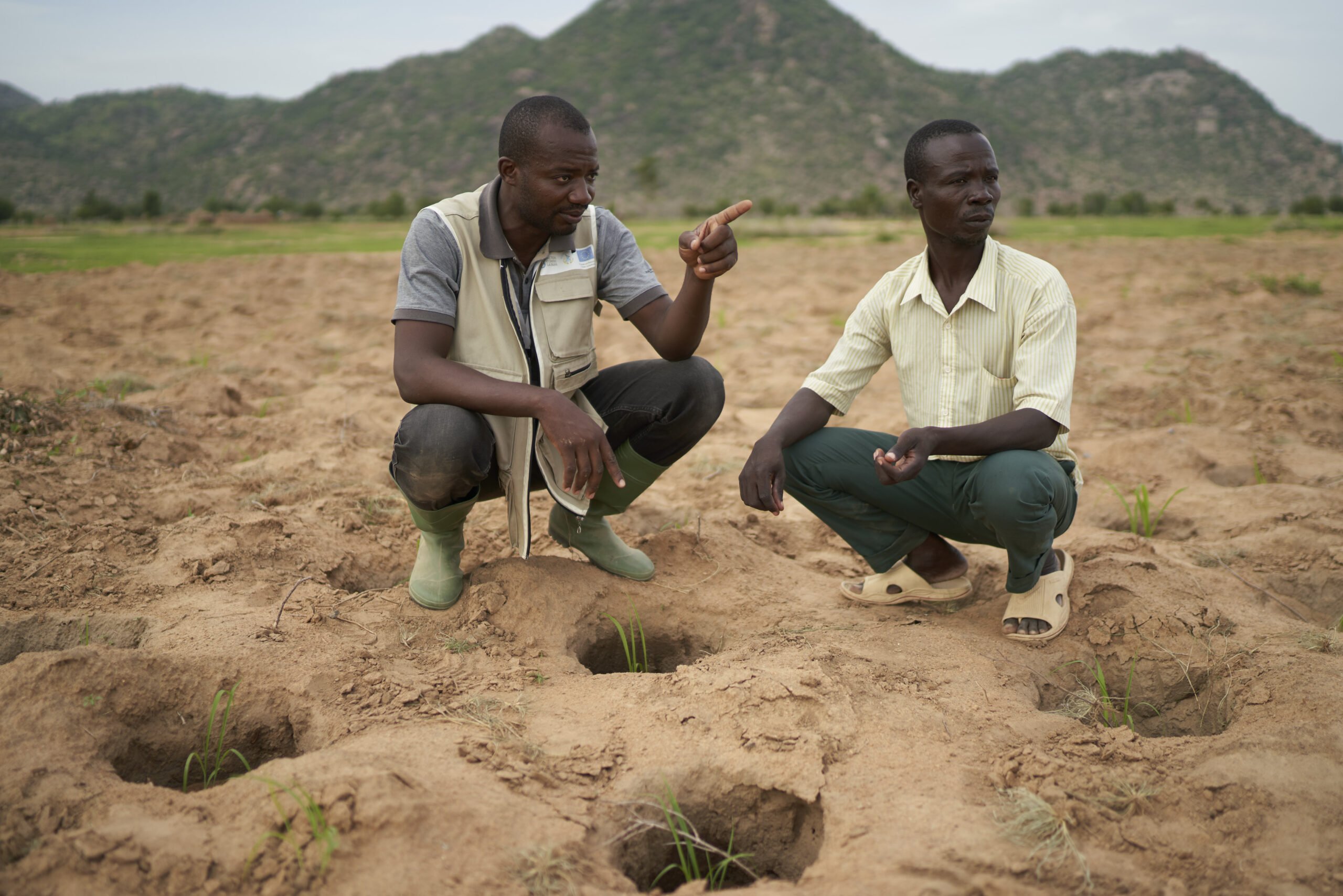
Through ‘Farmer Field Schools’, we are building the capacities of farmers, right from Central Africa to South Asia, on climate-smart farming techniques and educating them on a variety and types of crops that survive extreme weather but are also nutritious. Using satellite imagery of crops and water, we have set up a ‘Pastoral Early Warning System’ in the Sahel region of West Africa that, combined with on-ground mobile surveys, provide real-time alerts to herders to find comparatively better grazing lands for their livestock. Implementing innovations such as hydroponics and vertical gardens, that have revolutionized the farming sector, have proved to be a boon for our farmers’ struggle with inadequate access to water and soil. We have also strengthened inter-farmer bonds through farmer cooperatives that have enabled farmers to rent larger plots, and as implemented in Uganda, get together to obtain fair prices for their produce. As climate change has impacted the duration of farming seasons, and consequently elongated the hunger seasons, we have been working closely with families to inculcate food preservation practices by providing tools and resources for increasing the shelf-life of their crops. At network level, we are widely involved in emergency relief actions, and have consistently been better advocates for action-based change.

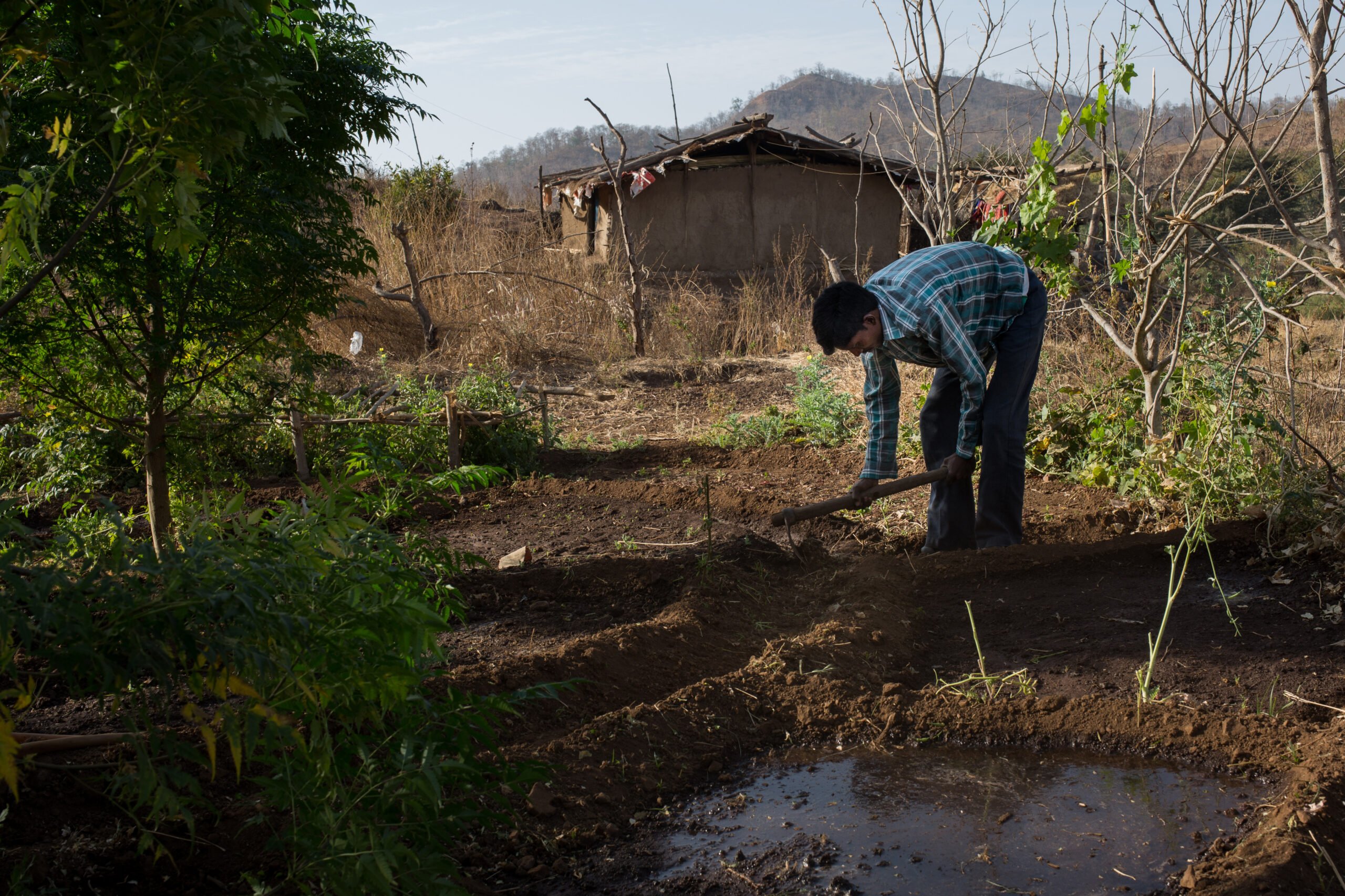
In India, as part of our food security and livelihood initiatives, our efforts strive towards promoting climate and nutrition sensitive farming and agriculture practices and mitigating the effects of climate change. We promote cultivation of nutritious fruits and vegetables through nutri-gardens. These also account for environmentally friendly designs of nutri-gardens, natural, eco-friendly pest control, and fertilizers. We set up vermi-composting units towards inculcating sustainable composting practices that do not limit in use to just the Nutri-gardens but expand beyond till field crops as well. Through poultry farming and pisciculture, we promote livelihoods, diet diversity, and sustainable community building behaviors and practices. However, with the ever increasing burden of climate change, these vulnerable populations are left to face extreme situations of heat and drought, leaving them with little to no sources of food and income. This invokes a sense and urge to flee elsewhere in search of livelihood, pushing them in a situation of distressed migration.

A common scenario in Action Against Hunger India’s working geographies, we have devised platforms to minimize the impact of migration on malnutrition by closely following up with families and helping them in accessing the health and nutrition services for their children.

World Environment Day 2023 serves as a powerful reminder that our action today will determine the future of our planet and generation. The time to save our planet is now and we are presented with a once in a lifetime opportunity to save our planet. As we reflect upon the undeniable links between global challenges and individual well-being, we must recognize the urgent need for comprehensive and sustainable solutions.

By addressing the root causes of hunger and malnutrition, including the impacts of climate change and environmental degradation, we can pave the way for a more resilient and equitable future. This requires a collective effort that spans governments, organizations, communities, and individuals. There is so much to be done at grassroots and at the national and international levels so as to achieve SDG 13 calling for action on climate.

On this World Environment Day, let us commit to promoting climate-smart agriculture, restoring ecosystems, strengthening food systems, prioritizing climate adaptation and disaster risk reduction, and advocating for change. By embracing sustainable practices and fostering collaboration, we can ensure a world where no one goes hungry, where ecosystems thrive, and where the environment is preserved for generations to come.

Let us leverage our expertise, influence, and resources to tackle the intricate web of challenges at the intersection of hunger, malnutrition, climate change, and the environment. Together, we can forge a path toward a sustainable and food-secure future, leaving a lasting impact on the lives of the most vulnerable populations worldwide.

This World Environment Day, let us renew our commitment to a healthier planet and a hunger-free world. The time to act is now.


References:

1: UN Warns Climate Change Is Driving Global Hunger: UN Warns Climate Change Is Driving Global Hunger
2: A once-in-a-planet opportunity” UNEP Chief Inger Andersen at INC-2: A once-in-a-planet opportunity” UNEP Chief Inger Andersen at INC-2 

Climate Change: Its impact on Food and Nutrition security, Mitigation strategies for coming decades

Comprehending Climate change

Climate change refers to long-term fluctuations in temperature and weather patterns. Variations in the solar cycle are generally responsible for such fluctuations. But, since the 1800s human activities such as burning of fossil fuels and coal have been the drivers for such changes. (1)

When fossil fuels are burned, it causes combustion which increases the heat and light leading to rise in the temperature of the earth, also known as Greenhouse effect. For Eg: Deforestation is one of the major reasons for increased emission of Carbon-Dioxide, Garbage landfills are primary source for methane emissions and if we look around the waste production has tremendously increased over the years. Also, Industrialization, fuel-based transportation and rampant construction are other major contributors for increased greenhouse gas emissions.

Alarming Numbers

Greenhouse gas concentrations are at their highest levels in 2 million years. Emissions are continuing to rise. As a result, the Earth is presently around 1.1 degrees Celsius warmer than it was in the late 1800s. The most recent decade (2011-2020) has been the warmest on record. 

It is perceived that climate change mainly entails higher temperatures. However, the temperature rise is merely the beginning of the narrative. As everything is interconnected in the ecosystem. Thus, shifts in one aspect will equally impact others. Research has shown that, If the global average surface temperatures rise between 1.5-2 degrees, then world’s wealthiest countries will experience fewer changes in their local climate as well as crop yields due to well-built information systems in place whereas low income or less developed countries will suffer more in terms of food security and food safety due to climate change and lesser resilient crop infrastructure.

Recently released “Vulnerability assessment report” by Indian Council of Agricultural Research, ICAR reveals that out of 573 rural districts (excluding Andaman and Nicobar Islands) 109 districts are very high-risk districts and 201 districts are risk districts. Considering the current situation of climate change in India integrated modeling simulation studies indicated that by 2049 the mean temperature of these districts will increase by a minimum of 1.3 degrees. For a tropical country like India, Rise in temperature may affect the various crop yields affecting the production and consumption pattern of food across the year.

The Consequences of Climate Change on Food and Nutrition security

One hand increase in CO2 concentrations are good for crop growth but on the contrary CO2 emissions are resulting in frequent climatic fluctuations like intense heat, severe weather and droughts which are huge threat to In-demand crops like wheat and maize. (2)

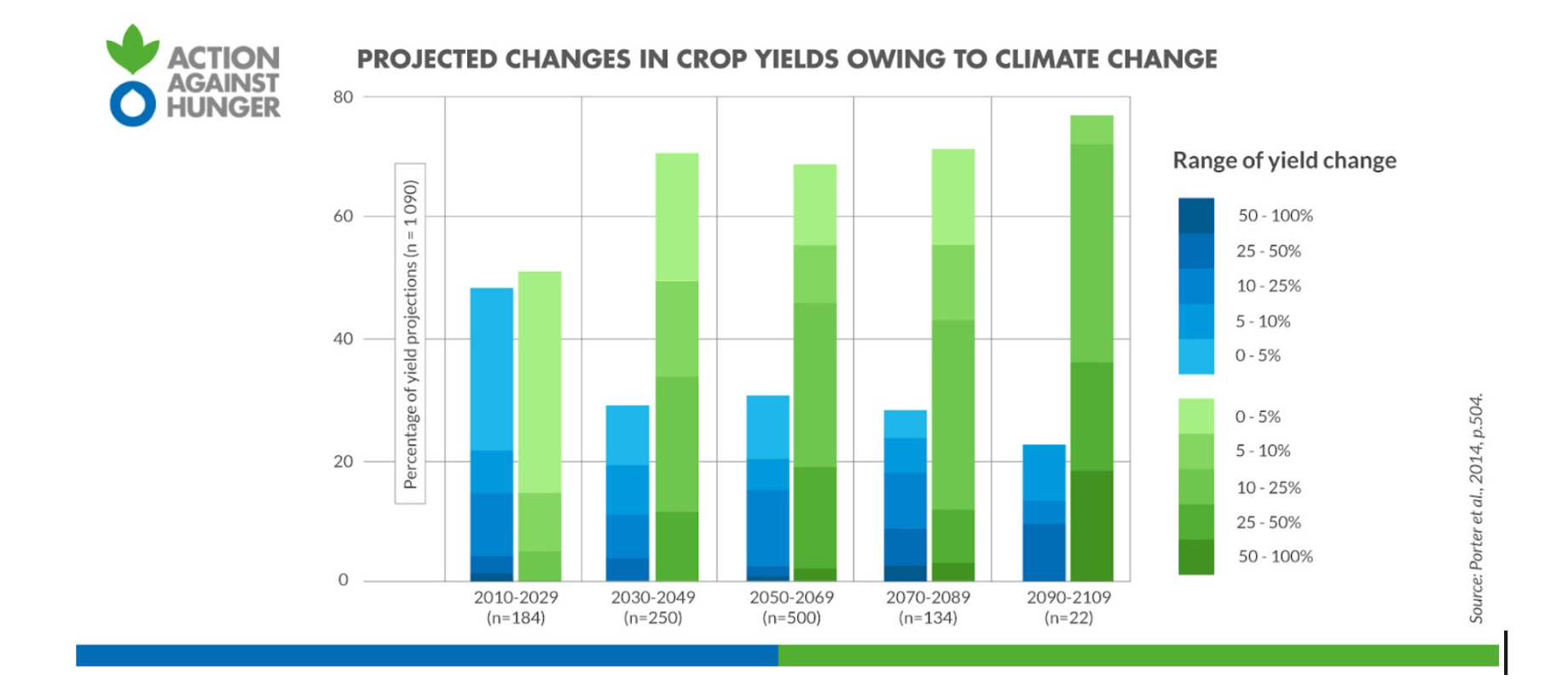
According to some projections, in the absence of successful adaptation, worldwide yields could fall by up to 30% by 2050. 

Countries already dealing with violence, pollution, deforestation, and other issues are likely to bear the brunt of these consequences. The 2 billion people who already lack adequate food, particularly smallholder farmers and other individuals living in poverty, will be struck the hardest. Despite decades of global commitment, hunger and food insecurity continue at alarming rates.

According to the State of Food Security and Nutrition in the World report, approximately 750 million people experienced extreme food insecurity in 2019. 

The number of undernourished people or food insecurity is increasing, with climate shocks playing a significant role. Climate change will raise food prices, reduce food supply, and promote instability and conflict due to competition for water and arable land unless immediate action is taken.

As per a recent report by Children’s Climate Risk Index (CCRI) “Climate crisis is a child crisis”. With an estimated 850 million children 1-3 worldwide are living in areas where environmental and climatic shocks overlap. Children will suffer more than adults and they require more food and water per unit body weight and have less resilience to hold up against extreme and harsh weather events. Also, Children are more susceptible to toxic chemicals, temperature changes and diseases. (3)

In the last three decades India has witnessed rise in mean temperature and increased frequency of extreme rainfall. According to estimation by National Innovations in climate resilient agriculture rainfed rice yields in India are projected to reduce marginally by <2.5% between 2050-2080, irrigated rice yields by 7%. Further, wheat yield is projected to reduce by 6-25% in 2100 and maize yields by 18-23%. It is predicted that future climatic shifts may benefit chickpea production by 54%. These figures clearly indicate the need for mitigation strategies for food and nutrition sustainability.

On the Brightside – Policy Making, Ecosystem strengthening and Advocacy

In 2021 Secretary-General of UN António Guterres organized the Food Systems Summit to inspire renewed global commitment to resilient and sustainable food systems. The summit convened governments, civil society, and the private sector to generate innovative ideas, build new partnerships, and deliver ambitious cross-sectoral actions to transform food systems to meet the Sustainable Development Goals (SDGs) and Paris Agreement emission reduction targets.

Many climate change solutions have the potential to provide economic benefits while also enhancing our lives and safeguarding the environment. Global frameworks and agreements, such as the Sustainable Development Goals, the UN Framework Convention on Climate Change, and the Paris Agreement, are also in place to steer progress. There are three basic types of action: reducing emissions, adapting to climate impacts, and financing necessary adjustments.

Switching from fossil fuels to renewables like solar and wind will lower the emissions causing climate change. But we must begin immediately. While a growing coalition of countries has committed to net zero emissions by 2050, around half of the emissions reduction must be implemented by 2030 to keep global warming below 1.5°C. Between 2020 and 2030, fossil fuel production must drop by about 6% yearly. (6)

India’s Approach towards Climate change: Mitigation strategies and preparedness

Placing climate change at the center of its environmental policy, India made bold vows in 2021, with Hon. Prime Minister Narendra Modi declaring at the critical international climate summit COP 26 that India is the only country delivering on the Paris Agreement commitments in “letter and spirit”. From vowing to become a net carbon emitter by 2070 to generating 500 gigatons of non-fossil energy capacity by 2030, India led from the front on environmental problems this year, capturing the attention of people worldwide.

To meet the challenges of sustaining domestic food production in the face of changing climate, The Indian council of agricultural research (ICAR) under ministry of agriculture and farmers welfare, has launched a flagship network project aims to study the impact of climate change on agriculture including crops, livestock ,horticulture and fisheries and to develop and promote climate resilient technologies in agriculture which will address vulnerable areas of the country and the output of the projects will help the districts and regions prone to climatic hazards. ICAR has developed resilient varieties in different crops tolerant to climatic stresses to improve the food grain production in the face of changing climate. Out of 2122, 1752 varieties are climatic stress resilient. Based on vulnerability assessment, climate resilient technologies are being demonstrated on farmer’s fields covering 446 villages. Agromet advisories are reaching the farmers through m-Kisan portal, whatsapp groups and SMS  services etc. To deal with climate change, the government of India is implementing a National action plan on climate change which aims to evolve and implement strategies to make Indian agriculture more resilient to the changing climate and to sustain increase in production. Per drop more crop schemes are being implemented to increase the irrigation area. Similarly, the Rainfed  Area Development (RAD) scheme is being implemented to promote sustainable integrated farming systems.  With the help of technological interventions GOI is preparing effectively to increase the crop produce and decrease the crop loss. (5)

How Action Against Hunger is making efforts to deal with climate crisis

Our primary goal as the world’s hunger specialist is to find a better solution to cope with hunger. For more than 40 years, we have led the global fight to end life-threatening hunger once and for all. In more than 45 countries, our professionals have been on the front lines, treating and preventing malnutrition.

We save children and their families’ lives. We are there for them both before and after a crisis occurs. We make it possible for people to provide for themselves, for their children to grow up strong, and for entire communities to thrive. We are continuously looking for more effective solutions while also sharing our knowledge and skills with the rest of the world. 

Food security and livelihoods programmes at Action Against Hunger address the core causes of hunger by addressing issues of production, access, and income. Our programmes, which include a wide range of activities tailored to a community’s specific needs, are intended to boost

agricultural production, kickstart local market activity, support micro-enterprise initiatives, and improve a vulnerable community’s access to sustainable sources of food and income.

Click here  to learn more about our work.


References:

  1. What is climate change:  What Is Climate Change? | United Nations
  2. Journal article, Influence of climate change on food production and safety: The influence of climate change on food production and food safety – ScienceDirect 
  3. UNICEF ,Press Release: One billion children at ‘extremely high risk’ of the impacts of the climate crisis – UNICEF 
  4. Ministry of Agriculture and Farmers welfare, Press Release: :https://pib.gov.in/PressReleasePage.aspx?PRID=1696468 
  5. Impact of climate change on agriculture:  https://pib.gov.in/PressReleasePage.aspx?PRID=1884236 
  6. Intergovernmental panel for climate change, Newsroom Post: The evidence is clear: the time for action is now. We can halve emissions by 2030. — IPCC

Annexure

The combustion of fossil fuels produces greenhouse gas emissions, which behave like a blanket wrapped over the Earth, trapping heat from the sun and rising temperatures.

Carbon dioxide and methane are two examples of greenhouse gas emissions affecting climate change. These are caused by using fuel to drive a car or coal to heat a building, for example, clearing land and forests can also result in the release of carbon dioxide. Garbage landfills are a primary source of methane emissions. Among the significant emitters are energy, industry, transportation, buildings, agriculture, and land use.

.will create difference in other as well and thus Because the Earth is a system in which everything is interconnected, changes in one region might impact all others.

Research shows that the world’s wealthiest countries will experience fewer changes in their local climate than the poorest regions if global average surface temperatures rise between 1.5 and 2 degrees Celsius.

One of the core areas that climate change threatens is food production. Wheat, maize, and other crop yields have been dropping in several nations due to intense heat, severe weather, and droughts. 

Under NICRA project, wheat germplasm comprising of advanced breeding lines and land races have been screened for heat/drought tolerance. To combat climate change Indian agricultural research institute (IARI) has released the high yielding varieties of wheat such as HD 2967 and HD 3086 which are being grown in large areas of North west and North India.

In India action against hunger is working at various peri urban, rural and tribal geographies to strengthen the communities to combat malnutrition by eco-system strengthening through infrastructure and capacity building of frontline workers and caregivers. Our unique concepts like nutri gardens are preparing communities to become self resilient. Also, we are promoting and advocating the consumption of millets in remotest of geographies to build and  maintain the Food and nutrition security of marginalized communities. 

Types of Malnutrition and its Symptoms

Malnutrition

Malnutrition refers to getting too little or too much of certain nutrients. It can lead to serious health issues, including stunted growth, eye problems, diabetes, and heart disease. Malnutrition affects billions of people worldwide.

Globally in 2020, 149 million children under 5 were estimated to be stunted (too short for age), 45 million were estimated to be wasted (too thin for height), and 38.9 million were overweight or obese.

Around 45% of deaths among children under 5 years of age are linked to undernutrition. These mostly occur in low and middle-income countries. At the same time, in these same countries, rates of childhood obesity are rising.

The types of malnutrition include:

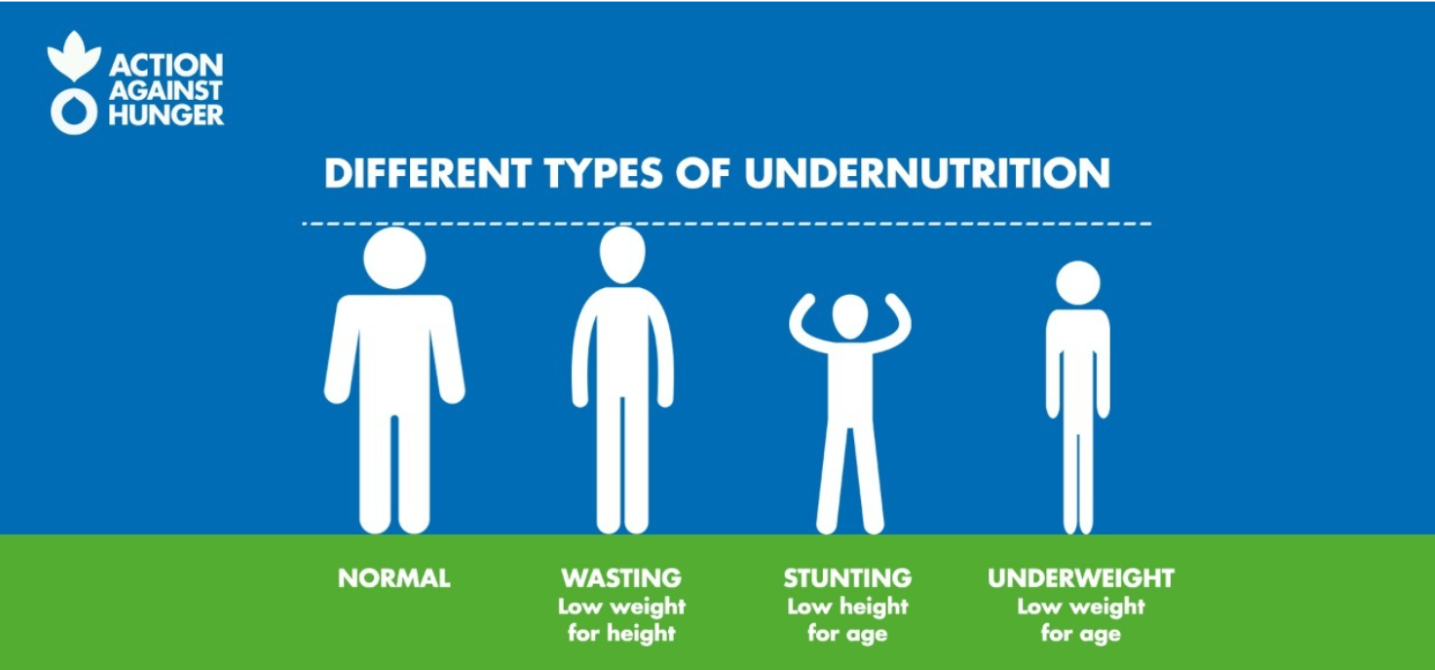
  • Undernutrition: This type of malnutrition results from insufficient protein, calories or micronutrients. It leads to low weight-for-height (wasting), height-for-age (stunting) and weight-for-age (underweight). Undernourished people often lack vitamins and minerals, especially iron, zinc, vitamin A and iodine.
  • Overnutrition: Overconsumption of certain nutrients, such as protein, calories or fat, can also lead to Malnutrition. This usually results in being overweight or obese. Micronutrient deficiencies can also occur with overnutrition.

Malnutrition_India

Signs and Symptoms

Undernutrition

(Stunted growth, wasting, underweight and micronutrient deficiencies)

Undernutrition typically results from not getting enough nutrients in your diet.
This can cause:

  1. Weight loss
  2. Loss of fat and muscle mass
  3. Hollow cheeks and sunken eyes
  4. A swollen stomach
  5. Dry hair and skin
  6. Delayed wound healing
  7. Fatigue
  8. Difficulty concentrating
  9. Irritability
  10. Depression and anxiety

People with undernutrition may have one or several of these symptoms. Some types of undernutrition have significant effects.

Kwashiorkor, a severe protein deficiency, causes fluid retention and a protruding abdomen. On the other hand, the condition Marasmus, which results from severe calorie deficiency, leads to wasting and significant fat and muscle loss. (Butler & Streit, 2018)

Undernutrition can also result in micronutrient deficiencies. Some of the most common deficiencies and their symptoms include:

  1. Vitamin A: Dry eyes, night blindness, increased risk of infection.
  2. Zinc: Loss of appetite, stunted growth, delayed healing of wounds, hair loss, diarrhea.
  3. Iron: Impaired brain function, issues with regulating body temperature, stomach problems.
  4. Iodine: Enlarged thyroid glands (goiters), decreased production of thyroid hormone, growth and development issues. Since undernutrition leads to severe physical and health problems, it can increase your risk of death. (Streit et al. 2018)

Overnutrition

The main signs of overnutrition are overweight and obesity, which can also lead to nutrient deficiencies.
Research conducted by the World Health Organization shows that people who are overweight or obese are more likely to have inadequate intakes and low blood levels of specific vitamins and minerals compared to those who are at a normal weight.

This is likely because overweight and obesity can result from overconsumption of fast and processed foods that are high in calories and fat but low in other nutrients.

Child malnutrition in India is a complex problem.

Research has conclusively shown that Malnutrition during pregnancy causes the child to have an increased risk of future diseases, physical retardation, reduced cognitive abilities—delivery systems, and community engagement. That is where we (Action Against Hunger) step in and provide Prenatal Care –

Ante Natal Care (ANC) and Post Natal Care (PNC)

Ensuring that all pregnancies are registered early at health centers and providing the necessary care and attention for the survival and development of mother and child. This includes –

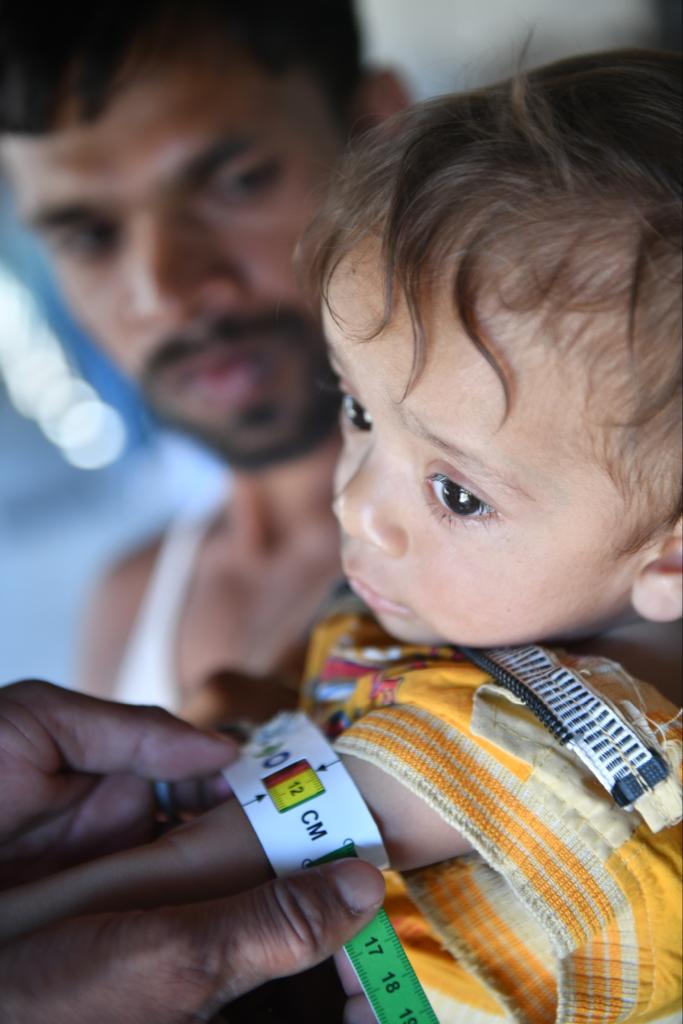
  1. Screening for malnutrition, referrals to existing health centers, and anthropometric measurements to determine the mother and child’s nutritional status.
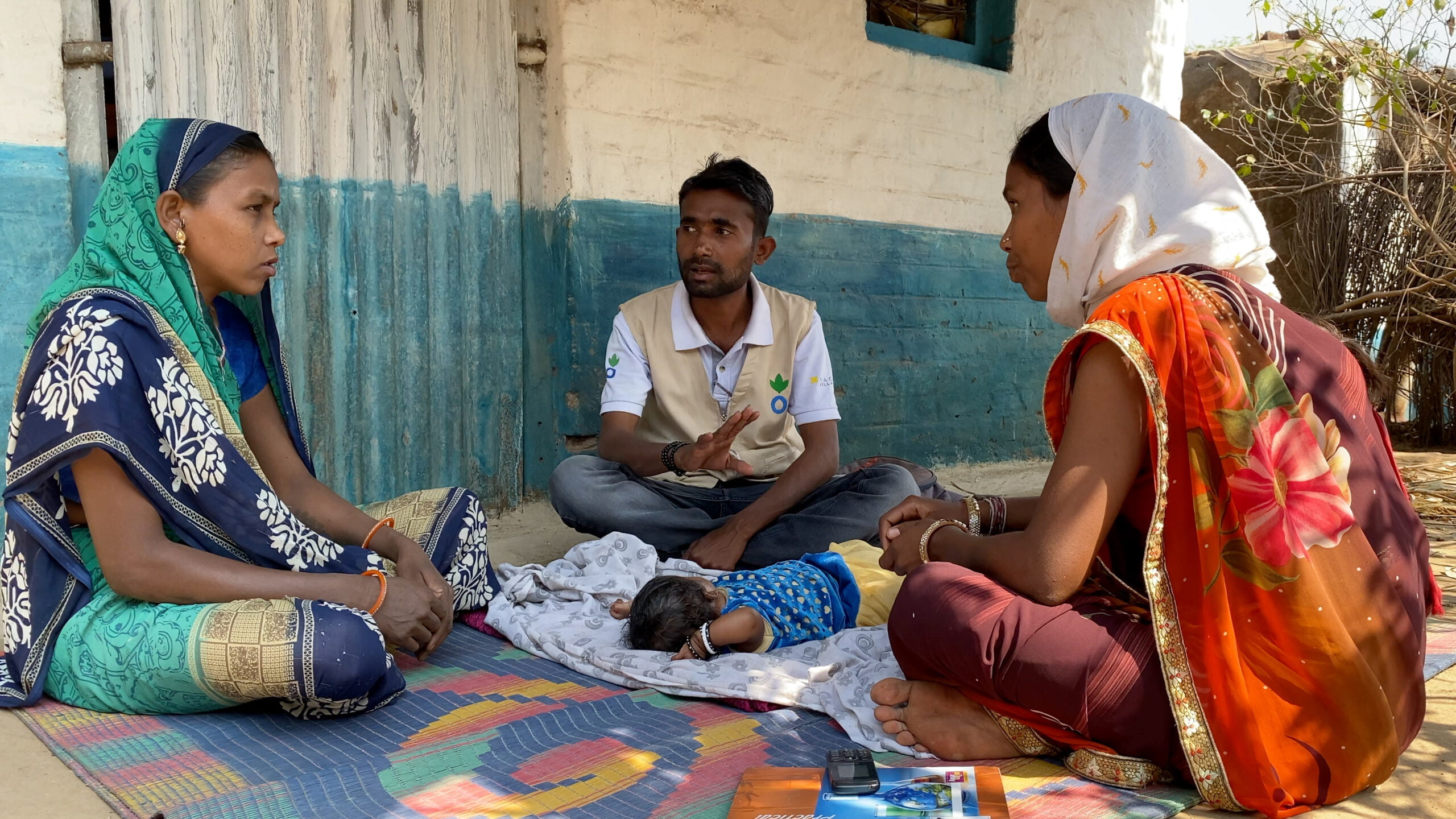
  2. Home-based visits: Home visits are conducted for pregnant women, lactating women, SAM and MAM children by our field team which has turned out to be effective in breaking their perceptional barriers in care giving behaviours.
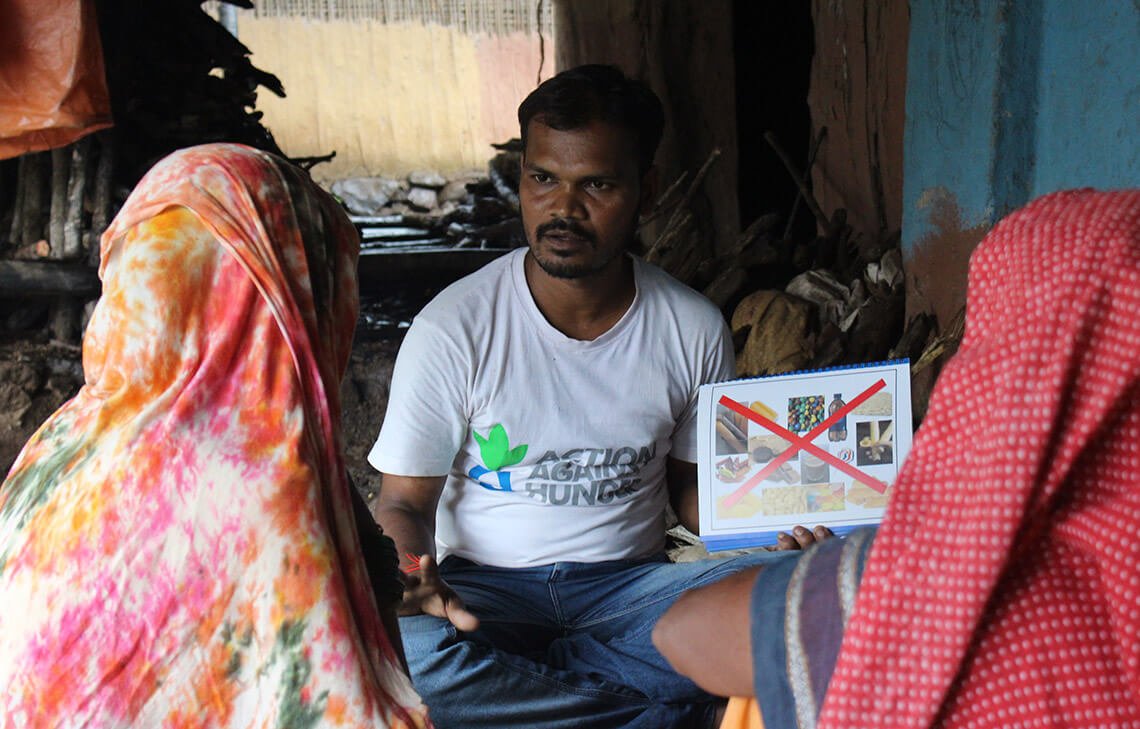
  3. Group activities and discussions: Targeted beneficiaries are gathered at a common place to discuss and deliver the Nutrition health sessions on wide variety of topics such as Lactation education, Pre-Natal Care, Post Natal Care, Institutional deliveries etc.
  4. Infrastructural strengthening: Remodeling of old or damaged anganwadi centers of rural and tribal blocks.
  5. Eco-system strengthening: Strengthening and Capacity building of frontline functionaries to perform anthropometric measurements, counselling of beneficiaries through IEC’s , group activities and door to door visits.
  6. Collaboration and advocacy: We closely work with  ICDS and health department of WCD and facilitate the process of service delivery and policy implementation at ground level in the remotest and challenging geographies with the support of our community mobilizers and Field officers.
  7. Nutrition security and sustainability: We are supporting communities to build self- resilient and sustainable ecosystems by building Nutri gardens, advocating and promoting the consumption of long lost weather resilient crops and maximizing the consumption of locally grown nutrient rich  wild plants, fruits and vegetables.

Malnutrition_India

About Action Against Hunger

At Action Against Hunger, we drive change from the ground up, to make this world free from hunger.

Since inception in 1979, we have led the global fight against hunger. Our work has impacted the lives of 26 million individuals, through a network of 8000 humanitarian professionals across 50 countries. In India, our operations from the grassroots upwards, are focused on taking decisive action against the causes and effects of malnutrition. We equip people with knowledge and awareness, so they can see their children grow up strong, and for whole communities to prosper.

What We Do

Our teams work tirelessly with some of India’s most vulnerable communities to detect and treat Malnutrition in children and train families on how to prevent it.
We are saving lives and enabling thousands of India’s children to beat Hunger and look forward to a brighter future where they can contribute to the country’s development. Our malnutrition programs cover 1266 villages across the States of Madhya Pradesh, Maharashtra, Rajasthan and Gujarat with a multidisciplinary approach to tackling Malnutrition among children.

Action_Against_Hunger_Malnutirition

Winning the battle against Hunger is critical for a healthy society, and it is only possible with your help.

Make a donation or join as partners, organize a fundraising event with your friends, family, and coworkers, or volunteer to help us save lives!


References

Butler, Natalie, and Lizzie Streit. 2018. “Kwashiorkor and Marasmus: What’s the Difference?” Healthline. https://www.healthline.com/health/kwashiorkor-and-marasmus.
“Fact sheets – Malnutrition.” 2021. World Health Organization (WHO). https://www.who.int/news-room/fact-sheets/detail/malnutrition.
“Joint child malnutrition estimates (JME) (UNICEF-WHO-WB).” n.d. World Health Organization (WHO). Accessed February 17, 2023. https://www.who.int/data/gho/data/themes/topics/joint-child-malnutrition-estimates-unicef-who-wb.
Streit, Lizzie, Debra R. Wilson, Rachel Nall, and Natalie Butler. 2018. “Malnutrition: Definition, Symptoms and Treatment.” Healthline. https://www.healthline.com/nutrition/malnutrition.

JOIN THE FIGHT AGAINST HUNGER


    [give_form id="6131"]

    [give_form id="6240"]