World Environment Day 2026: Climate, Action, and the People Most Affected

A Future That Depends on Action Today

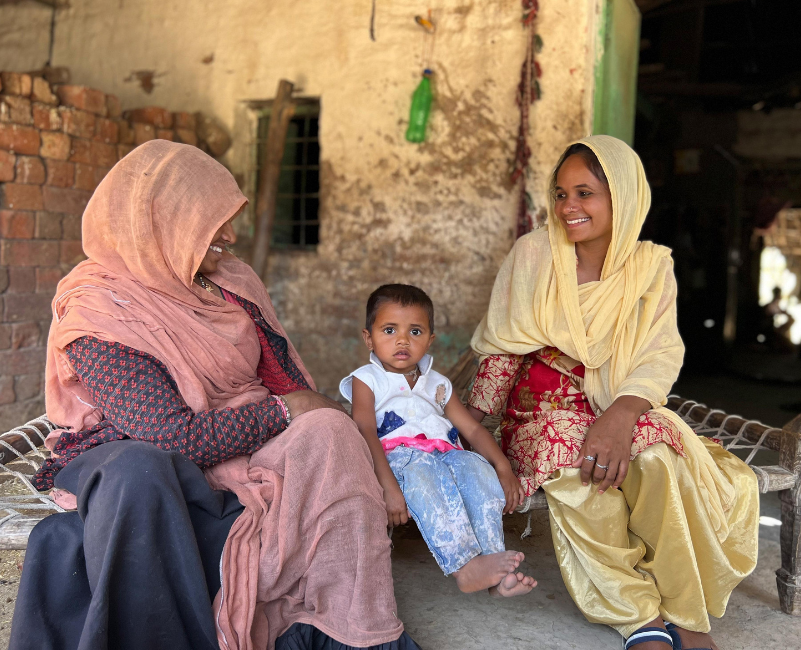
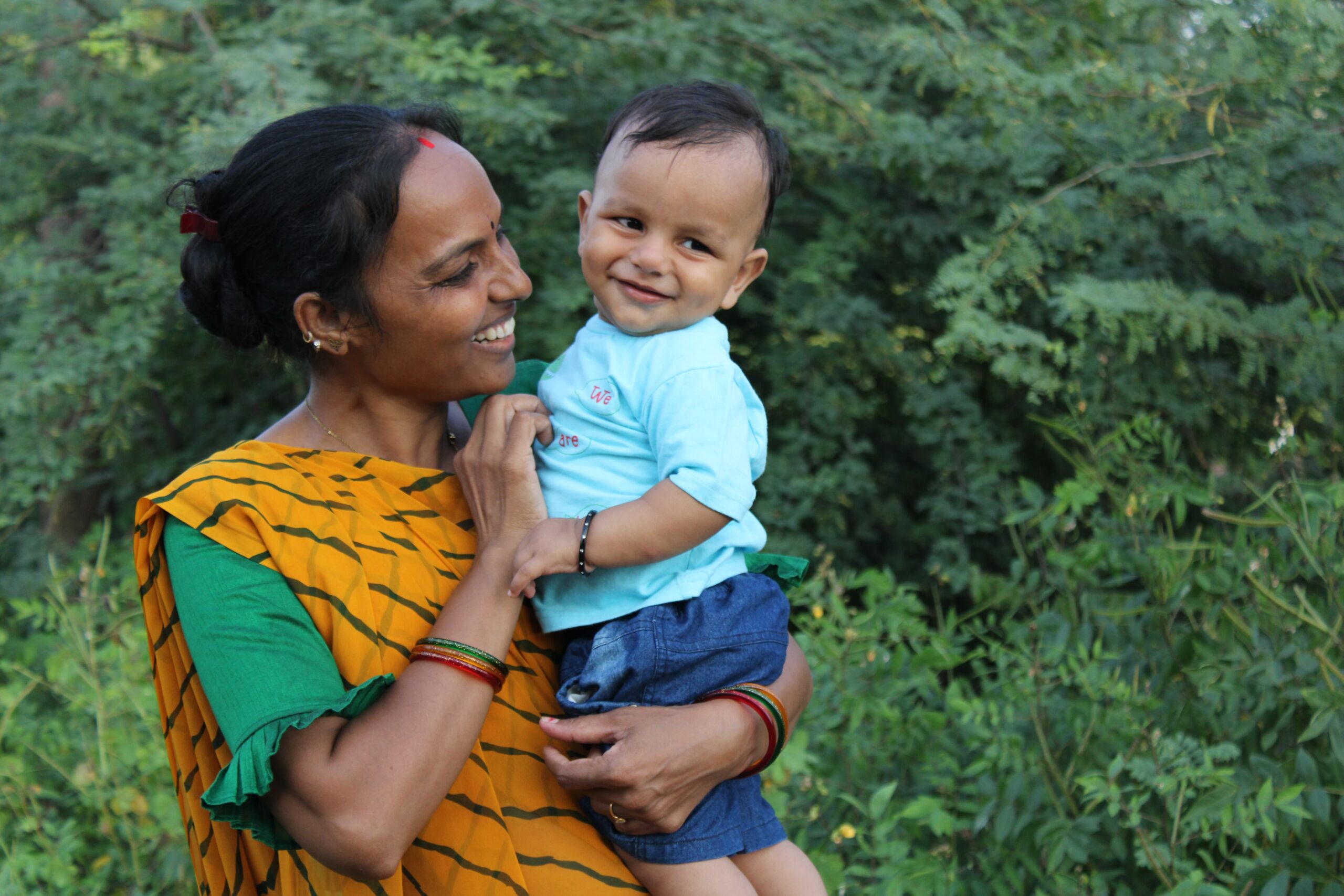
This World Environment Day, hosted by Azerbaijan, the conversation goes beyond the environment alone. The climate crisis is about people, their lives, and their futures. Among those most affected are women and children, who continue to face the harshest consequences of changing weather patterns, water scarcity, and food insecurity.

Impact of Climate Change on Women and Children


Rural Women

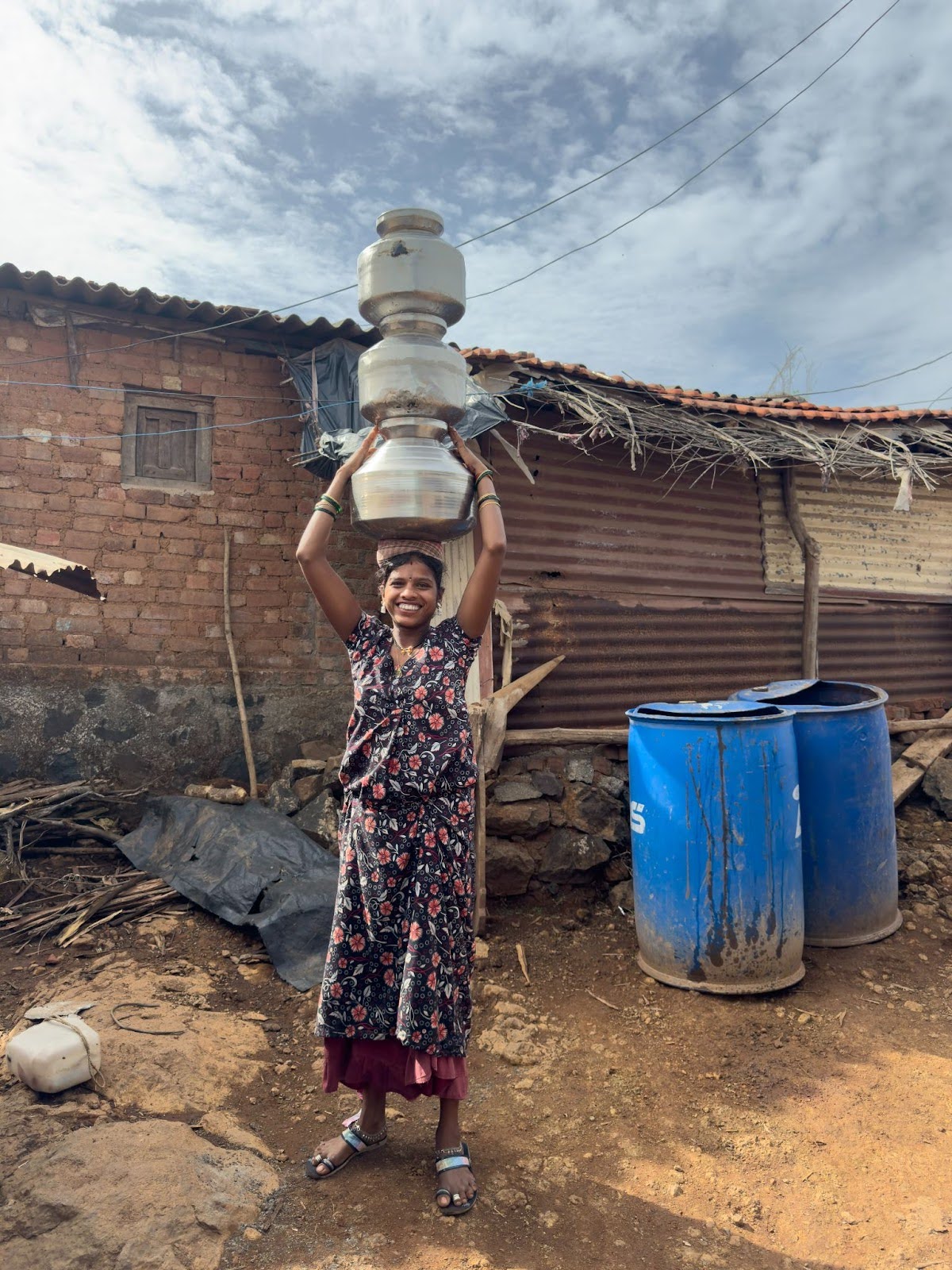
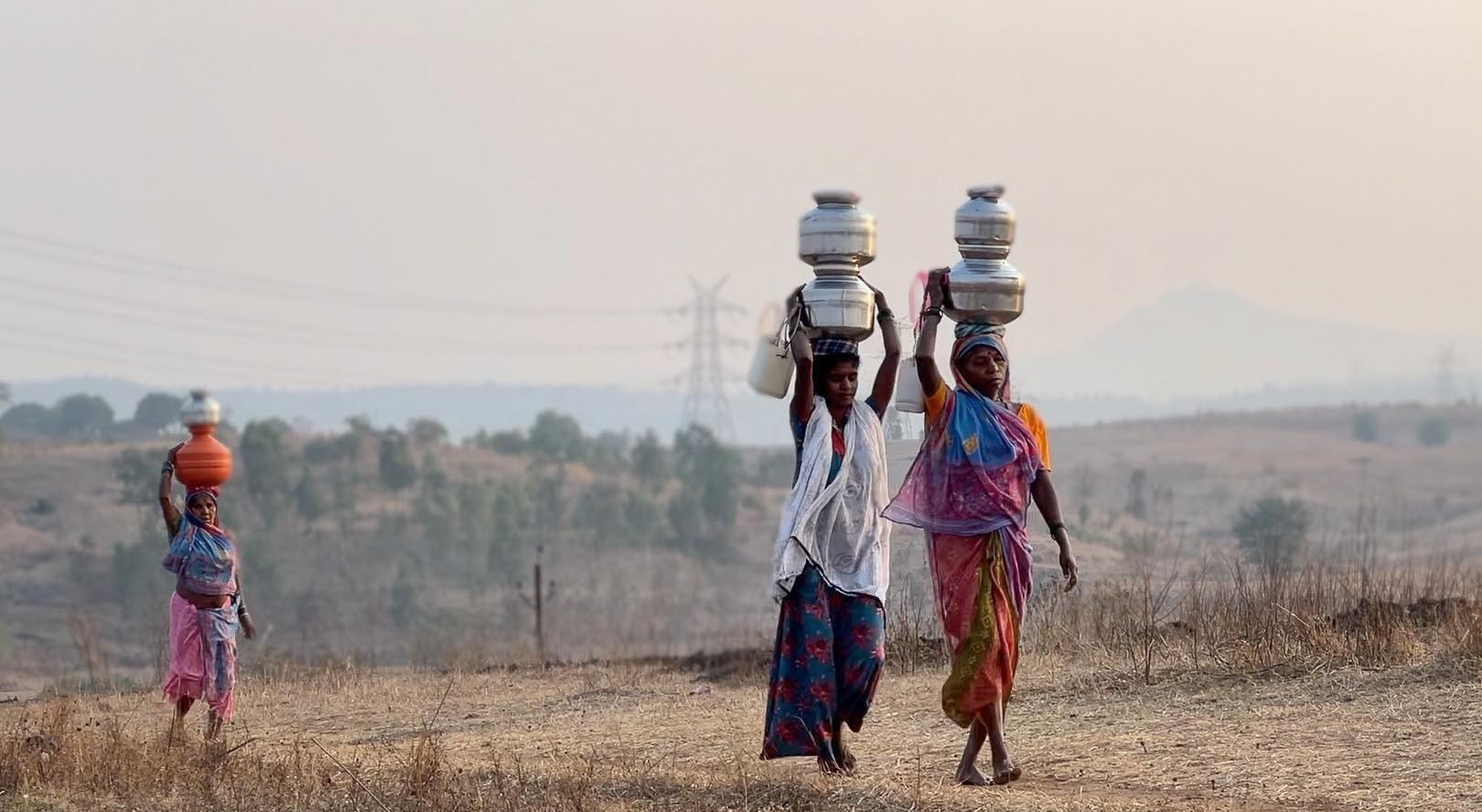
When droughts intensify and water sources shrink, it is often women and girls who travel longer distances to collect water, losing valuable time that could otherwise go toward education, work, or care. Crop failures caused by erratic rainfall and rising temperatures directly affect women who are often primary caregivers and contributors to household food systems.

Children face the impact even more deeply. Nearly 45 percent of deaths linked to undernutrition are among children under five, showing how climate stress quickly turns into a nutrition and health crisis. Extreme weather events also disrupt schooling, increase the spread of disease,

and force families into displacement. According to the United Nations, women account for close to 80 percent of those displaced by climate related disasters.

Empowering Change Through Sustainable Solutions

Sustainable Farming

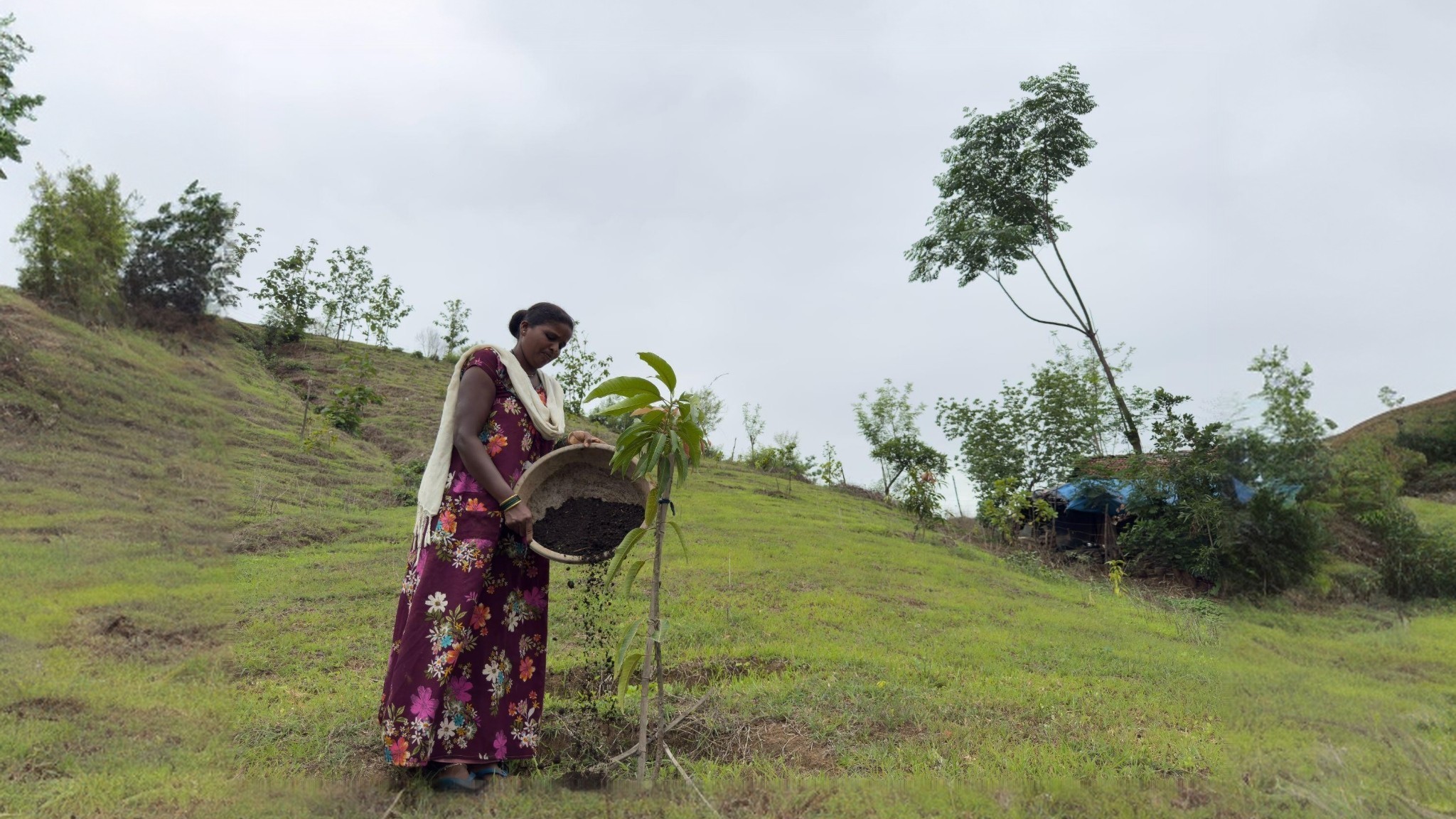
The way forward lies in community driven and sustainable solutions. Climate resilient farming, better water management, and stronger livelihood opportunities can help families adapt while protecting natural resources.

Supporting women with access to sustainable agricultural practices and income opportunities strengthens not only households but entire communities. When communities are equipped to adapt, children are more likely to remain healthy, nourished, and in school.

How Action Against Hunger Foundation Creates Change?
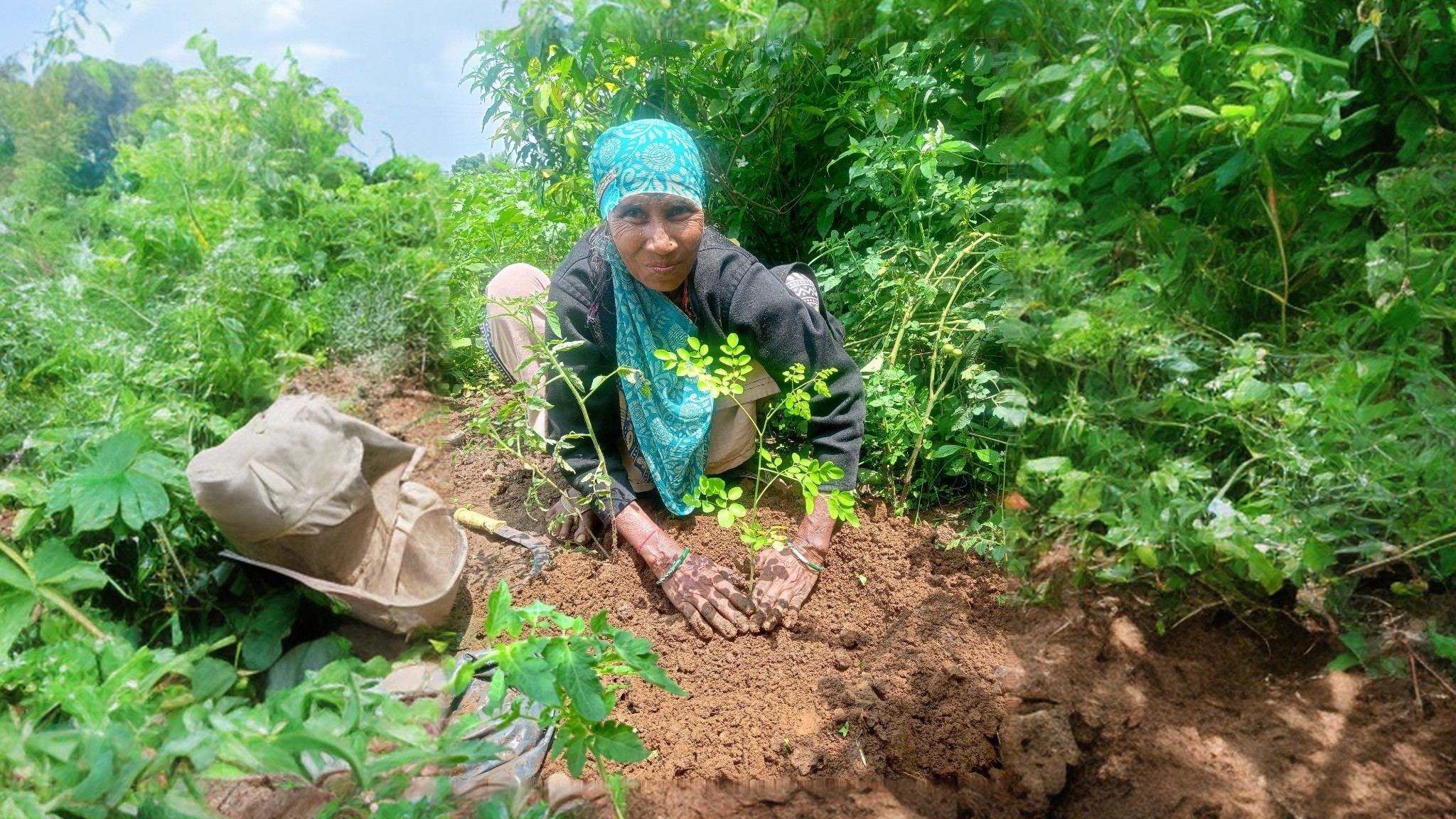
Action Against Hunger Foundation continues to work towards long term climate resilience through practical and community focused solutions:

  • Supporting organic and sustainable farming practices
  • Promoting climate resilient livelihoods for vulnerable communities
  • Improving access to safe water and sanitation
  • Strengthening nutrition support for women and children

Its approach focuses on solutions that help families face climate challenges with dignity and resilience, creating a safer and more sustainable future.

A Shared Responsibility

World Environment Day is a reminder that action does not stop today, it must continue every day.

Climate action must place people at its heart, because protecting the environment also means protecting lives, health, and futures, especially for those most vulnerable to its impact. The choices we make today will shape the world we live in tomorrow.

Let us commit to sustained action, collective responsibility, and building a safer, more sustainable future for all.
Kangaroo Mother Care Guide: Benefits, Steps, and Newborn Care Tips

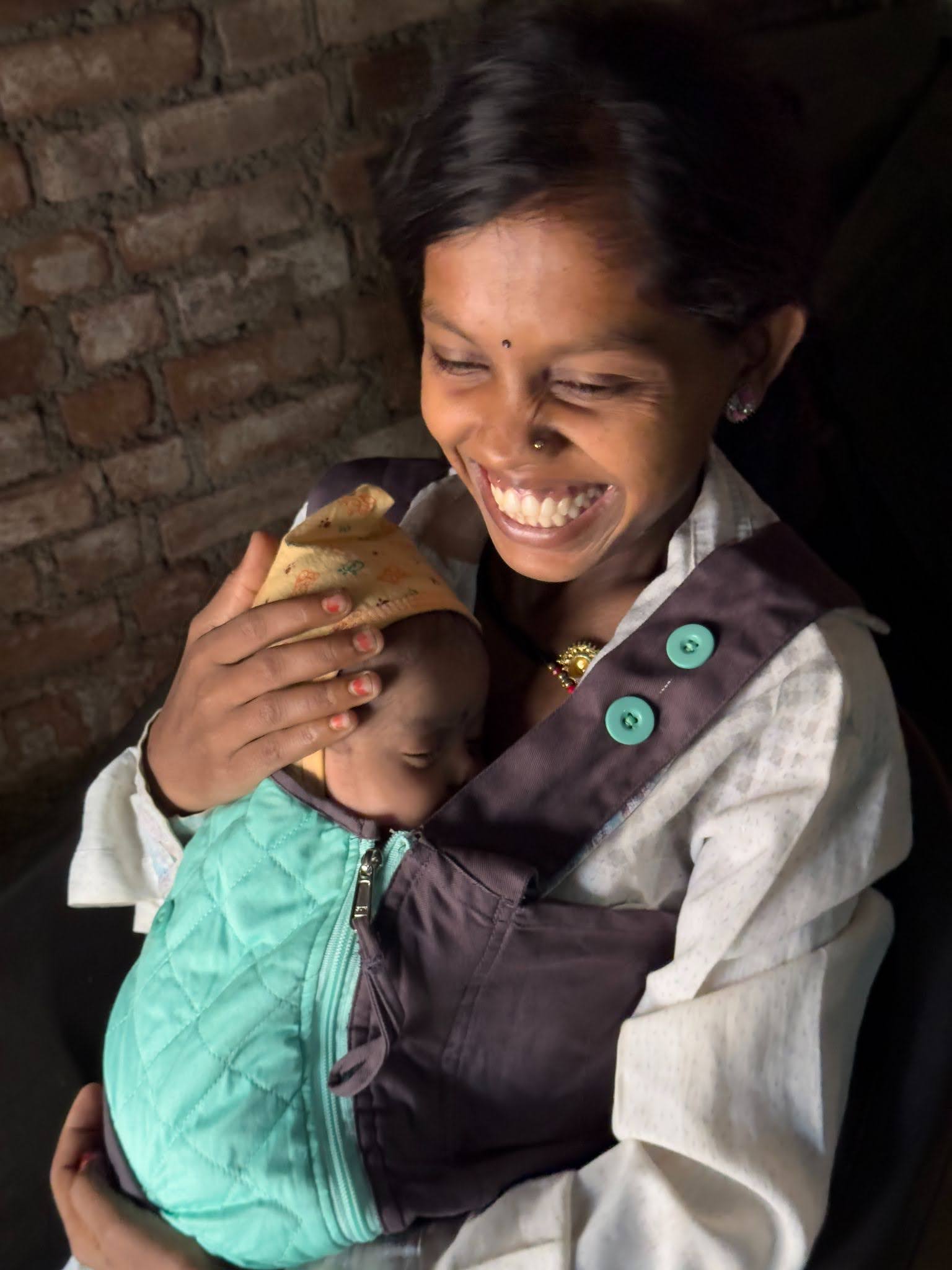
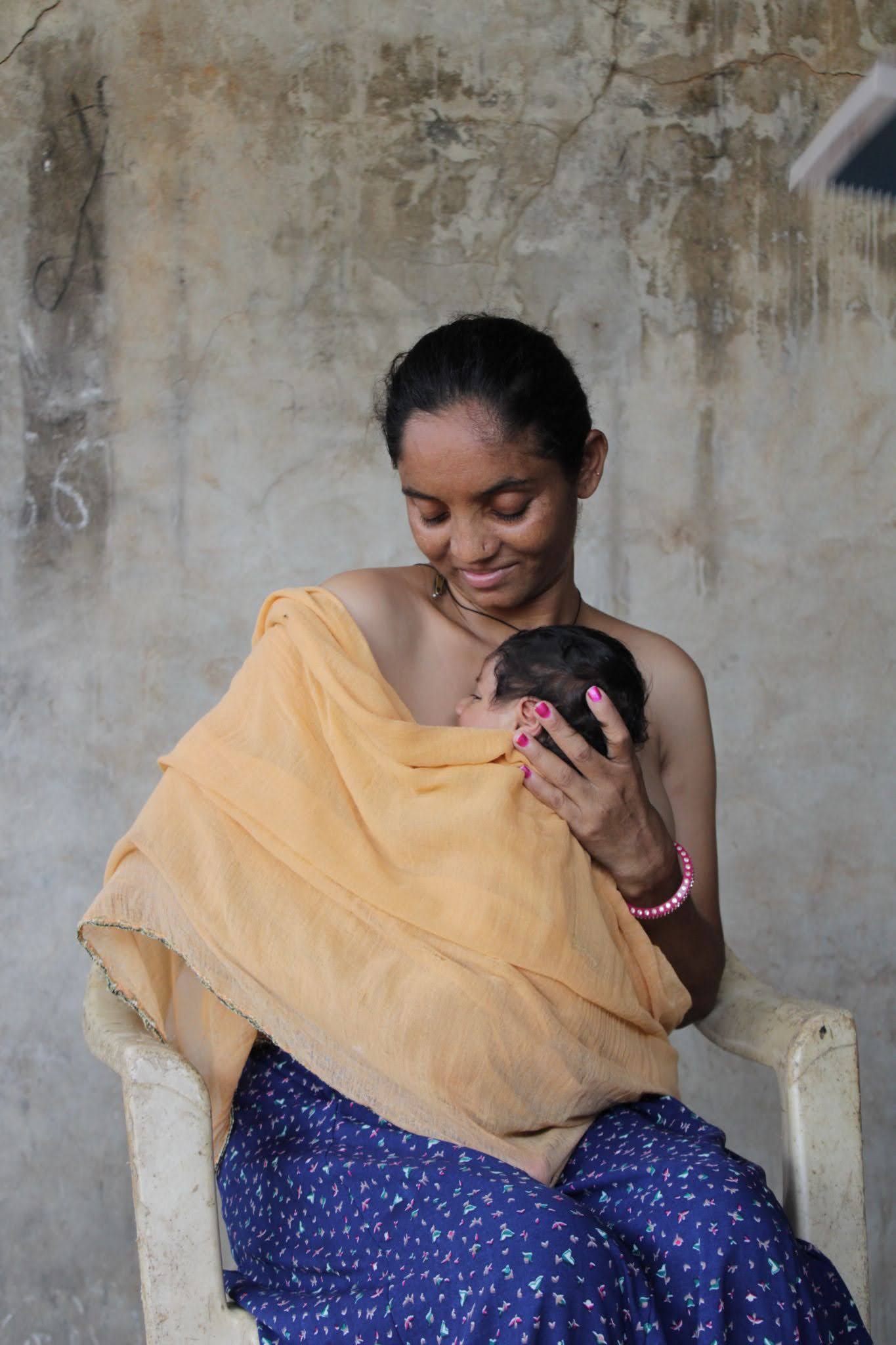
In a world of advanced monitors and beeping machines, we believe that the most powerful life-support system is still a mother’s heartbeat. Kangaroo Mother Care (KMC) is a transformative approach to newborn health that shows how skin-to-skin contact is not just comforting, but lifesaving.

For babies born too soon or too small, this simple practice provides the warmth, protection, and nourishment they need to survive and thrive. Through our programmes, we continue to promote KMC as a critical, life-saving intervention for newborn care.

What is Kangaroo Mother Care?

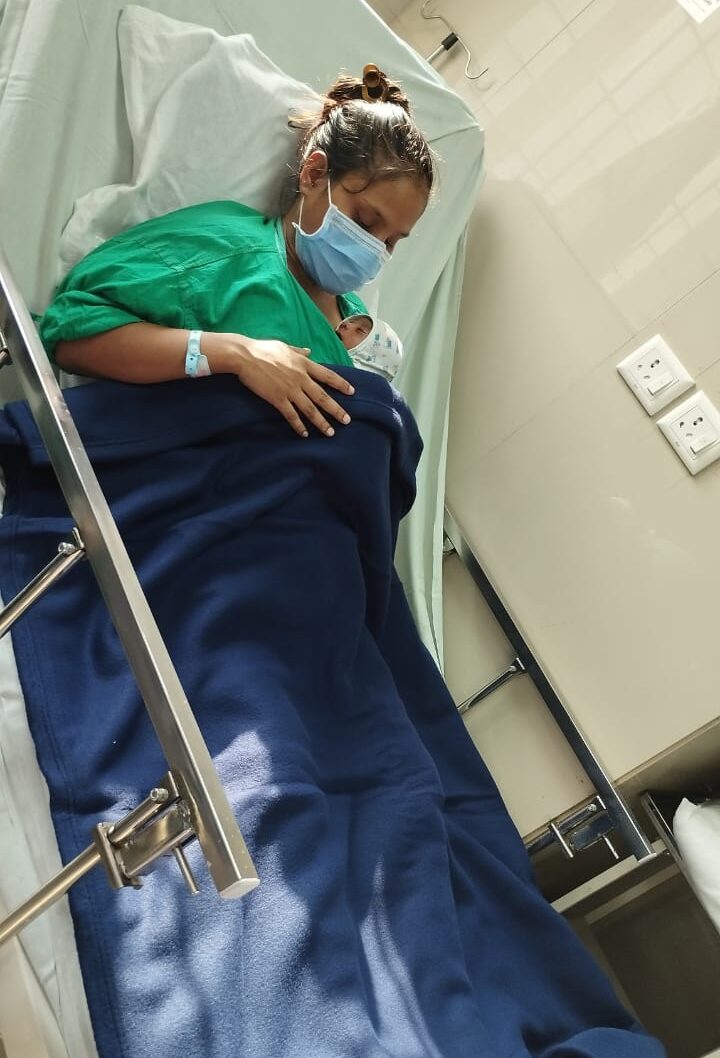
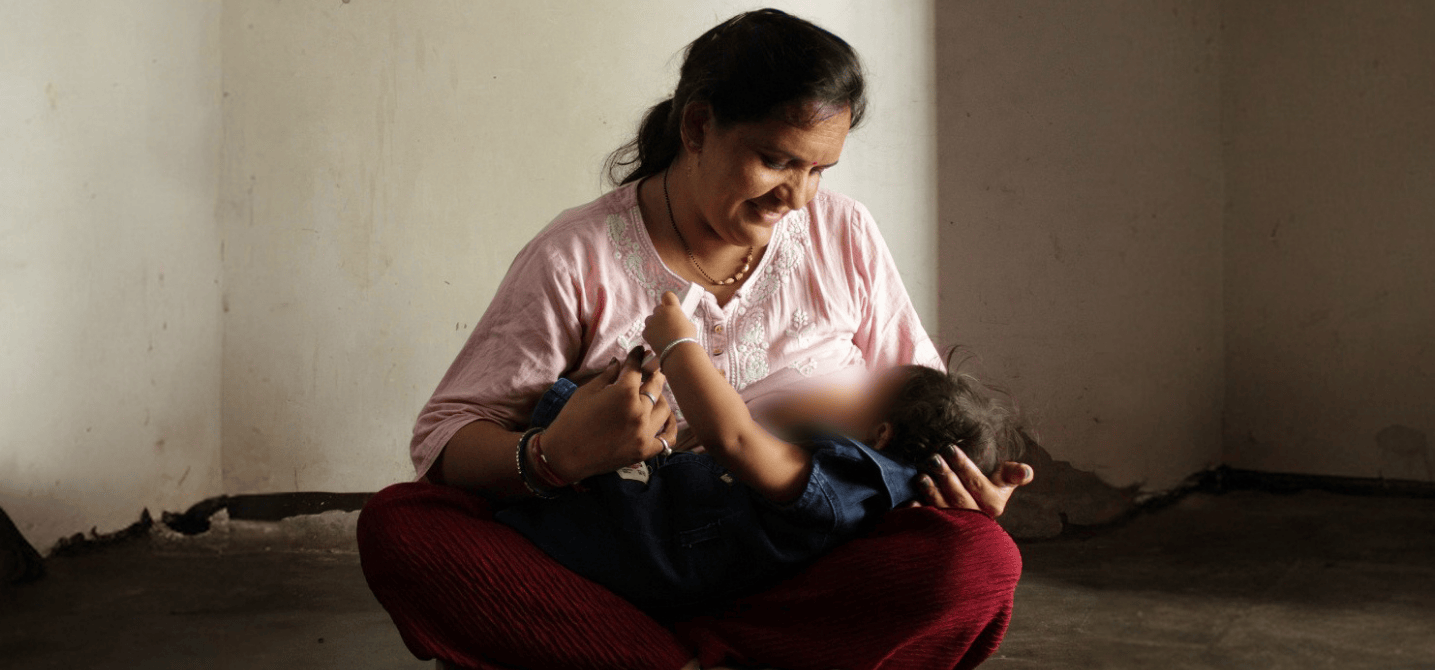
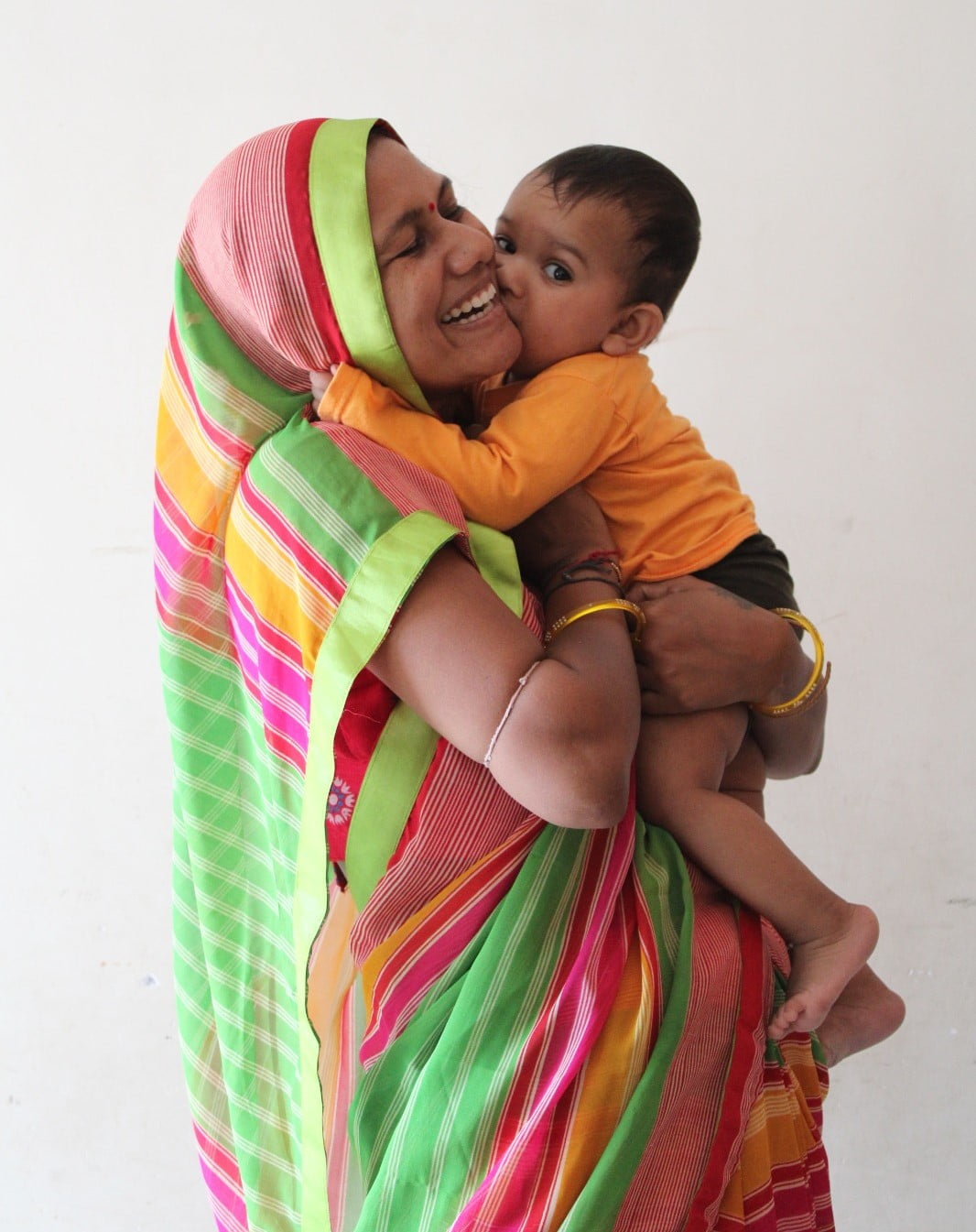
Kangaroo Mother Care is a method where a newborn is held in direct skin-to-skin contact with their mother or a caregiver. When combined with exclusive breastfeeding, it creates a natural, protective environment that supports the baby’s early development.

As part of our maternal and child health initiatives, we actively work with caregivers and healthcare providers to build awareness and confidence around adopting KMC practices.

The Four Pillars of KMC Duration

While any duration is beneficial, we encourage consistent practice for the best outcomes:

  • Short: 4 hours daily
  • Extended: 5 to 8 hours daily
  • Long: 9 to 12 hours daily
  • Continuous: More than 12 hours daily, especially for high-risk infants

Why is KMC the Ultimate Lifeline for Little Ones?

For a low birth weight infant, the world outside the womb can be overwhelming. Through our on-ground experience, we have seen how KMC helps bridge this transition by:

  • Regulating body temperature and preventing hypothermia
  • Reducing the risk of infections and strengthening immunity
  • Supporting healthy brain development
  • Promoting steady weight gain and faster recovery
  • Building a deep emotional bond between parent and child

We have witnessed firsthand how consistent KMC practices can improve survival rates and overall well-being of newborns in resource-limited settings.

Perfecting the Kangaroo Position

To ensure safety and comfort, correct positioning is essential:

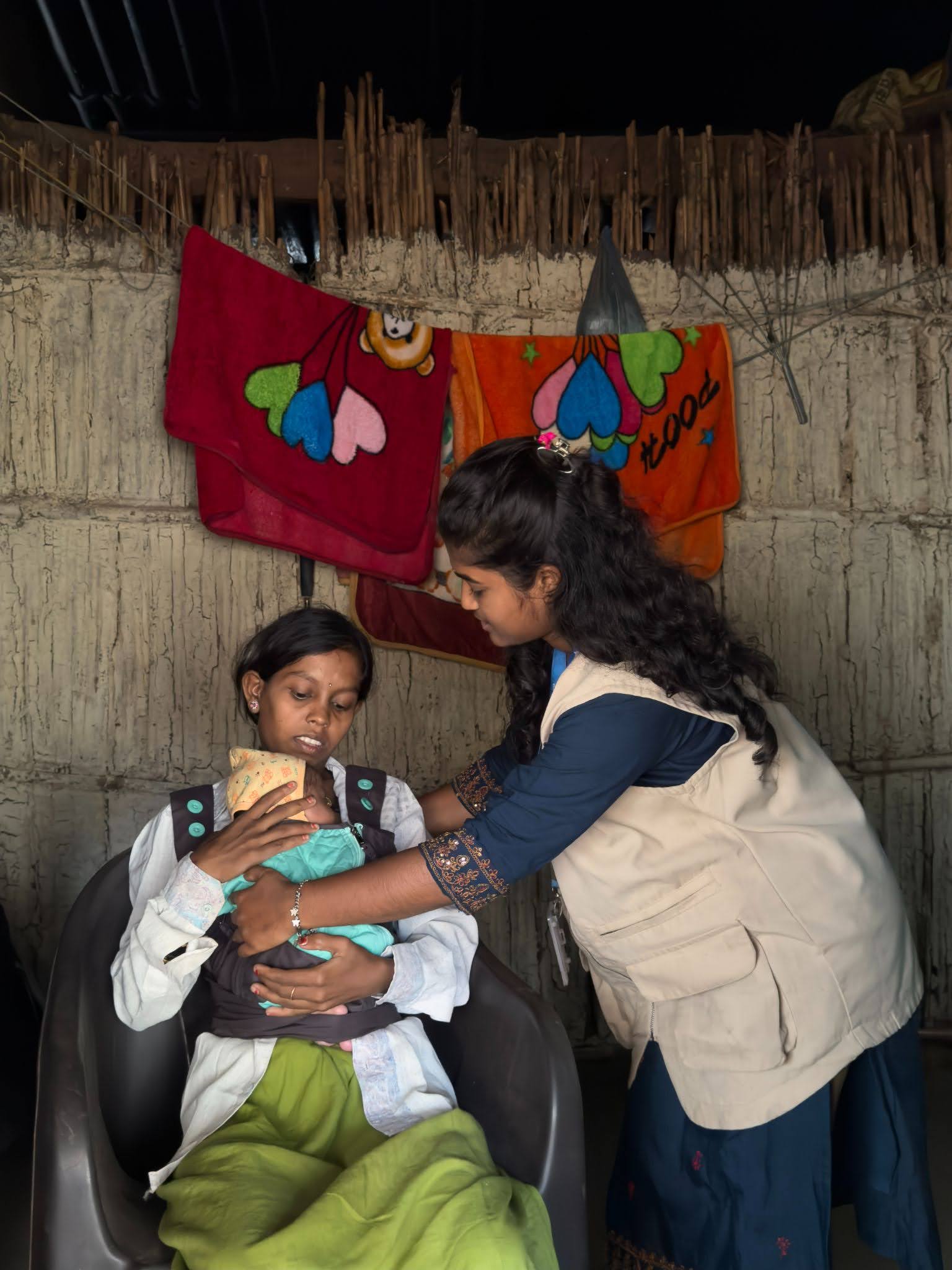
  • The baby is placed upright between the mother’s breasts
  • The head is turned to one side and slightly extended to keep the airway clear
  • The hips are flexed in a frog-like position, with arms tucked in
  • A soft cloth or binder supports the baby securely, allowing the caregiver to move comfortably

While it is called Kangaroo Mother Care, we encourage fathers and other family members to participate, making care a shared responsibility and strengthening family involvement in newborn care.

Turning Care into Action

At Action Against Hunger, we work to ensure that KMC is not just understood, but consistently practiced within healthcare systems and communities.

From Concept to Consistent Care at Cooper Hospital, Mumbai

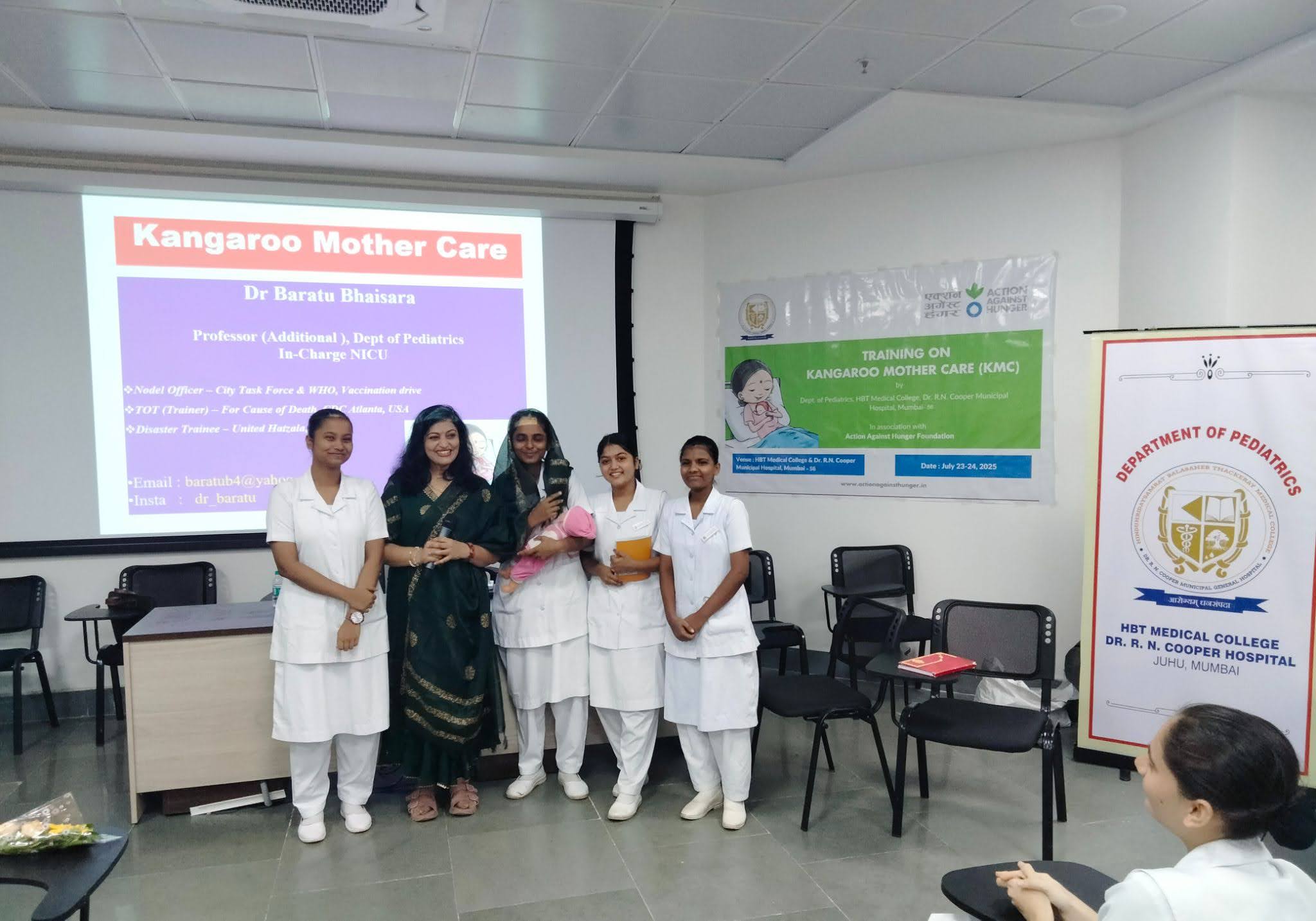
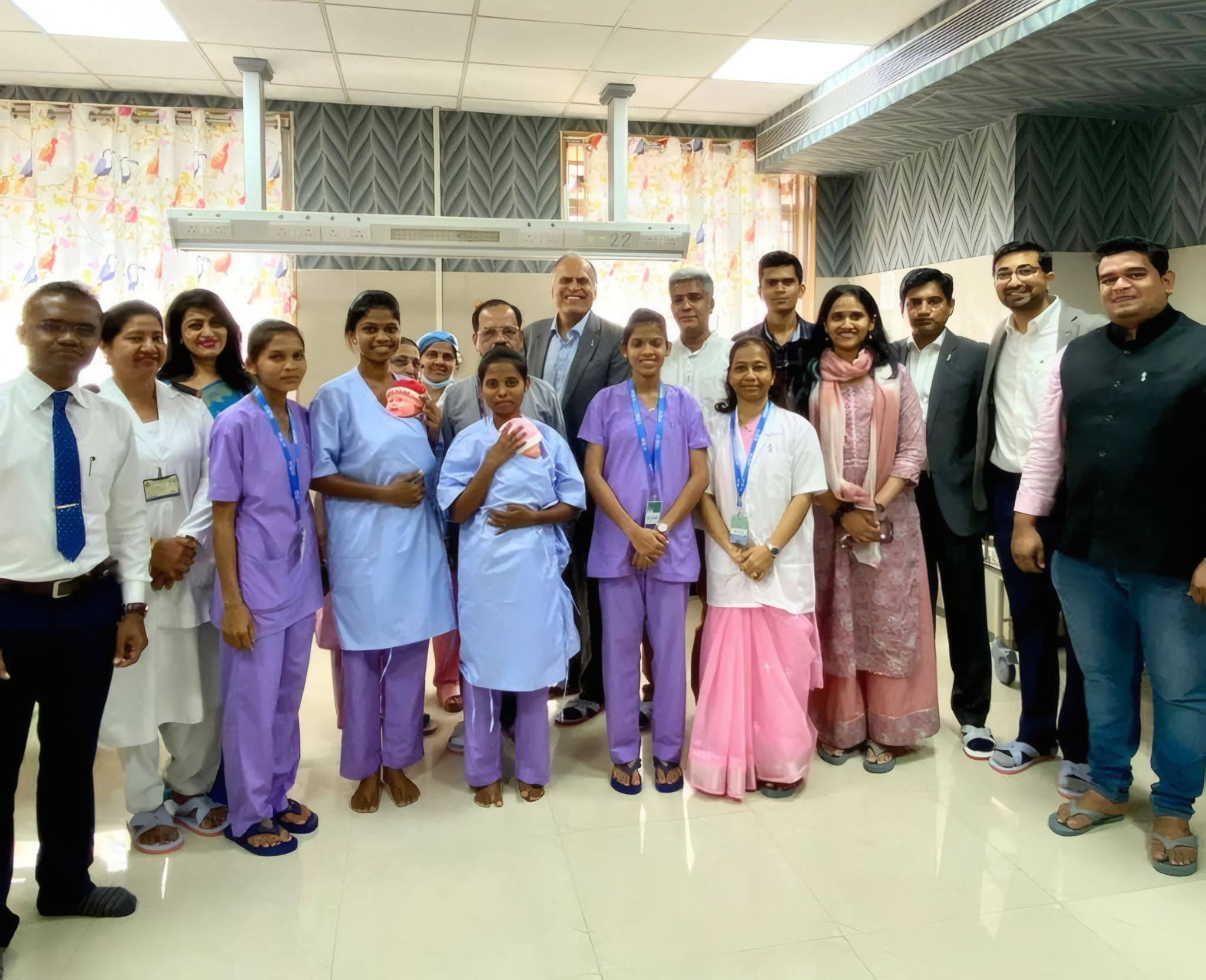
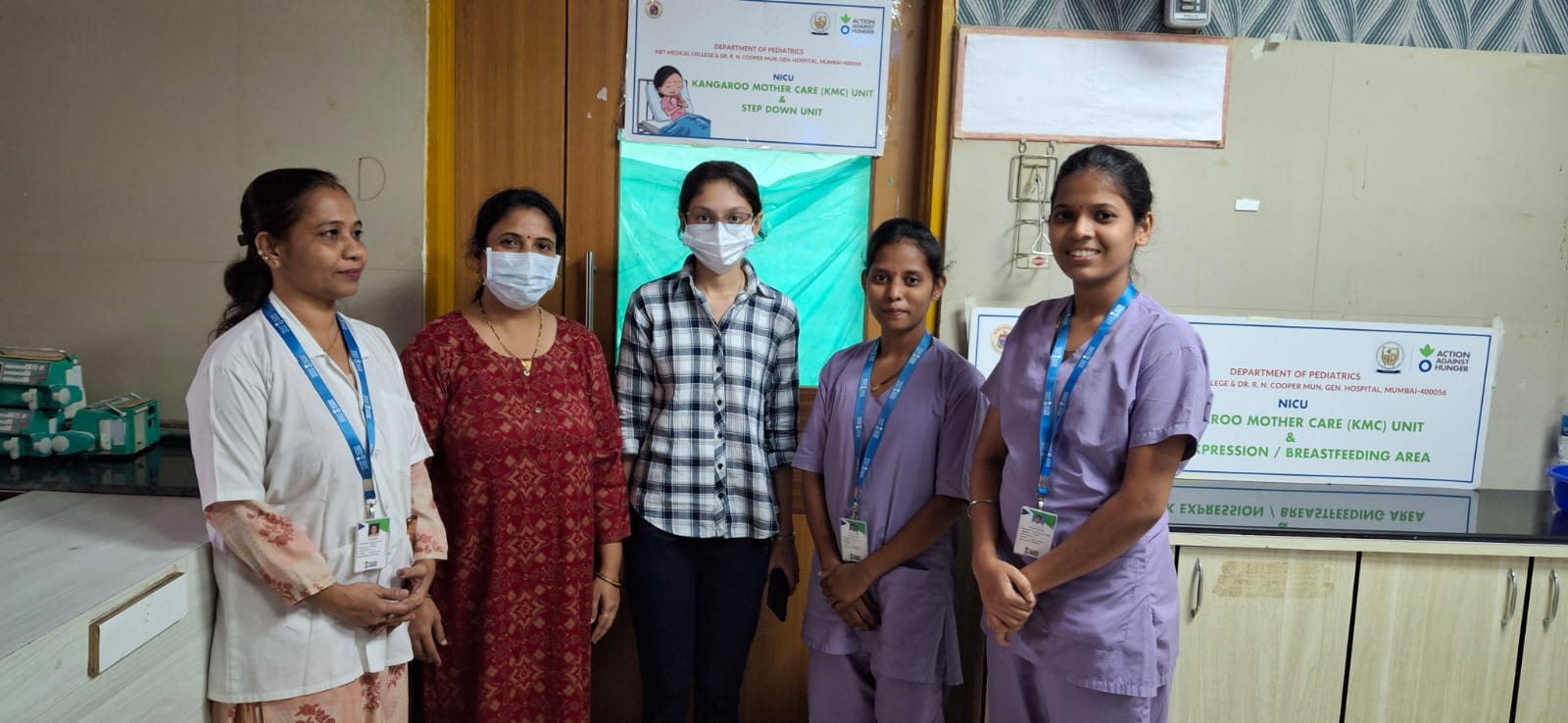
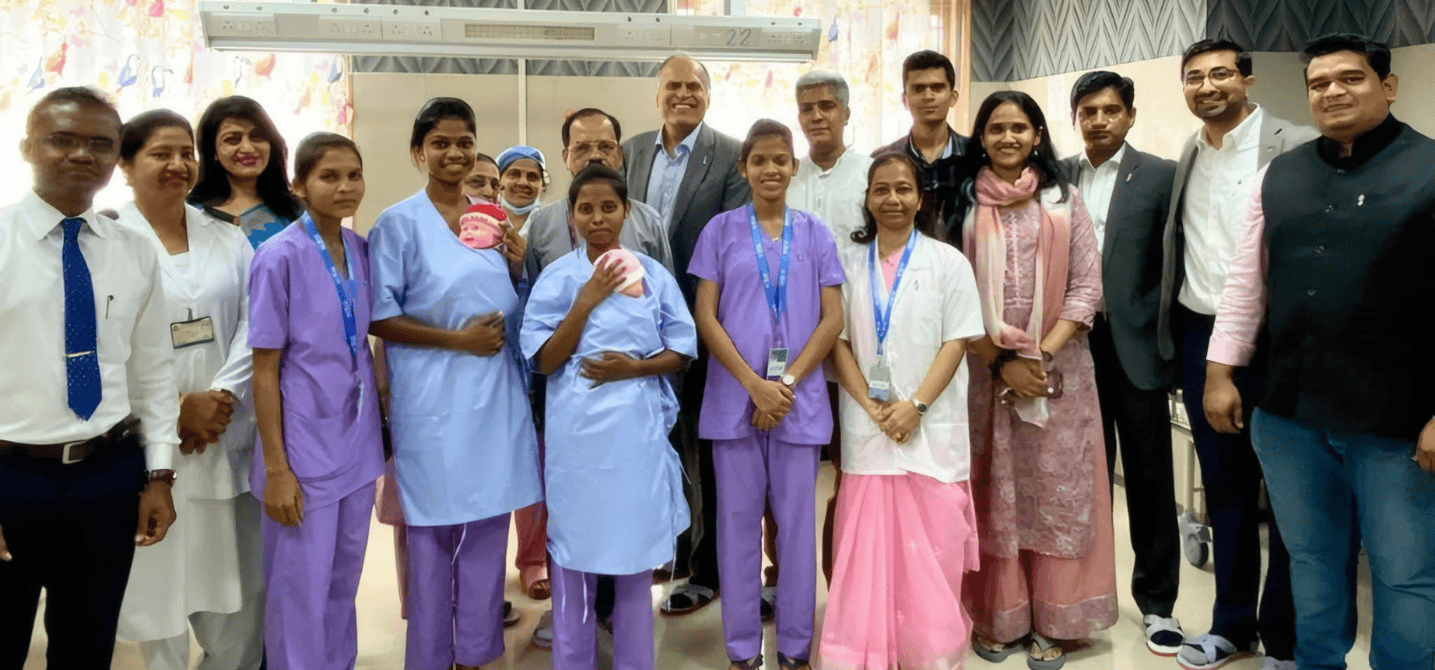
In collaboration with Dr. R. N. Cooper Municipal General Hospital, Mumbai, we have helped integrate KMC into routine newborn care.

  • Dedicated KMC units now provide round-the-clock support for preterm and low birth weight infants
  • Over the past three years, more than 500 babies have benefited from this care, showing improved recovery and steady weight gain
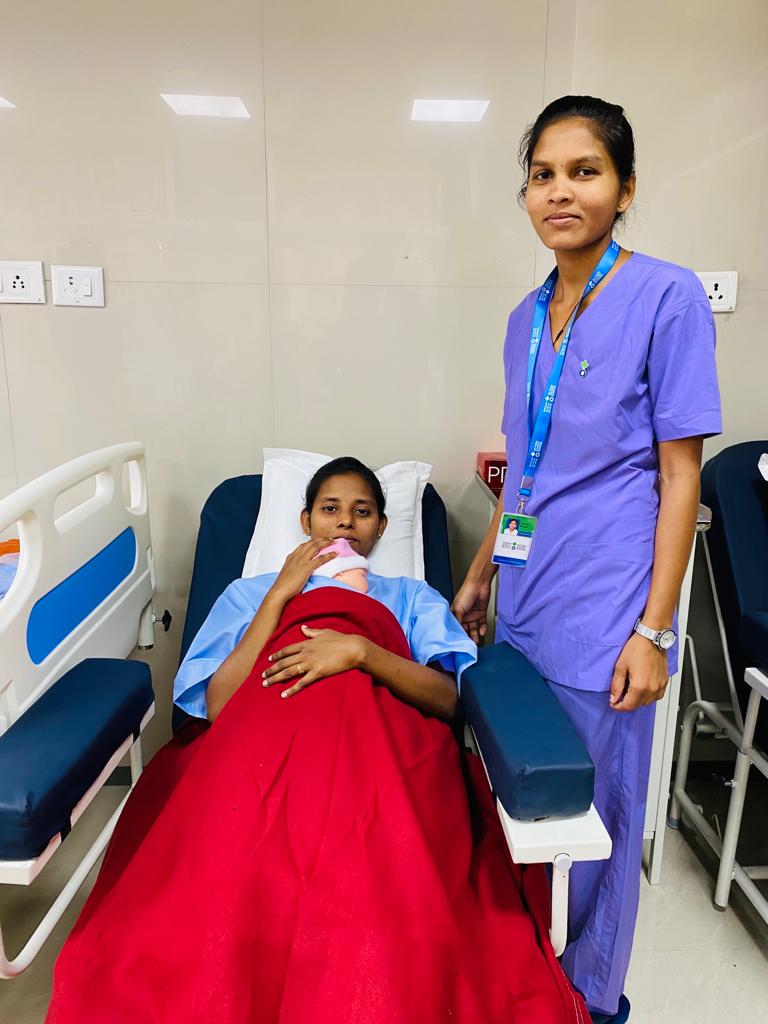
  • Our teams also support mothers and caregivers on-site, ensuring they are confident and comfortable practicing KMC

Care That Continues Beyond Hospital Walls

Our support does not end at discharge. We stay connected with families through follow-up calls and guidance, ensuring that KMC and breastfeeding practices continue safely at home.

We also work at the community level to raise awareness, address barriers, and ensure that families feel supported even beyond healthcare facilities

Is KMC Right for Every Baby?

The initiation of KMC depends on the baby’s condition and birth weight:

  • Under 1200 grams: Requires stabilization in specialized care before starting KMC
  • 1200 to 1800 grams: Can begin after a few days once the baby is stable
  • 1800 to 2500 grams: Can often start soon after birth

Our approach focuses on supporting healthcare providers and families to make informed decisions based on each baby’s needs.

A Simple Touch, A Lifetime of Health

Kangaroo Mother Care reminds us that healthcare is not only about technology, but also about human connection. By enabling parents to play an active role in their baby’s care, we are helping ensure that even the smallest newborns have the strength to grow, recover, and look forward to a healthier future.

Sources

  • Ministry of Health & Family Welfare, Government of India.
    Kangaroo Mother Care (KMC) Resource Material
    KMC PPT Resource
  • World Health Organization.
    Kangaroo Mother Care: A Clinical Practice Guide (2025)
  • World Health Organization.
    Immediate Kangaroo Mother Care and newborn survival evidence
  • National Health Mission, Government of India.
    Operational Guidelines for Kangaroo Mother Care and Optimal Feeding of Low Birth Weight Infants

Impact Story: Unlocking Identity, Enabling Access

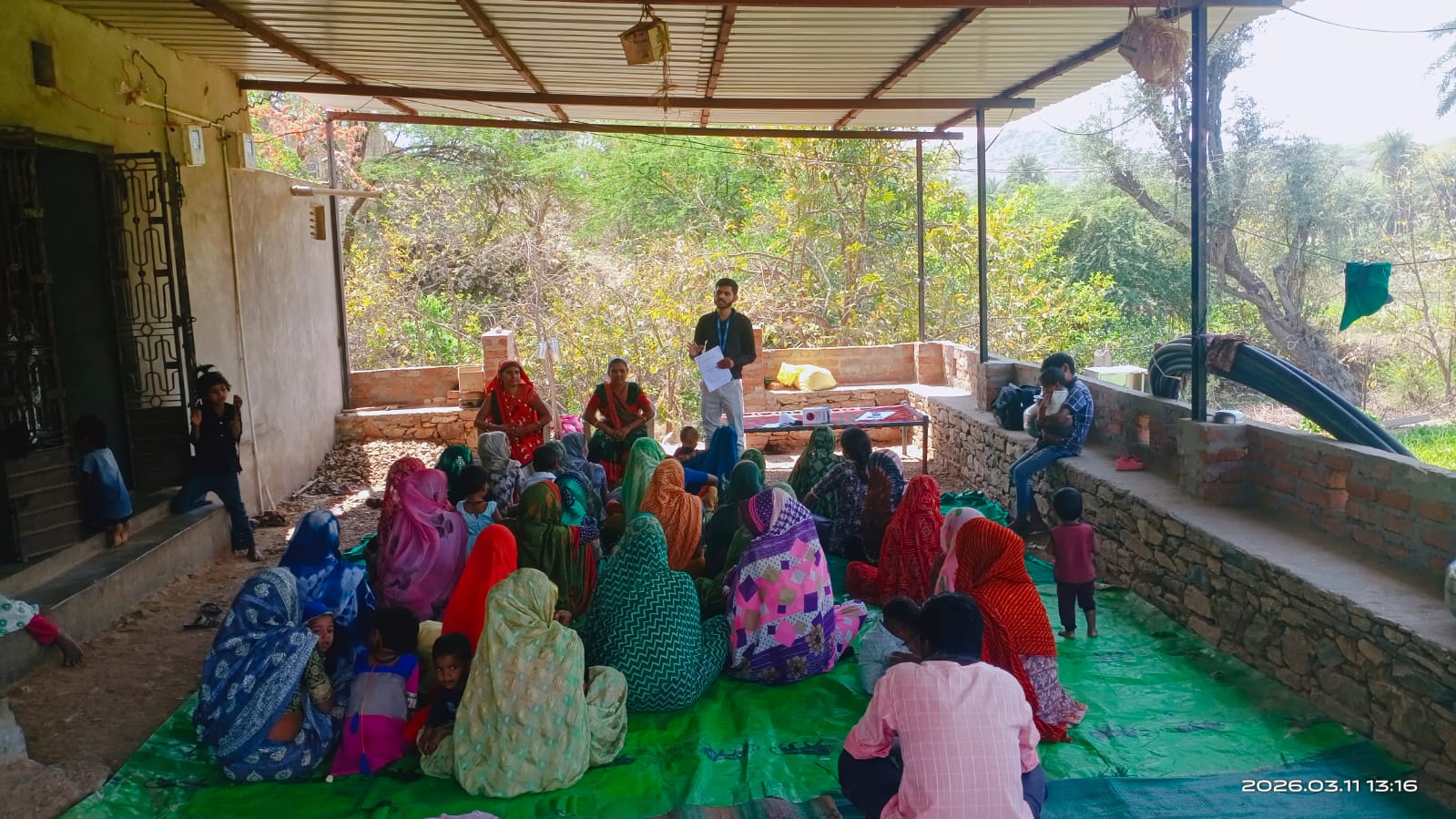
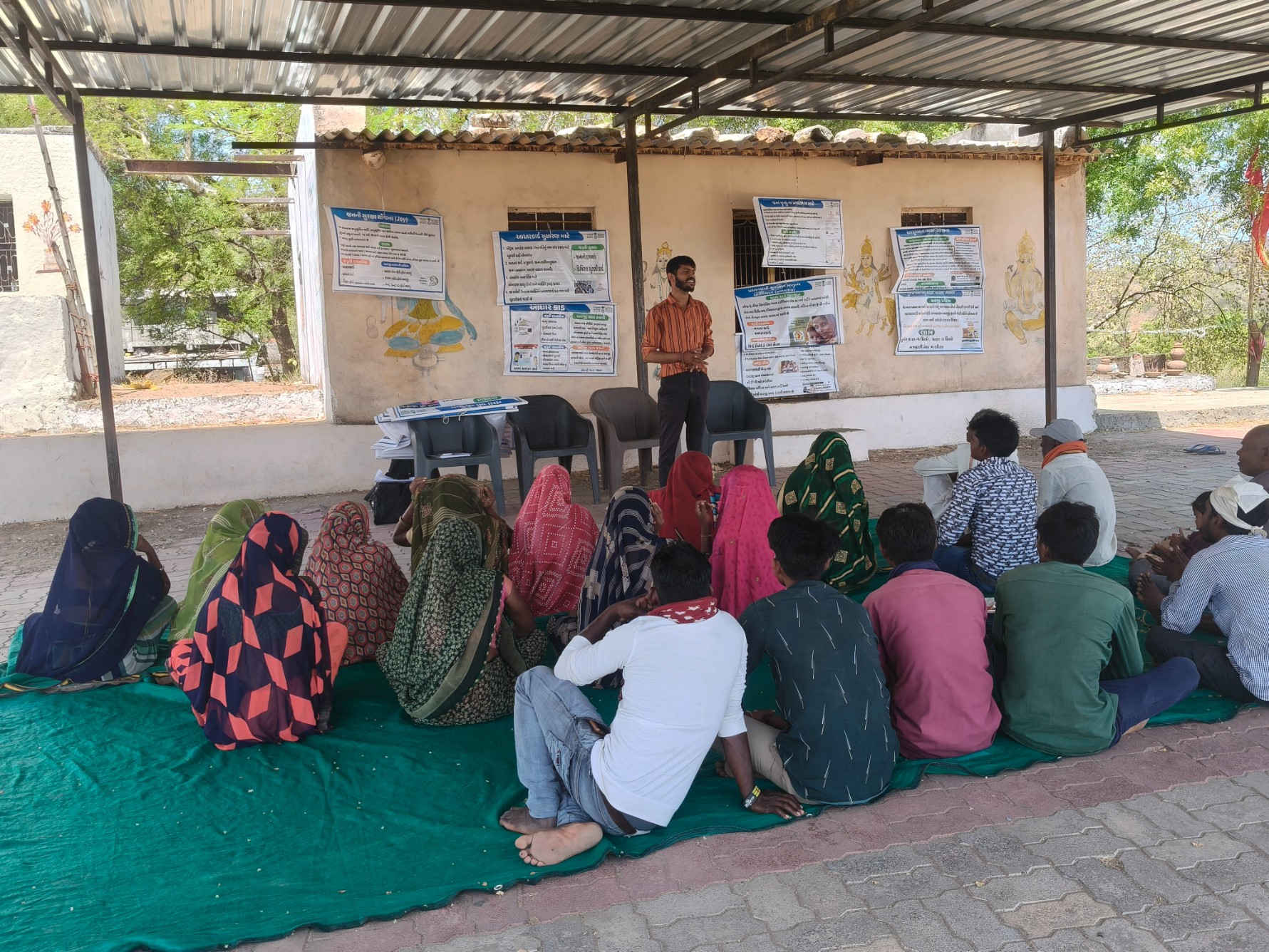
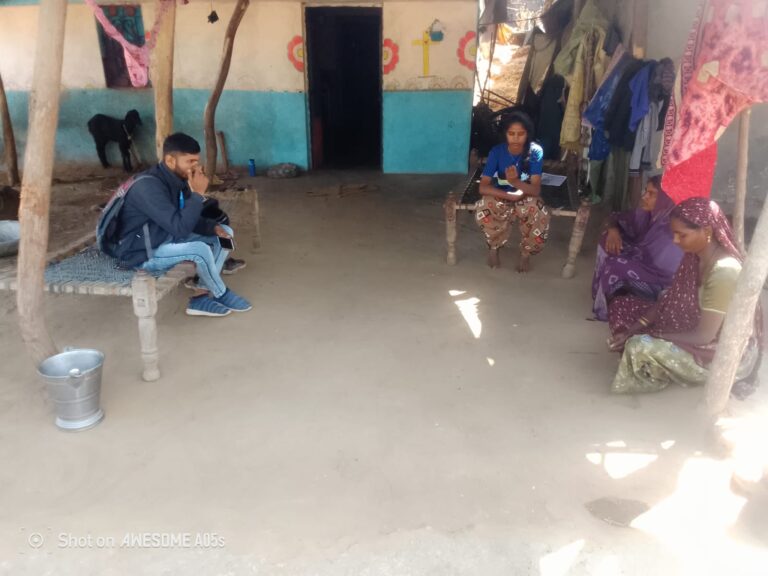
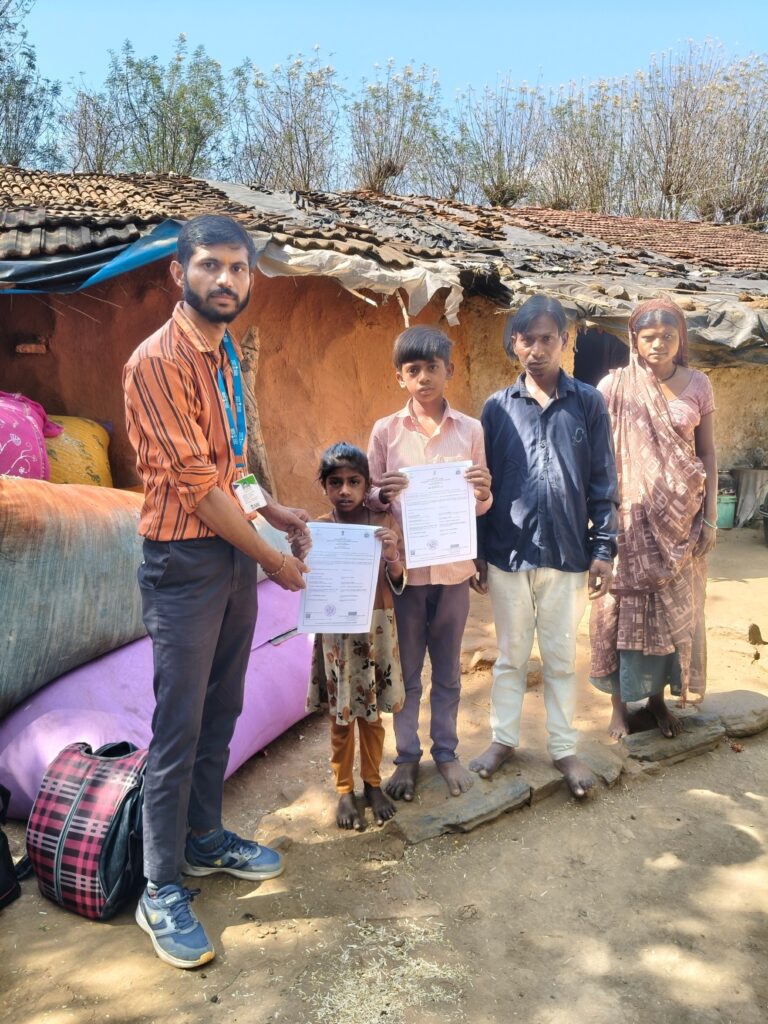
Under the Poshina project of Azim Premji Foundation, the newly introduced Entitlement vertical is helping bridge critical gaps in access to government schemes related to maternal and child health. Through surveys and awareness camps, the initiative identifies barriers that prevent families from availing essential services.

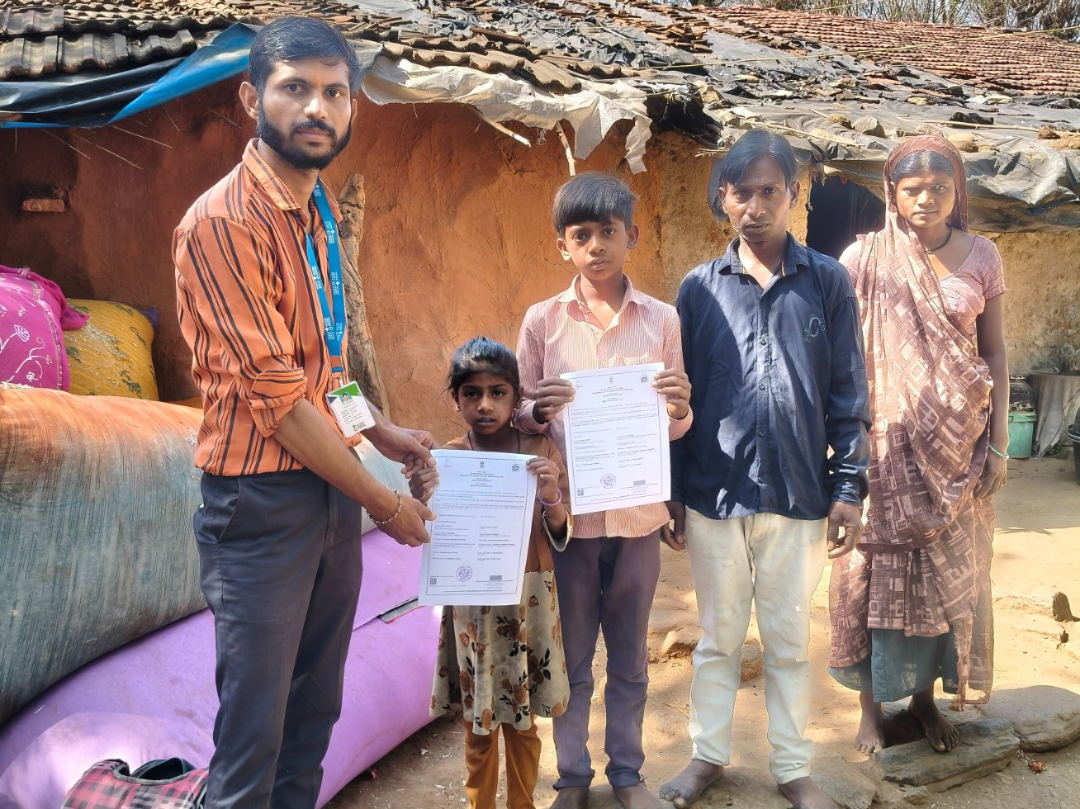
During one such outreach in Dotad village, a mother shared that her two children did not have birth certificates. Due to limited awareness and documentation, the family had been unable to access key entitlements.

Recognising the urgency, Action Against Hunger Foundation Yojana Sahayak – Parth Joshi initiated the process. While delayed registrations typically require a lengthy judicial procedure, the team explored an alternative approach. With support from the local panchayat, records from previous years were carefully reviewed. After hours of effort, the children’s names were successfully traced in the official registers.

This breakthrough enabled a simpler application process, and by the last week of March 2026, both children received their birth certificates.

This small yet significant step not only secured their legal identity but also opened the door to essential health, nutrition, and welfare services, reinforcing how timely support can transform access and opportunity for vulnerable families.

Launch of LIC HFL Sanjeevani Project in Jaisalmer, Rajasthan

Action Against Hunger India is proud to partner with LIC Housing Finance Limited to launch the LIC HFL Sanjeevani Project in the Fatehgarh block of Jaisalmer, Rajasthan.

This initiative is designed as a comprehensive, community-centric programme aimed at improving maternal, child, and adolescent health and nutrition outcomes, while strengthening food security and sustainable livelihoods for last-mile communities.

Key Focus Areas

The LIC HFL Sanjeevani Project adopts a multi-sectoral approach to address the underlying causes of malnutrition and vulnerability:

  • Maternal and Child Nutrition: Promoting improved nutrition practices across the first 1,000 days, along with better access to antenatal and postnatal care
  • Adolescent Health: Building awareness on nutrition, hygiene, and overall well-being among adolescents
  • Community Systems Strengthening: Enhancing the capacity of frontline workers and caregivers to drive sustained behaviour change
  • Food Security and Livelihoods: Supporting vulnerable households with improved access to nutritious food and income-generating opportunities

Strengthening Anganwadi Infrastructure

A key component of the project includes the refurbishment of 30 Anganwadi Centres in the Fatehgarh block. These upgraded centres will provide:

  • Safe, child-friendly, and hygienic environments
  • Improved access to early childhood care and nutrition services
  • Spaces for community engagement and awareness generation

Towards Sustainable Impact

The LIC HFL Sanjeevani Project aims to create long-term, sustainable improvements in health and nutrition outcomes by integrating infrastructure support, community engagement, and system strengthening.

Together with LIC Housing Finance Limited, Action Against Hunger India remains committed to enabling healthier futures for women, children, and adolescents in underserved communities.

500 Preterm Babies Supported Through KMC in 3 Years

A Three-Year Milestone in Newborn Care: 500 Babies Supported Through KMC

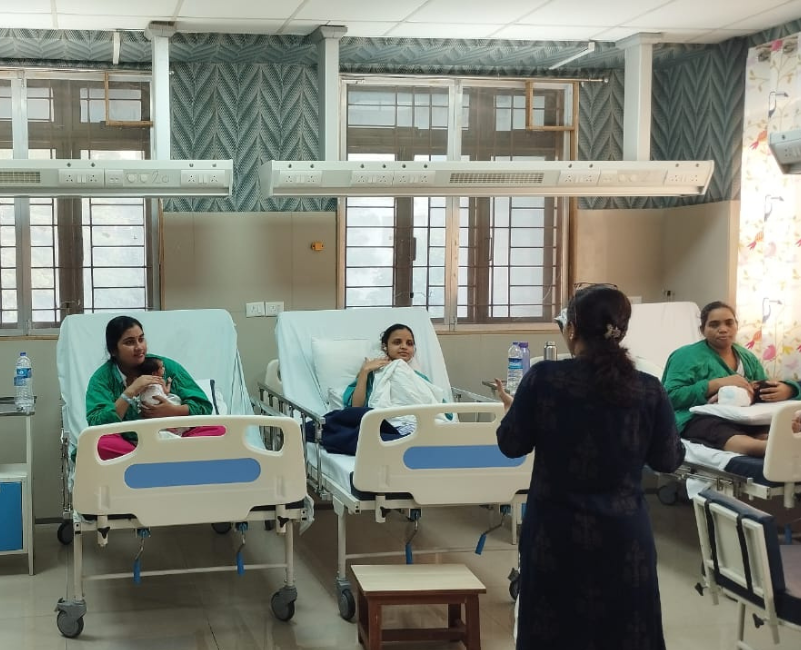
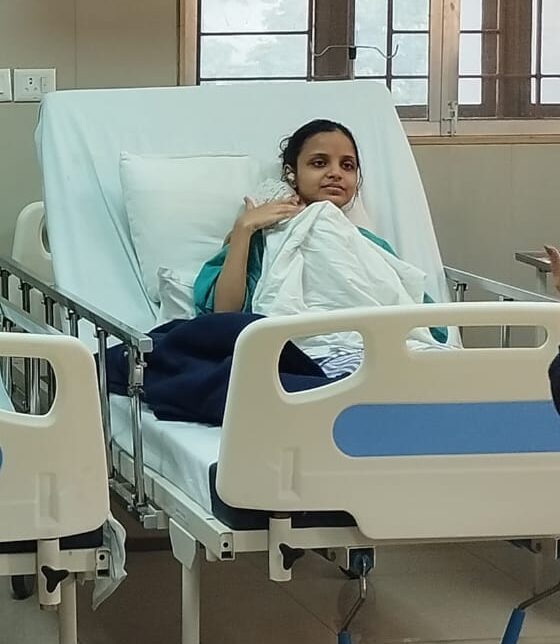
A Kangaroo Mother Care (KMC) Unit was established in March 2023 in collaboration of the Pediatrics Department of Dr. R. N. Cooper Hospital, Ville Parle (Mumbai). The unit provides care to stable low birth weight, preterm, and premature babies weighing below 2.5 kg, referred from the Neonatal ICU in the hospital.
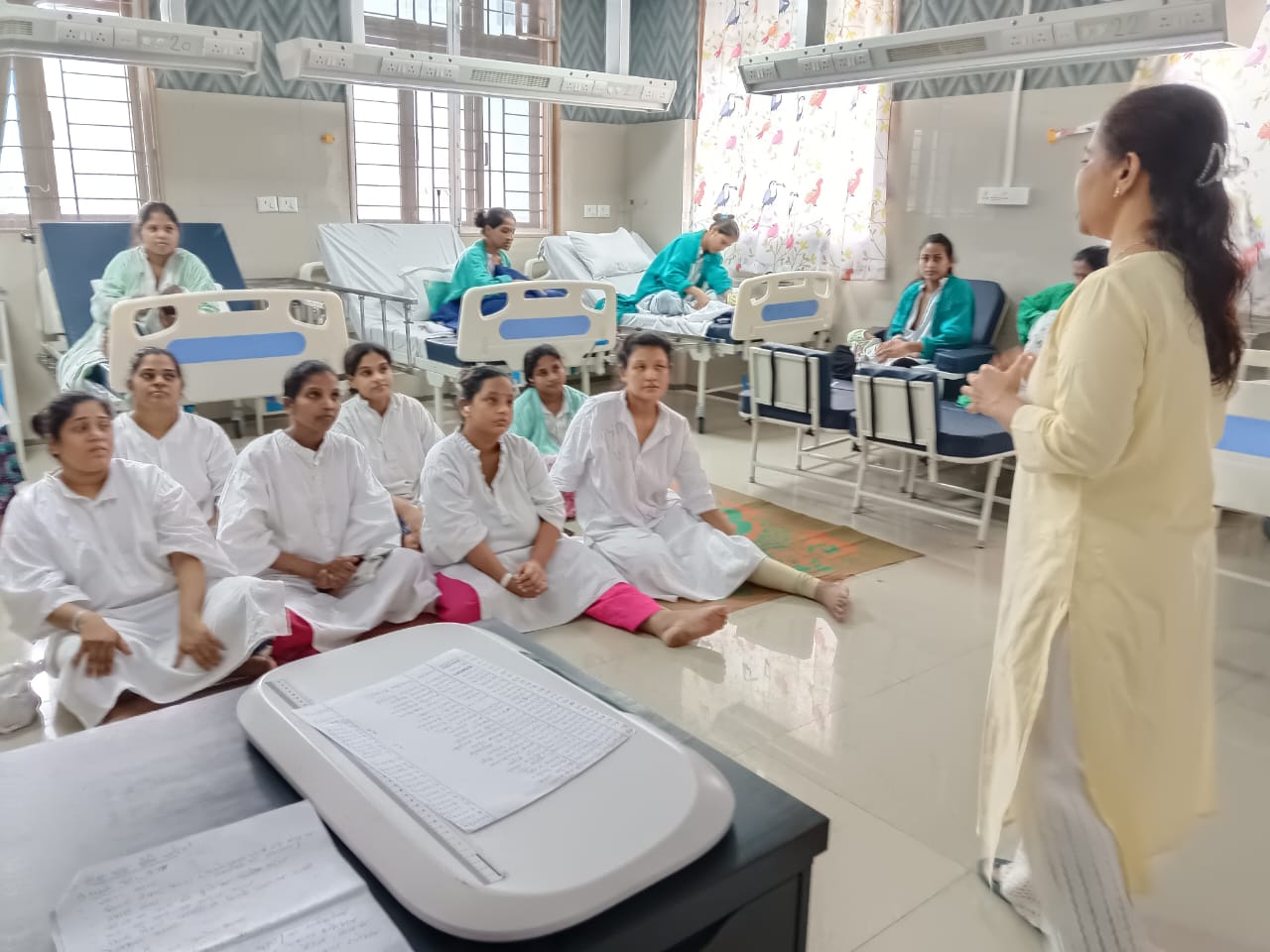
From April 2023 to December 2025, a meaningful and impactful initiative of KMC unit has successfully cared for and discharged over 500 babies. Mothers stay with their babies in the unit and receive structured training on KMC positioning, breastfeeding techniques, feeding holds, hygiene practices, recognition of danger signs, basic newborn care and postnatal care.
Kangaroo Mother Care is a proven, evidence-based, low-cost intervention that significantly improves survival, growth, and developmental outcomes of preterm and low-birth-weight infants. Continuous skin-to-skin contact helps maintain thermal stability, improves breastfeeding rates, enhances weight gain, reduces the risk of infections and promotes early bonding between mother and child. KMC has also been shown to decrease episodes of apnea, hypothermia and hospital readmissions, leading to better overall neonatal outcomes.

On average, babies spend 9.5 days in the KMC unit, with a mean daily KMC duration of 4 hours 50 minutes. During their stay, babies demonstrated a consistent average daily weight gain of 17.9 grams, with an overall average weight gain of 110.4 grams, indicating positive growth and recovery. Post-discharge, mothers are supported through telephonic follow-up for one month to encourage continuation of KMC and breastfeeding at home. Mothers reporting concerns such as fever or loose motions are promptly advised to seek medical care.

Importantly, KMC is a low-cost, low-technology and sustainable intervention, making it highly suitable for resource-constrained settings. It reduces the need for incubators; prolonged NICU stays and expensive medical interventions while empowering mothers to actively participate in their baby’s care. By promoting exclusive breastfeeding and early discharge with continued follow-up, KMC reduces healthcare costs for both families and health systems, while ensuring quality newborn care.

Beyond clinical benefits, KMC strengthens mother–infant bonding, improves maternal confidence and mental well-being, and empowers families to actively participate in newborn care. It also helps in enhancing the health, growth, and survival of preterm and low-birth-weight infants.

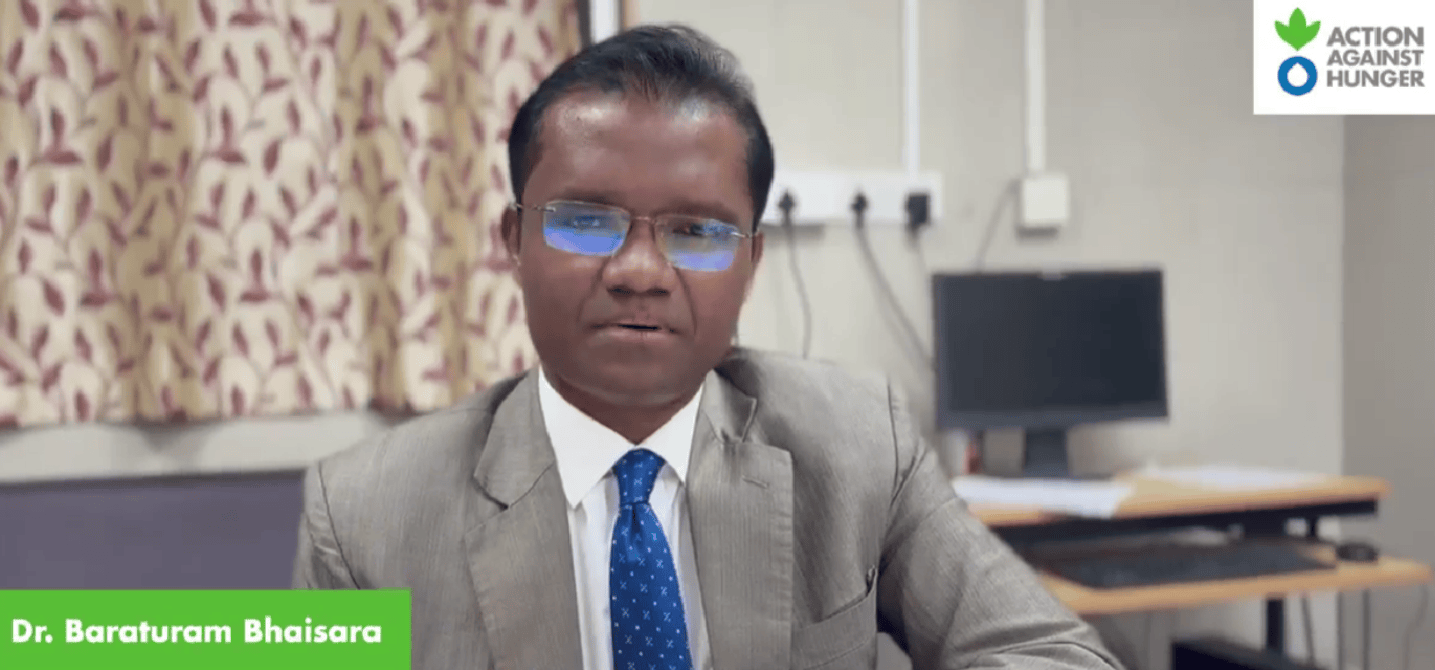
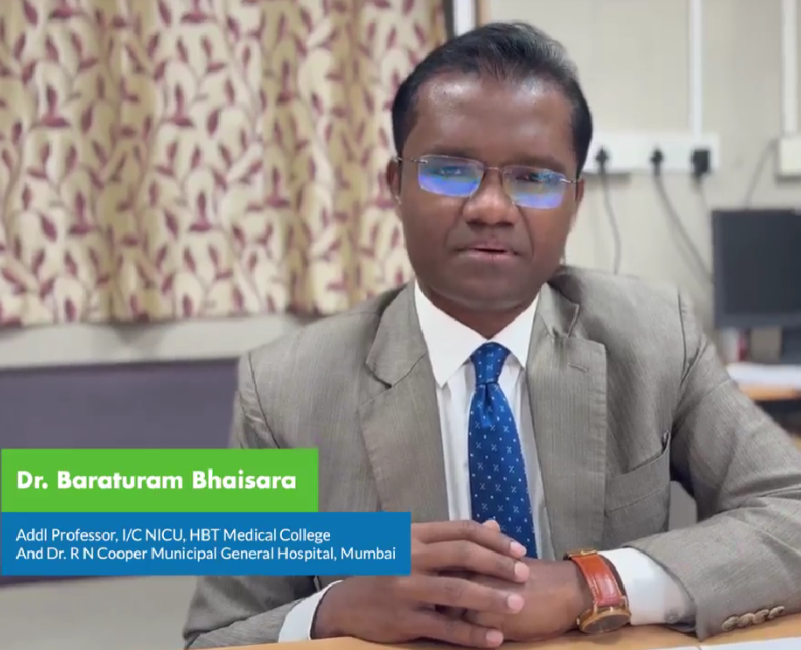
Prioritizing Newborn Safety: Key Insights from Dr. Baraturam Bhaisara

Mission Shunya in Palghar: Advancing a Malnutrition and Anemia-Free Future

Mission Shunya is a comprehensive initiative aimed at eliminating malnutrition and anemia among vulnerable population groups by intervening at critical stages of life—adolescence, pregnancy, infancy, and early childhood. By addressing nutrition across the life cycle, the project seeks to break the intergenerational cycle of malnutrition through timely prevention, early identification, and effective treatment of undernutrition and anemia. At its core, Mission Shunya focuses on building a strong continuum of care that improves maternal and child health outcomes and strengthens long-term community resilience.

Programme Geography and Reach

The project is being implemented in the Jawhar block of Palghar district, Maharashtra—one of the region’s most underserved and nutritionally vulnerable areas. Interventions will be carried out across 152 Anganwadi Centres, covering 49 villages and 27 Gram Panchayats. Aligned with national nutrition priorities, the programme adopts community-based strategies to ensure sustainable and scalable impact. Through direct and indirect interventions, Mission Shunya is expected to reach over 64,000 beneficiaries, including adolescents, pregnant women, infants, young children, and caregivers.

Strengthening Adolescent Nutrition

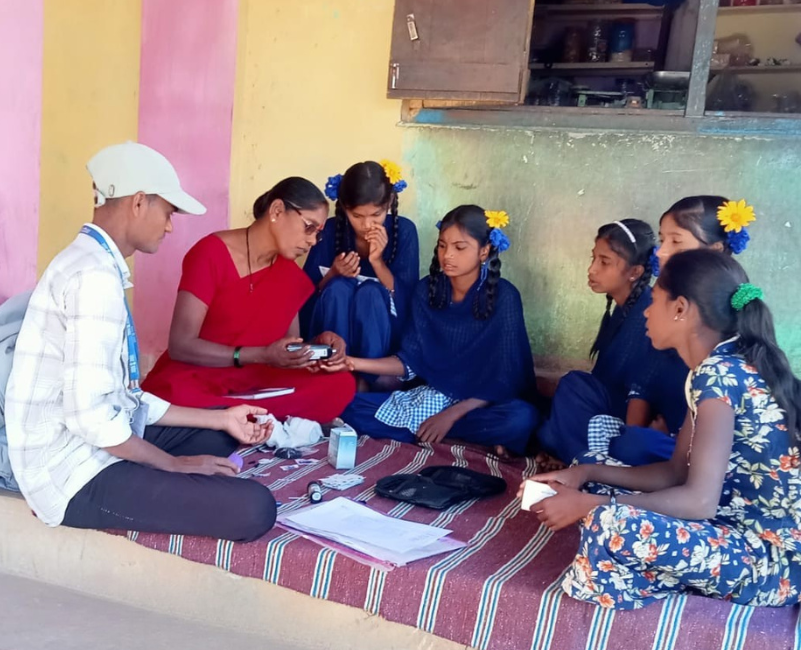
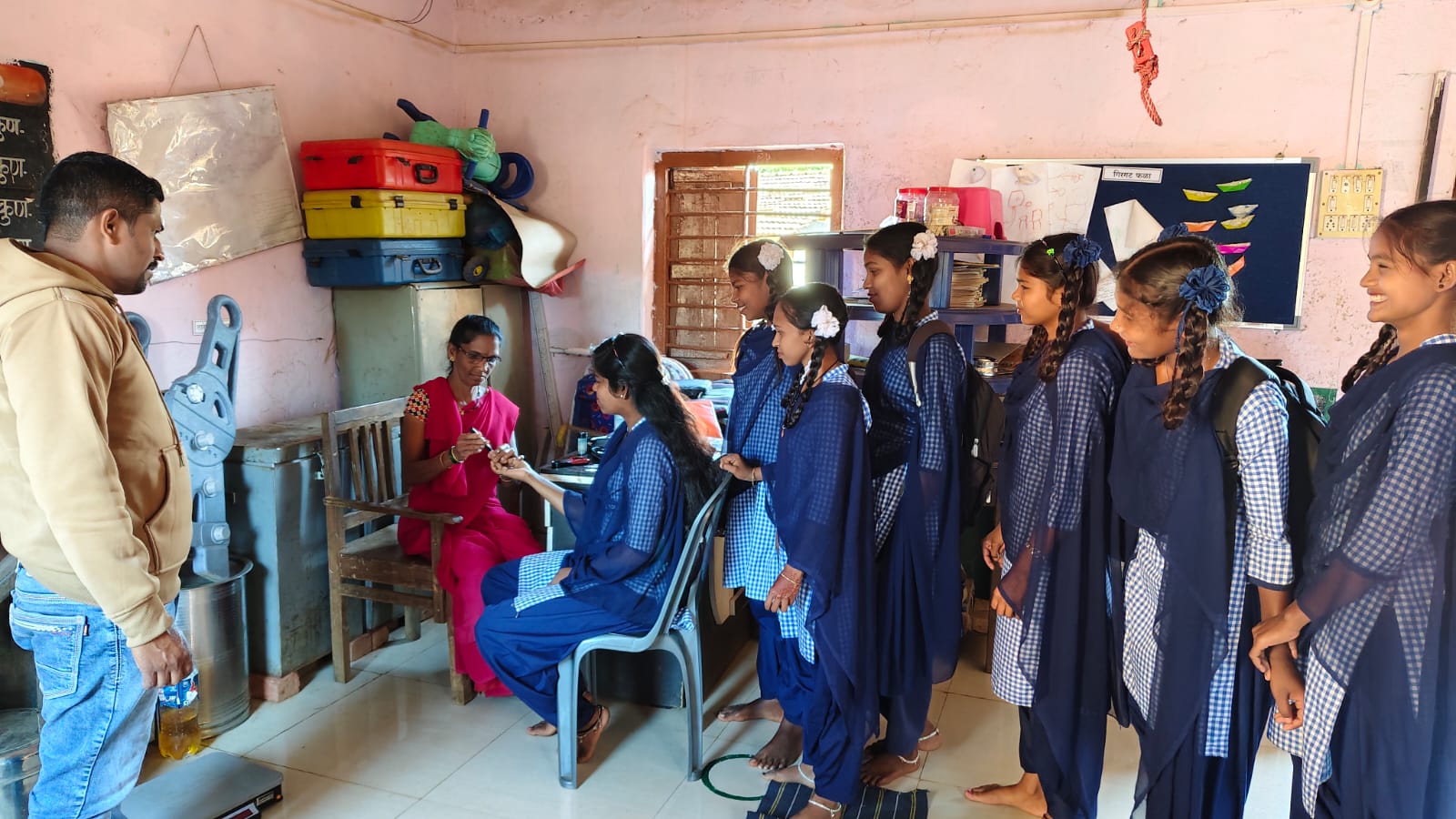
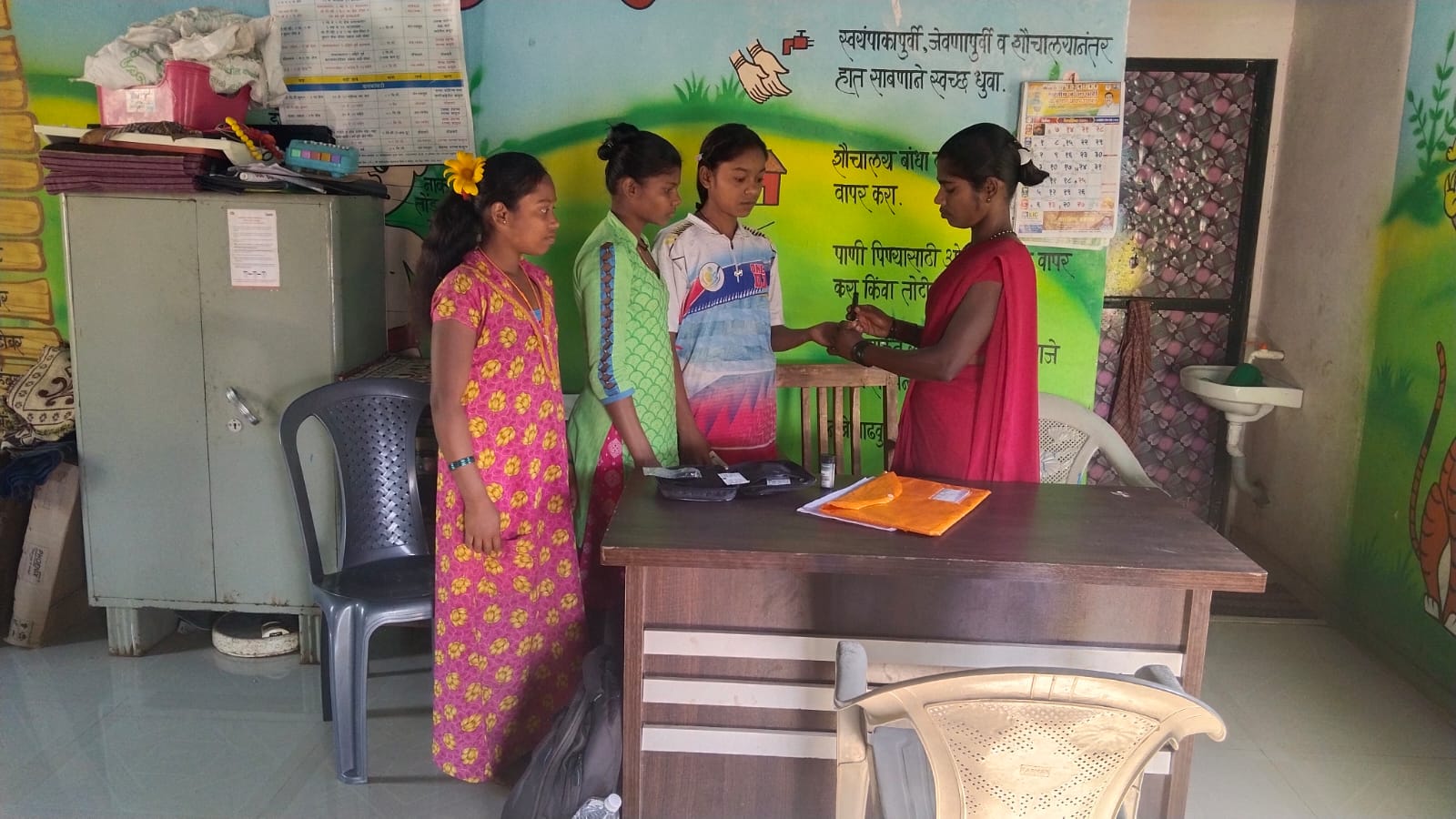
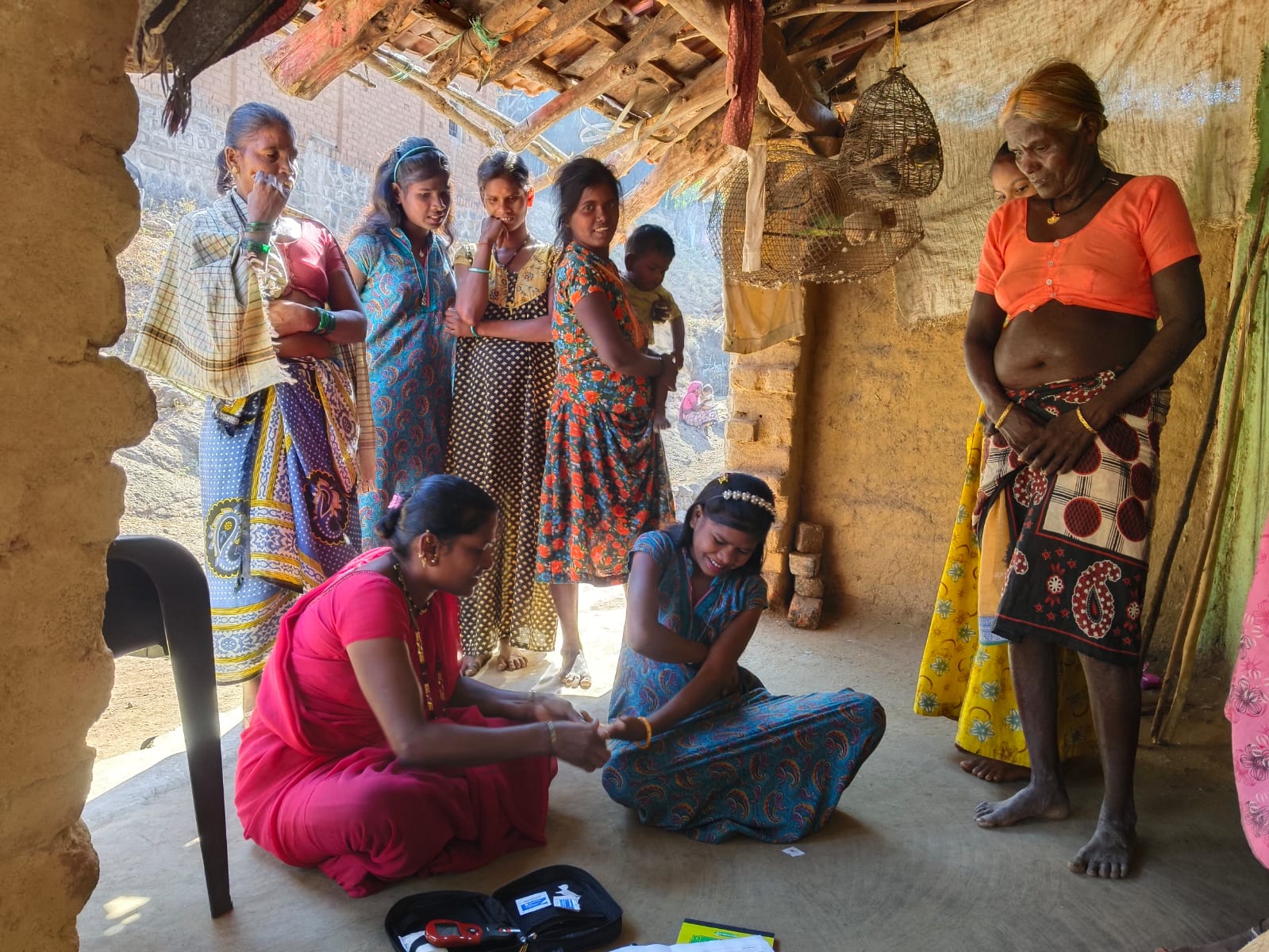
Mission Shunya places a strong emphasis on adolescents, particularly girls aged 15–19 years, recognising that poor nutrition and anemia during adolescence can adversely affect future reproductive health and pregnancy outcomes. The programme facilitates large-scale screening to identify anemia and low Body Mass Index (BMI) among adolescent girls. Identified cases are supported through iron and folic acid (IFA) supplementation, deworming, and personalised nutrition counselling focused on iron-rich and balanced diets. These efforts are reinforced through awareness sessions on menstrual hygiene and improved access to adolescent-friendly health services, empowering girls with the knowledge and resources needed to transition into healthy adulthood and motherhood.

Improving Maternal Nutrition and Pregnancy Outcomes

During pregnancy, Mission Shunya focuses on early screening and management of anemia and nutritional deficiencies among pregnant women. The programme provides targeted interventions such as supplementation, dietary guidance, and counselling to improve BMI, overall health, and pregnancy outcomes. Women identified with anemia or low BMI receive additional support and follow-up care to reduce risks associated with pregnancy, including low birth weight and preterm births. By prioritising maternal nutrition, the initiative reinforces the critical link between a mother’s health and the well-being of her child.

Supporting Infants in the Critical First 1,000 Days

For infants—particularly those identified as low birth weight (LBW) or very low birth weight (VLBW)—Mission Shunya ensures early enrolment into care and provides intensive breastfeeding support. Skilled lactation counsellors offer personalised assistance to establish or re-establish exclusive breastfeeding, a vital intervention to prevent early growth faltering. The programme also addresses maternal psychosocial well-being, recognising its influence on infant feeding practices and nutrition outcomes during the first six months of life.

Addressing Malnutrition in Early Childhood

Mission Shunya further strengthens its life-stage approach by focusing on children under five years of age. Regular screening helps identify cases of Severe Acute Malnutrition (SAM) and Moderate Acute Malnutrition (MAM). Identified children are linked to appropriate therapeutic feeding programmes, referrals, and follow-up care to restore healthy growth and prevent relapse. The initiative adopts community-based management of malnutrition, enabling children to receive care closer to home while actively engaging families through counselling and behaviour change communication.

Creating Lasting, Systemic Change

Through its integrated, life-cycle approach, Mission Shunya addresses not only the visible symptoms of malnutrition but also its underlying systemic causes. By strengthening prevention, early detection, treatment, and community ownership, the programme aspires to create sustainable improvements in nutrition outcomes. Mission Shunya is a step towards building healthier mothers, stronger children, and more resilient communities—laying the foundation for healthier generations to come

The Nutrition Plan to Support Lactating Women on Their Breastfeeding Journey

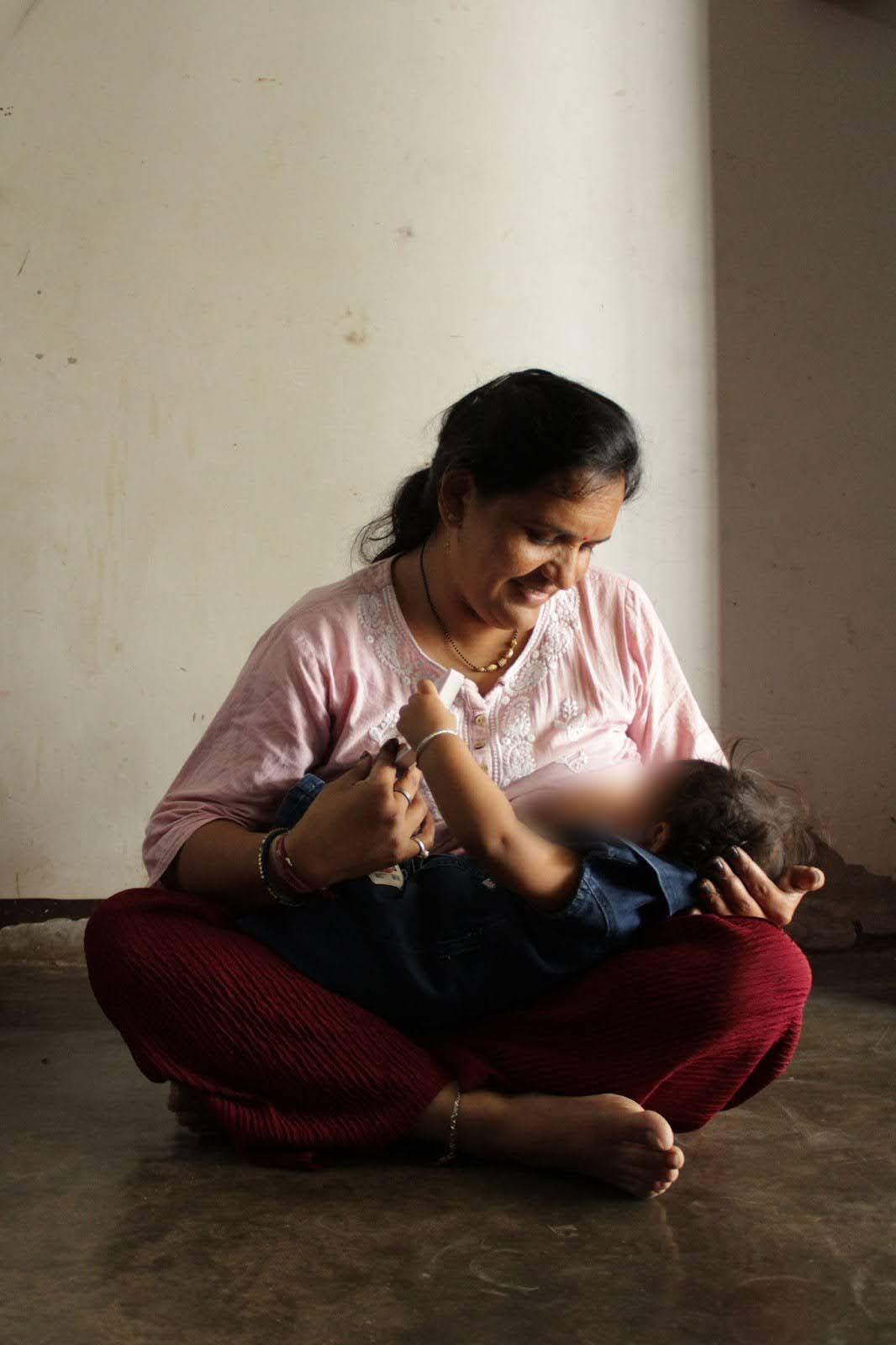
Breastfeeding may seem natural, but it requires extraordinary strength from every mother. Her body works tirelessly to produce the essential nutrition her baby needs to grow and stay healthy.

At Action Against Hunger, we stand beside mothers throughout this beautiful yet demanding phase of life. With the right nutrition and care, they can stay energized, recover better, and continue giving their little ones the very best every day.

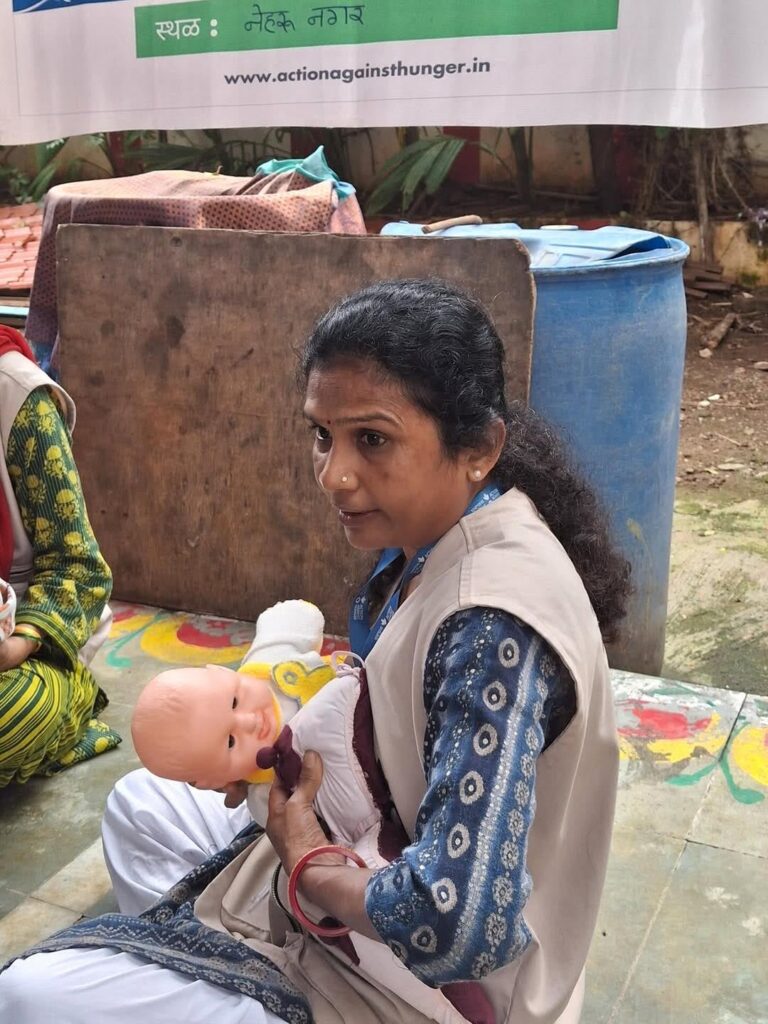
First image

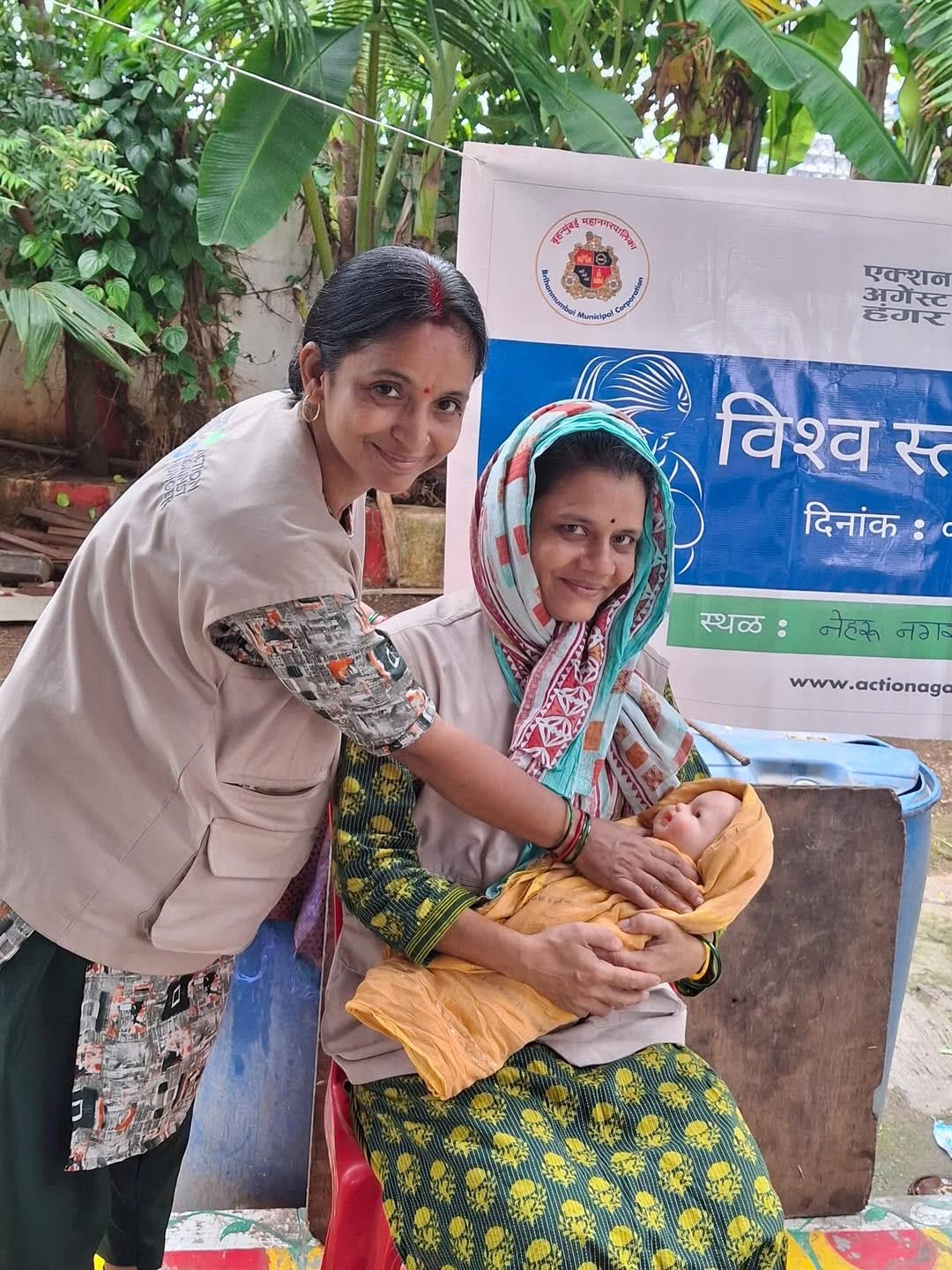
Second image

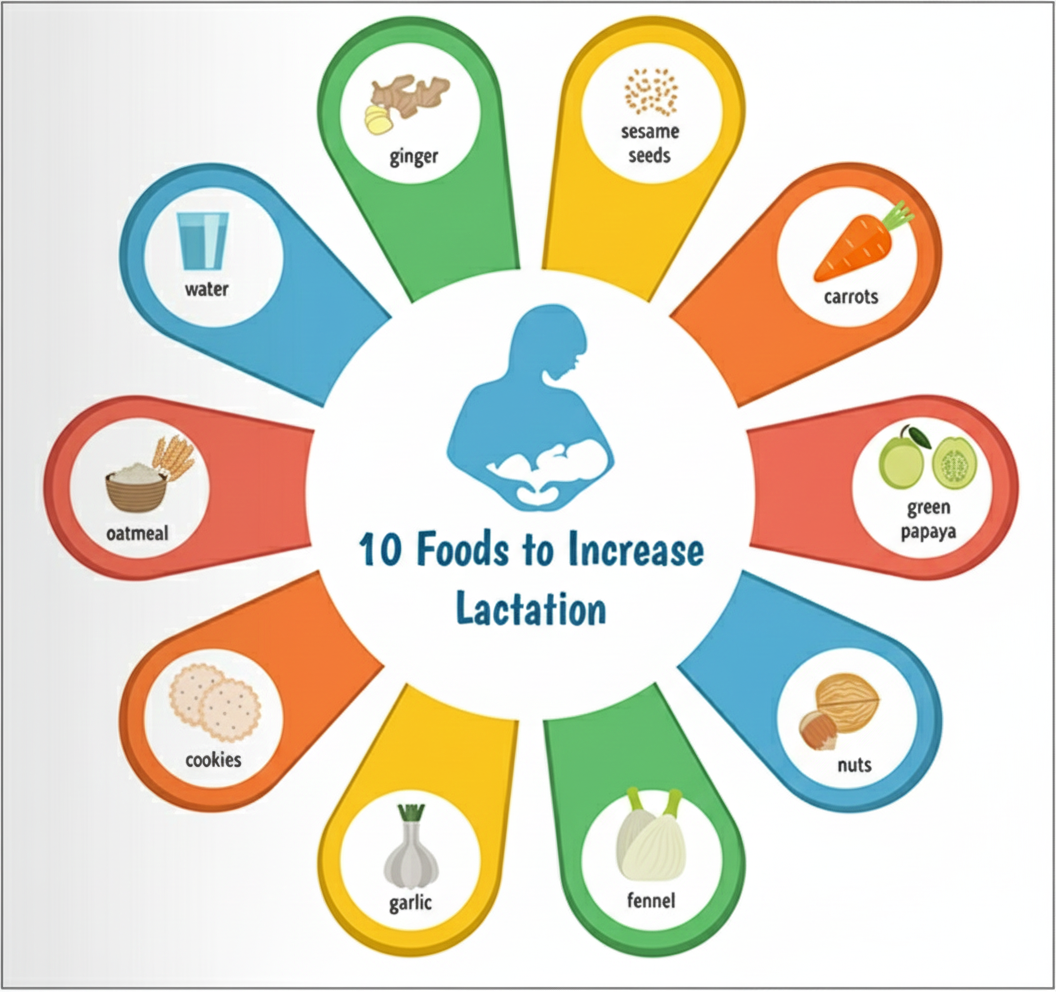
Here’s a simple nutrition guide to help lactating mothers take essential steps toward better nourishment and well-being:

1️⃣ Iron – The Power Behind Energy¹⁻⁴

  • Prevents tiredness, weakness, and anemia
  •  Supports postpartum recovery
    Sources: Dark leafy greens, beans, jaggery, whole grains, eggs, lean meat

2️⃣ Calcium – For Strong Bones (Mother & Baby)¹⁻⁴

  • Helps baby’s bone and teeth development
  • Prevents bone loss in mothers
    Sources: Milk, curd, paneer, ragi, sesame seeds, almonds, broccoli

3️⃣ Protein – Fuels Milk Production³⁻⁵

  • Repairs tissues and builds muscles
  • Supports mother’s strength and baby’s growth
    Sources: Lentils, legumes, eggs, fish, chicken, soy, peanuts, dairy products

4️⃣ Healthy Fats – Brain & Nervous System Development⁴⁻⁷

  • Supports brain and vision development
    Sources: Nuts, seeds, avocados, vegetable oils, fatty fish

5️⃣ Vitamin A – Immunity & Vision¹⁻⁵

  • Strengthens the baby’s immune system
  • Protects maternal eye health
    Sources: Carrots, pumpkin, sweet potato, spinach, milk, mango

6️⃣ Vitamin D – Helps Absorb Calcium²⁻⁵

  • Supports bone strength and immunity
    Sources: Morning sunlight, fortified milk, eggs

7️⃣ Folic Acid – Cell Growth & Blood Health¹⁻⁴

  • Essential for new cell formation
  • Helps prevent nutrient deficiencies
    Sources: Green leafy vegetables, legumes, citrus fruits

8️⃣ Fluids – The Key to Milk Flow¹⁻⁷

  • Boosts milk production
  • Prevents dehydration
    Best choices: Water, coconut water, buttermilk, fresh juices, soups
    ⚠ Avoid packaged sugary drinks

Daily Diet Chart for Breastfeeding Mothers

This plan focuses on frequent, nutrient-dense meals to support energy, recovery, and milk production, incorporating the essential nutrients discussed in the blog.

TimeMealRecommended FoodsKey Nutrients Addressed
Early Morning (6:00 AM – 7:00 AM)Drink + Light Meal
  • Warm water with soaked fenugreek seeds or cumin water (Hydration/Digestion).
  • A bowl of oats porridge topped with almonds and walnuts (Protein, Healthy Fats).
  • 1 boiled egg or sprouted moong dal salad (Protein, Iron).
Fluids, Protein, Healthy Fats, Iron
Breakfast (8:00 AM – 9:00 AM)Main Meal
  • 2 multigrain parathas with a dollop of ghee and curd (Calcium, Protein, Healthy Fats).
  • Vegetable sabzi (methi, spinach, or dill) (Iron, Vitamin A, Folic Acid).
  • A glass of fresh orange or pomegranate juice (Vitamin C, Folic Acid).
Iron, Calcium, Protein, Vitamin A
Mid-Morning Snack (11:00 AM)Light Snack
  • A glass of fresh carrot and beetroot juice (Vitamin A, Folic Acid).
  • A handful of dry fruits (almonds, cashews, or raisins) (Healthy Fats, Iron).
Vitamin A, Folic Acid, Healthy Fats, Iron
Lunch (1:00 PM – 2:00 PM)Main Meal
  • 2-3 whole wheat chapatis with ghee.
  • Green leafy vegetable sabzi (Iron, Vitamin A).
  • A bowl of dal with garlic and cumin (Protein).
  • A small portion of brown rice or quinoa (Fibre, Iron).
  • A cup of curd or buttermilk (Calcium, Fluids).
Protein, Iron, Calcium, Vitamin A, Fluids
Evening Snack (4:00 PM – 5:00 PM)Light Snack
  • Fennel tea or buttermilk with roasted cumin powder (Fluids, Digestion).
  • Roasted makhanas or a small portion of chivda with peanuts (Calcium, Protein, Healthy Fats).
Fluids, Calcium, Protein
Dinner (7:00 PM – 8:00 PM)Dinner Meal
  • Multigrain roti or khichdi with vegetables (carrots, beetroots) (Fibre, Vitamin A).
  • A bowl of dal or lentil soup (Protein).
  • Steamed fish or paneer for protein (Protein, Healthy Fats/Calcium).
Protein, Vitamin A, Healthy Fats
Before Bed (9:00 PM)Night Drink
  • A glass of warm milk with a pinch of turmeric and ghee (Calcium, Healthy Fats, Recovery).
Calcium, Fluids, Healthy Fats

Taking the Next Step

To break this cycle, Action Against Hunger focuses on practical, community-driven solutions that combine infrastructure with education:

While these recommendations lay a strong foundation, each mother’s dietary needs vary. For detailed guidance tailored to your specific dietary needs, we strongly encourage you to consult a healthcare professional.

Your baby deserves the best, and so do you! Start making empowering choices today and seek the expert support you need.

References 

  1. World Health Organization. Infant and young child feeding: Guiding principles for breastfeeding mothers. Geneva: WHO; 2023.
  2. UNICEF India. Maternal nutrition: Ensuring the health of mothers and babies. New Delhi: UNICEF; 2024.
  3. Ministry of Health & Family Welfare. Dietary guidelines for lactating women. Government of India; 2022.
  4. Indian Council of Medical Research (ICMR). Nutrient requirements and recommended dietary allowances for Indians. New Delhi: ICMR; 2020.
  5. National Institutes of Health (NIH). Dietary supplement fact sheets. Bethesda (MD): NIH; 2023.
  6. National Health Service (NHS). Breastfeeding diet recommendations. London: NHS UK; 2023.
  7. American Pregnancy Association. Nutrition for breastfeeding mothers. Texas: APA; 2024.
  8. Surya Hospital. Breast milk increasing foods: Indian diet chart for lactating mothers [blog]. Surya Hospital; 2025.


Prioritizing Newborn Safety: Key Insights from Dr. Baraturam Bhaisara

Rural Health and Hygiene- The Key to India’s Resilient Future

The reality in rural India is often a harsh cycle of illness and undernutrition. People must walk long distances for water, only to find the source contaminated. Children who do not get safe water and proper hygiene are at higher risk of malnutrition, which weakens their immunity and makes them more vulnerable to disease. This constant struggle is fueled by a lack of basic hygiene awareness in the community.

At Action Against Hunger India, we saw this challenge not just as a health crisis, but as an opportunity for profound, sustainable change. Our focus is the powerful synergy of Water, Sanitation, and Hygiene (WASH), the key to building resilient communities and transforming daily struggles into a future of health, nutrition, and hope.

The Unseen Battle: Challenges in Rural India

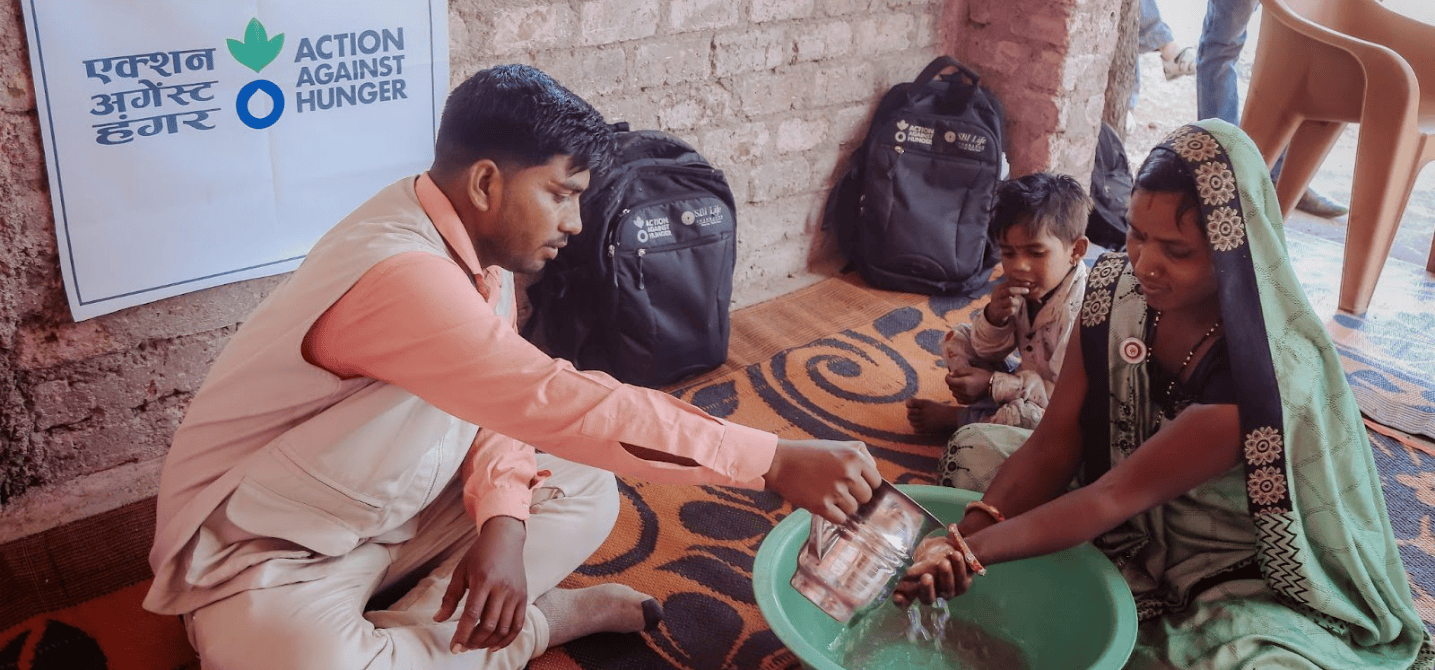
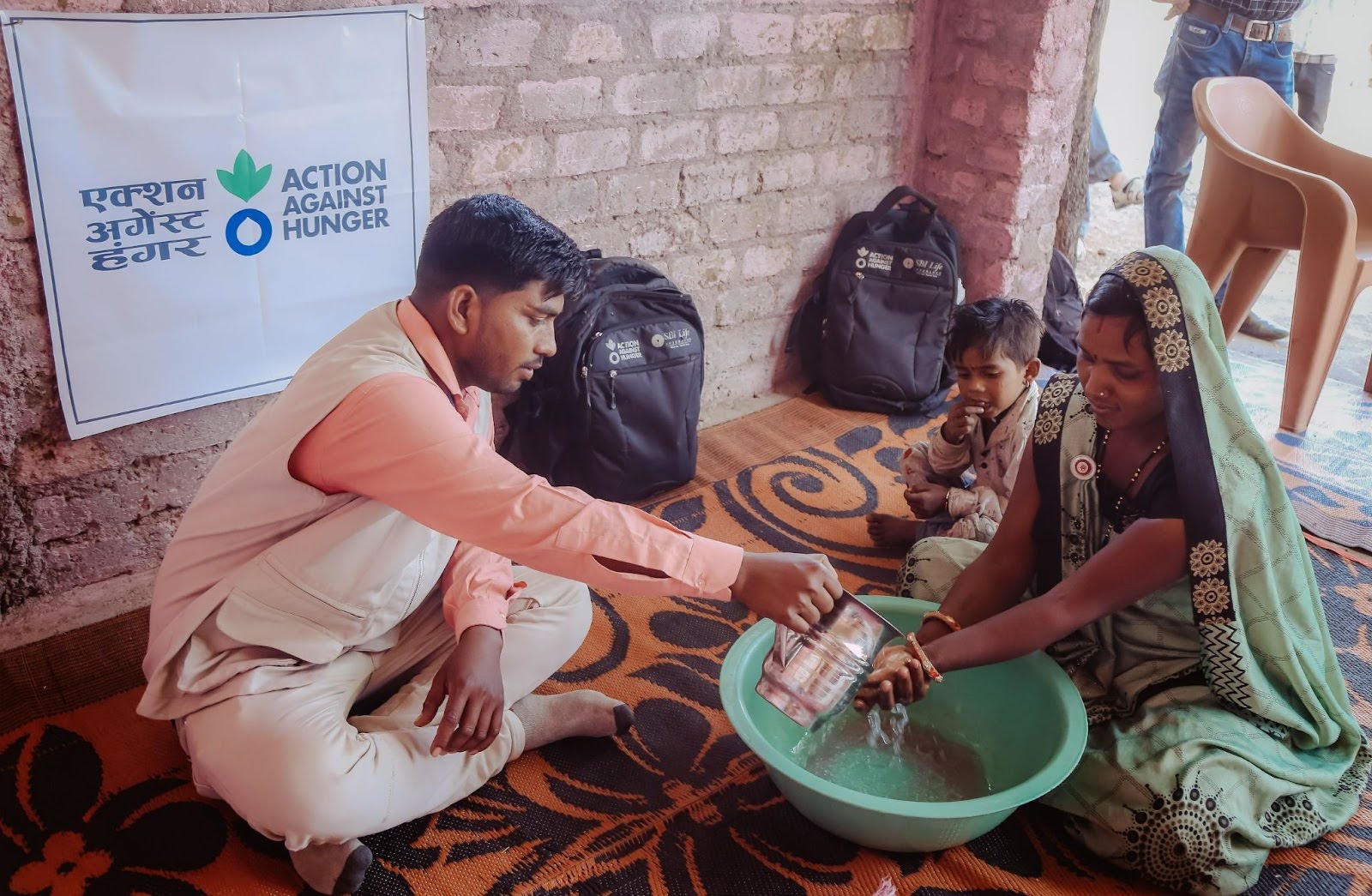
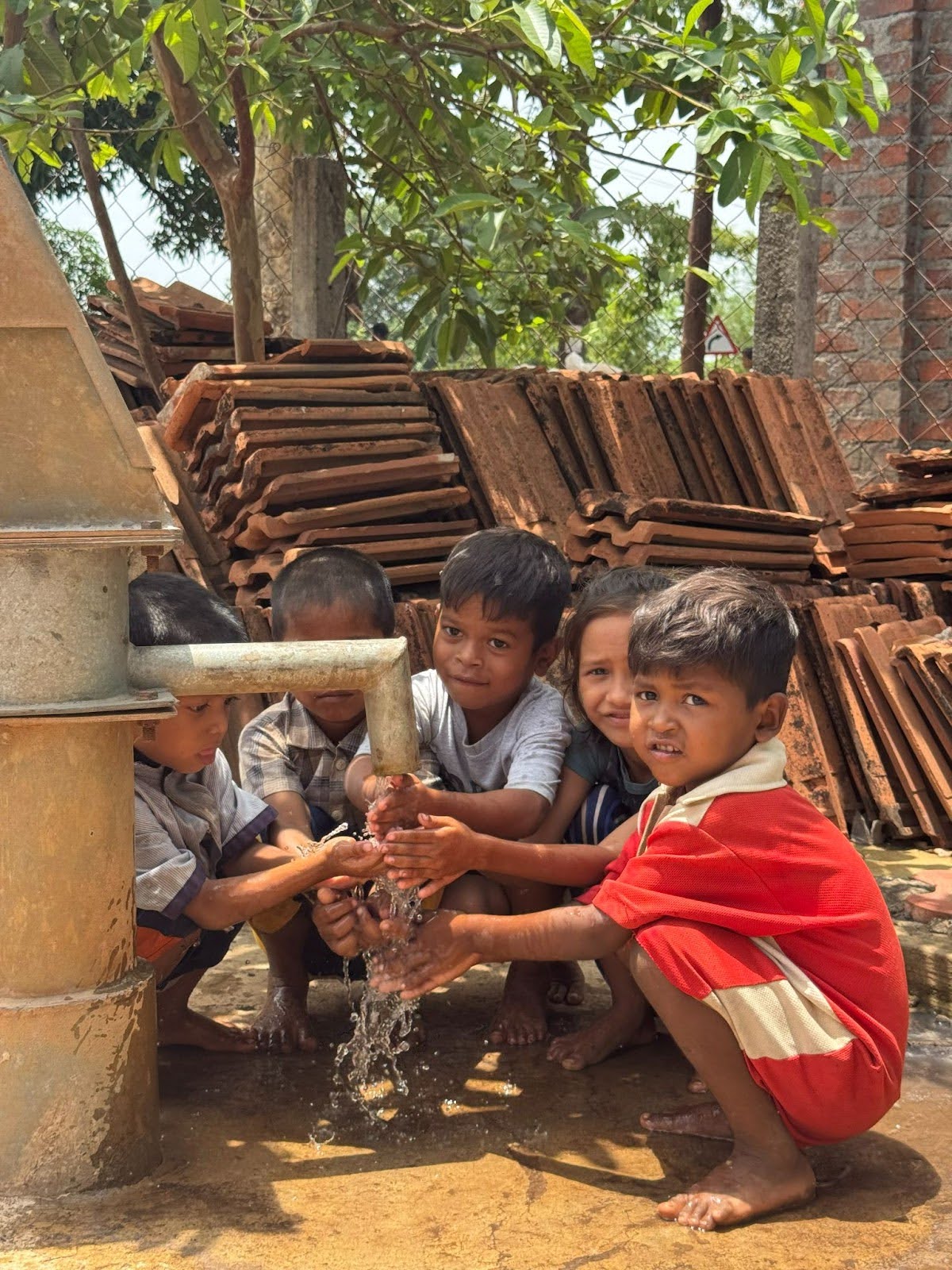
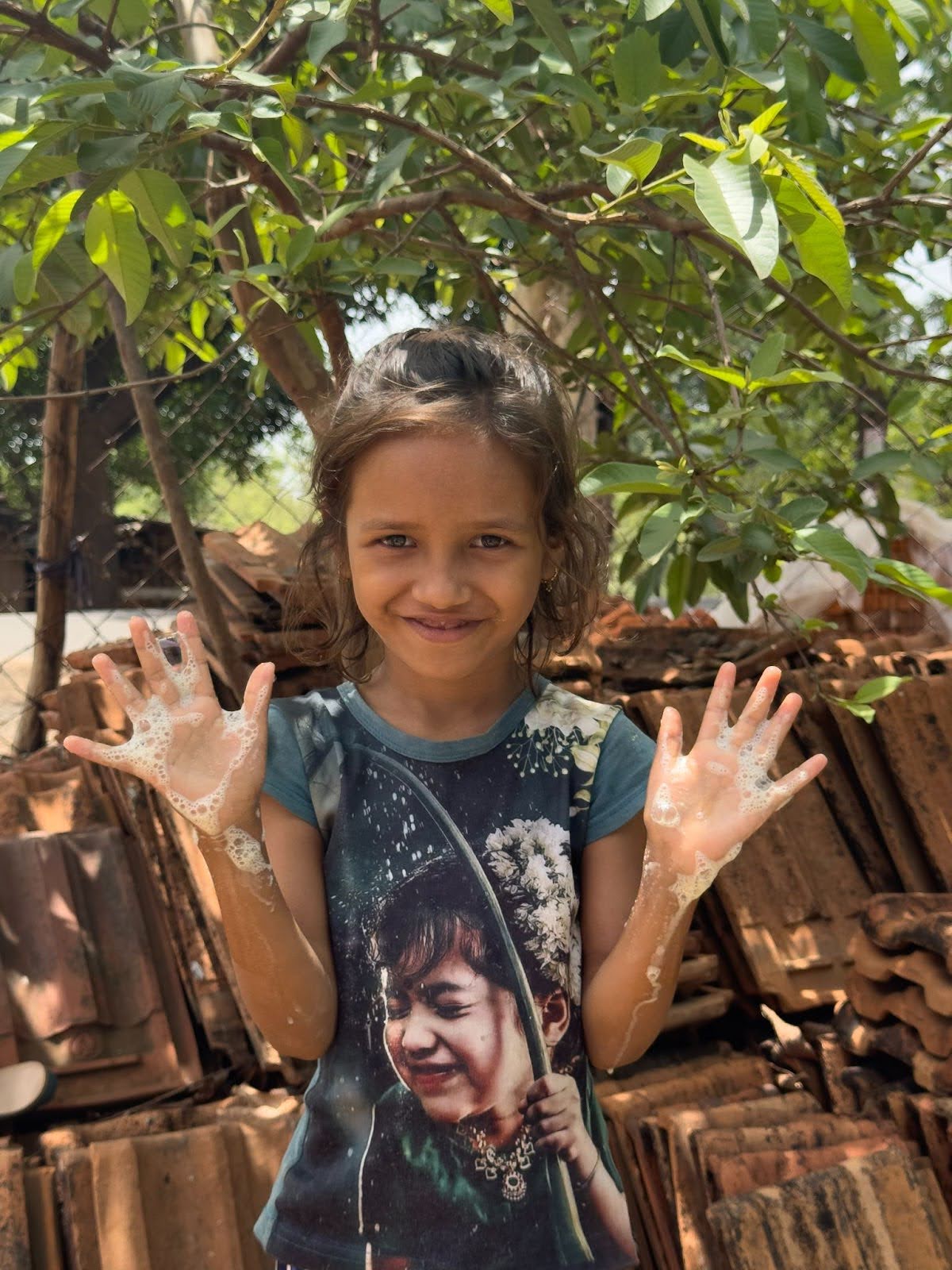
Access to clean water and proper sanitation remains a daily struggle for many rural communities. In several villages, basic hygiene practices are compromised by limited infrastructure, scarce water sources, and inadequate sanitation facilities. For many, even the simple act of washing hands with soap is not easily accessible.

These challenges extend far beyond health, they affect school attendance, especially for young children, and limit opportunities for growth and development. Poor sanitation contributes to preventable diseases, while the lack of awareness around hygiene perpetuates a cycle of vulnerability. For families already facing socio-economic hardships, this unseen battle for cleanliness and dignity becomes an everyday reality.

Turning Challenges into Change

To break this cycle, Action Against Hunger focuses on practical, community-driven solutions that combine infrastructure with education:

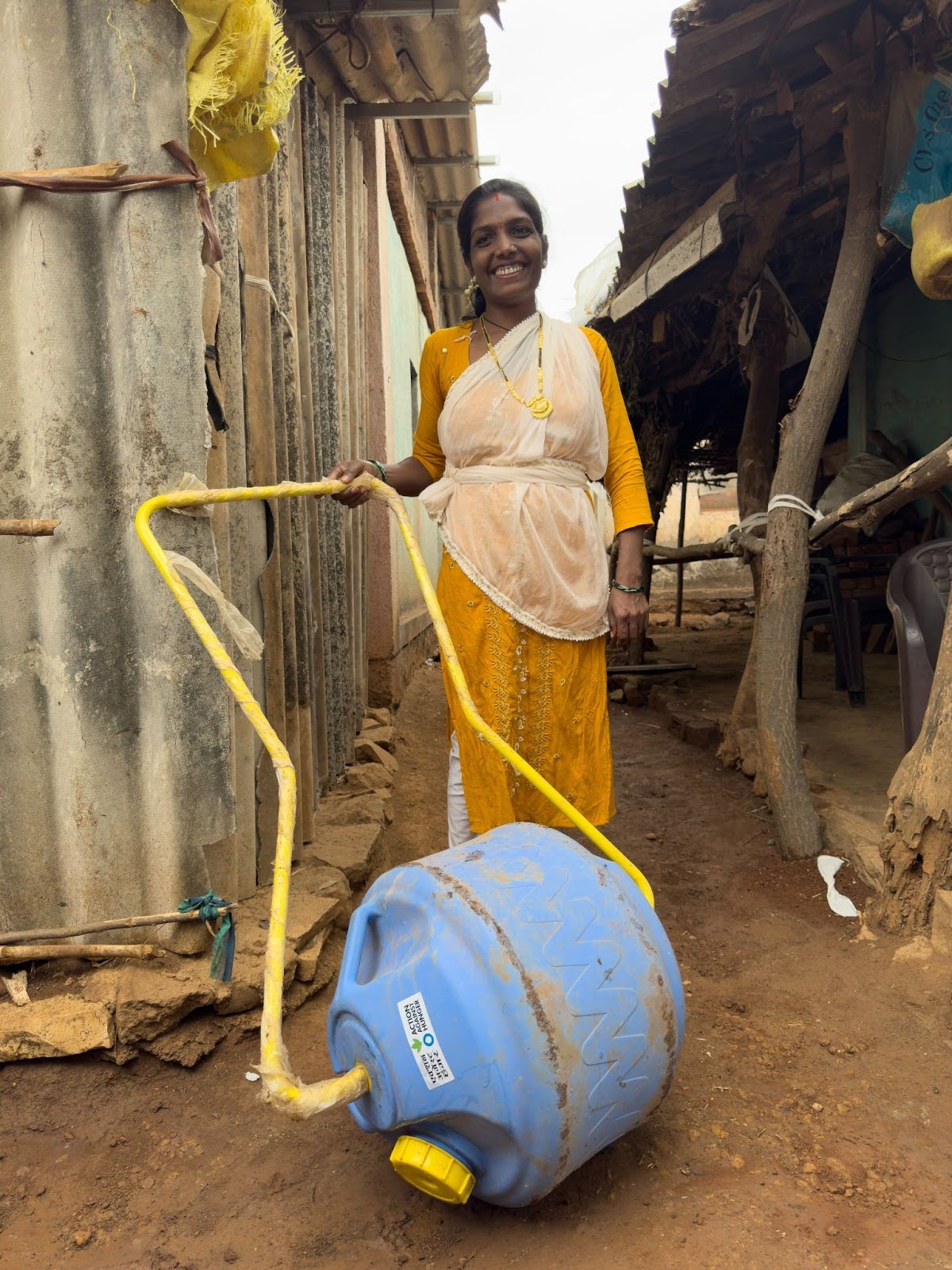
Wello Water Wheels for Daily Convenience: In villages like Jawhar and Dharni, the Wello Water Wheel makes water collection easier and less tiring for women and girls. It reduces travel distances, saves time, and promotes fair sharing of household responsibilities.

Toilets in Anganwadi Centres: Sanitation facilities are built and improved to provide children and caregivers a clean, safe space that promotes health and dignity.

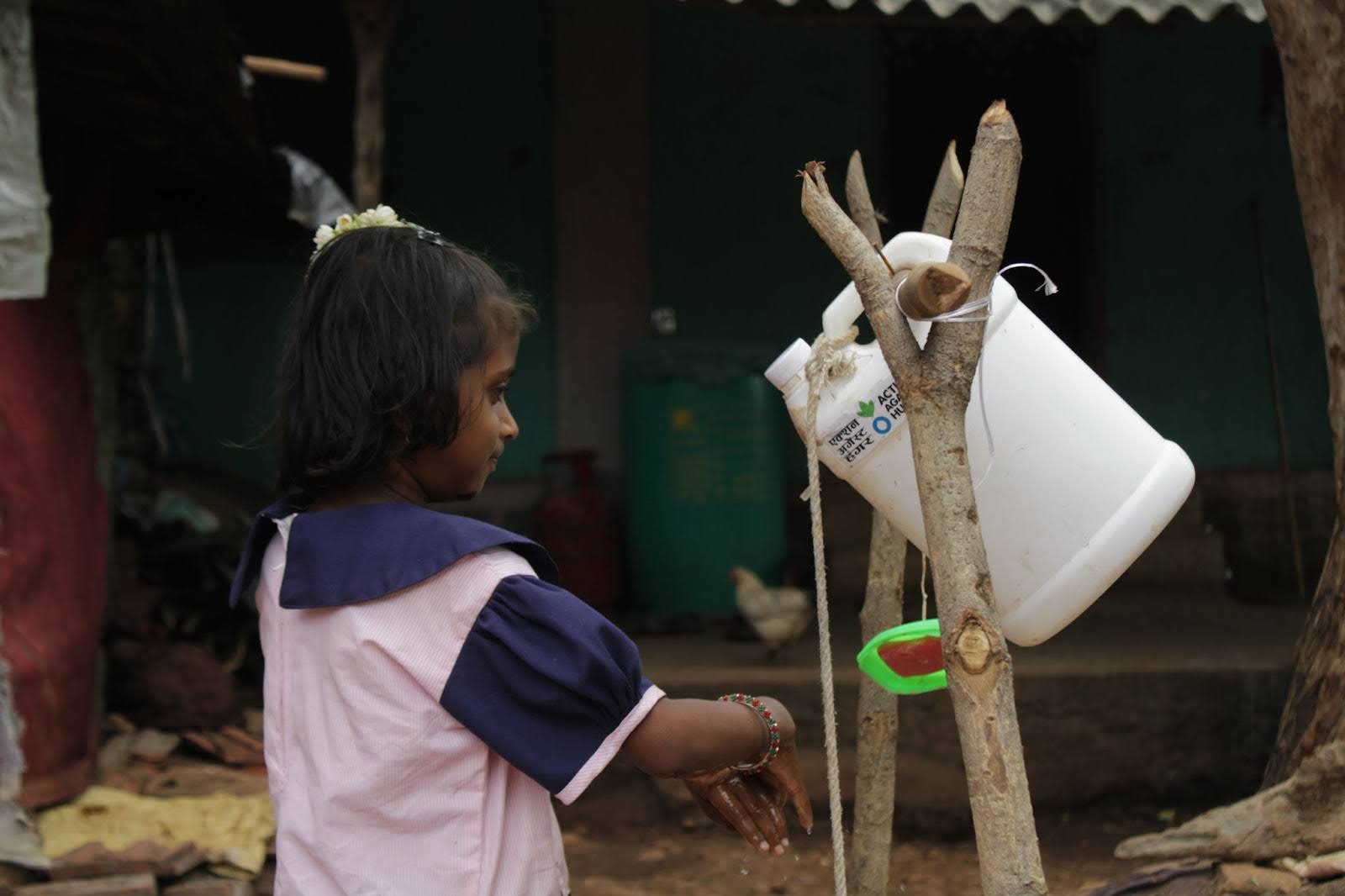
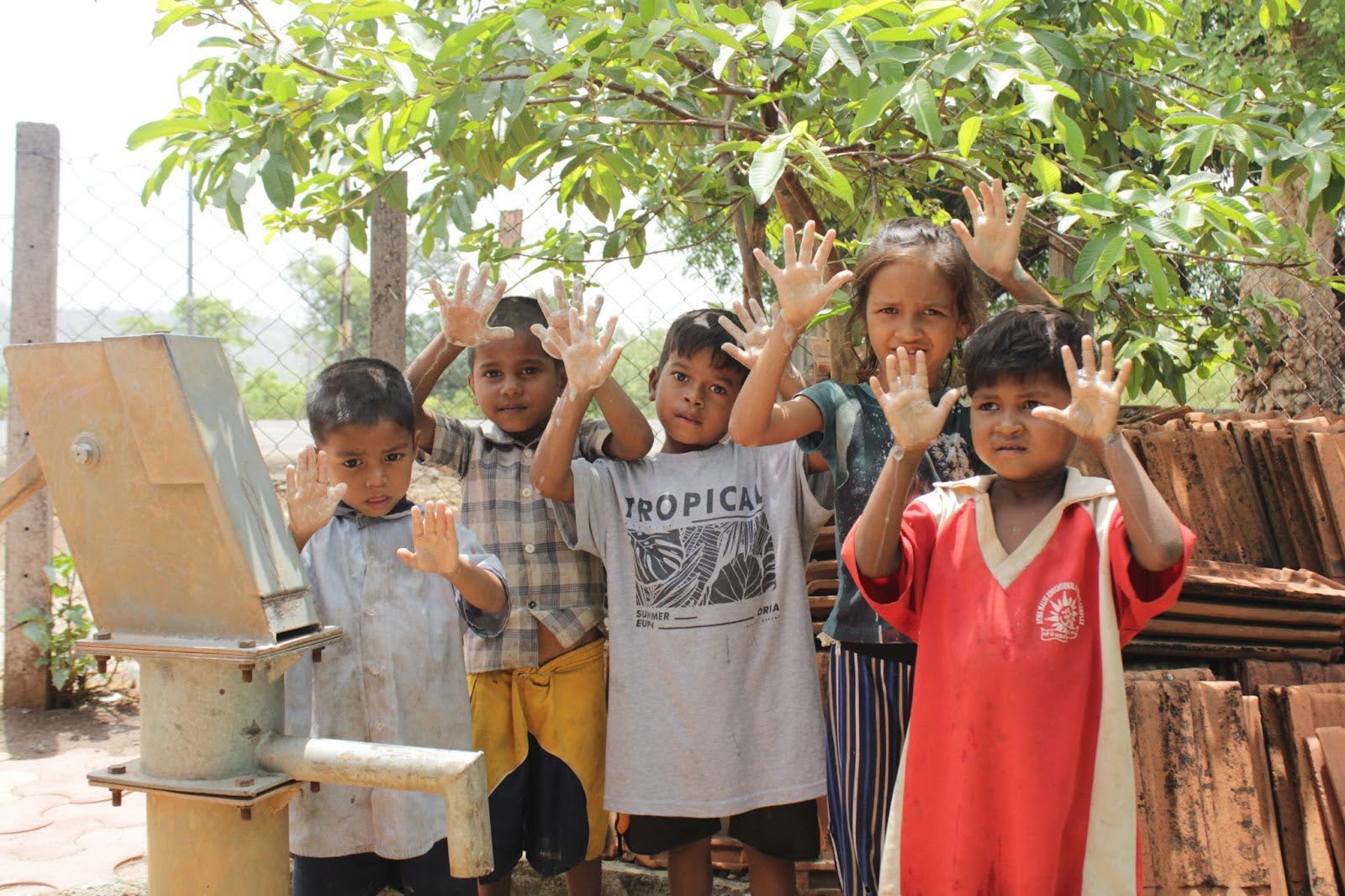
Tippy-Taps for Hygiene: Foot-operated handwashing stations are installed in schools and homes, making handwashing easy and fun while teaching children habits that improve health for the whole family.

Hygiene Awareness: Interactive sessions and demonstrations educate communities on handwashing, safe water handling, and other hygiene practices to prevent illness year-round.

Community Ownership: Local water committees are trained to manage and maintain these facilities, ensuring long-term sustainability and lasting positive change.

The undeniable link between health, water, and hygiene is clear. Let’s work to ensure that every village, no matter how remote, is empowered with the tools and awareness needed to own their health.

JOIN THE FIGHT AGAINST HUNGER


    [give_form id="6131"]

    [give_form id="6240"]