World Environment Day 2026: Climate, Action, and the People Most Affected

A Future That Depends on Action Today

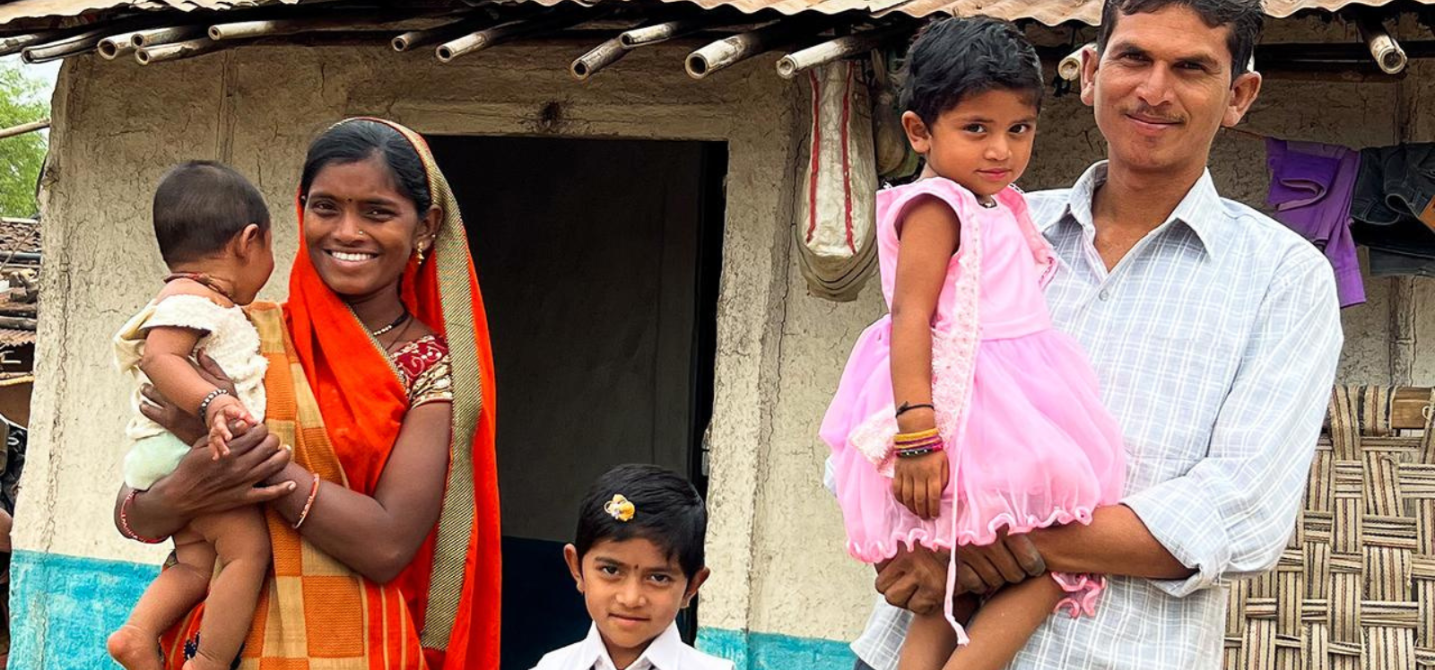
This World Environment Day, hosted by Azerbaijan, the conversation goes beyond the environment alone. The climate crisis is about people, their lives, and their futures. Among those most affected are women and children, who continue to face the harshest consequences of changing weather patterns, water scarcity, and food insecurity.

Impact of Climate Change on Women and Children


Rural Women

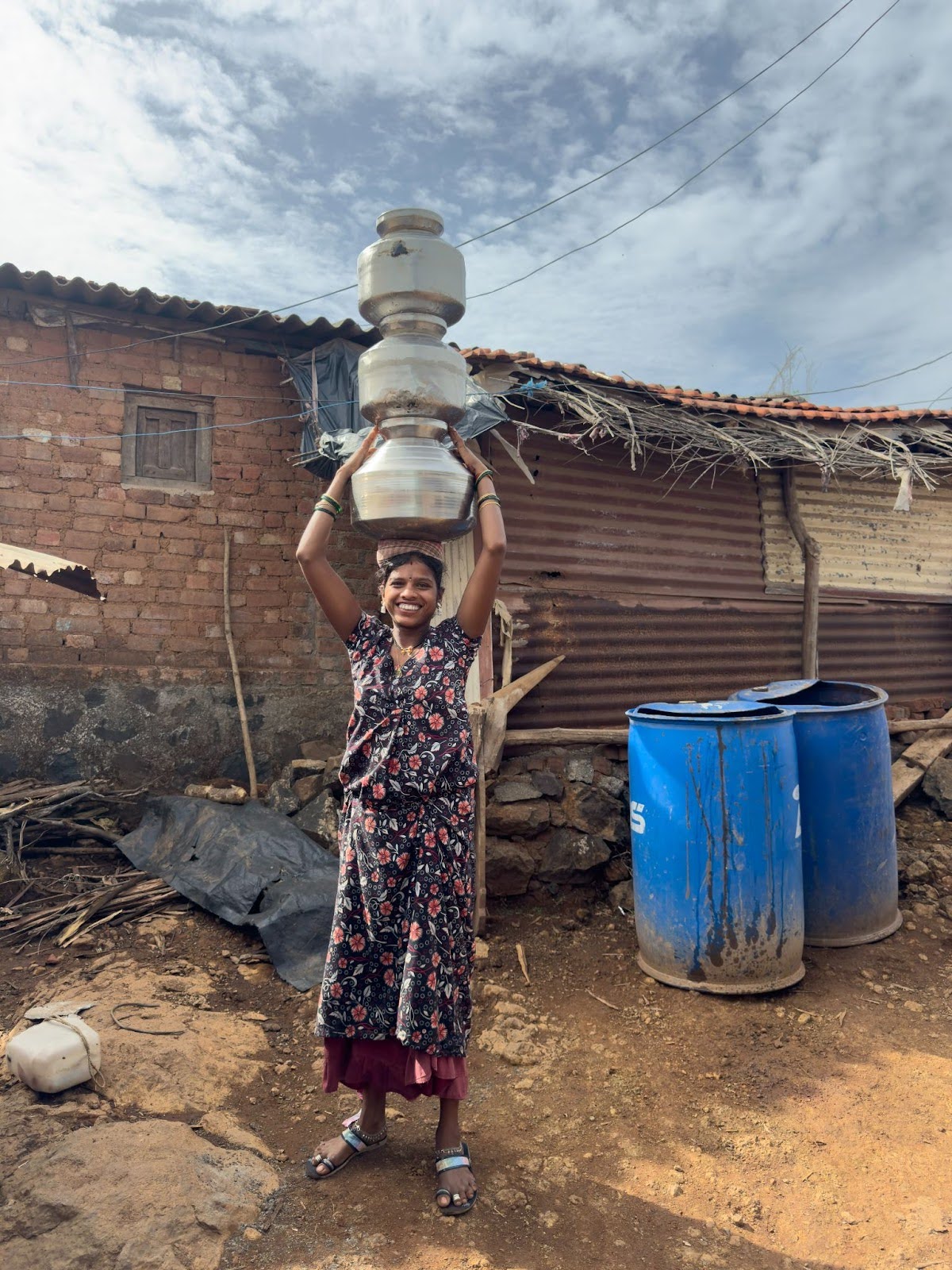
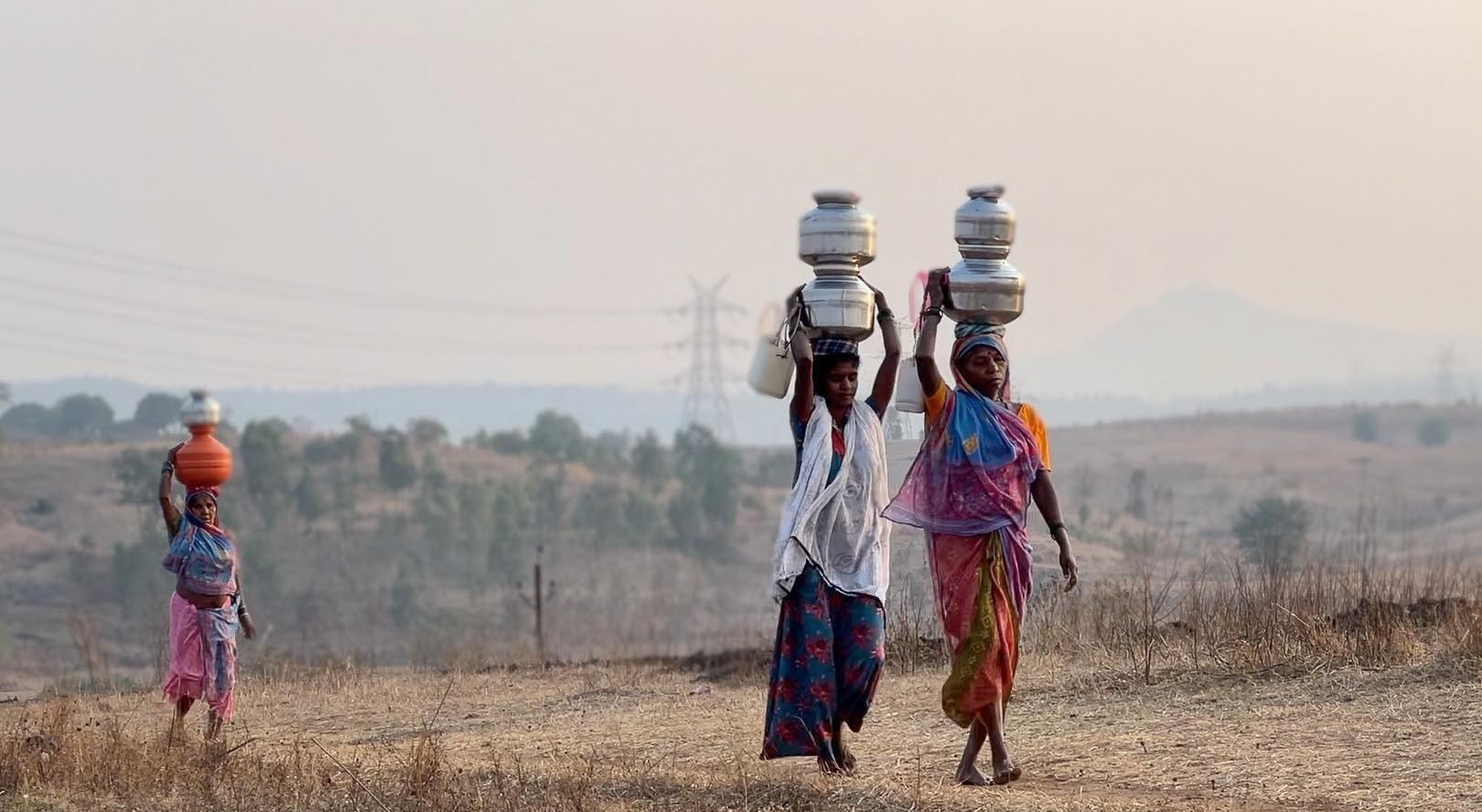
When droughts intensify and water sources shrink, it is often women and girls who travel longer distances to collect water, losing valuable time that could otherwise go toward education, work, or care. Crop failures caused by erratic rainfall and rising temperatures directly affect women who are often primary caregivers and contributors to household food systems.

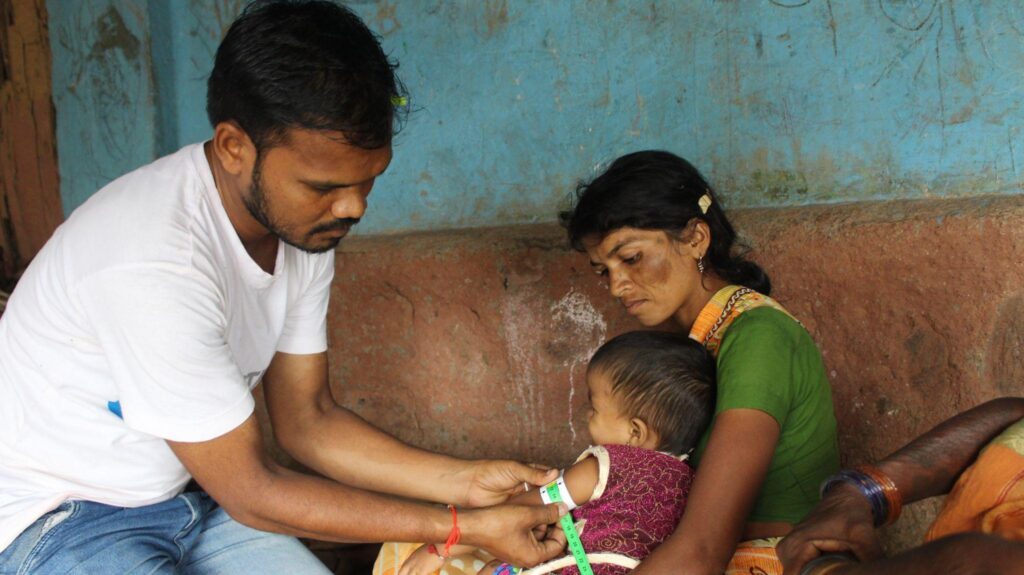
Children face the impact even more deeply. Nearly 45 percent of deaths linked to undernutrition are among children under five, showing how climate stress quickly turns into a nutrition and health crisis. Extreme weather events also disrupt schooling, increase the spread of disease,

and force families into displacement. According to the United Nations, women account for close to 80 percent of those displaced by climate related disasters.

Empowering Change Through Sustainable Solutions


Sustainable Farming

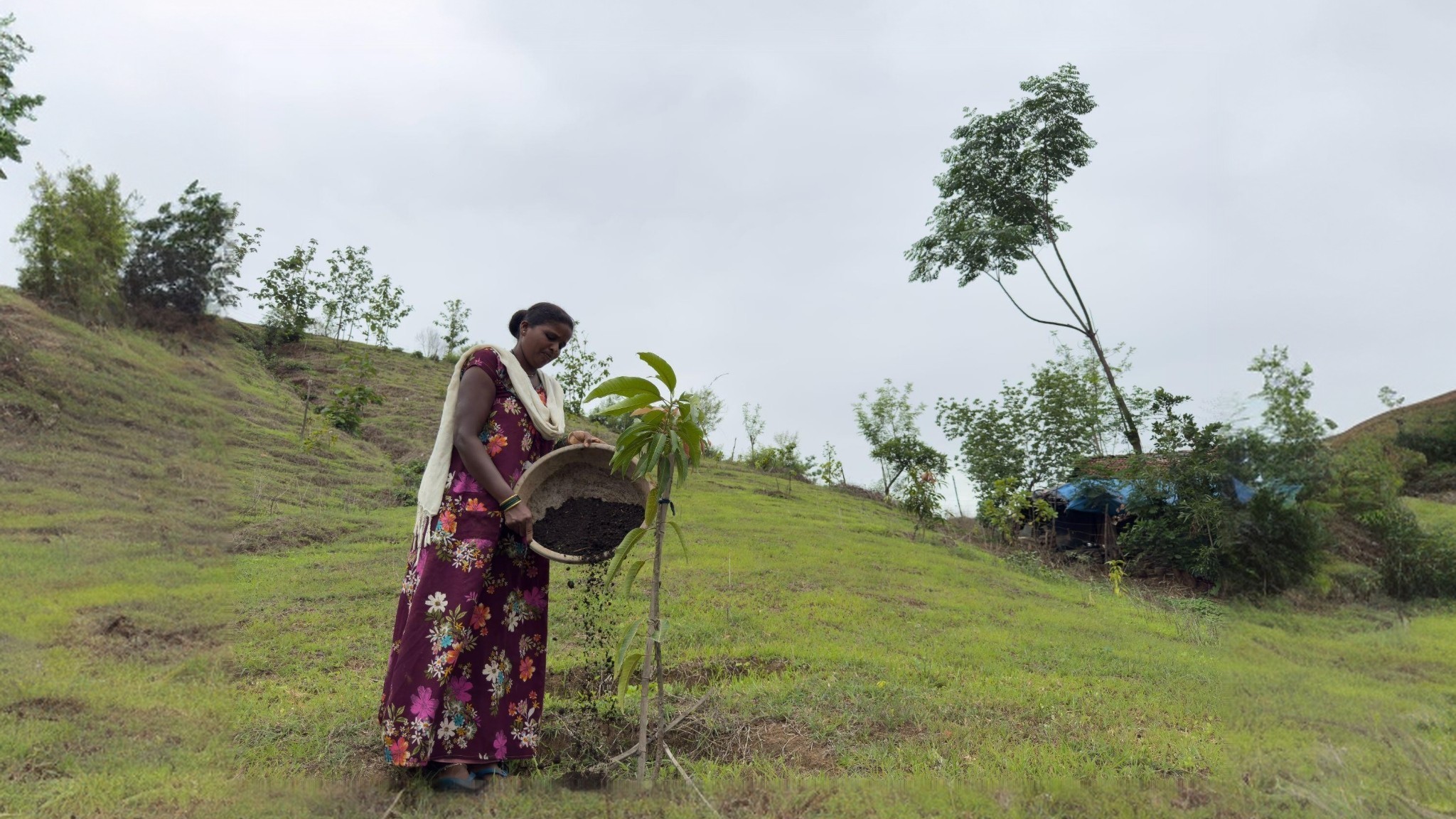
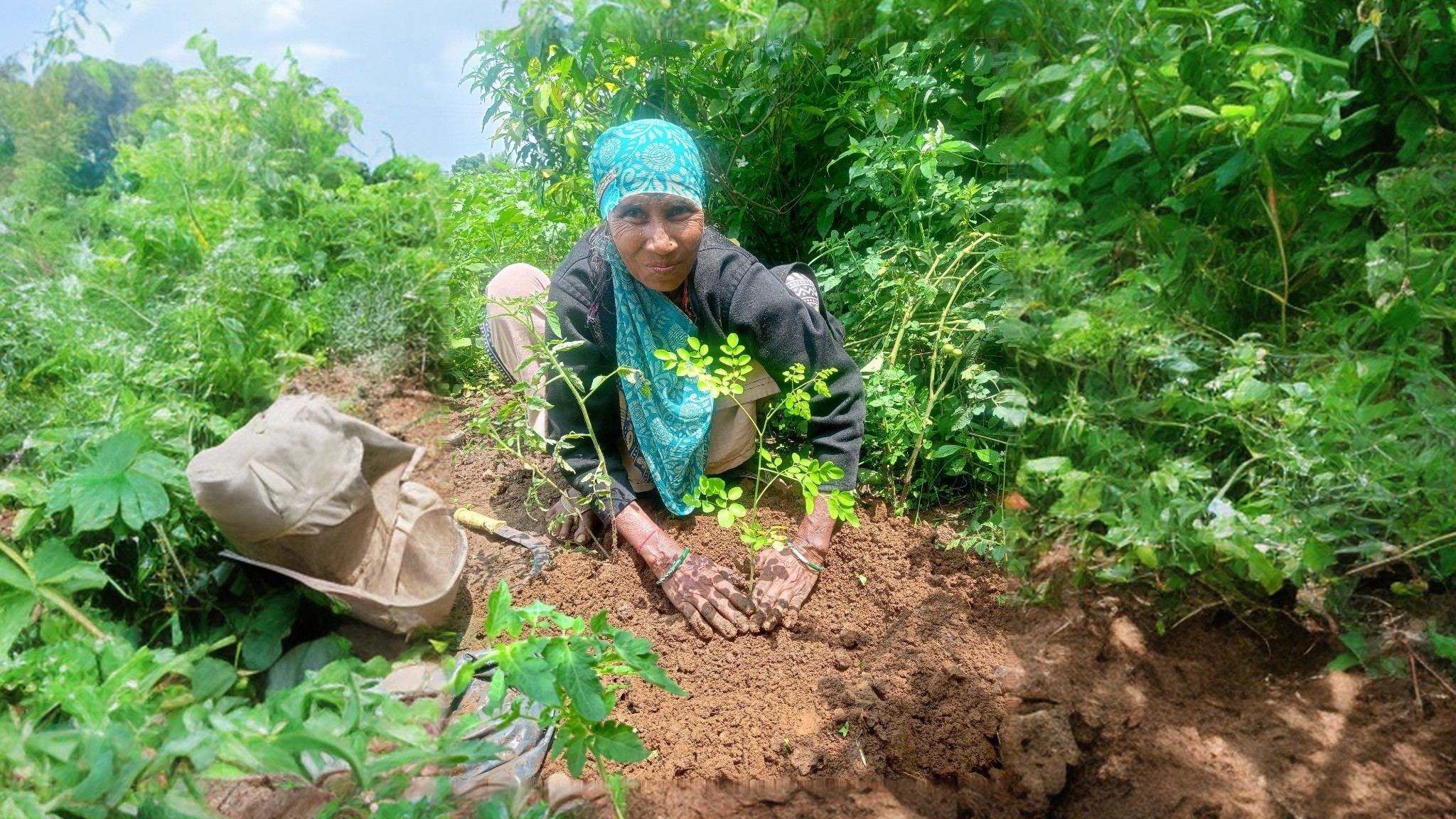
The way forward lies in community driven and sustainable solutions. Climate resilient farming, better water management, and stronger livelihood opportunities can help families adapt while protecting natural resources.

Supporting women with access to sustainable agricultural practices and income opportunities strengthens not only households but entire communities. When communities are equipped to adapt, children are more likely to remain healthy, nourished, and in school.

How Action Against Hunger Foundation Creates Change?

Action Against Hunger Foundation continues to work towards long term climate resilience through practical and community focused solutions:

  • Supporting organic and sustainable farming practices
  • Promoting climate resilient livelihoods for vulnerable communities
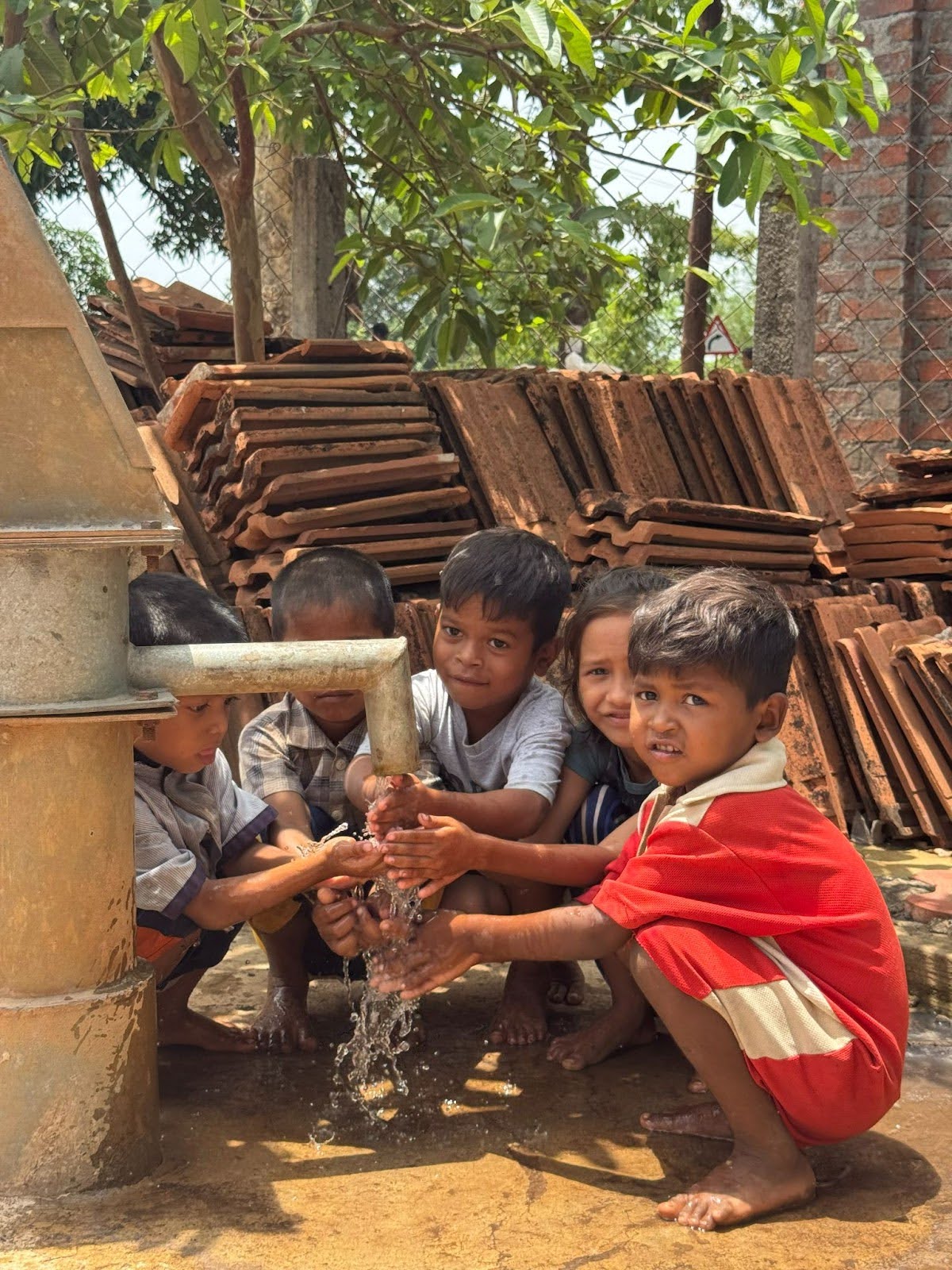
  • Improving access to safe water and sanitation
  • Strengthening nutrition support for women and children

Its approach focuses on solutions that help families face climate challenges with dignity and resilience, creating a safer and more sustainable future.

A Shared Responsibility

World Environment Day is a reminder that action does not stop today, it must continue every day.

Climate action must place people at its heart, because protecting the environment also means protecting lives, health, and futures, especially for those most vulnerable to its impact. The choices we make today will shape the world we live in tomorrow.

Let us commit to sustained action, collective responsibility, and building a safer, more sustainable future for all.

Kangaroo Mother Care Guide: Benefits, Steps, and Newborn Care Tips

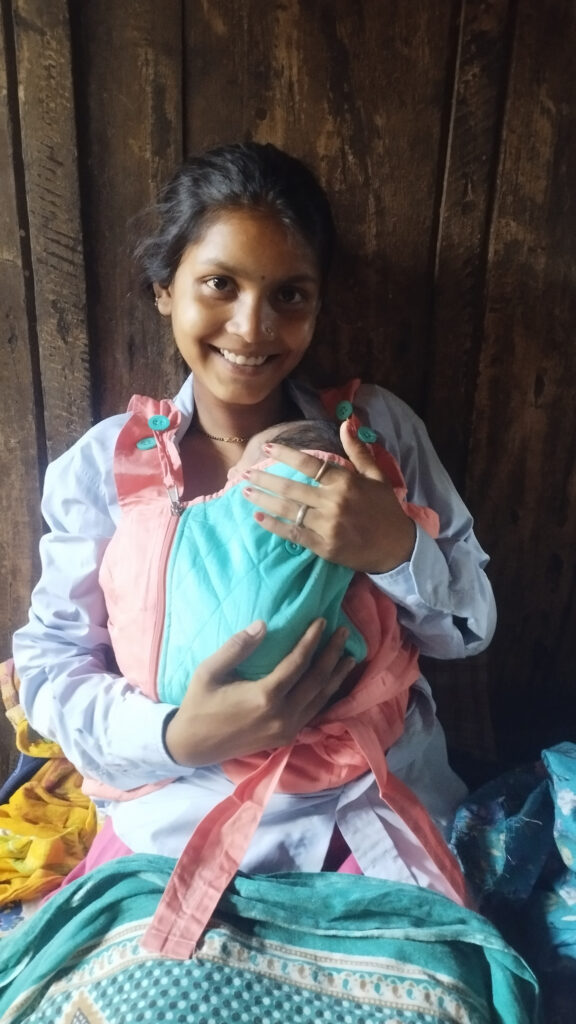
In a world of advanced monitors and beeping machines, we believe that the most powerful life-support system is still a mother’s heartbeat. Kangaroo Mother Care (KMC) is a transformative approach to newborn health that shows how skin-to-skin contact is not just comforting, but lifesaving.

For babies born too soon or too small, this simple practice provides the warmth, protection, and nourishment they need to survive and thrive. Through our programmes, we continue to promote KMC as a critical, life-saving intervention for newborn care.

What is Kangaroo Mother Care?

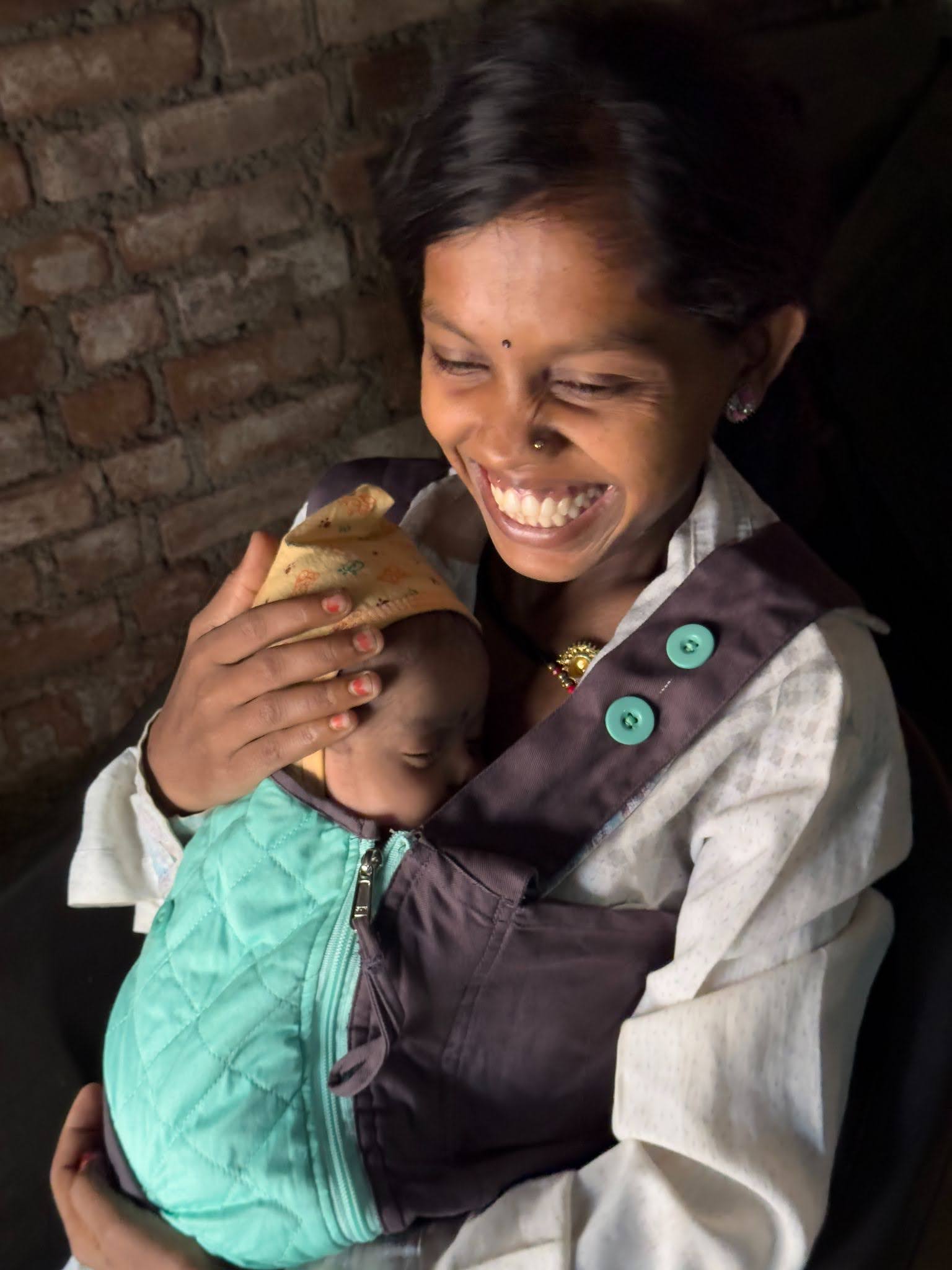
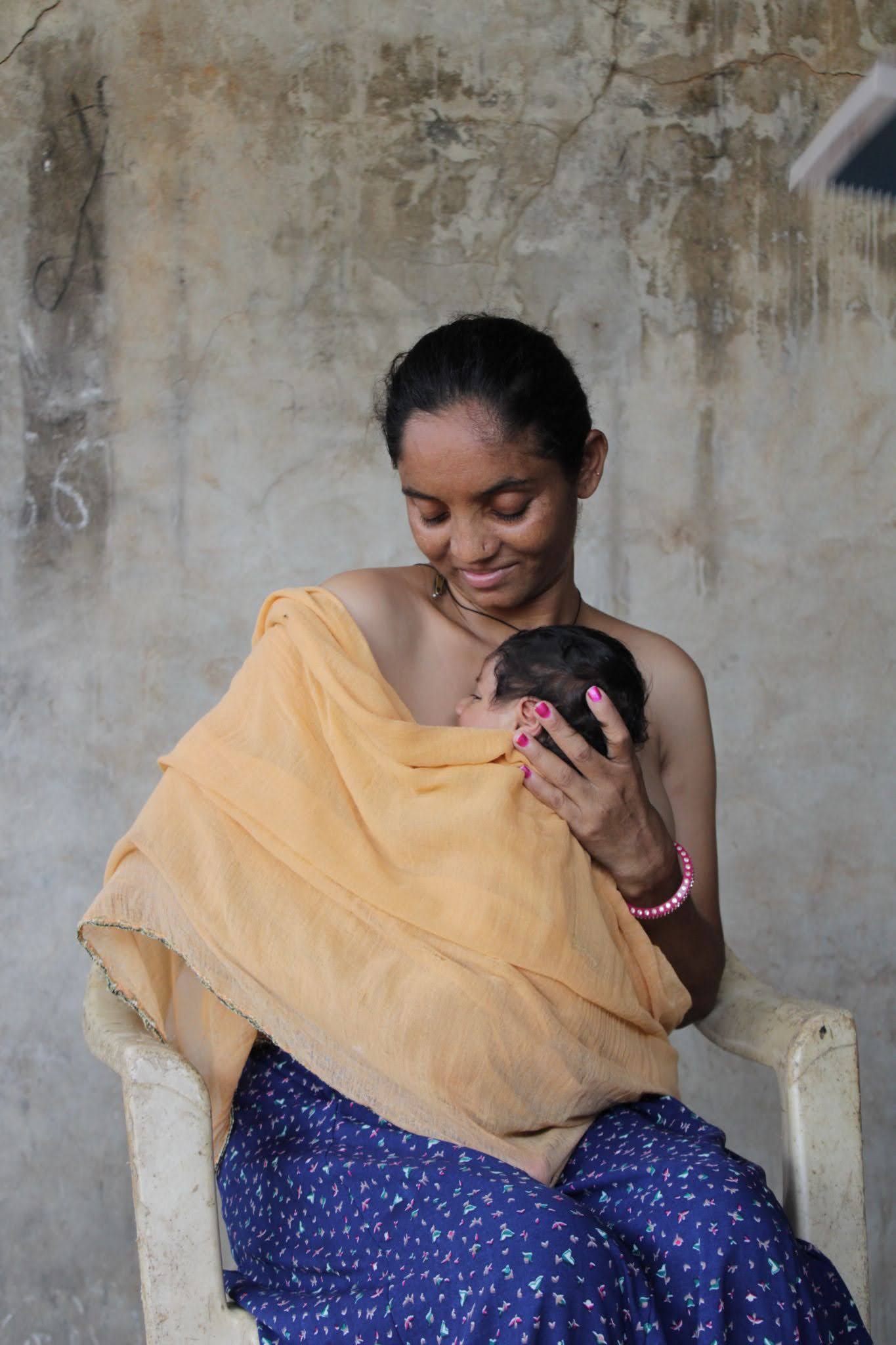
Kangaroo Mother Care is a method where a newborn is held in direct skin-to-skin contact with their mother or a caregiver. When combined with exclusive breastfeeding, it creates a natural, protective environment that supports the baby’s early development.

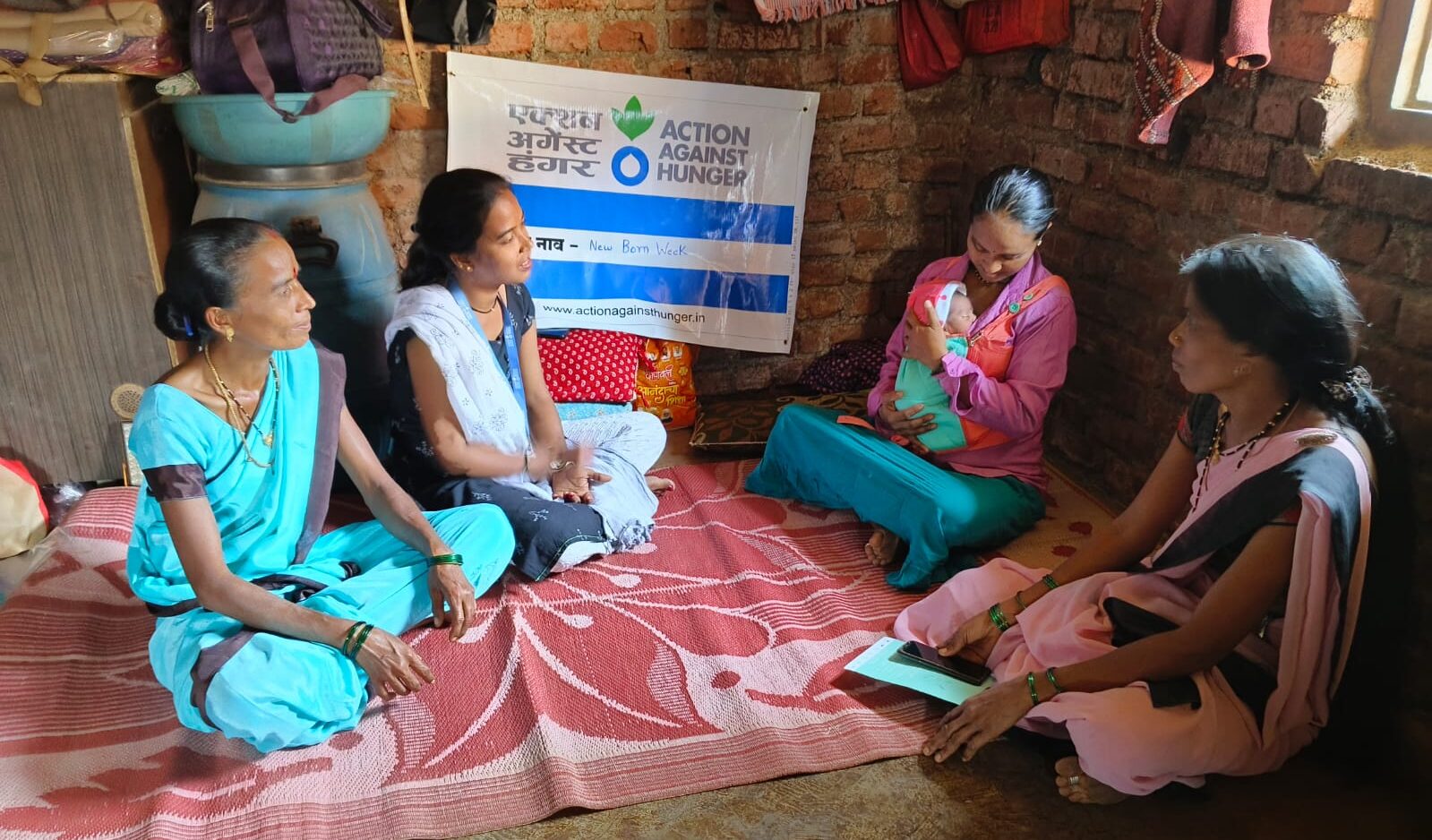
As part of our maternal and child health initiatives, we actively work with caregivers and healthcare providers to build awareness and confidence around adopting KMC practices.

The Four Pillars of KMC Duration

While any duration is beneficial, we encourage consistent practice for the best outcomes:

  • Short: 4 hours daily
  • Extended: 5 to 8 hours daily
  • Long: 9 to 12 hours daily
  • Continuous: More than 12 hours daily, especially for high-risk infants

Why is KMC the Ultimate Lifeline for Little Ones?

For a low birth weight infant, the world outside the womb can be overwhelming. Through our on-ground experience, we have seen how KMC helps bridge this transition by:

  • Regulating body temperature and preventing hypothermia
  • Reducing the risk of infections and strengthening immunity
  • Supporting healthy brain development
  • Promoting steady weight gain and faster recovery
  • Building a deep emotional bond between parent and child

We have witnessed firsthand how consistent KMC practices can improve survival rates and overall well-being of newborns in resource-limited settings.

Perfecting the Kangaroo Position

To ensure safety and comfort, correct positioning is essential:

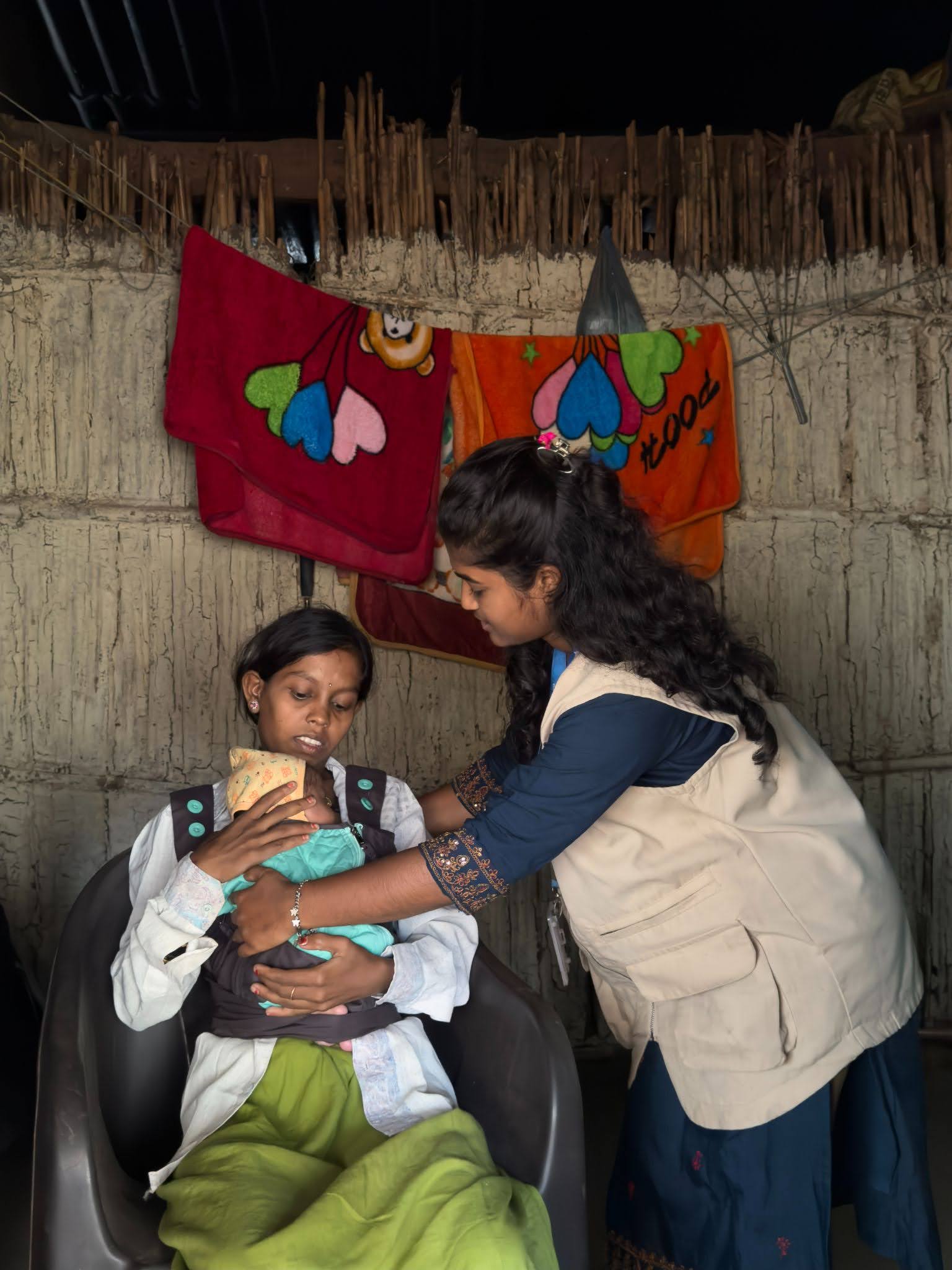
  • The baby is placed upright between the mother’s breasts
  • The head is turned to one side and slightly extended to keep the airway clear
  • The hips are flexed in a frog-like position, with arms tucked in
  • A soft cloth or binder supports the baby securely, allowing the caregiver to move comfortably

While it is called Kangaroo Mother Care, we encourage fathers and other family members to participate, making care a shared responsibility and strengthening family involvement in newborn care.

Turning Care into Action

At Action Against Hunger, we work to ensure that KMC is not just understood, but consistently practiced within healthcare systems and communities.

From Concept to Consistent Care at Cooper Hospital, Mumbai

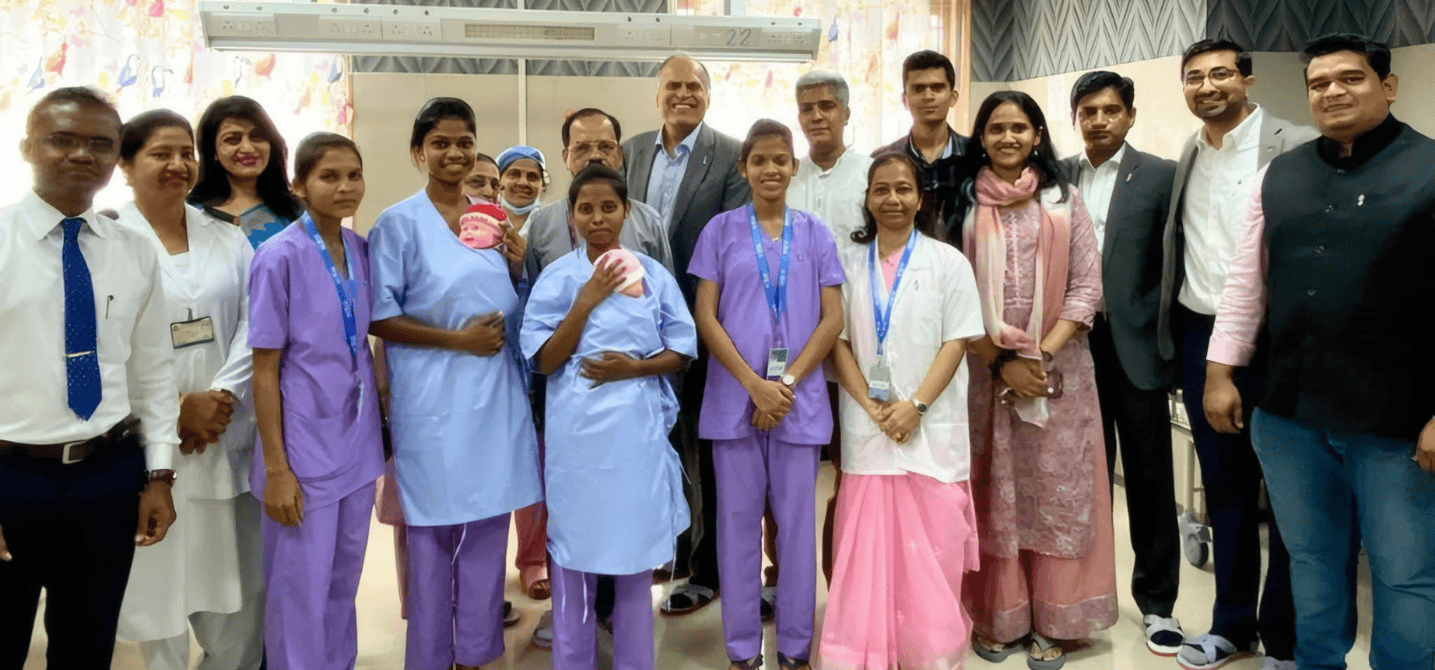
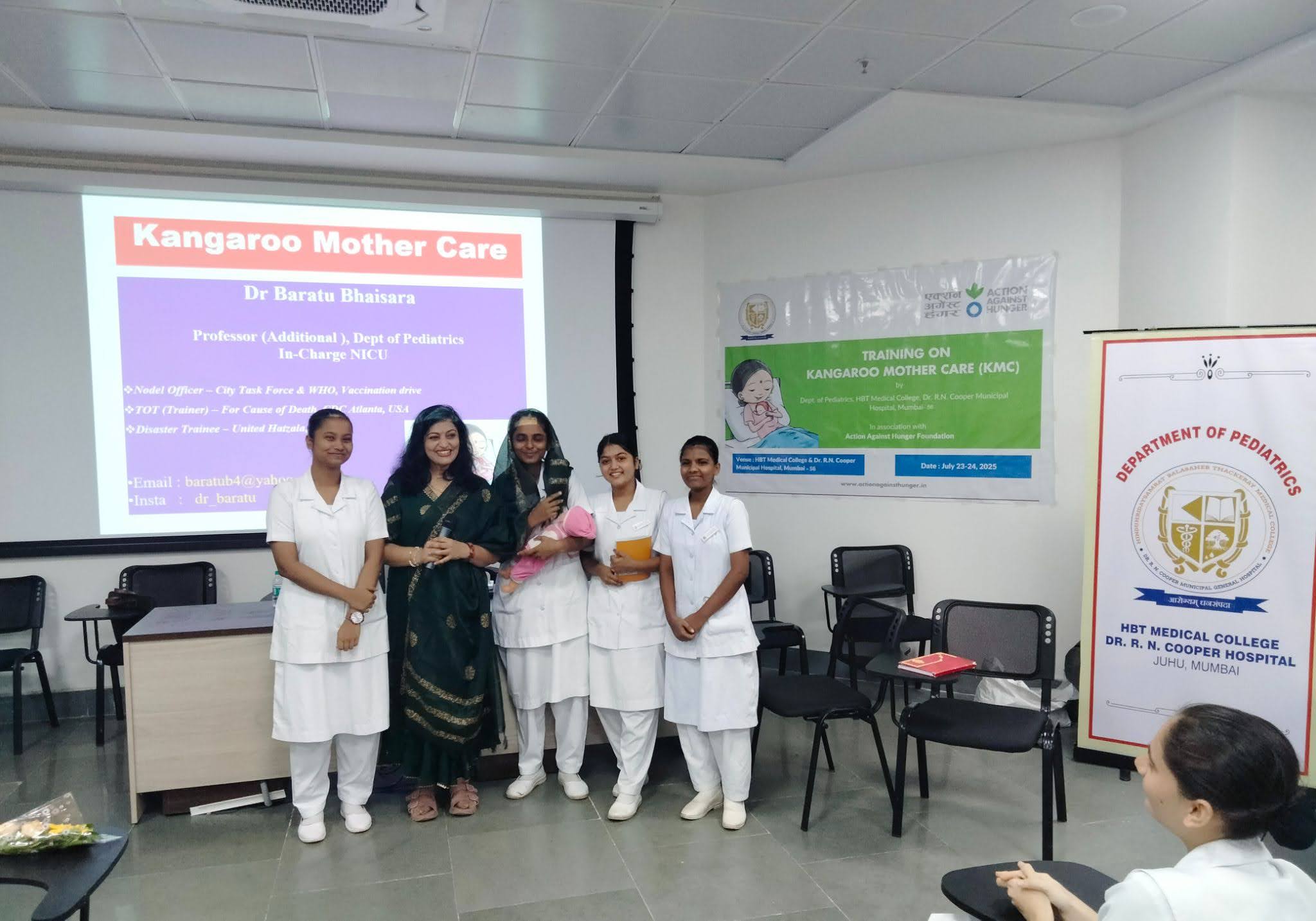
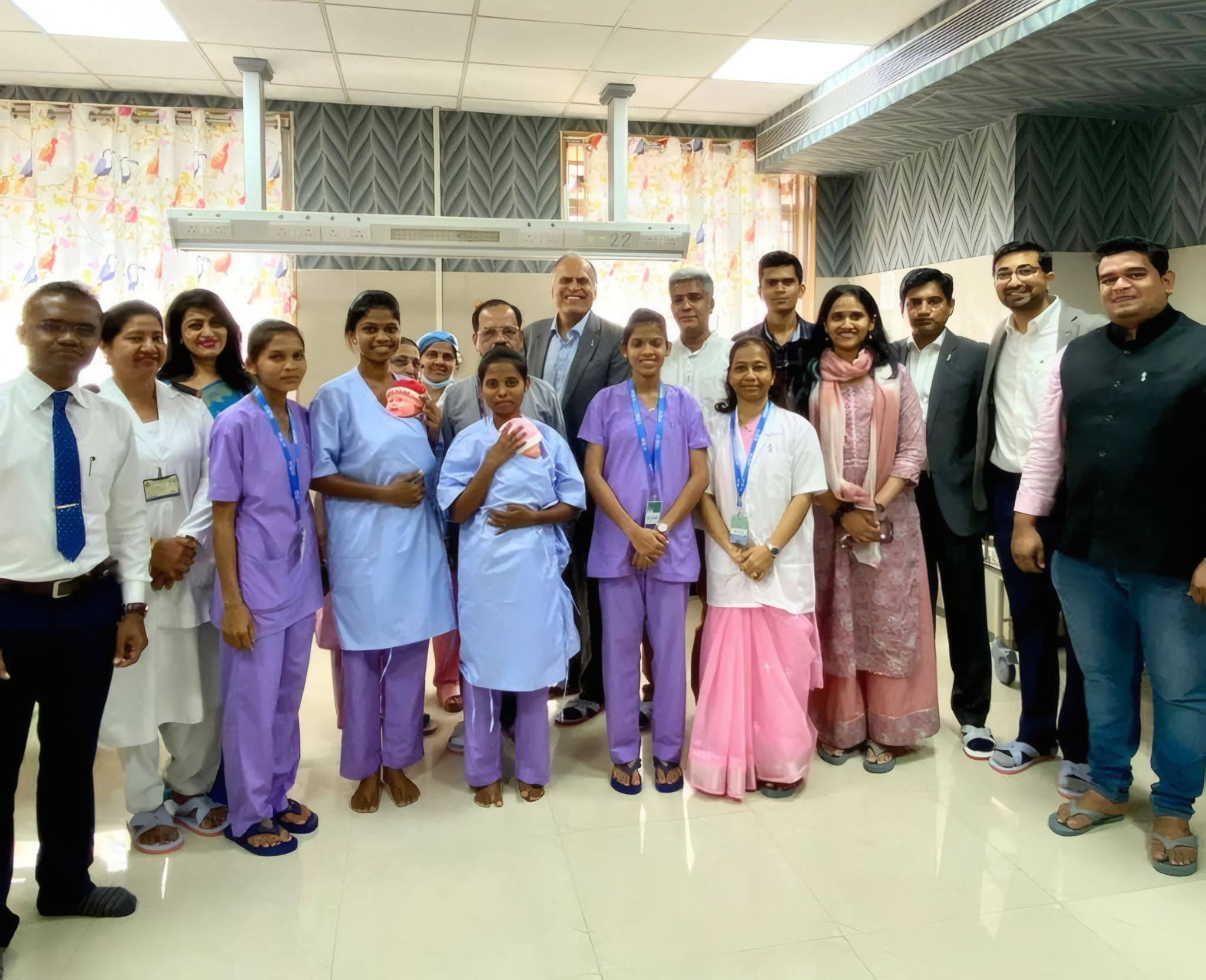
In collaboration with Dr. R. N. Cooper Municipal General Hospital, Mumbai, we have helped integrate KMC into routine newborn care.

  • Dedicated KMC units now provide round-the-clock support for preterm and low birth weight infants
  • Over the past three years, more than 500 babies have benefited from this care, showing improved recovery and steady weight gain
  • Our teams also support mothers and caregivers on-site, ensuring they are confident and comfortable practicing KMC

Care That Continues Beyond Hospital Walls

Our support does not end at discharge. We stay connected with families through follow-up calls and guidance, ensuring that KMC and breastfeeding practices continue safely at home.

We also work at the community level to raise awareness, address barriers, and ensure that families feel supported even beyond healthcare facilities

Is KMC Right for Every Baby?

The initiation of KMC depends on the baby’s condition and birth weight:

  • Under 1200 grams: Requires stabilization in specialized care before starting KMC
  • 1200 to 1800 grams: Can begin after a few days once the baby is stable
  • 1800 to 2500 grams: Can often start soon after birth

Our approach focuses on supporting healthcare providers and families to make informed decisions based on each baby’s needs.

A Simple Touch, A Lifetime of Health

Kangaroo Mother Care reminds us that healthcare is not only about technology, but also about human connection. By enabling parents to play an active role in their baby’s care, we are helping ensure that even the smallest newborns have the strength to grow, recover, and look forward to a healthier future.

Sources

  • Ministry of Health & Family Welfare, Government of India.
    Kangaroo Mother Care (KMC) Resource Material
    KMC PPT Resource
  • World Health Organization.
    Kangaroo Mother Care: A Clinical Practice Guide (2025)
  • World Health Organization.
    Immediate Kangaroo Mother Care and newborn survival evidence
  • National Health Mission, Government of India.
    Operational Guidelines for Kangaroo Mother Care and Optimal Feeding of Low Birth Weight Infants

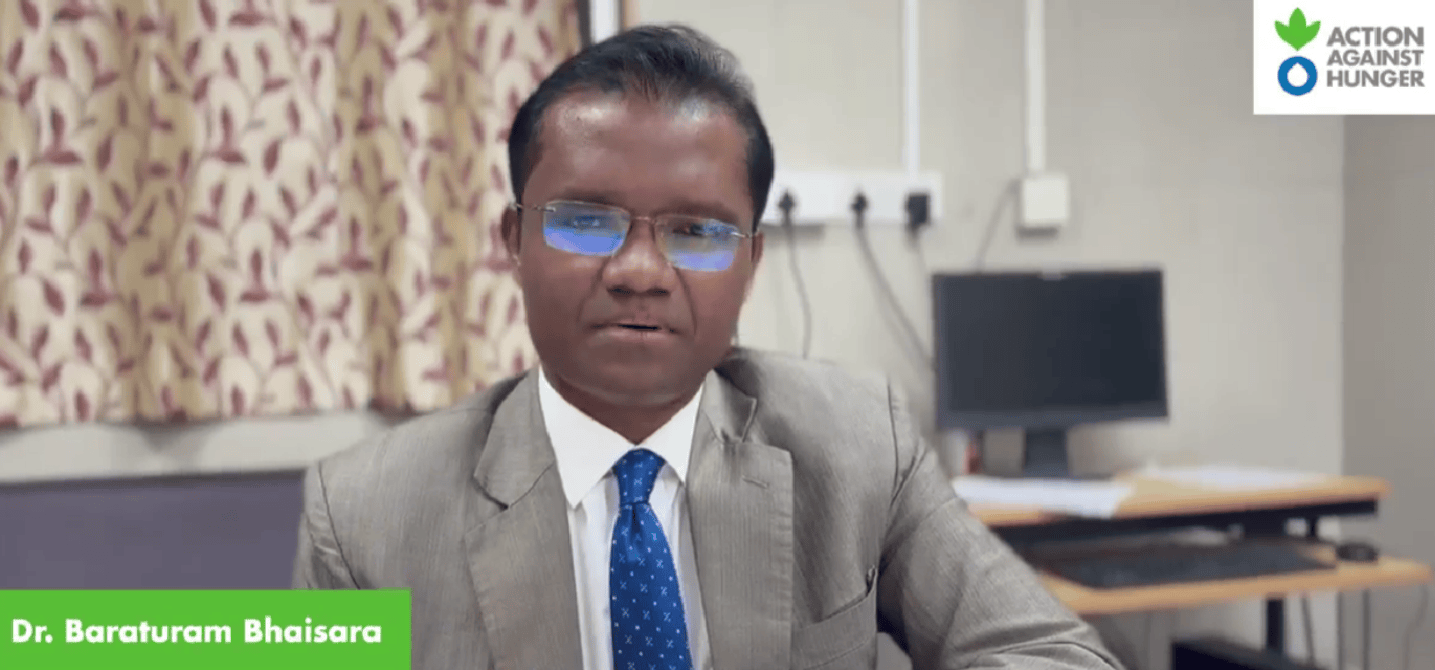
Prioritizing Newborn Safety: Key Insights from Dr. Baraturam Bhaisara

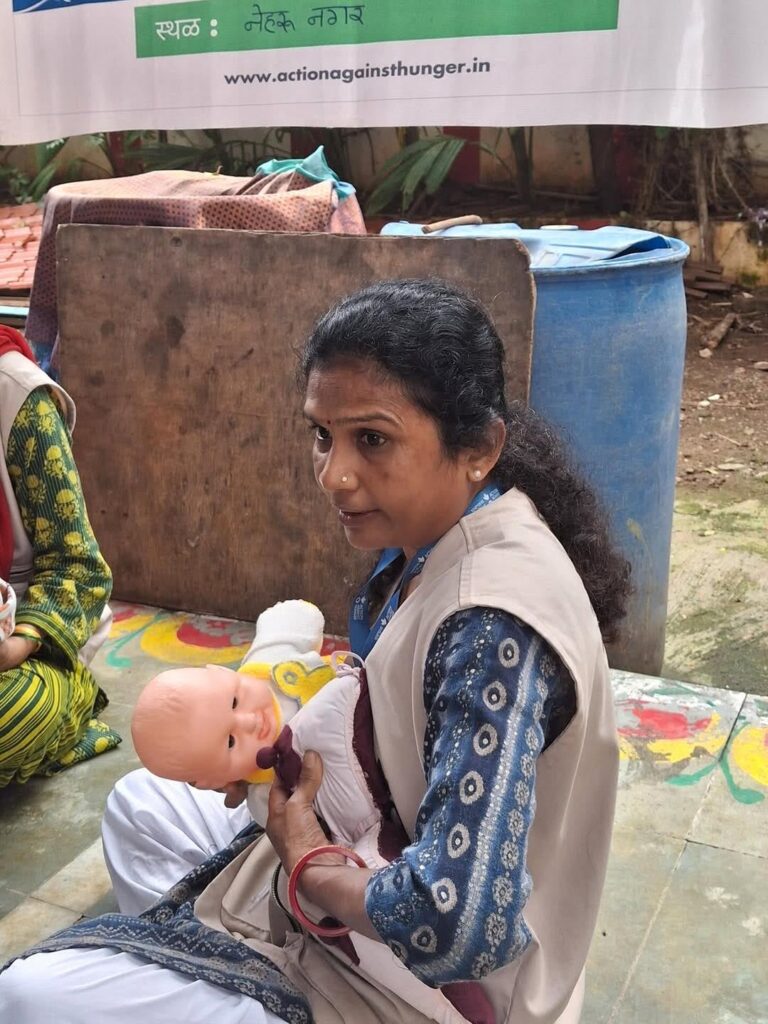
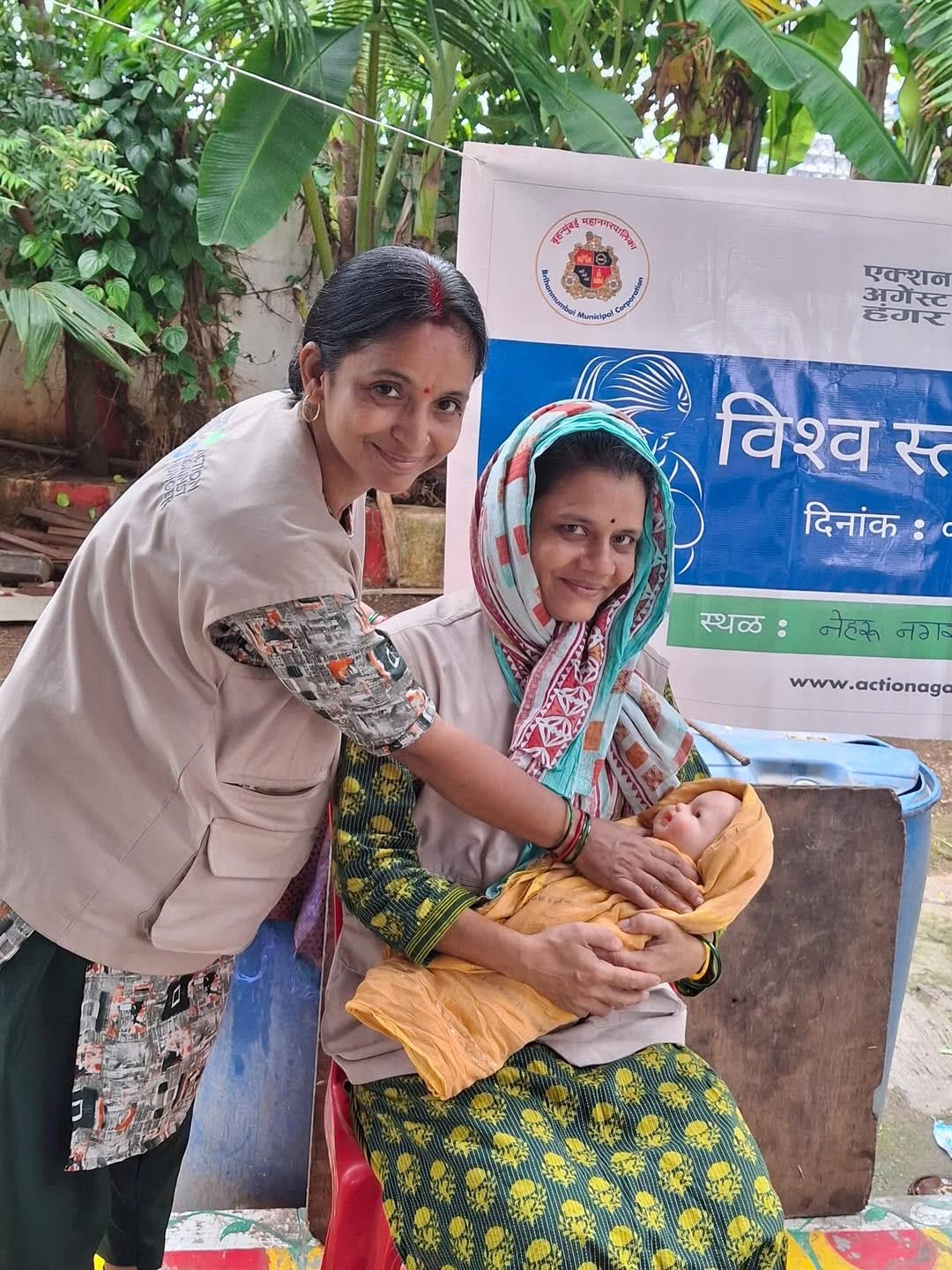
The Nutrition Plan to Support Lactating Women on Their Breastfeeding Journey

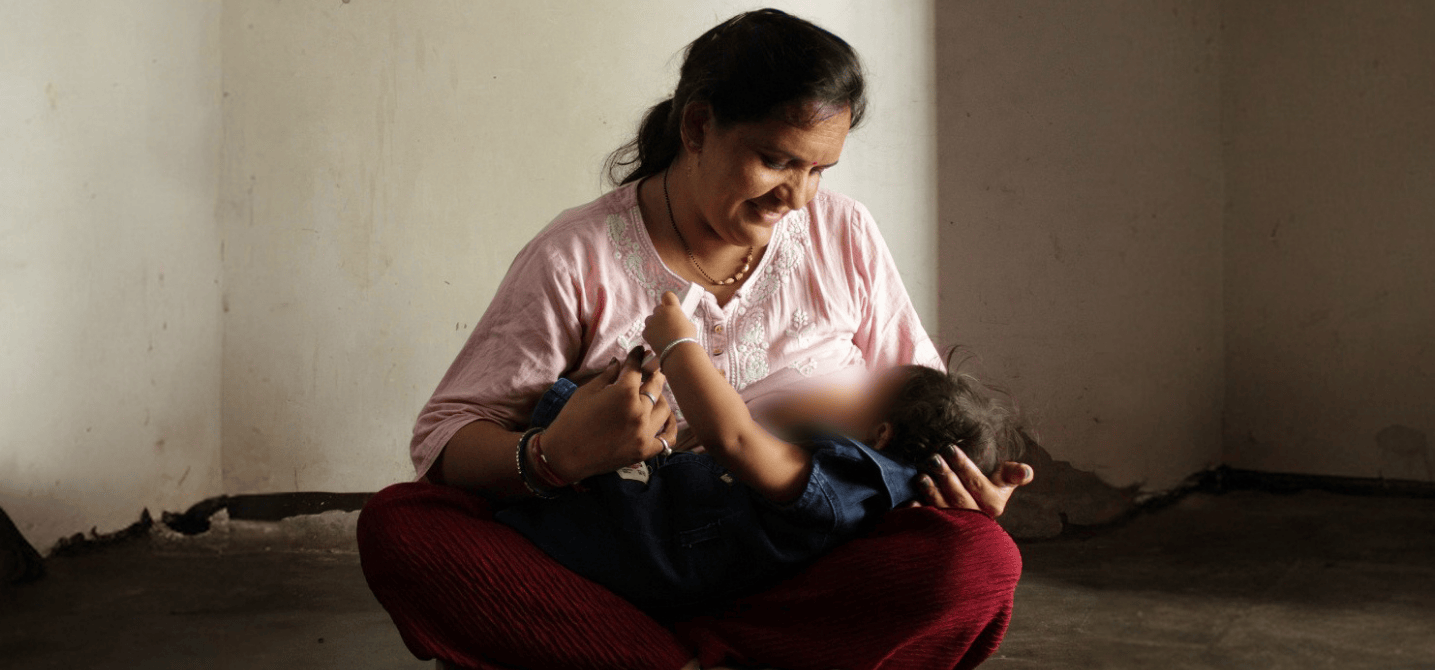
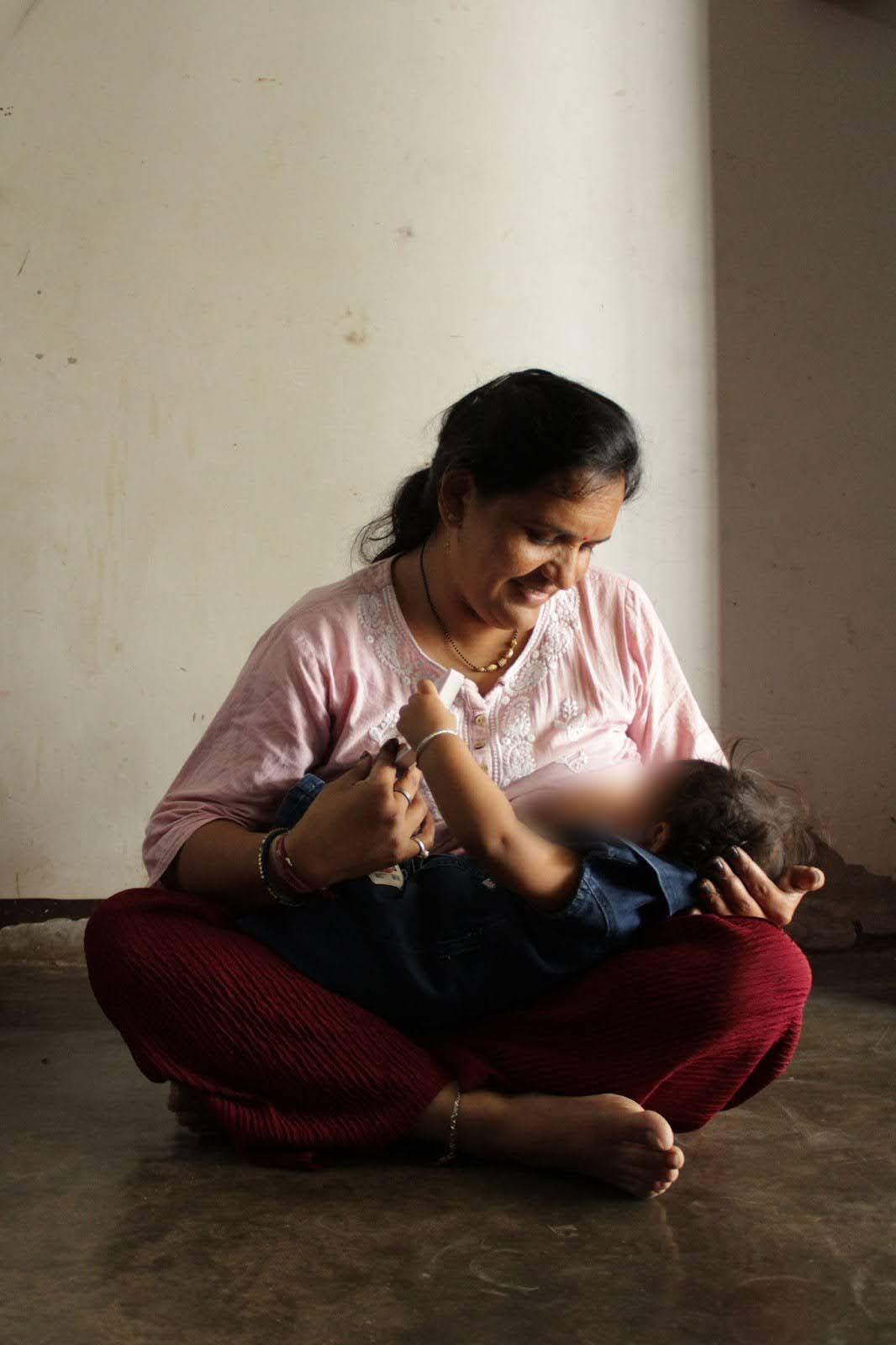
Breastfeeding may seem natural, but it requires extraordinary strength from every mother. Her body works tirelessly to produce the essential nutrition her baby needs to grow and stay healthy.

At Action Against Hunger, we stand beside mothers throughout this beautiful yet demanding phase of life. With the right nutrition and care, they can stay energized, recover better, and continue giving their little ones the very best every day.

First image

Second image

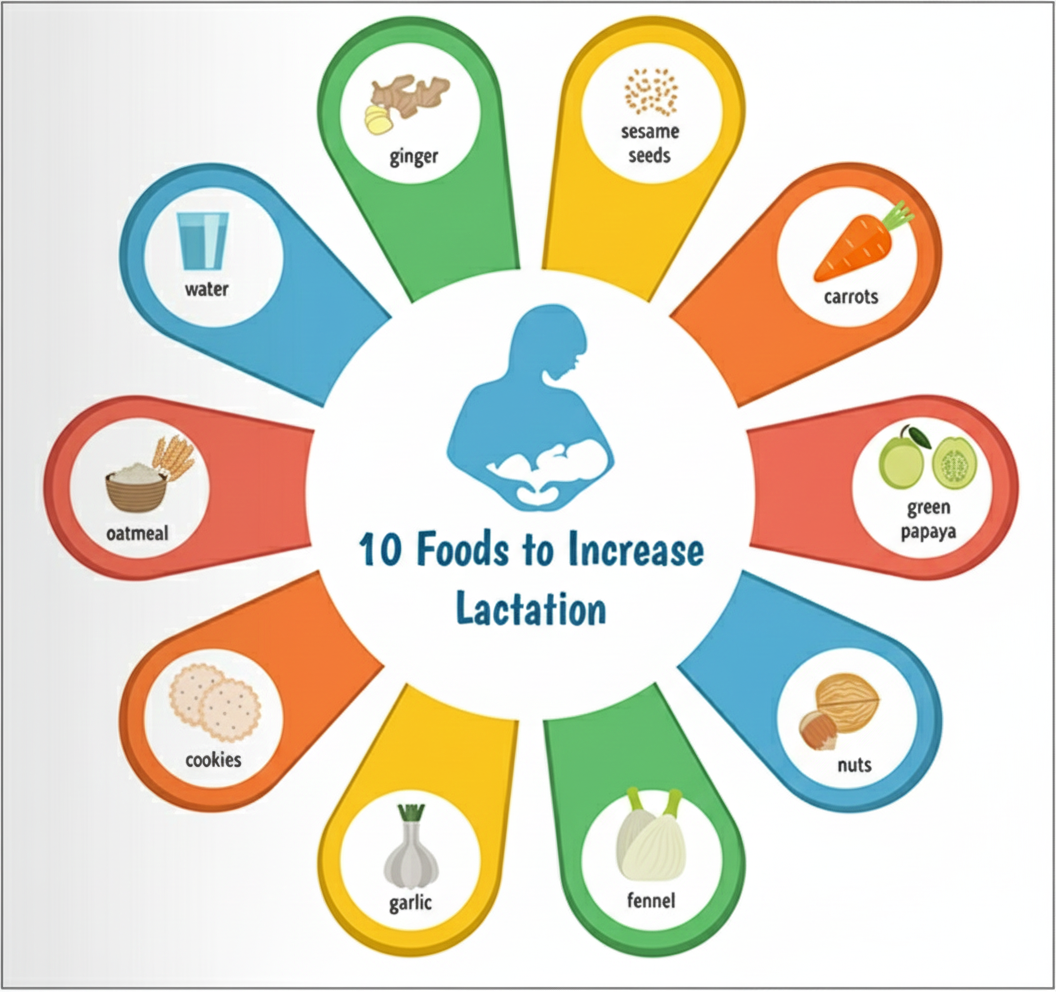
Here’s a simple nutrition guide to help lactating mothers take essential steps toward better nourishment and well-being:

1️⃣ Iron – The Power Behind Energy¹⁻⁴

  • Prevents tiredness, weakness, and anemia
  •  Supports postpartum recovery
    Sources: Dark leafy greens, beans, jaggery, whole grains, eggs, lean meat

2️⃣ Calcium – For Strong Bones (Mother & Baby)¹⁻⁴

  • Helps baby’s bone and teeth development
  • Prevents bone loss in mothers
    Sources: Milk, curd, paneer, ragi, sesame seeds, almonds, broccoli

3️⃣ Protein – Fuels Milk Production³⁻⁵

  • Repairs tissues and builds muscles
  • Supports mother’s strength and baby’s growth
    Sources: Lentils, legumes, eggs, fish, chicken, soy, peanuts, dairy products

4️⃣ Healthy Fats – Brain & Nervous System Development⁴⁻⁷

  • Supports brain and vision development
    Sources: Nuts, seeds, avocados, vegetable oils, fatty fish

5️⃣ Vitamin A – Immunity & Vision¹⁻⁵

  • Strengthens the baby’s immune system
  • Protects maternal eye health
    Sources: Carrots, pumpkin, sweet potato, spinach, milk, mango

6️⃣ Vitamin D – Helps Absorb Calcium²⁻⁵

  • Supports bone strength and immunity
    Sources: Morning sunlight, fortified milk, eggs

7️⃣ Folic Acid – Cell Growth & Blood Health¹⁻⁴

  • Essential for new cell formation
  • Helps prevent nutrient deficiencies
    Sources: Green leafy vegetables, legumes, citrus fruits

8️⃣ Fluids – The Key to Milk Flow¹⁻⁷

  • Boosts milk production
  • Prevents dehydration
    Best choices: Water, coconut water, buttermilk, fresh juices, soups
    ⚠ Avoid packaged sugary drinks

Daily Diet Chart for Breastfeeding Mothers

This plan focuses on frequent, nutrient-dense meals to support energy, recovery, and milk production, incorporating the essential nutrients discussed in the blog.

TimeMealRecommended FoodsKey Nutrients Addressed
Early Morning (6:00 AM – 7:00 AM)Drink + Light Meal
  • Warm water with soaked fenugreek seeds or cumin water (Hydration/Digestion).
  • A bowl of oats porridge topped with almonds and walnuts (Protein, Healthy Fats).
  • 1 boiled egg or sprouted moong dal salad (Protein, Iron).
Fluids, Protein, Healthy Fats, Iron
Breakfast (8:00 AM – 9:00 AM)Main Meal
  • 2 multigrain parathas with a dollop of ghee and curd (Calcium, Protein, Healthy Fats).
  • Vegetable sabzi (methi, spinach, or dill) (Iron, Vitamin A, Folic Acid).
  • A glass of fresh orange or pomegranate juice (Vitamin C, Folic Acid).
Iron, Calcium, Protein, Vitamin A
Mid-Morning Snack (11:00 AM)Light Snack
  • A glass of fresh carrot and beetroot juice (Vitamin A, Folic Acid).
  • A handful of dry fruits (almonds, cashews, or raisins) (Healthy Fats, Iron).
Vitamin A, Folic Acid, Healthy Fats, Iron
Lunch (1:00 PM – 2:00 PM)Main Meal
  • 2-3 whole wheat chapatis with ghee.
  • Green leafy vegetable sabzi (Iron, Vitamin A).
  • A bowl of dal with garlic and cumin (Protein).
  • A small portion of brown rice or quinoa (Fibre, Iron).
  • A cup of curd or buttermilk (Calcium, Fluids).
Protein, Iron, Calcium, Vitamin A, Fluids
Evening Snack (4:00 PM – 5:00 PM)Light Snack
  • Fennel tea or buttermilk with roasted cumin powder (Fluids, Digestion).
  • Roasted makhanas or a small portion of chivda with peanuts (Calcium, Protein, Healthy Fats).
Fluids, Calcium, Protein
Dinner (7:00 PM – 8:00 PM)Dinner Meal
  • Multigrain roti or khichdi with vegetables (carrots, beetroots) (Fibre, Vitamin A).
  • A bowl of dal or lentil soup (Protein).
  • Steamed fish or paneer for protein (Protein, Healthy Fats/Calcium).
Protein, Vitamin A, Healthy Fats
Before Bed (9:00 PM)Night Drink
  • A glass of warm milk with a pinch of turmeric and ghee (Calcium, Healthy Fats, Recovery).
Calcium, Fluids, Healthy Fats

Taking the Next Step

To break this cycle, Action Against Hunger focuses on practical, community-driven solutions that combine infrastructure with education:

While these recommendations lay a strong foundation, each mother’s dietary needs vary. For detailed guidance tailored to your specific dietary needs, we strongly encourage you to consult a healthcare professional.

Your baby deserves the best, and so do you! Start making empowering choices today and seek the expert support you need.

References 

  1. World Health Organization. Infant and young child feeding: Guiding principles for breastfeeding mothers. Geneva: WHO; 2023.
  2. UNICEF India. Maternal nutrition: Ensuring the health of mothers and babies. New Delhi: UNICEF; 2024.
  3. Ministry of Health & Family Welfare. Dietary guidelines for lactating women. Government of India; 2022.
  4. Indian Council of Medical Research (ICMR). Nutrient requirements and recommended dietary allowances for Indians. New Delhi: ICMR; 2020.
  5. National Institutes of Health (NIH). Dietary supplement fact sheets. Bethesda (MD): NIH; 2023.
  6. National Health Service (NHS). Breastfeeding diet recommendations. London: NHS UK; 2023.
  7. American Pregnancy Association. Nutrition for breastfeeding mothers. Texas: APA; 2024.
  8. Surya Hospital. Breast milk increasing foods: Indian diet chart for lactating mothers [blog]. Surya Hospital; 2025.


Rural Health and Hygiene- The Key to India’s Resilient Future

The reality in rural India is often a harsh cycle of illness and undernutrition. People must walk long distances for water, only to find the source contaminated. Children who do not get safe water and proper hygiene are at higher risk of malnutrition, which weakens their immunity and makes them more vulnerable to disease. This constant struggle is fueled by a lack of basic hygiene awareness in the community.

At Action Against Hunger India, we saw this challenge not just as a health crisis, but as an opportunity for profound, sustainable change. Our focus is the powerful synergy of Water, Sanitation, and Hygiene (WASH), the key to building resilient communities and transforming daily struggles into a future of health, nutrition, and hope.

The Unseen Battle: Challenges in Rural India

Access to clean water and proper sanitation remains a daily struggle for many rural communities. In several villages, basic hygiene practices are compromised by limited infrastructure, scarce water sources, and inadequate sanitation facilities. For many, even the simple act of washing hands with soap is not easily accessible.

These challenges extend far beyond health, they affect school attendance, especially for young children, and limit opportunities for growth and development. Poor sanitation contributes to preventable diseases, while the lack of awareness around hygiene perpetuates a cycle of vulnerability. For families already facing socio-economic hardships, this unseen battle for cleanliness and dignity becomes an everyday reality.

Turning Challenges into Change

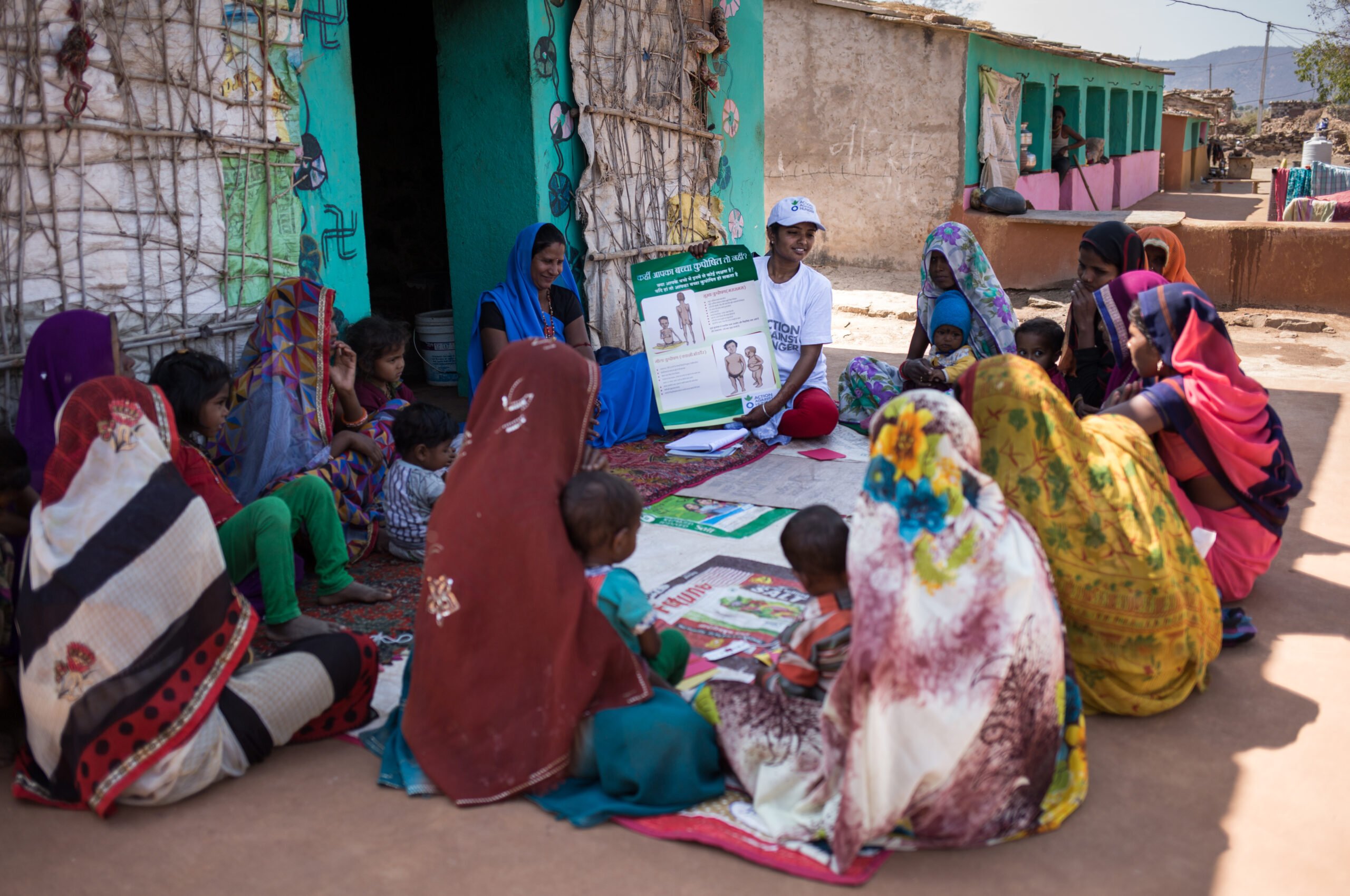
To break this cycle, Action Against Hunger focuses on practical, community-driven solutions that combine infrastructure with education:

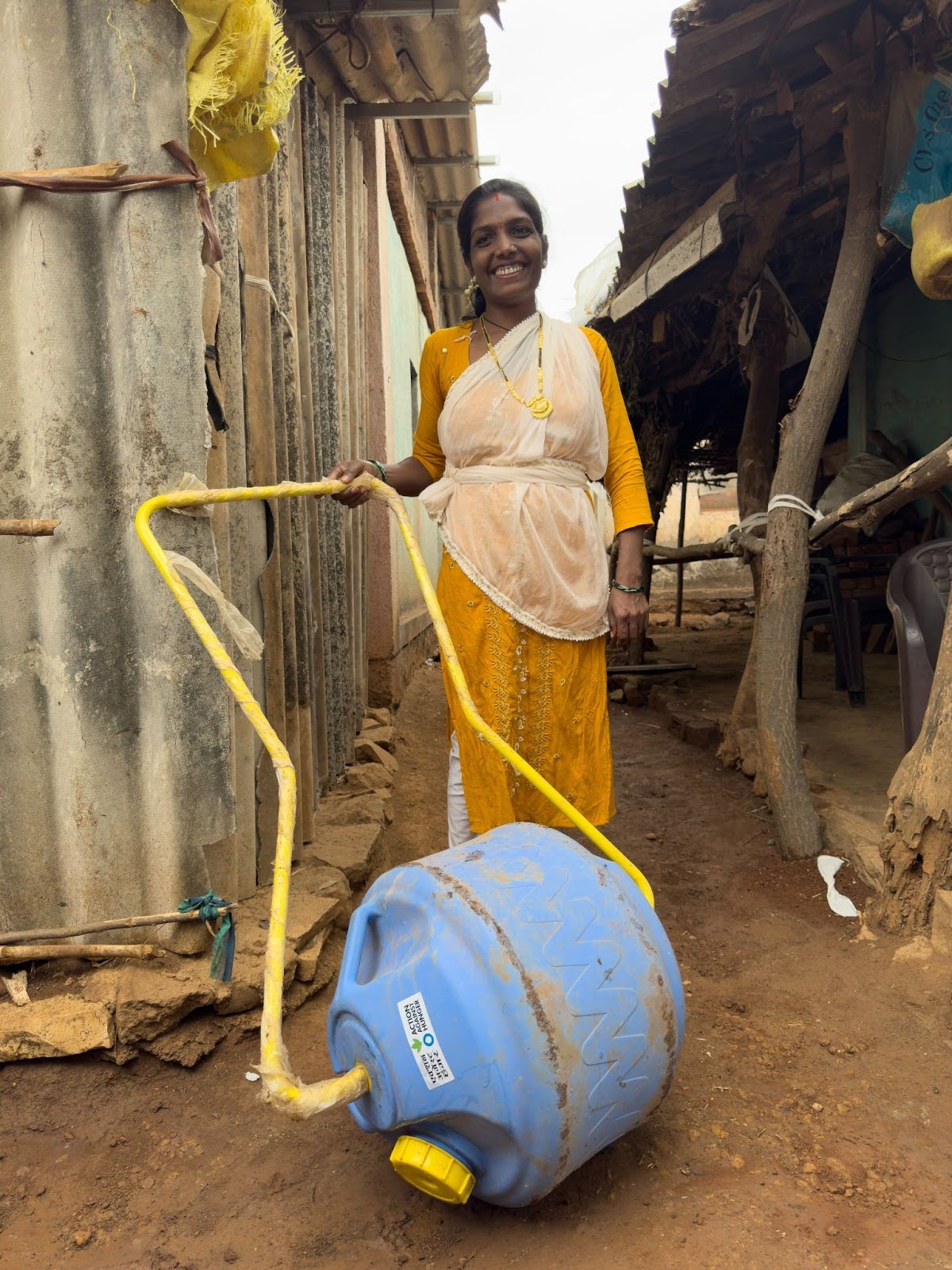
Wello Water Wheels for Daily Convenience: In villages like Jawhar and Dharni, the Wello Water Wheel makes water collection easier and less tiring for women and girls. It reduces travel distances, saves time, and promotes fair sharing of household responsibilities.

Toilets in Anganwadi Centres: Sanitation facilities are built and improved to provide children and caregivers a clean, safe space that promotes health and dignity.

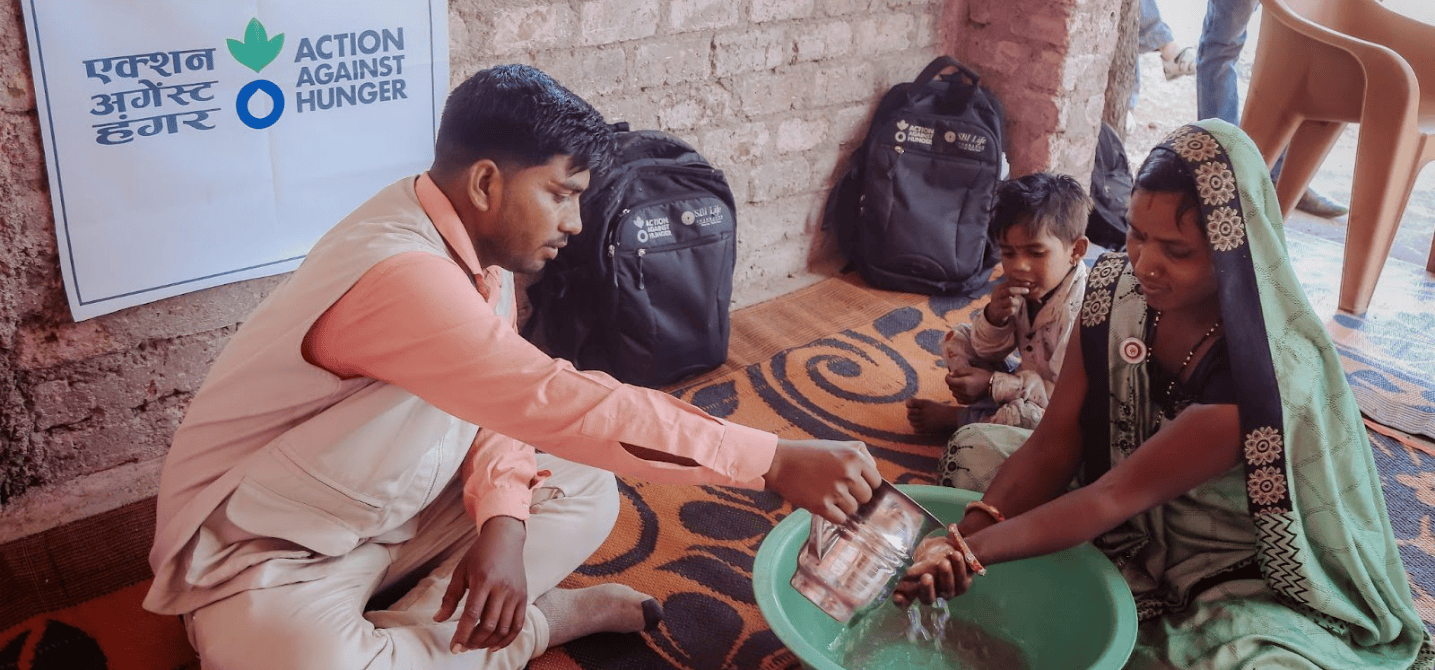
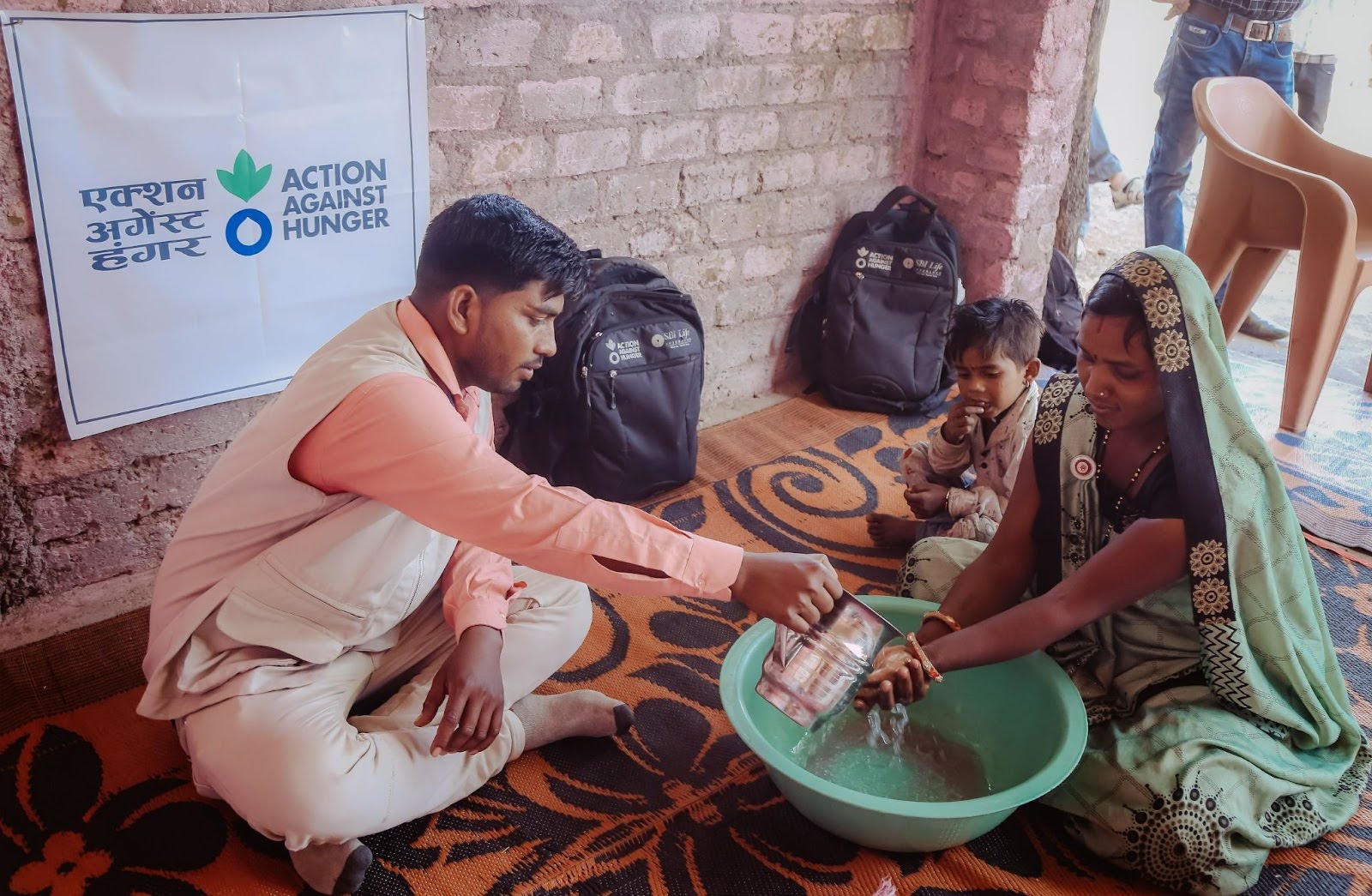
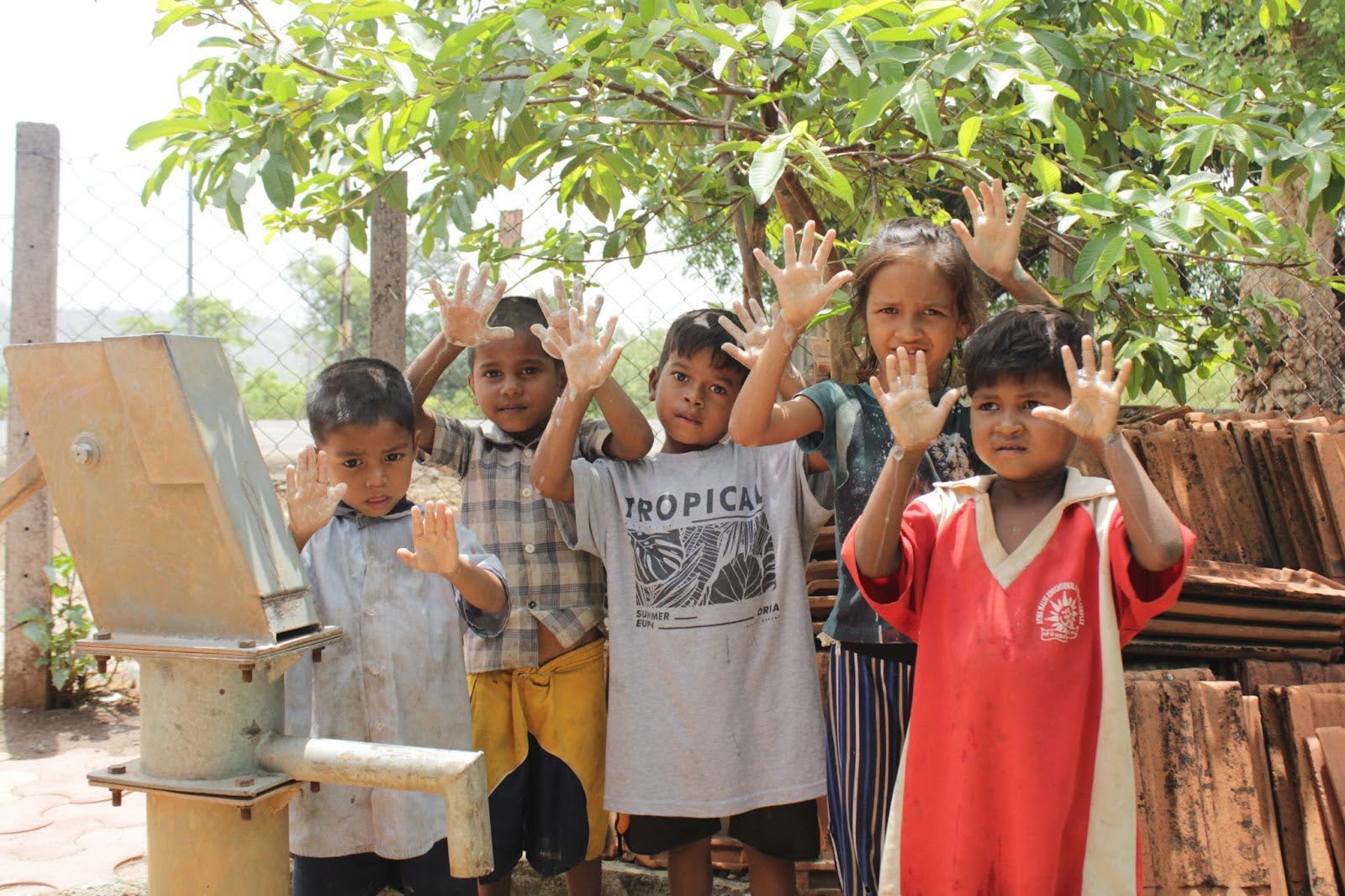
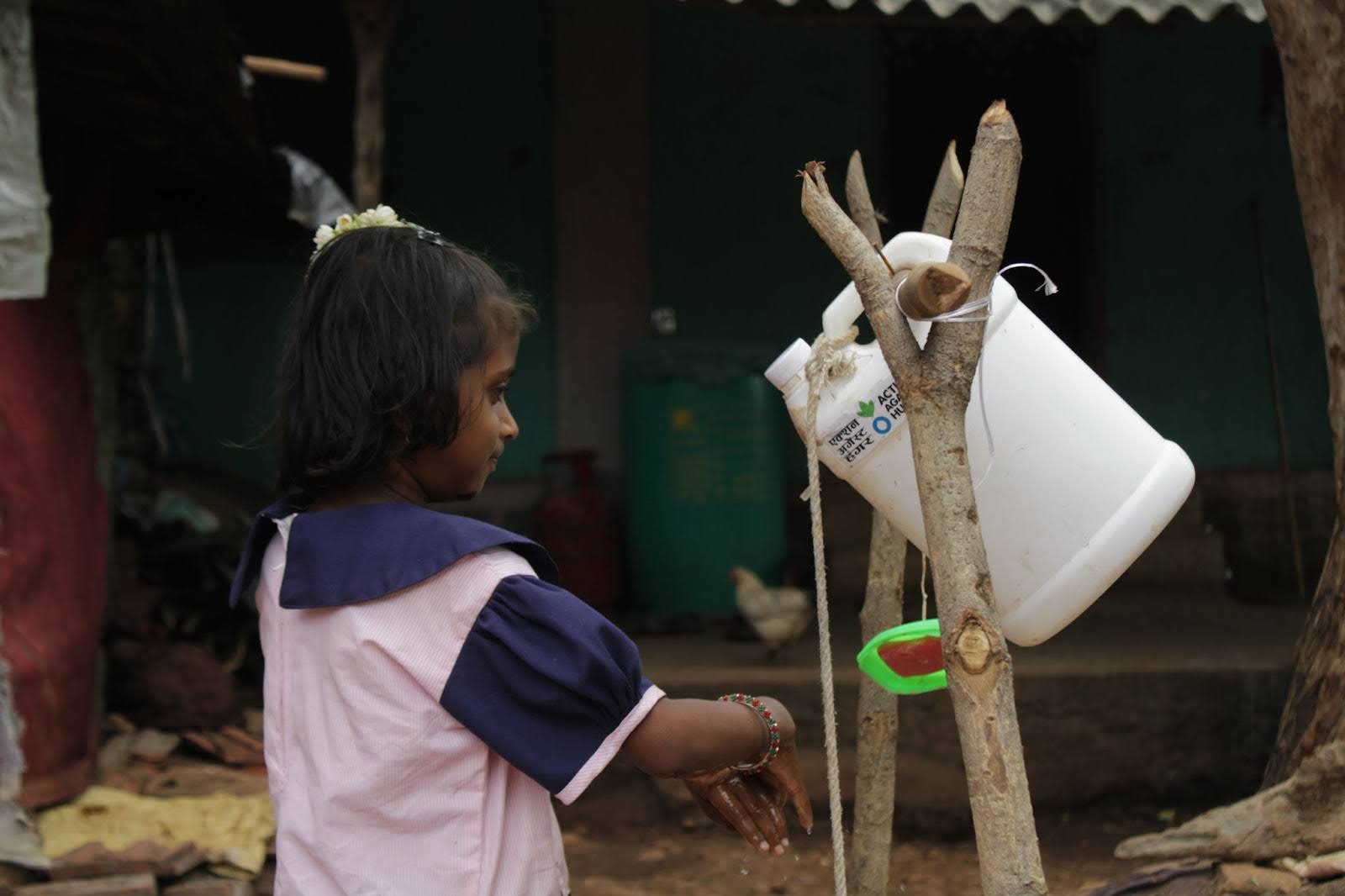
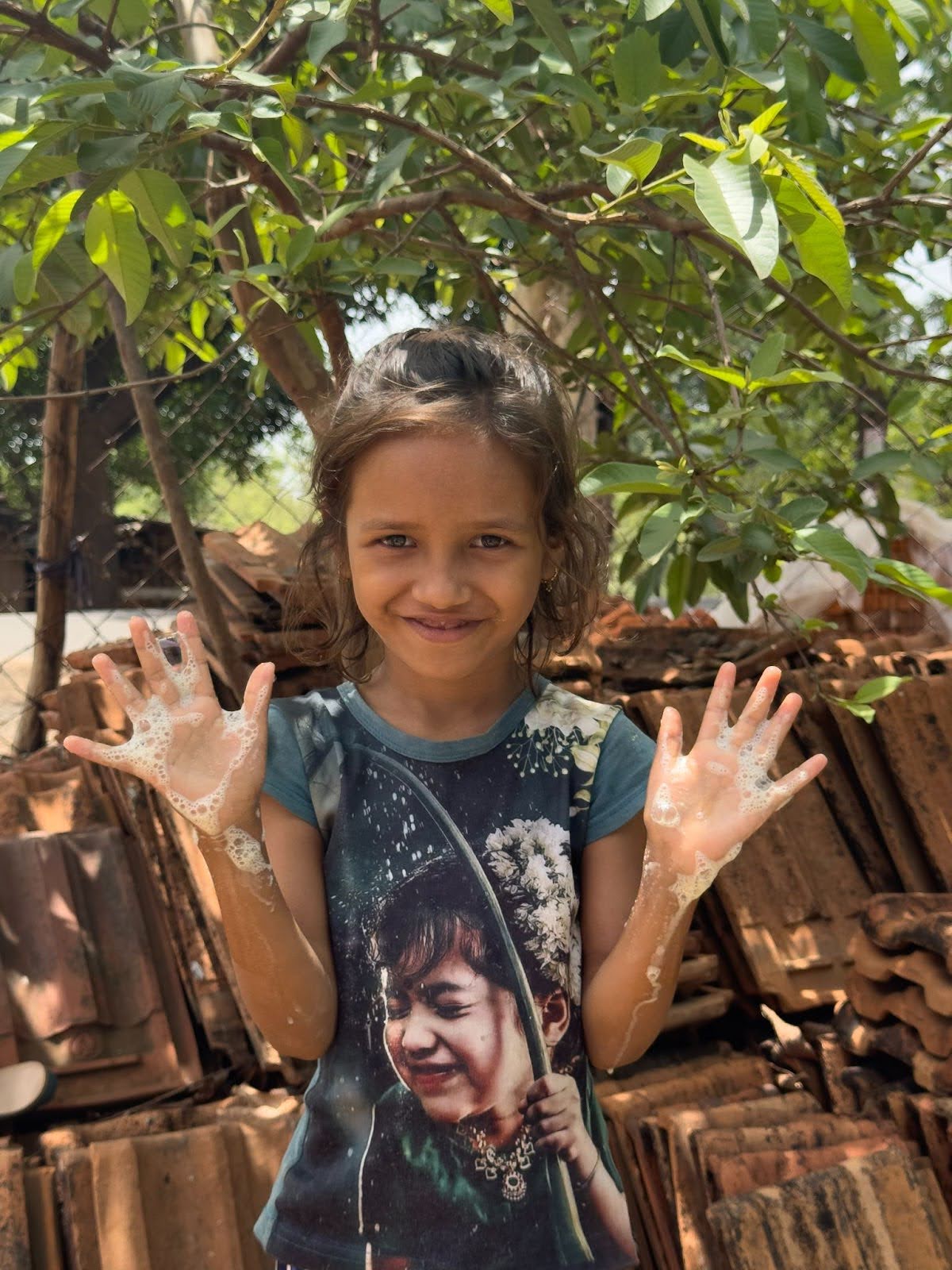
Tippy-Taps for Hygiene: Foot-operated handwashing stations are installed in schools and homes, making handwashing easy and fun while teaching children habits that improve health for the whole family.

Hygiene Awareness: Interactive sessions and demonstrations educate communities on handwashing, safe water handling, and other hygiene practices to prevent illness year-round.

Community Ownership: Local water committees are trained to manage and maintain these facilities, ensuring long-term sustainability and lasting positive change.

The undeniable link between health, water, and hygiene is clear. Let’s work to ensure that every village, no matter how remote, is empowered with the tools and awareness needed to own their health.

Anganwadis Reimagined for Brighter Beginnings

For decades, Anganwadi Centers have been the heartbeat of India’s rural child development, nurturing young minds and supporting mothers through essential education, nutrition, and healthcare services. Their role extends beyond the individual child, they impact entire villages by improving access to essential resources and creating a foundation for lifelong well-being.

The Challenge:

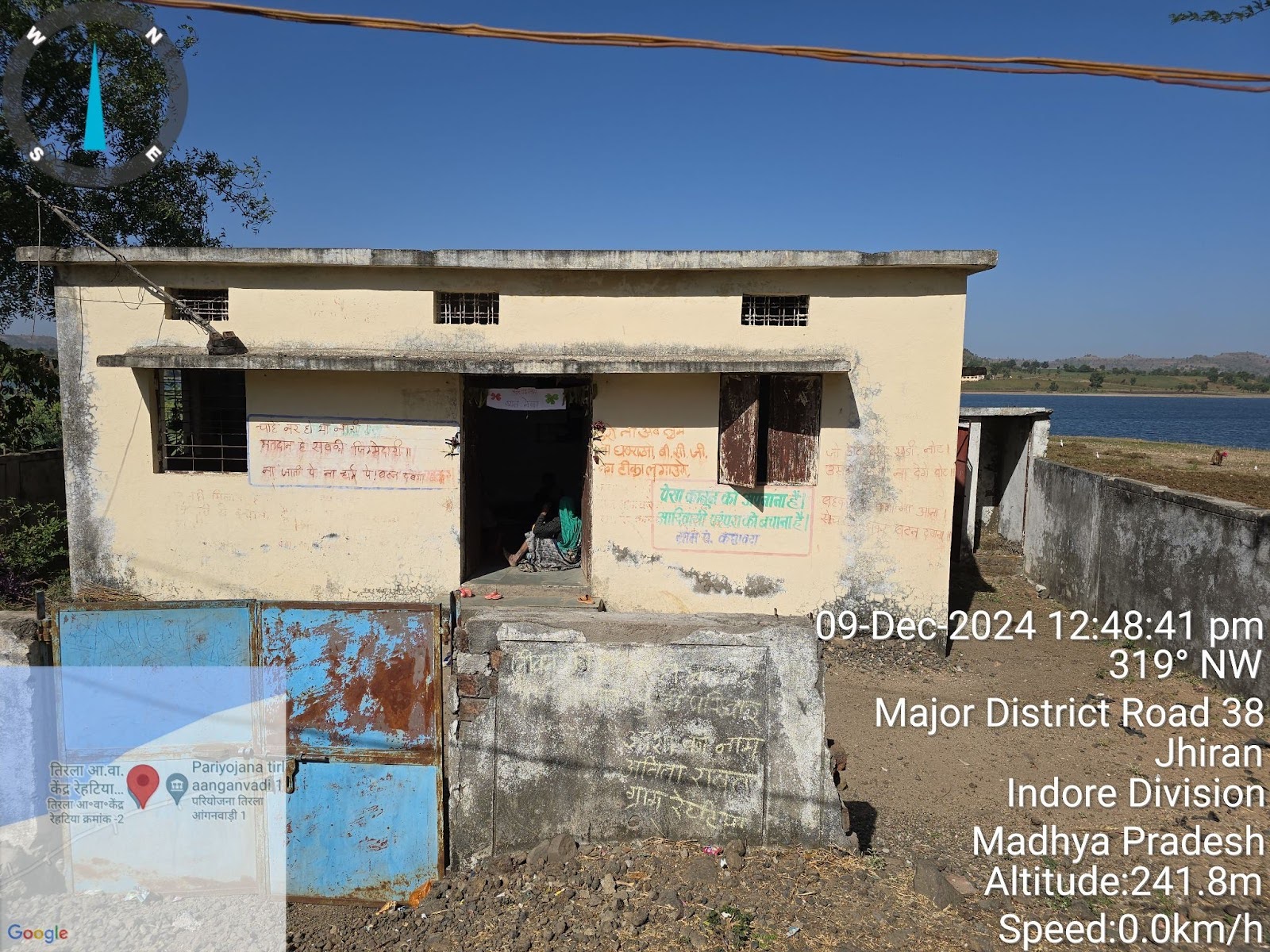
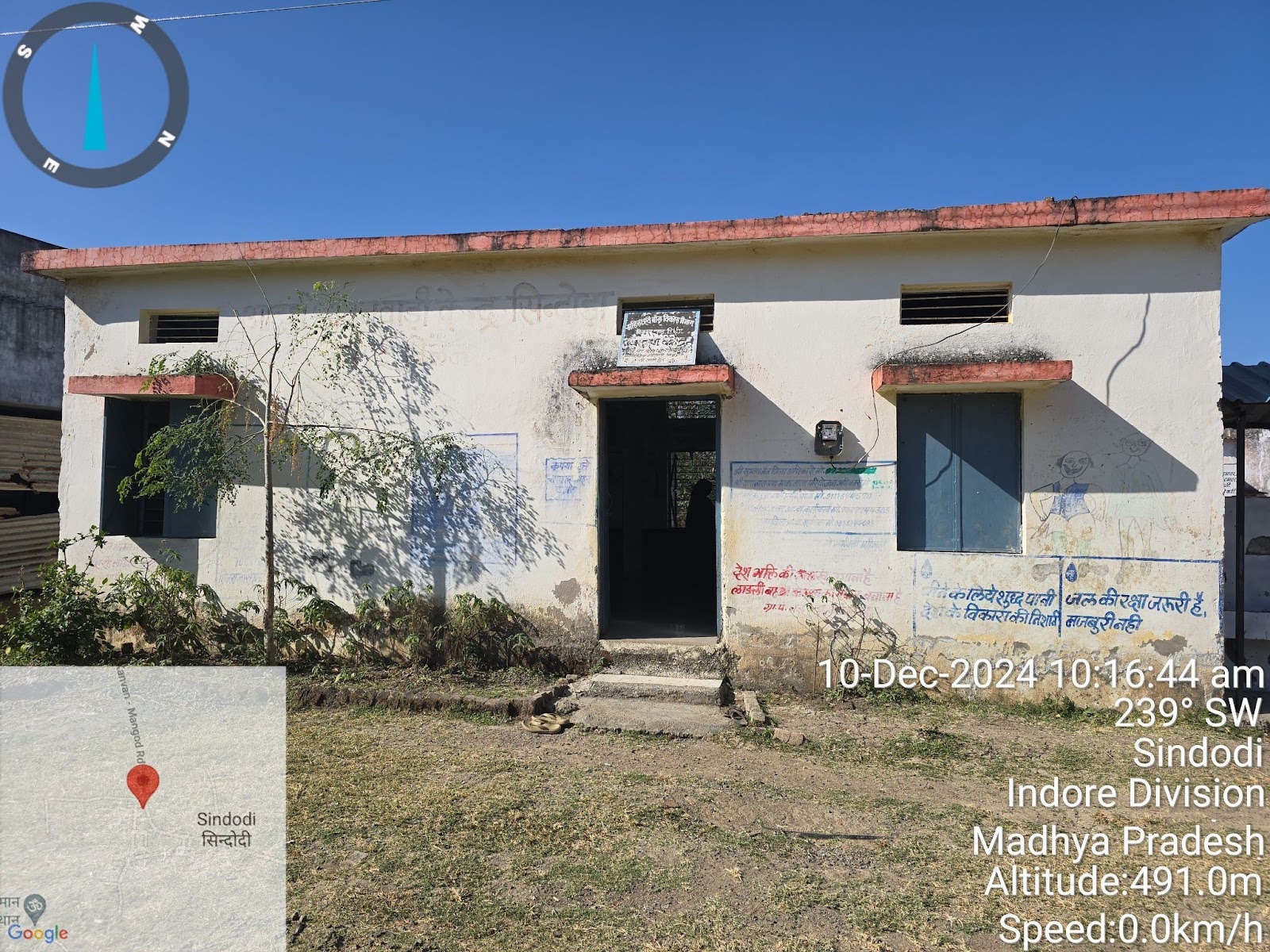
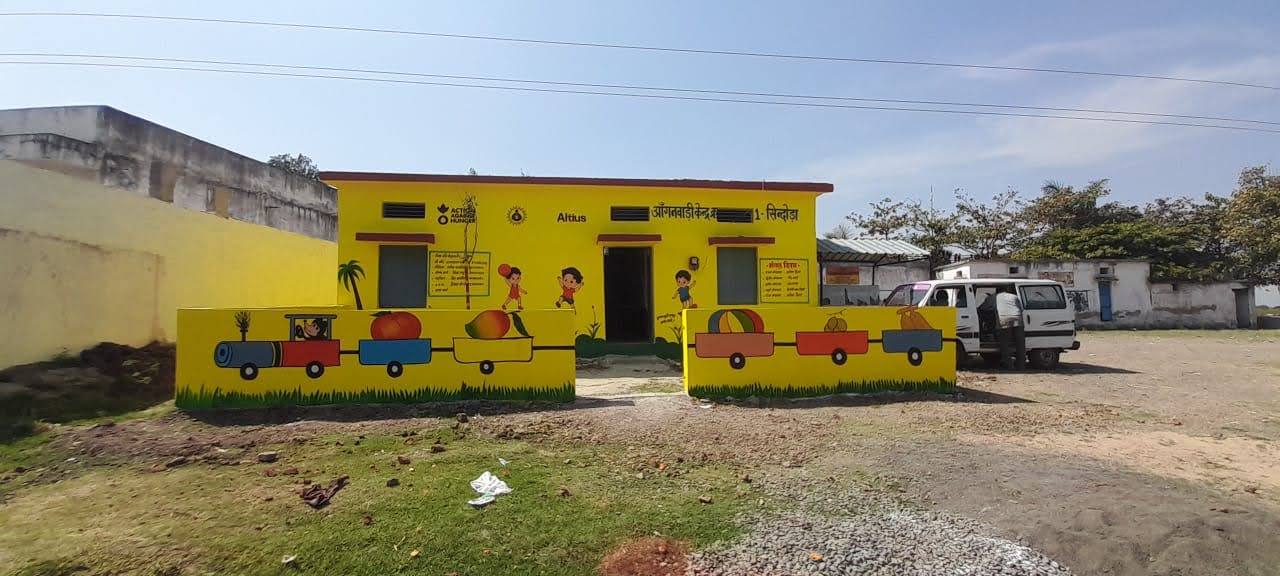
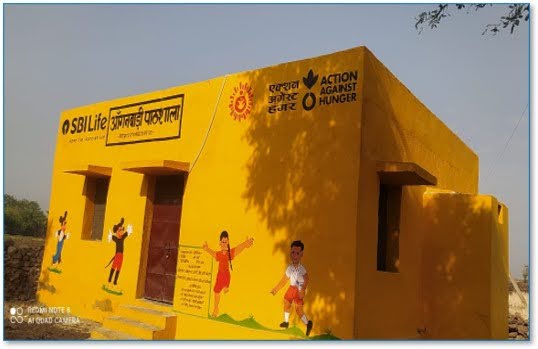
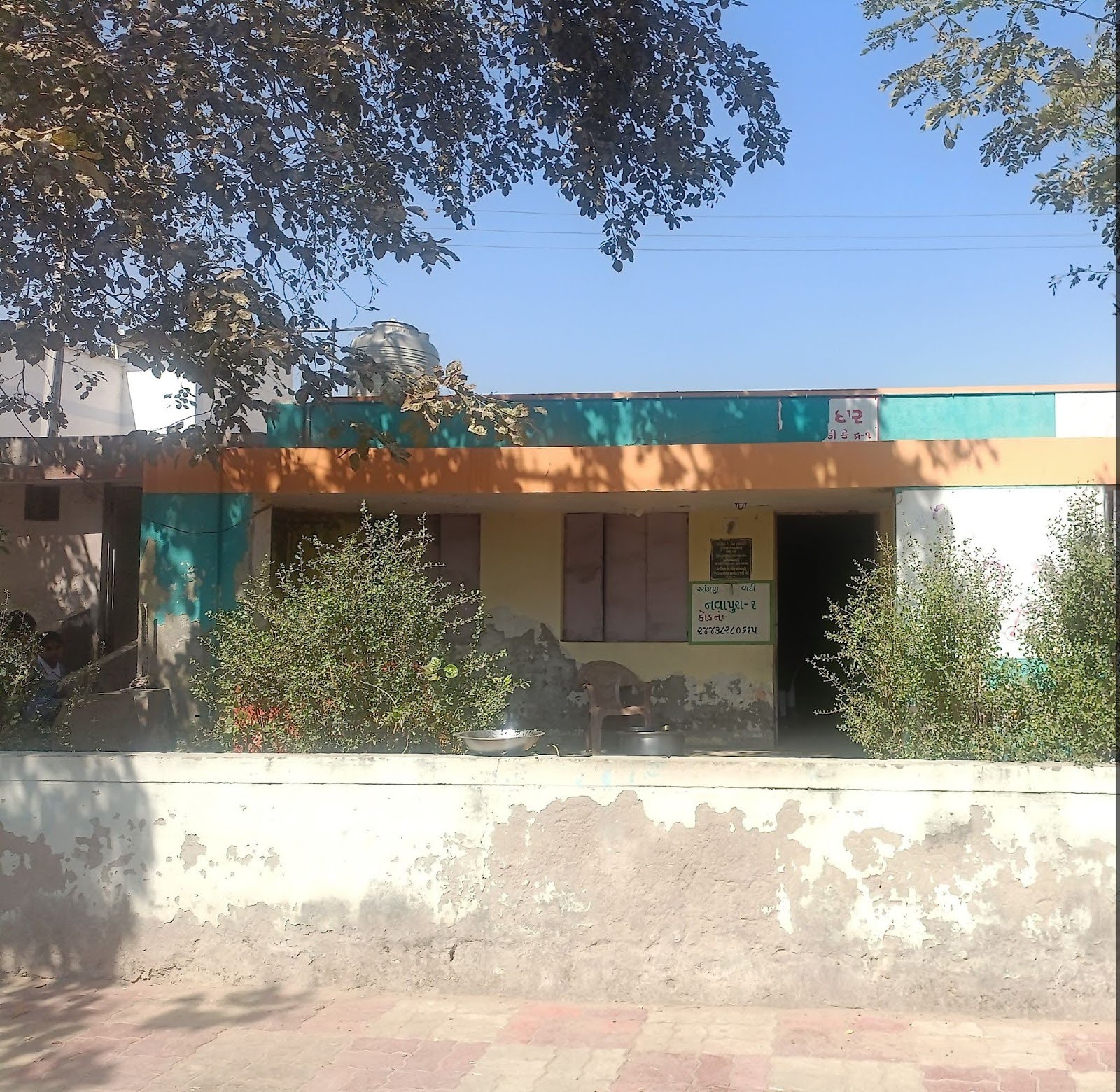
Many Anganwadi Centers in Dhar (Madhya Pradesh), Baran (Rajasthan), Sanand (Gujarat), and parts of Chhattisgarh have fallen into disrepair. Years of neglect, harsh weather, and poor sanitation threaten children’s development and mothers’ health. Without clean water, functional toilets, and safe learning spaces, children miss out on critical early learning, and mothers lose vital support. 

The Response:

Action Against Hunger India stepped in to restore hope, rebuild trust, and reimagine these spaces of care and learning.

Madhya Pradesh – Dhar


In Dhar, Madhya Pradesh, we’ve reimagined the local Anganwadi Center into a vibrant space that prioritizes care, safety, and learning. With upgraded infrastructure, modern sanitation facilities, and child-friendly amenities, the center now offers an environment that truly supports the early development of children. This transformation lays the groundwork for a healthier future and a stronger, more resilient community.


Rajasthan – Repainting Hope in Baran


In Baran, Rajasthan, we’re revitalizing Anganwadi Centers with a fresh coat of color and a renewed commitment to child well-being. These renovations go beyond aesthetics as they bring warmth, energy, and purpose into spaces where young minds begin their journey. With every new wall, piece of furniture, and child-focused enhancement, these centers are becoming places where children feel safe, seen, and excited to learn.


Gujarat – A Brighter Tomorrow in Sanand


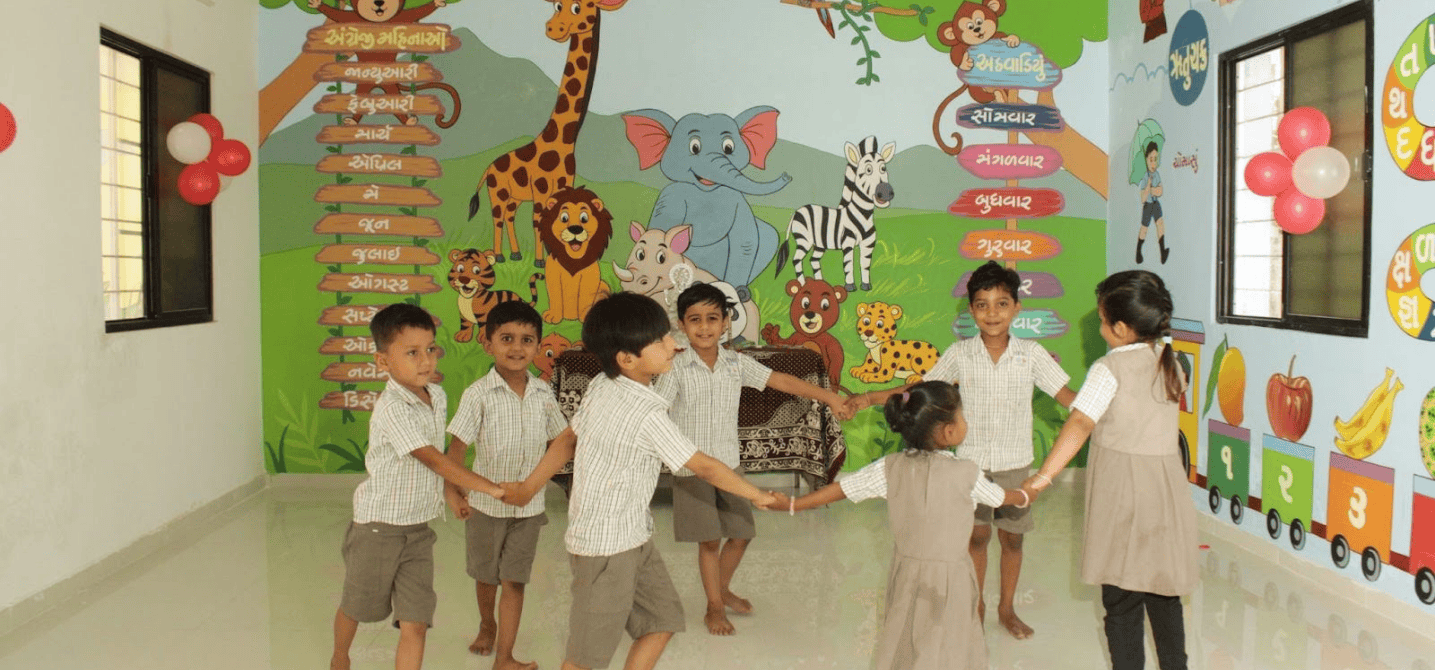
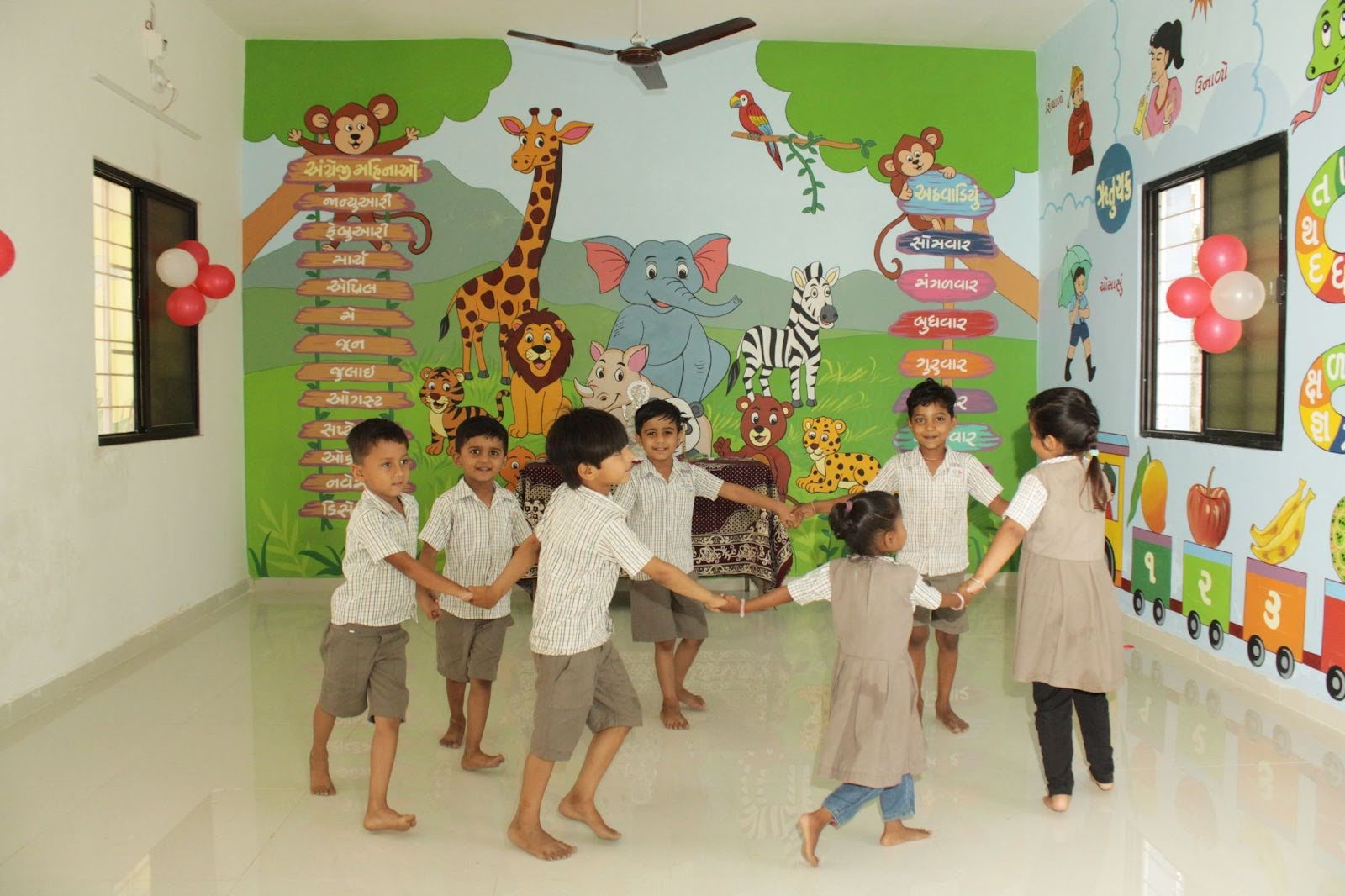
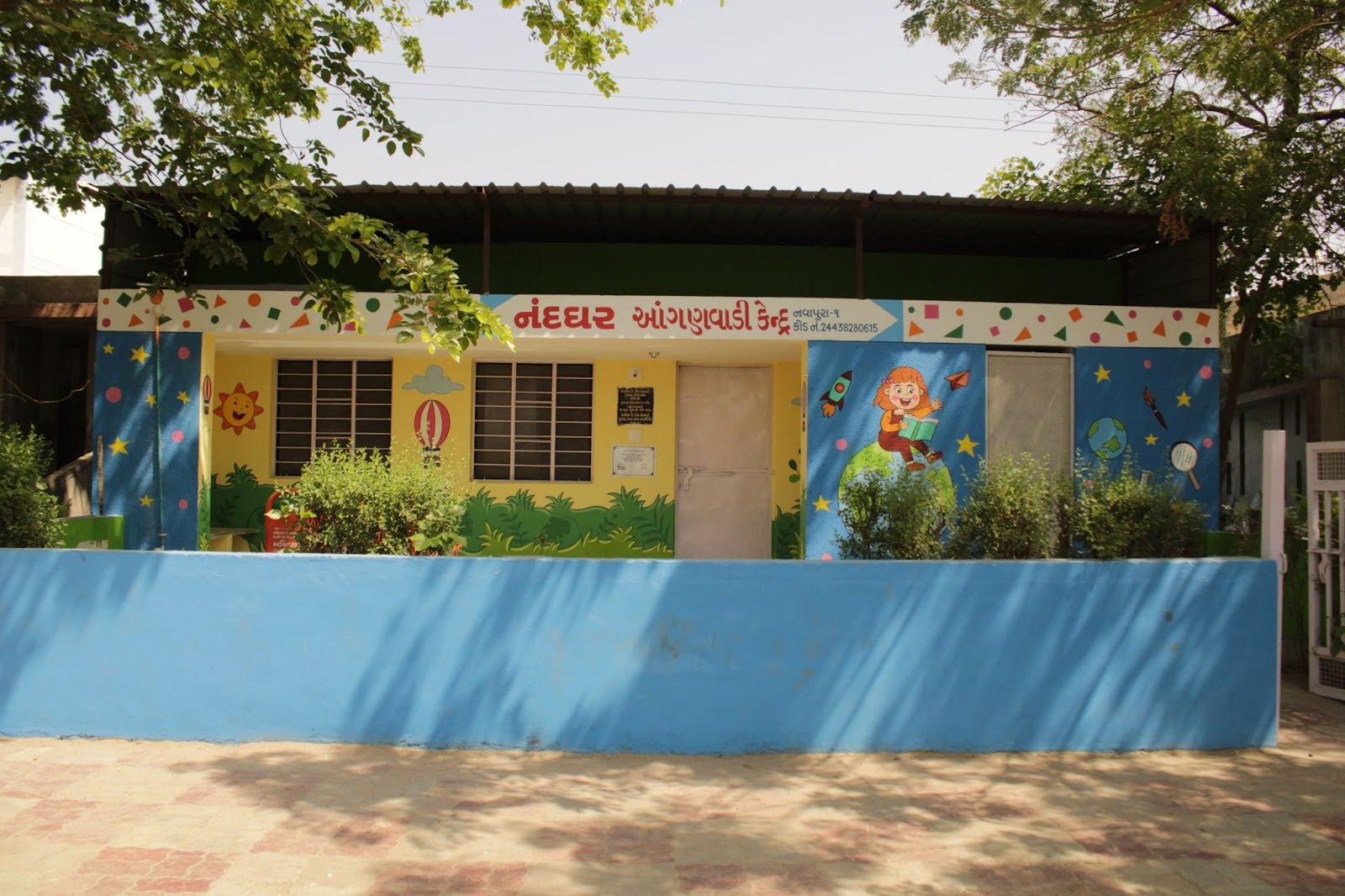
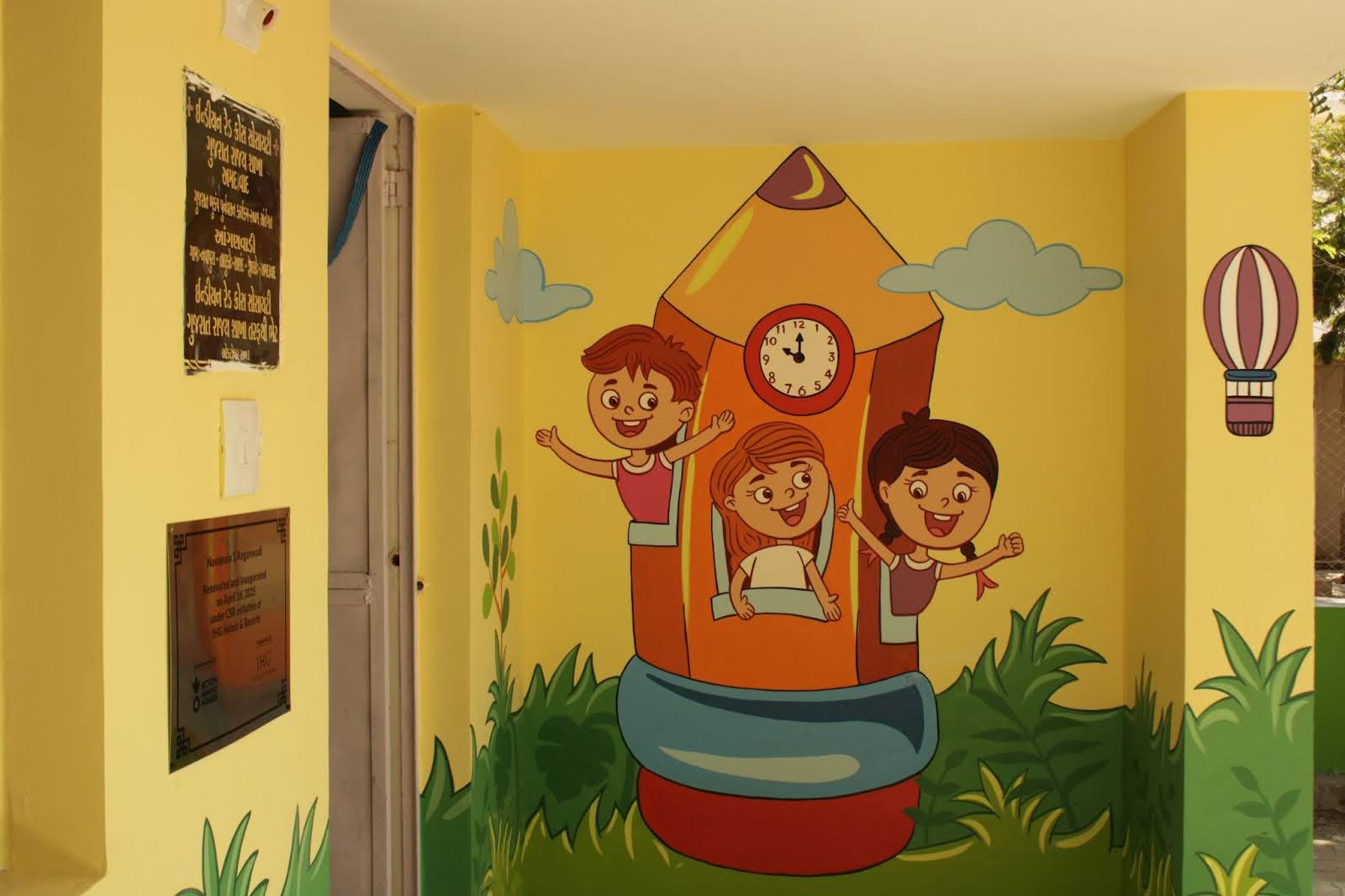
At Navapura 1 Anganwadi Center in Sanand, Gujarat, the transformation reflects our belief in creating joyful, educational spaces. As part of the Ashraya phase, we carried out civil repairs, introduced vibrant BALA (Building as Learning Aid) artwork, and upgraded basic facilities. This community-driven effort has turned the center into an inspiring place that fosters growth, creativity, and collective care.

Chhattishgarh – A Brighter Tomorrow in Gariaband


The Impact

This transformation is about more than repairing buildings, it’s about restoring dignity and creating lasting change. 

With clean water, safe sanitation, and enriched learning environments, we’re giving children the chance to grow in safe, nurturing spaces. We’re supporting mothers with the resources and care they need. And we’re strengthening rural communities from the ground up. 

Each refurbished Anganwadi Center now stands as a testament to what’s possible when compassion meets action, and a promise of brighter futures for generations to come.

Action Against Hunger: Advancing India’s Sustainable Development Goals

“We are all part of the solution to the challenges we face. Only by working together can we achieve the Sustainable Development Goals.” These powerful words from the United Nations Development Programme (UNDP) capture the essence of our mission at Action Against Hunger. 

The Sustainable Development Goals (SDGs) are a roadmap set by the United Nations to guide nations toward a better, more sustainable world. In India, we are proud to play a key role in advancing four crucial SDGs: No Poverty (Goal 1), Zero Hunger (Goal 2), Good Health and Well-Being (Goal 3), Clean Water and Sanitation (Goal 6) and Partnerships for the Goals (SDG 17). These interconnected goals focus on addressing fundamental human needs such as lifting people out of poverty, ensuring food security, promoting better health, and providing access to clean water. Through collaboration and collective action, we are working towards a healthier, more sustainable future for all.

SDG 1: No Poverty – Lifting People Out of Poverty

Poverty is a complex issue that requires multifaceted solutions. At Action Against Hunger, we believe in tackling poverty not just through immediate relief, but with long-term strategies that empower communities and provide sustainable solutions. We focus on skill development, financial literacy, and promoting improved agricultural practices, all aimed at helping individuals break the poverty cycle and build sustainable livelihoods.

In Dharni Block, Maharashtra, Bansi Sawalkar’s success with pisciculture transformed her livelihood and inspired her community. Since 2017, Action Against Hunger has supported 39 villages, and in 2023, launched a Fish Farming Project with Jaljeevika to enhance food security and livelihoods and lift people out of poverty. 

Read More Stories

SDG 2: Zero Hunger – Ensuring Food Security for All

Achieving Zero Hunger is a goal that aligns with the very essence of our mission at Action Against Hunger. We focus on preventing and treating malnutrition through nutritional support, awareness campaigns, and widespread screenings. Our work goes beyond immediate relief, as we aim to provide long-term solutions by educating families about good nutrition, including the importance of breastfeeding, complementary feeding, and sustainable agricultural practices like home gardening.

11-month-old Anshula Shaikh (name changed) from Govandi, Maharashtra, was found to have moderate acute malnutrition (MAM). She was only breastfed, lacking complementary food. Action Against Hunger’s team educated her mother on nutrition and provided Take Home Ration (THR). With support, Anshula’s health improved over time.

Read More Stories

SDG 3: Good Health and Well-Being – Promoting Health for All

Good health is the foundation of a prosperous society. At Action Against Hunger, we are committed to improving health outcomes, particularly for vulnerable groups such as pregnant women, children, and families in underserved areas. Our efforts focus on maternal health, childhood diseases, and ensuring access to essential healthcare services, such as immunizations and antenatal/postnatal care. Through home visits, training healthcare workers, and raising awareness, we help reduce maternal and child mortality while fostering healthier communities.

In Sathe Nagar, Sharda Kamble (name changed) was diagnosed with moderate malnutrition. With counselling and a shift to healthier meals, her weight rose from 12.8 kg to 14 kg in three months. Her story highlights the power of community support in fighting malnutrition.

Read More Stories

SDG 6: Clean Water and Sanitation – Ensuring Access to Safe Water and Sanitation

Access to clean water and proper sanitation is essential for good health and well-being. Through our work, we aim to improve hygiene practices and ensure that communities have access to safe water and sanitation facilities. We work on infrastructure development, conduct hygiene education campaigns, and implement initiatives like handwashing stations and community latrines to help prevent waterborne diseases and improve overall public health

Through the Tippy Taps initiative, schools in Dharni are now equipped with handwashing stations, promoting better hygiene. Installed in schools across Dhodra, Nardu, Jhajaridhana, Khidki, and Rohinkhed, the initiative teaches life-saving handwashing techniques, creating a cleaner, safer environment for students and teachers.

Read More Stories

SDG 17: Partnerships for the Goals – Fostering Collaboration for Impact

The Sustainable Development Goals are achievable only through the power of collective partnerships. SDG 17 underscores the vital need for global collaboration to tackle complex challenges and deliver sustainable solutions.

At Action Against Hunger, we prioritize building partnerships that advance macroeconomic stability, mobilize financial resources for developing countries, and promote equitable trade systems. In collaboration with the Government of India, we work to combat hunger and malnutrition, mobilize essential resources, and advocate for equitable systems. Our initiatives also focus on empowering communities and fostering grassroots change, paving the way for inclusive progress and long-term, sustainable impact.

Achieving Sustainable Change TogetherAchieving Sustainable Change Together

At Action Against Hunger, our work isn’t just about meeting immediate needs; it’s about creating lasting, transformative change. By addressing the root causes of poverty, hunger, poor health, and lack of sanitation, we’re not just improving lives, in fact we’re shaping a future where everyone has the opportunity to thrive. Through our focus on nutrition, healthcare, and hygiene, we are building stronger communities and paving the way for a healthier, more equitable world. Together, we can break the cycle of hunger and poverty, empower individuals, and ensure that no one is left behind. The journey towards a sustainable, thriving future begins with each of us. Let’s make it happen.

Newborn Care and Breastfeeding Guide for New Moms by Dr. Bhavesh D Rathod

Introduction to Newborn Care

Newborns, or neonates, are babies from birth up to 28 days old. Approximately 85% of newborns require only basic care. This guide covers essential topics such as Kangaroo Mother Care (KMC), breastfeeding stages, the importance of vaccinations, supportive environments, and regular checkups, offering new mothers a comprehensive approach to newborn care.

Kangaroo Mother Care (KMC)

Kangaroo Mother Care (KMC) is a method of skin-to-skin contact between the mother and baby to enhance bonding and stimulate breast milk production. This technique is highly beneficial for regulating the baby’s body temperature, providing warmth without the fluctuations that can occur with other methods. The following guidelines ensure optimal results with KMC:

  • Dressing: The baby should wear a cap, socks, a diaper, and a frock covering the back, ensuring skin-to-skin contact between mother and baby.
  • Duration: Each KMC session should last at least 2-3 hours to minimize handling.
  • Family Involvement: Any adult family member, including the father, can give KMC to the baby. Studies suggest that fathers providing KMC help maintain the baby’s body temperature effectively.
  • Application Settings: KMC is recommended in delivery wards, post-natal wards, NICUs, and during baby transport to prevent hypothermia, particularly in low-birth-weight infants.

KMC Don’ts

  • Avoid applying kajal or any foreign substances to the baby’s eyes.
  • Do not use oil drops in the baby’s eyes, ears, nose, or umbilical cord.
  • Do not handle babies too frequently.
  • Do not allow the baby to be in contact with sick people.
  • Refrain from giving unnecessary medications.

Advantages of Breastfeeding and it’s Stages

Breastmilk is a complete food that meets all the nutritional needs of a baby for the first six months, addressing both hunger and thirst. It provides essential nutrients, supports immune function, and fosters a strong mother-child bond . Colostrum is the first milk produced immediately after childbirth that is thick, yellowish, and packed with proteins, vitamins, and antibodies that help build the baby’s immune system.

Benefits of Breastfeeding

For the Baby:

  • Nutritional: Provides nutrients to the child as per requirement, ensuring optimal absorption and digestion.
  • Immune Support: Helps develop a strong immune system and through antibodies, protects babies from illnesses.
  • Growth and Development: Promotes cognitive and physical development, , lowers the risk of respiratory and gastrointestinal issues, and ensures emotional attachment between mother and child.

For the Mother:

  • Postpartum Health: Helps uterus contract, reducing risk of bleeding, and promotes post-partum weight loss.
  • Long-Term Health: Lowers the risks of breast cancer, cardiovascular diseases, and type 2 diabetes.

For the Family, Environment, and Community:

  • Cost-Effective: Reduces financial expenses on formula and healthcare.
  • Eco-Friendly: Less reliance on disposable bottles and formula packaging.

Importance of Vaccinations

Vaccinations are essential for preventing life-threatening infections in newborns. The first set of vaccinations, including BCG, hepatitis B, and polio, are typically administered soon after birth. Vaccines help protect against illnesses like diphtheria, tetanus, pertussis, and measles. Maintaining a vaccination schedule is vital for the baby’s immunity, and new parents should consult their pediatrician to stay informed about required immunizations and booster shots.

Supportive Environment for Mother and Baby

The early days with a newborn are both joyful and demanding. Support from family members, especially the father and other caregivers, is crucial to ensure that the mother can focus on recovery and breastfeeding. Here are ways to create a nurturing environment:

  • Father’s Involvement: Fathers can provide KMC, assist with feedings, and support the mother emotionally, creating a bond with the baby, and ensure mothers enough time to rest.
  • Caregiver Support: Family members can help with household tasks, allowing the mother to focus on breastfeeding and bonding.
  • Emotional Support: Open communication and emotional reassurance from family members can positively impact the mother’s mental well-being.

Importance of Regular Checkups

Regular pediatric checkups ensure that the newborn’s growth, nutrition, and health milestones are on track. These visits allow early detection of any health issues and provide an opportunity for parents to ask questions about care, breastfeeding, and vaccinations. Schedule the first checkup within a few days after birth, with subsequent appointments guided by your paediatrician.

Conclusion

The first few weeks of a newborn’s life are critical for bonding, nutrition, and development. Practising Kangaroo Mother Care, ensuring successful breastfeeding, adhering to a vaccination schedule, creating a supportive environment, and scheduling regular checkups are all essential steps for maternal and infant health. This comprehensive approach to infant feeding not only promotes the baby’s growth, immunity, and attachment but also strengthens the family bond. Breastfeeding, in particular, offers numerous advantages by providing essential nutrients, supporting maternal-infant attachment, and fostering long-term health benefits.

Remember, when in doubt, always consult with a healthcare provider to address any concerns about your newborn’s health and development.


References

  1. Kangaroo Mother Care & Optimal Feeding of Low Birth Weight Infants (Operational Guidelines) Available at: https://nhm.gov.in/images/pdf/programmes/child-health/guidelines/Operational_Guidelines-KMC_&_Optimal_feeding_of_Low_Birth_Weight_Infants.pdf
  2. WHO – Infant and Young child feeding. Available at: https://www.who.int/news-room/fact-sheets/detail/infant-and-young-child-feeding
  3. National Immunization Schedule. Available at: https://nhm.gov.in/New_Updates_2018/NHM_Components/Immunization/report/National_%20Immunization_Schedule.pdf


Author

Dr. Bhavesh D Rathod

Dr. Bhavesh D. Rathod is an accomplished medical professional, currently practicing as a Pediatrician and Neonatologist. With an MBBS and MD in Pediatrics, he is dedicated to the healthcare and well-being of children.

Unquenchable Thirst: The Endless Water Crisis in Rural India by Dr Roshni Vakilna

Picture Courtesy: The Gray Matter

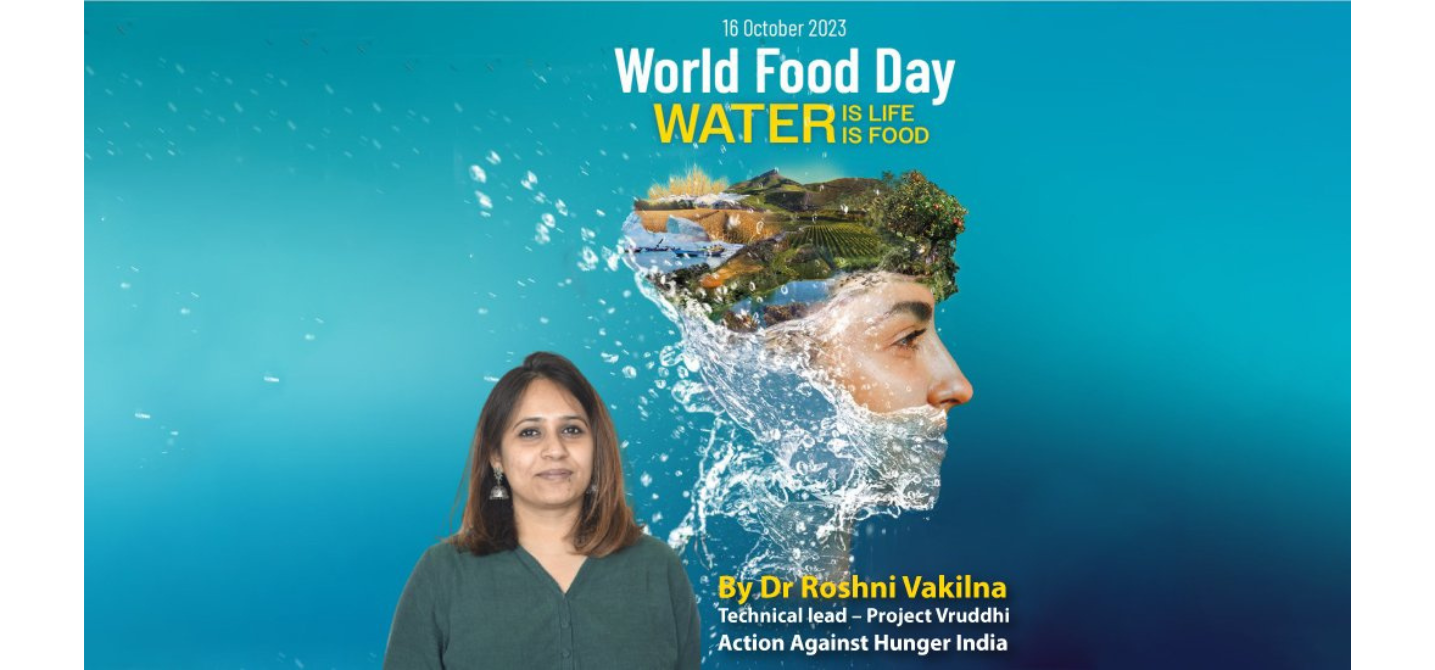
As we mark World Food Day under the compelling theme, “WATER IS LIFE, WATER IS FOOD. LEAVE NO ONE BEHIND,” it’s imperative that we reflect on the profound role that water plays in shaping our lives, economies, and ecosystems.


Dr. Roshni Vakilna
serves as the Technical Lead for Project Vruddhi at Action Against Hunger in Gandhinagar, Gujarat. Her dedication and expertise are driving innovative solutions to combat hunger and create a brighter, more sustainable future for communities in need. Dr. Vakilna, a brilliant mind is a passionate advocate for positive change.

Water is the lifeblood of our planet, an indispensable element that not only sustains us but also underpins the very foundation of our global food systems. As we mark World Food Day under the compelling theme, “WATER IS LIFE, WATER IS FOOD. LEAVE NO ONE BEHIND”, we must reflect on the profound role that water plays in shaping our lives, economies, and ecosystems.

With over 50% of our bodies composed of it and 71% of the Earth’s surface covered by it, water’s significance is undeniable. However, the troubling reality is that while only 2.5% of water is fresh and suitable for essential purposes like drinking and agriculture, we are facing an unprecedented challenge. Rapid population growth, urbanization, economic development, and the relentless impacts of climate change are straining our precious water resources, pushing them to the brink.

As fresh water becomes scarcer, it’s often the world’s most vulnerable communities, including smallholder farmers, Indigenous Peoples, migrants, and refugees, who bear the brunt of this crisis, sparking competition and conflicts over access to this life-sustaining source. In this pressing context, it is our collective responsibility to safeguard this invaluable resource and ensure that no one is left behind in our pursuit of a sustainable and equitable future.

In rural India, the struggle for access to clean and sufficient water is an ongoing crisis that refuses to relent. Recent data underscores the severity of the issue, with nearly one-fifth of rural habitations falling short of the minimum entitled water quantity of 40 liters per capita per day, equivalent to just two buckets a day. This water scarcity intensifies during the dry season, ushering in a period of dire need. With the onset of summer, media reports flood in from various corners of the country, highlighting the escalating drinking water crisis. For weeks, if not months, a significant portion of India’s population—especially those in rural areas—grapples with the harsh reality of water scarcity. During this time, millions of rural residents, along with their livestock, embark on a relentless battle for survival. It’s a recurring nightmare, exacerbated by insufficient rainfall and drought-like conditions in various parts of the nation. Reports indicate plummeting groundwater levels, dwindling lakes, drying wells, reservoirs, and rapidly vanishing dams.

As the mercury soars and heatwaves become increasingly severe, several regions in Gujarat face an alarming water crisis, particularly affecting Saurashtra, Kutch, North Gujarat, and parts of tribal areas in central and South Gujarat. Over 20 districts suffer from severe water scarcity, with towns and villages receiving water only twice a week. In more than 500 villages across 14 districts, drinking water is delivered via tankers, a number expected to rise.

The crisis manifests differently in rural and urban contexts, influenced by various factors such as water supply systems, institutional accountability, socio-economic conditions, and reliance on different water sources.

Historically, rural areas have leaned on community-managed water sources, like wells and ponds, accessible to specific communities. Public or common property sources, including lakes and rivers, were also used for drinking. A minority of affluent households had exclusive water sources. This reliance on community water sources introduced its own set of challenges, including laborious water collection processes, poor water quality, seasonal shortages, and a lack of maintenance. Additionally, certain social groups were excluded from specific water sources. In response to these challenges, individual and household-level piped water supply systems were introduced to complement community sources. Access to piped water at the household level came to be seen as an indicator of an improved standard of living, particularly in urban areas. This concept gradually extended to rural India in the era of local governance. Since Independence, numerous programs have aimed to provide rural households with individual water connections, a goal that remains central to all drinking water schemes today. However, despite decades of effort, progress in this area remains limited and unsatisfactory. Recent statistics reveal that only 18% of rural households have piped water supplied to their dwellings. Over half of rural households still rely on public or common water sources. The Comptroller and Auditor General (CAG) noted that despite an expenditure of Rs 81,168 crores, the coverage of rural habitations only increased by 8% at 40 liters per capita per day during 2012-17. More than half of rural households (51%) rely on sources like tubewells, handpumps, or borewells for their water needs, sources that often run dry during the summer as groundwater levels decline.

The decline in community and common property water resources, along with neglect and privatization by dominant rural sections, has led to their progressive disappearance from the rural landscape. Government water supply programs have fallen short in establishing sustainable water supply mechanisms. These programs often prioritize achieving numerical targets rather than ensuring the sustained availability of water. Consequently, there are few efforts to introduce techniques that can preserve local sources, preventing scarcity and fluctuations in drinking water availability. It’s crucial to preserve, conserve, and revive traditional and common water sources with public and state intervention as part of water supply programs. Simultaneously, access to common resources should not replace the provision of household-level piped water connections. These approaches must complement each other, adapting to local needs and conditions. Such efforts are especially critical in drought-prone regions to ensure access to clean, reliable water throughout the year.

It’s the moment to embark on a journey of prudent water management! What steps should YOU take?

    1. Rethink Our Relationship with Water: It’s crucial for all of us to recognize the value of water and cease taking it for granted.
    2. Mindful Food Choices: Our food choices have a significant impact on water resources. Opt for locally sourced, seasonal, and fresh foods to reduce water consumption in food production.
    3. Minimize Food Waste: Cutting down on food wastage is another way to conserve water. Be mindful of how much food you buy and consume and find creative ways to use leftovers.
    4. Safe Reuse Practices: Embrace safe methods of reusing water while being vigilant about preventing water pollution.
    5. Collaborative Action: Together, as a collective, we can take meaningful steps towards securing a sustainable water future for food, people, and our planet.

“Originally written and edited for The Gray Matter”

Unraveling Malnutrition’s Global Puzzle – A Comparative Study of Interventions and Impact in India and Beyond

A Comparative Analysis of the Causes, Consequences, and Interventions Undertaken to Mitigate Malnutrition and hunger in India and Around the World

Aim: This article aims to investigate the issues of hunger and malnutrition in India and globally, comparing and contrasting the causes, consequences, and interventions. 

Abstract: This research article discusses and compares the food, nutrition insecurity of India, Yemen, Somalia and Haiti. This article also discusses the existing safety net schemes like Integrated Child development scheme and Public distribution scheme by the government of India to support the vulnerable section of the society to ensure food and nutrition security across different age groups. It further mentions Action against Hunger’s initiatives towards building a nutrition resilient community through its nutrition sensitive and nutrition specific interventions.

Introduction

Malnutrition refers to a condition that arises when the body does not receive adequate nutrients to maintain optimal health and functioning. It can result from a deficiency, an excess, or an imbalance of nutrients in the diet. Malnutrition can affect people of all ages, from infants and children to adults and older people, and is a significant global health concern. 

India has alarming malnutrition rates among children under five. Poverty, limited access to nutritious food, and inadequate healthcare contribute to this crisis. Even with the government having several initiatives to combat the issue and improve healthcare services, there are significant challenges in executing the same.  

Globally, nutrition crises continue to have devastating impacts. From Yemen and Somalia to Haiti, many countries are still struggling to address the nutritional needs of their citizens. This article aims to understand the causes and consequences of such food crises in India and globally and examine interventions undertaken to mitigate the problem.  


Methodology 

This article employed multiple data collection methods to facilitate comprehensive analysis and establish meaningful correlations.  

Primary data: A comprehensive interview was conducted with a distinguished expert from an esteemed organisation working in the field to address the issue – Action Against Hunger. A concise summary of the discussion, rewritten for easy understanding, has been included in the paper.  

Secondary data: Reliable sources and journal articles were used for a comparative analysis of the causes, consequences, and interventions executed to combat hunger in India and three other countries – Yemen, Somalia, and Haiti.   
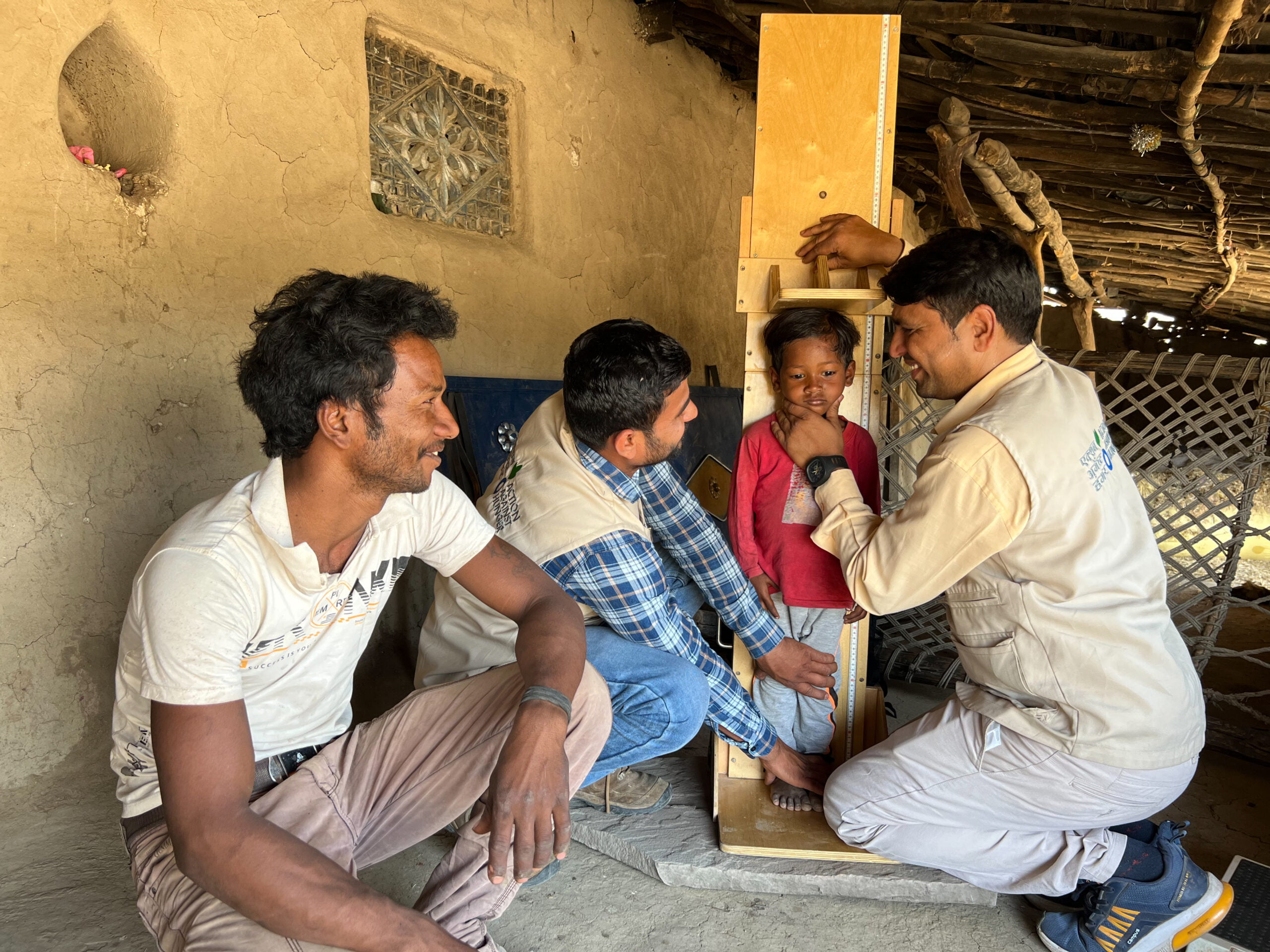

Causes, Consequences, and Interventions for Hunger Crisis Around the World

Unfortunately, global hunger remains a pervasive issue today, resulting in approximately 25,000 deaths each day, with 10,000 of them being children, as reported by the United Nations. This dire situation has been further exacerbated by escalating food prices and the exorbitant fuel cost.

For this article, the food crisis is explained in these three specific countries – Yemen, Somalia, and Haiti.

 Since 2015 the civil war has led to violence, migration and breakdown of all kinds of essential infrastructure which disrupted agricultural production, distribution channels and access to food leading to a dire humanitarian situation in Yemen.  The severity of hunger has reached unparalleled levels now resulting in immense suffering for millions of individuals. It is reported that malnutrition levels are fairly high in Yemen with 1.3 million undernourished pregnant and lactating mothers, nearly 2.2 million undernourished children have been identified that need to be treated for acute malnutrition. 

 Similarly, Somalia is facing the dire hunger crisis due to grappling and devastating effects of droughts in the Horn of Africa. The situation is catastrophic as nearly 6.5 million individuals are facing food insecurity. Somalia has faced a different kind of crisis back in 2011 where nearly quarter of a million lives were lost due to famine. 

The cause of severe hunger issues in Haiti is due to food insecurity caused by poverty, deforestation and soil erosion have impacted agricultural productivity. Not only the country struggles with inadequate infrastructure but the climatic changes are badly affecting the harvests. Due to food and nutrition insecurity the population especially, children have become susceptible to infections.
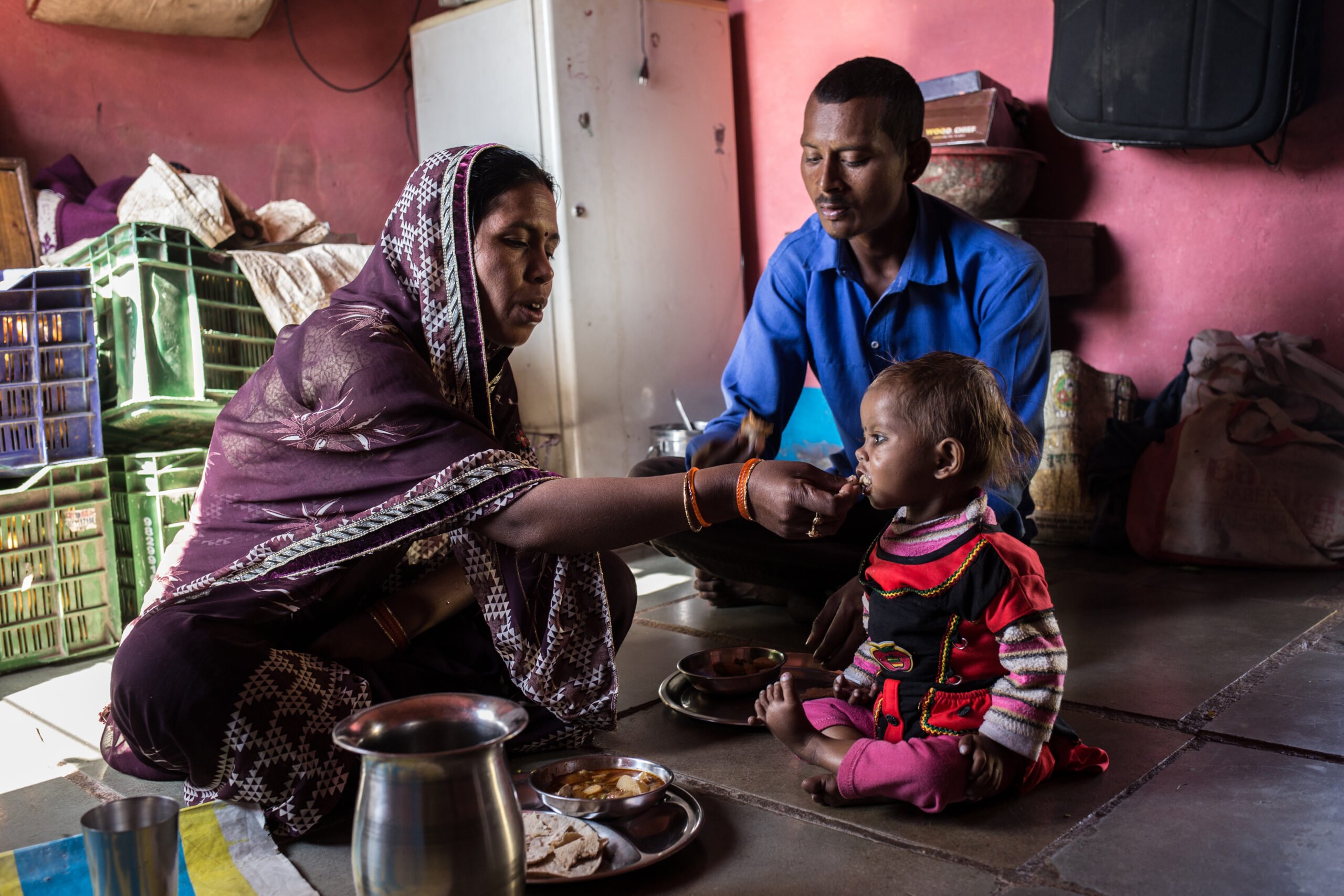
Existing scenario of malnutrition in India

India has one of the highest rates of malnutrition globally. According to the National Family Health Survey (NFHS-5) conducted in 2019-21, nearly 36% of children under the age of five in India are stunted (low height for age), 19% are wasted (low weight for height), and 32% are underweight.

Malnutrition rates vary across different states and regions of India. Generally, states with higher poverty rates and lower socioeconomic indicators tend to have higher malnutrition rates. In India, Bihar has the highest malnutrition rate, while Pondicherry and Sikkim have the lowest malnutrition rates. 

 Contributing factors to malnutrition in India 

Malnutrition in India is caused by a complex interplay of factors, including poverty, limited access to nutritious food, inadequate healthcare facilities, poor sanitation and hygiene, and insufficient maternal and child care practices. These factors contribute to a significant impact on both children and mothers.For children, malnutrition poses serious health and developmental challenges, leading to physical and cognitive impairments, reduced immunity, heightened susceptibility to diseases, and increased mortality rates.

Similarly, malnourished mothers face adverse consequences. They are more likely to give birth to underweight babies, perpetuating the vicious cycle of malnutrition. Maternal malnutrition also raises the risk of complications during pregnancy and childbirth, further exacerbating the health and well-being of both mothers and their infants. 

Government Interventions to Combat Hunger in India 

The Indian government has implemented various programs to address malnutrition, including the Integrated Child Development Services (ICDS) scheme, which involves providing food, preschool education, and primary education to children under six years of age and their mothers, the National Health Mission (NHM), and the National Nutrition Mission (POSHAN Abhiyaan). These governmental programmes aim to reduce child stunting, underweight and low birth weight by two percentage points per annum and anaemia among children (and young females) by three percentage points per annum.

These governmental initiatives aim to improve the availability of nutritious food, enhance healthcare services, promote breastfeeding, and raise awareness about proper nutrition. The government also undertook the “1000-day initiative”, which provides parents and healthcare workers with the most recent and up-to-date knowledge regarding the most critical factors that can impact a child’s cognitive development during the first 1000 days of a child’s life, starting from conception. 
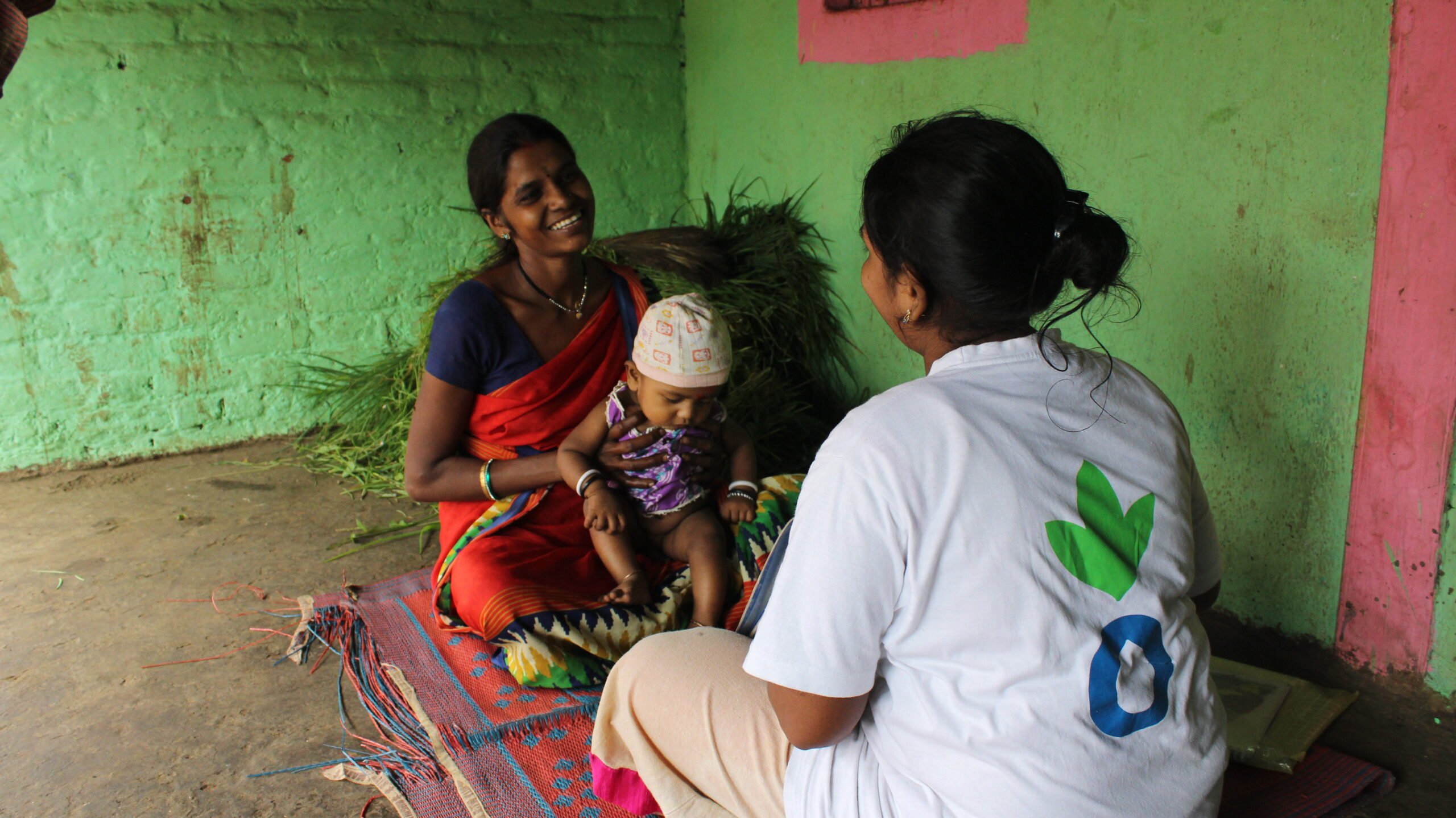
Challenges in Addressing the Food Crisis in India

Despite efforts to tackle malnutrition, several challenges persist, such as poverty, lack of awareness, poor infrastructure, and the complex nature of the issue. Implementation gaps, inadequate funding, and limited coordination among sectors such as health, agriculture, environment, sanitation, gender, and education hinder progress in effectively combating malnutrition.  

Insights from an expert working in the field in India 

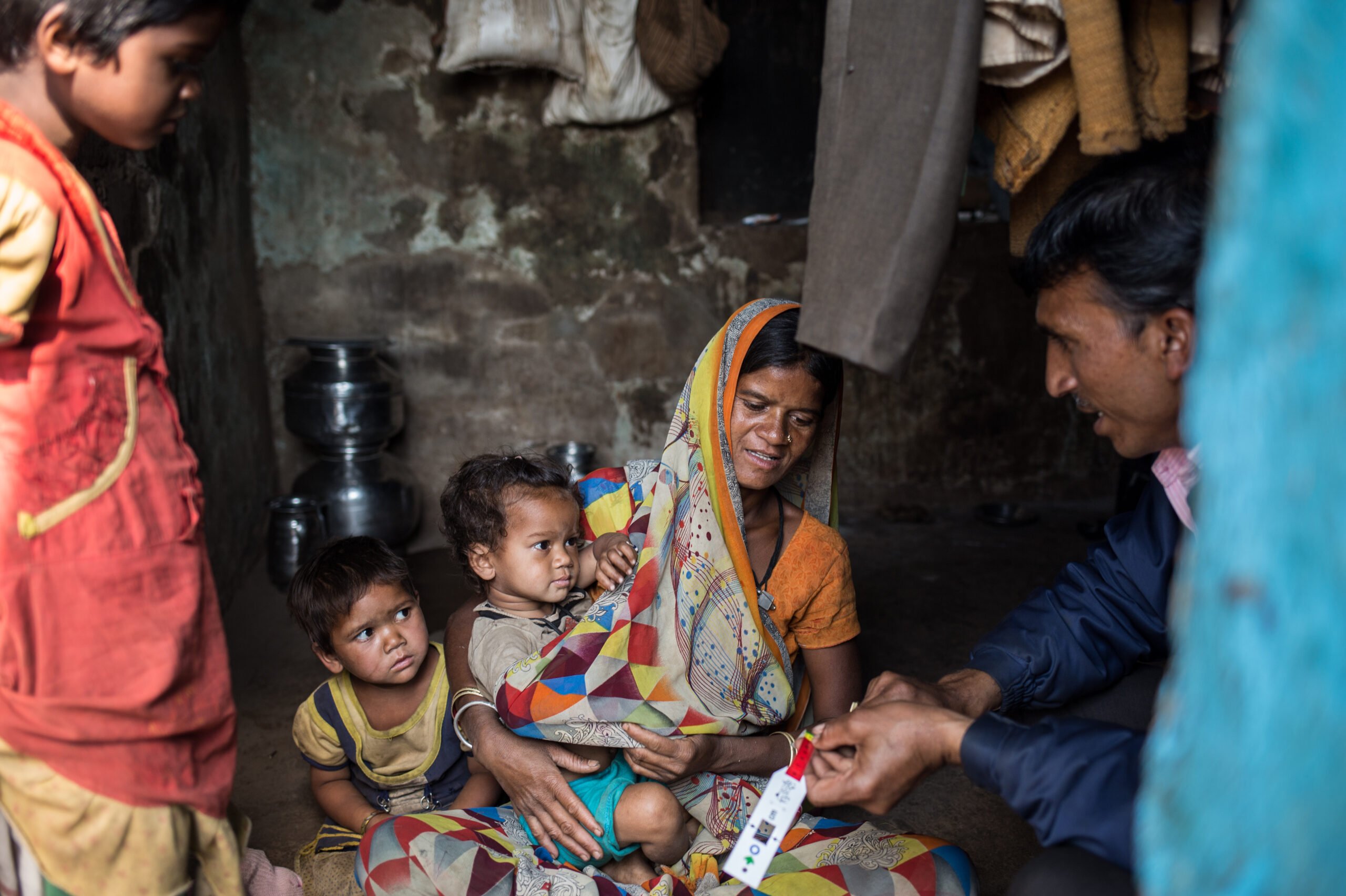
Action Against Hunger India is actively engaged in addressing malnutrition by prioritizing various key areas. Their efforts are focused on enhancing nutrition literacy, promoting food security, and improving livelihood opportunities. Additionally, they aim to ensure access to clean water, sanitation, and hygiene, all of which are vital during the crucial 1000-day period of a child’s life.

To combat malnutrition effectively, the organization provides support and counselling to both primary and secondary caregivers of malnourished children. Through these efforts, they seek to strengthen nutrition-sensitive practices and create sustainable solutions. One way they do this is by establishing poultry farms, kitchen gardens, and pisciculture ponds. Concurrently, Action Against Hunger consistently offers guidance on WASH (Water, Sanitation, and Hygiene) practices and introduces cost-effective hand hygiene set-ups like tippy taps. 

In summary, Action Against Hunger India takes a comprehensive approach to tackle malnutrition, ensuring the well-being and development of children through improved nutrition practices, livelihood opportunities, and access to essential resources.
Conclusion

Malnutrition is a serious issue that has affected billions of people worldwide. It is an issue of concern in both developed and developing countries but is more detrimental to developing countries. A lot of people in Central African and South Asian countries are dying each year due to hunger and malnourishment. Most of India’s children under 5 years of age suffer from the severe effects of malnutrition. This is because of hunger, poverty, and food lacking essential nutrients.  

Several efforts have been taken by the government of India and globally to reduce poverty by launching initiatives at the state and national levels. The Integrated Child Development Services (ICDS) and the Midday Meal Scheme have provided supplementary nutrition, immunization, health check-ups, and preschool education to vulnerable populations in India. This has led to a positive effect. However, challenges remain in reaching remote areas and ensuring proper delivery of services.

The collaborative endeavours of both governmental and non-governmental organizations have demonstrated lasting effectiveness in addressing malnutrition and hunger. To combat these challenges successfully, it is essential to implement nutrition interventions that target not only the immediate issues of malnutrition but also the underlying social problems such as poverty, illiteracy, and unemployment. By tackling these interconnected issues, we can work towards eradicating malnutrition and securing a better future for children, ensuring they lead healthier and more fulfilling lives.


References

  1. Chakravorty, S., & None Manisha. (2023). Data analysis of malnutrition in India: a review of numerous factors. International Journal of Community Medicine and Public Health, 10(7), 2629–2636: https://doi.org/10.18203/2394-6040.ijcmph20232064
  2. Combating Malnutrition With More Than Income Growth. (2012, August 30). PRB. https://www.prb.org/resources/combating-malnutrition-with-more-than-income-growth/ Hunger crisis in Haiti. (n.d.). Plan International Haiti: https://plan-international.org/haiti/hunger-crisis-in-haiti/
  3. Malnutrition in India. (n.d.). NextIAS: https://www.nextias.com/current-affairs/28-07-2022/malnutrition-in-india
  4. Mathew, M., Francis, P., & Sebastian, S. (2020). Studying the prevalence of malnutrition in India: An interstate analysis: https://www.academia.edu/51930317/Studying_the_Prevalence_of_Malnutrition_in_India_An_Inter_State_Analysis?source=swp_share
  5. Somalia emergency | World Food Programme. (2023). www.wfp.org; World Food Programme: https://www.wfp.org/emergencies/somalia-emergency
  6. Towle, M. (2011, March 24). India is booming – so why are nearly half of its children malnourished? (Part 1). State of the Planet: https://news.climate.columbia.edu/2011/03/24/india-is-booming-so-why-are-nearly-half-of-its-children-malnourished-part-1/
  7. Yemen emergency | World Food Programme. (2022). Wfp.org; World Food Programme: https://www.wfp.org/emergencies/yemen-emergency


Authors

Seerath Prakash & Srinjay Mukherjee

Seerath Prakash is a Modern School Barakhamba Road student, currently studying in grade 12. She is keenly interested in human welfare and regularly organises drives to provide food for the underprivileged.

Srinjay Mukherjee is a DPS Monarch International School student in Doha, studying in grade 12. He is keenly interested in history, politics, and international relations and enjoys writing on fictional and non-fictional topics.
 

JOIN THE FIGHT AGAINST HUNGER


    [give_form id="6131"]

    [give_form id="6240"]