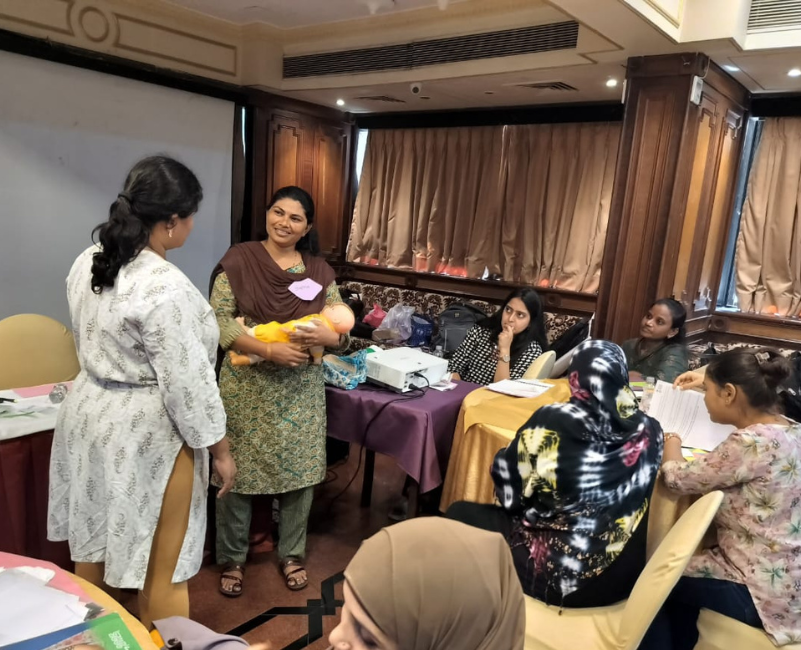
Project Ankur: A Step Towards Better Child and Maternal Nutrition

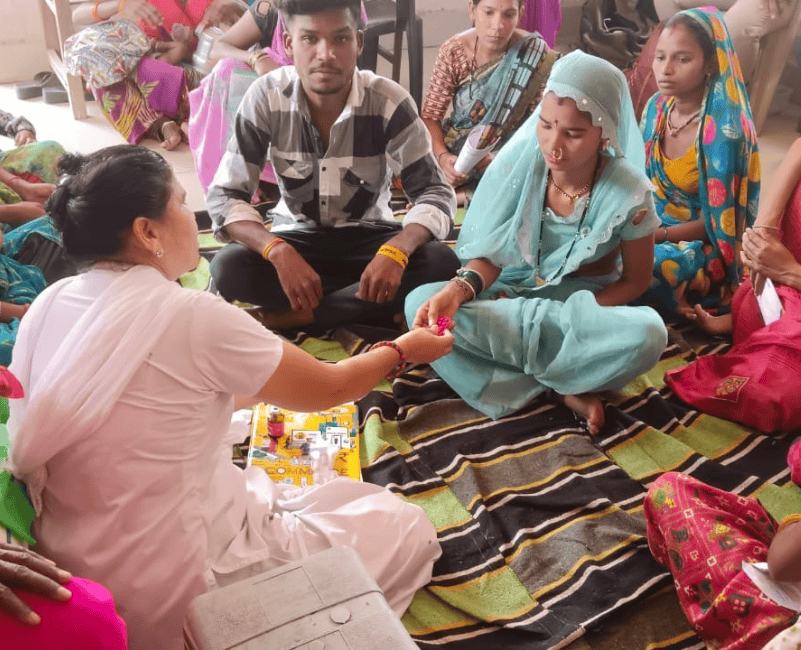
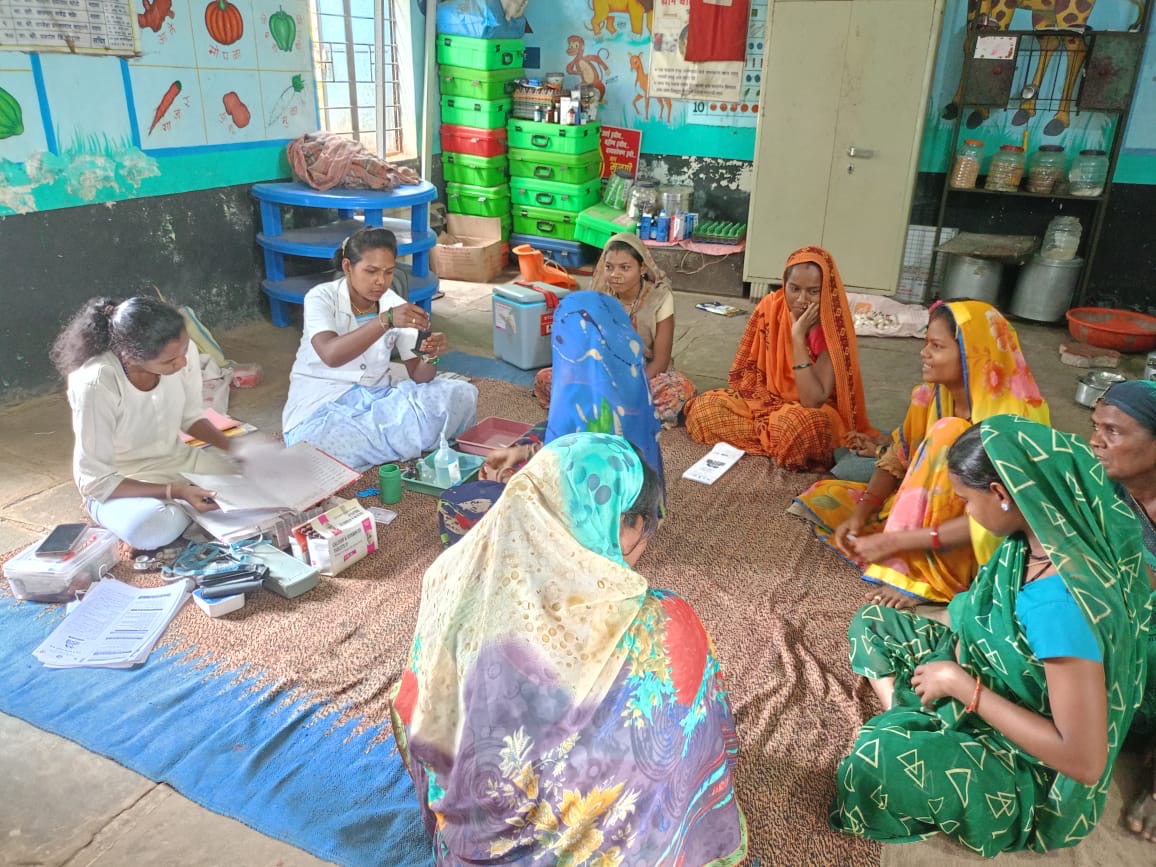
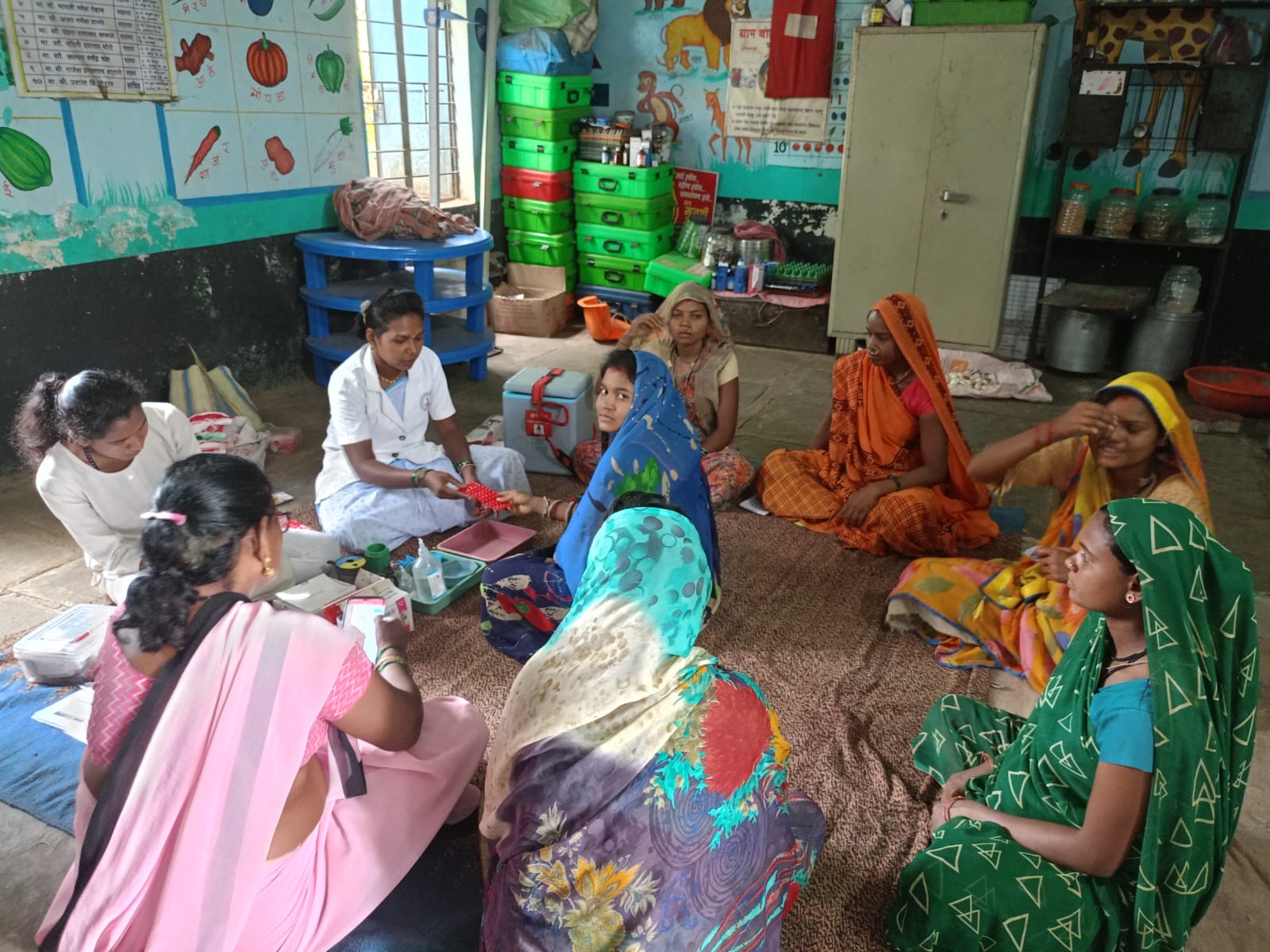
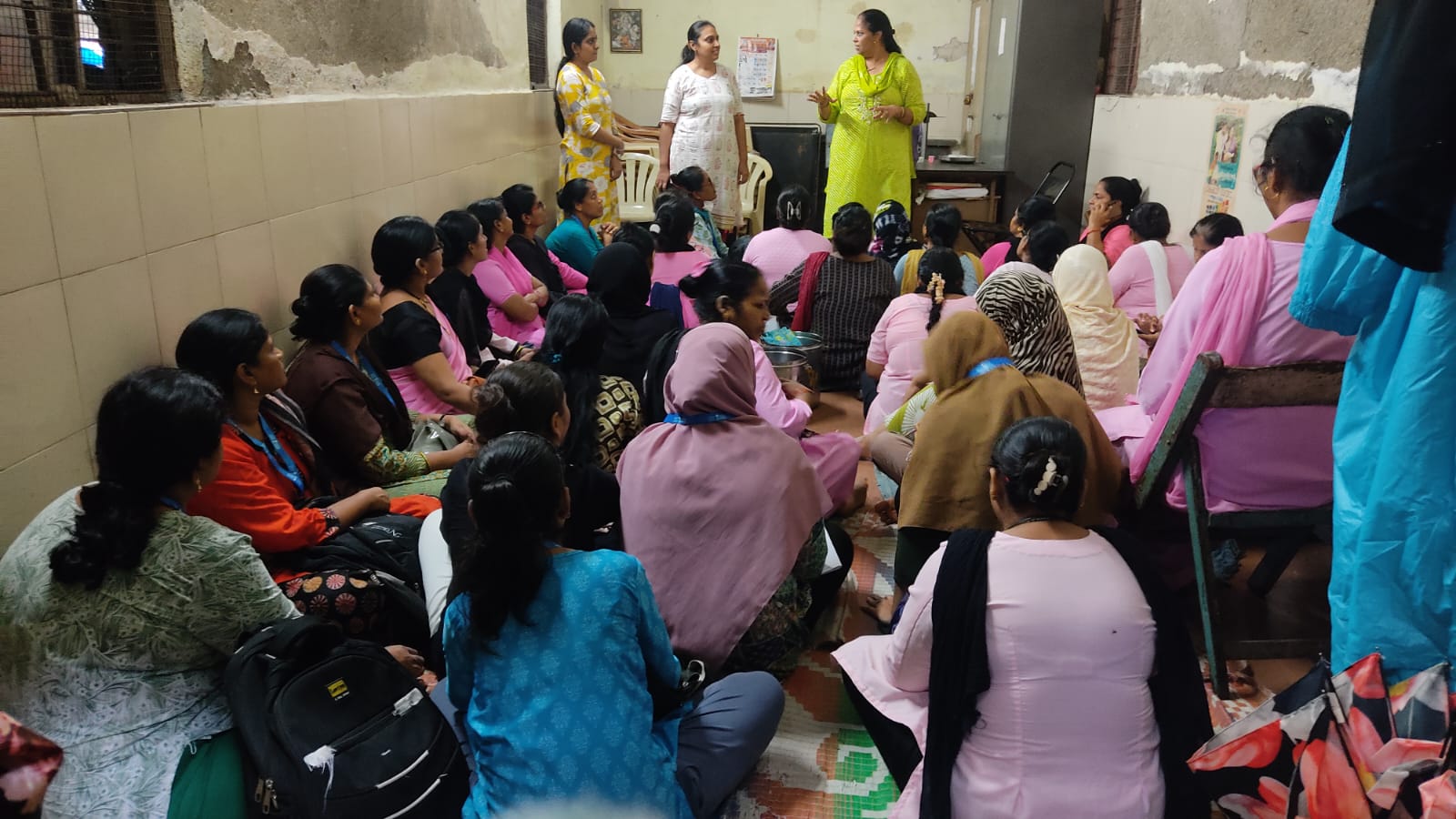
Action Against Hunger Foundation has launched Project Ankur in Andheri, marking a renewed commitment to improving maternal and child health outcomes in urban communities. The project focuses on the community-based management of acute malnutrition (CMAM) in children under five years of age through a comprehensive, multi-sectoral approach that also addresses maternal health, adolescent nutrition, and system strengthening.

Early Detection and Management of Malnutrition

At the core of Project Ankur is a strong emphasis on early identification and management of malnutrition. The strategy aims to strengthen community-based screening processes for timely detection of undernourished children.

Children identified with Severe Acute Malnutrition (SAM) are referred to Nutrition Rehabilitation Centers (NRCs) for further diagnosis and initiation of therapeutic food. Those diagnosed with Moderate Acute Malnutrition (MAM) receive continuous support through home-based counselling focused on dietary improvement and health monitoring.

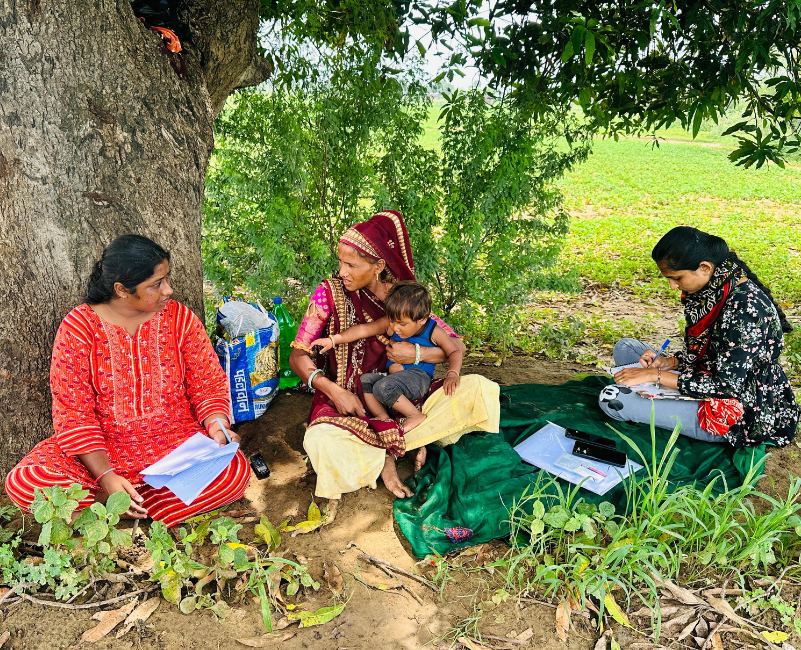
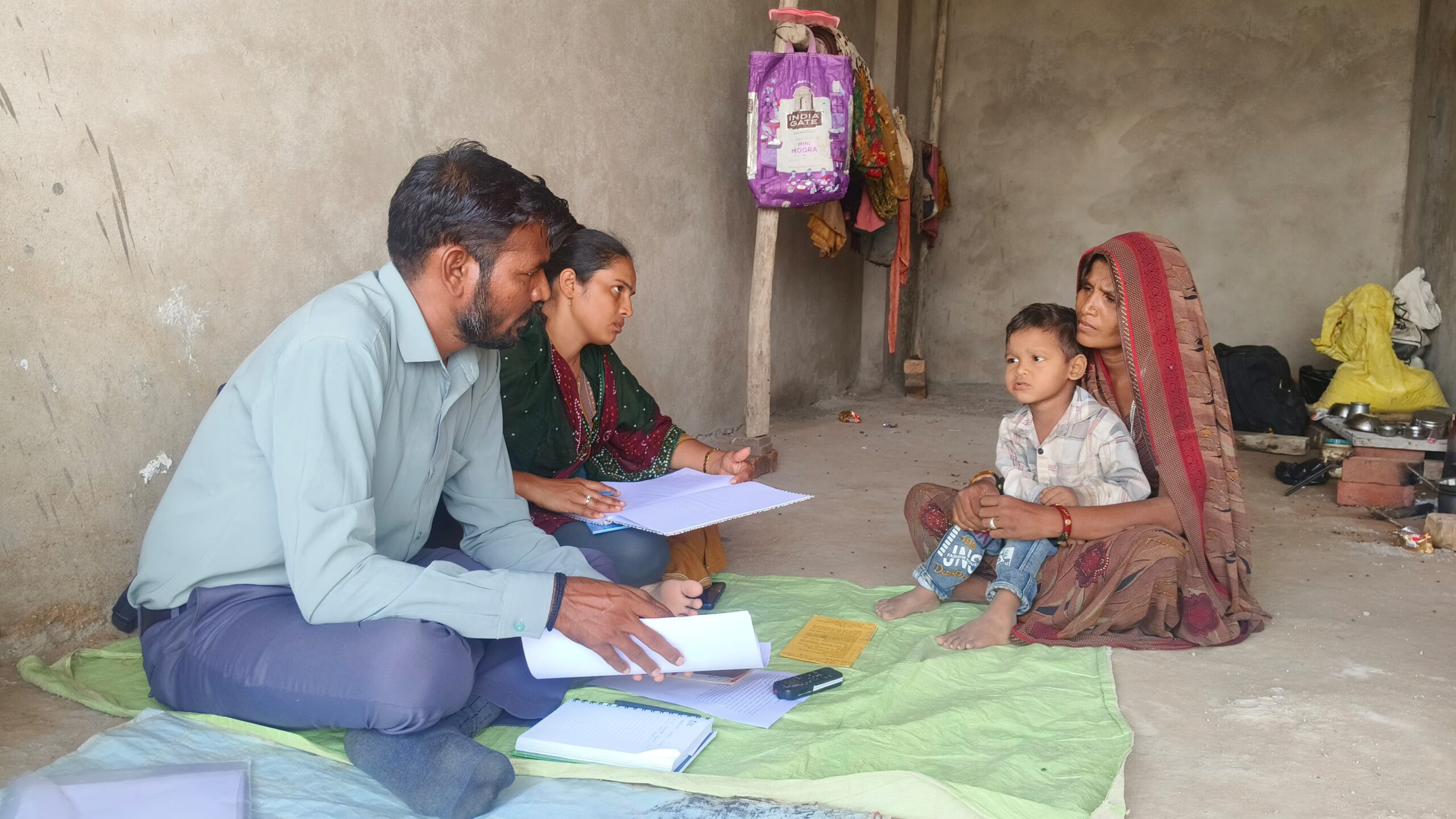
Regular home visits are conducted as per organizational protocols to assess each child’s progress and to provide counselling on Infant and Young Child Feeding (IYCF) practices, Water, Sanitation, and Hygiene (WASH), and child-care. Every child remains in the program until full recovery or until exit criteria are met, ensuring long-term, sustainable health outcomes.
Focus on the First 1000 Days of Life

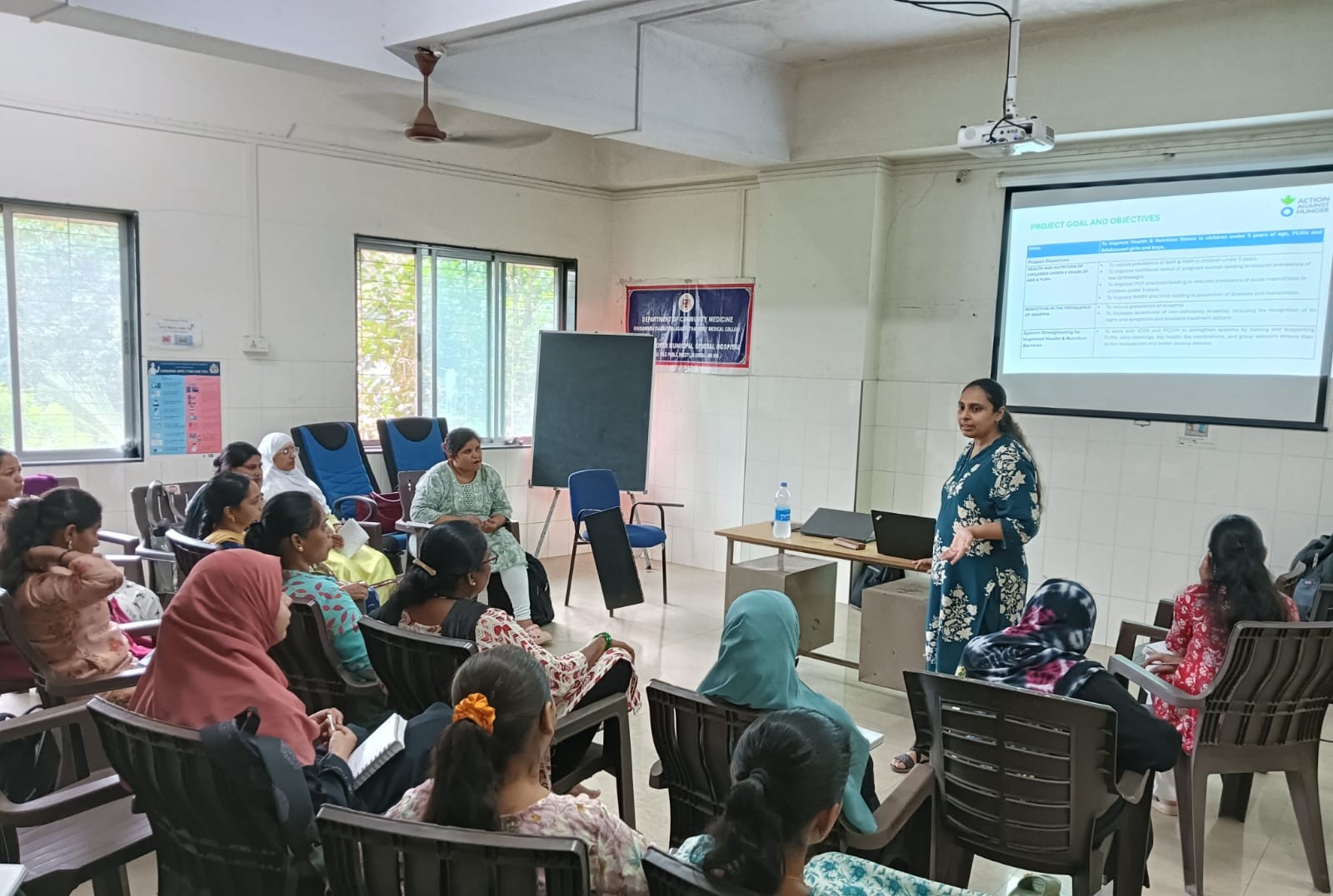
The first 1000 days — from pregnancy to a child’s second birthday — represent a critical window for a child’s growth and development. Project Ankur adopts a comprehensive and multisectoral approach to support pregnant women and mothers with children under two years.

Women are registered in the program and receive individual counselling, follow-up visits, and need-based referrals to health facilities. The project promotes:

  • Increased antenatal check-ups and adherence to Iron and Folic Acid (IFA) and calcium supplementation.
  • Early identification and referral of high-risk pregnancies.
  • Institutional deliveries and promotion of Kangaroo Mother Care (KMC) at both facility and community levels.
  • Strengthening Infant and Young Child Nutrition (IYCN) practices.

By ensuring the right nutrition and care during this period, the project seeks to lay a strong foundation for a child’s physical, cognitive, and emotional development.
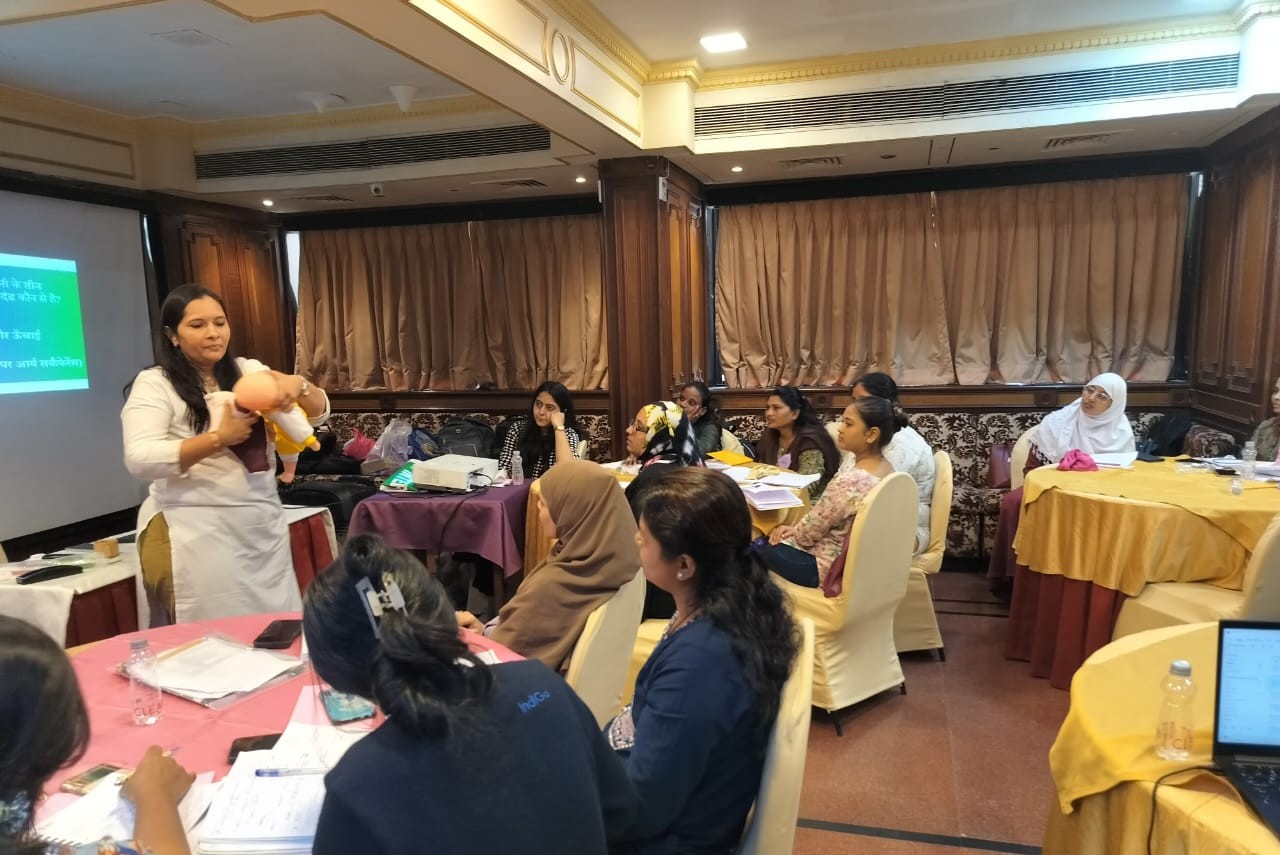
Targeted Interventions to Reduce Anemia Among Adolescents

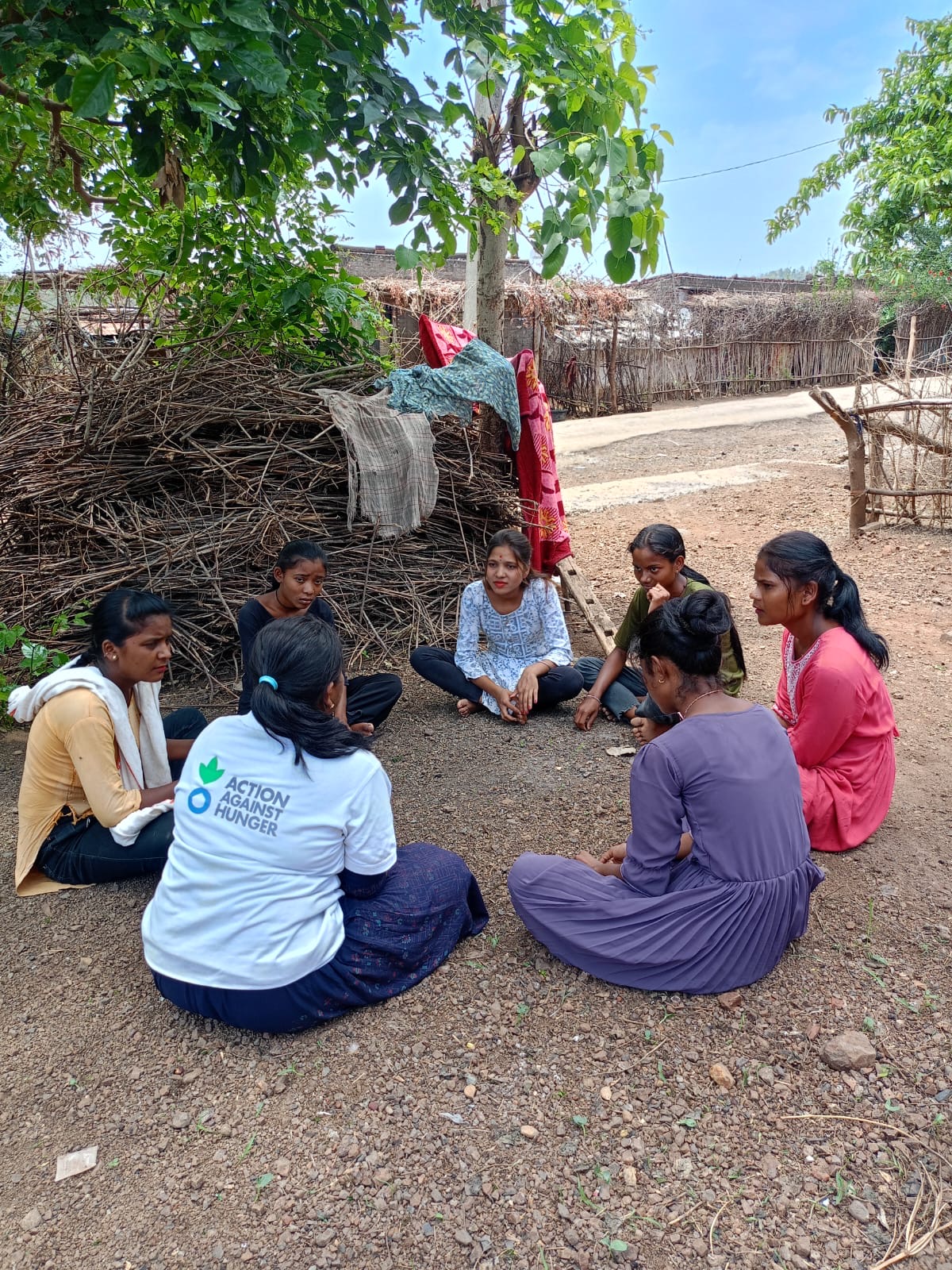
Recognizing the role of adolescent health in breaking the intergenerational cycle of malnutrition, Project Ankur also targets adolescent girls and boys in schools and communities. The initiative focuses on anemia screening, nutrition education, and IFA supplementation to promote better health outcomes.

Through partnerships with government departments, the project supports the regular organization of T3 (Test, Treat, Talk) camps and strengthens the supply chain of IFA tablets, ensuring that adolescents have access to essential micronutrients and preventive care.
System Strengthening for Improved Health and Nutrition Delivery

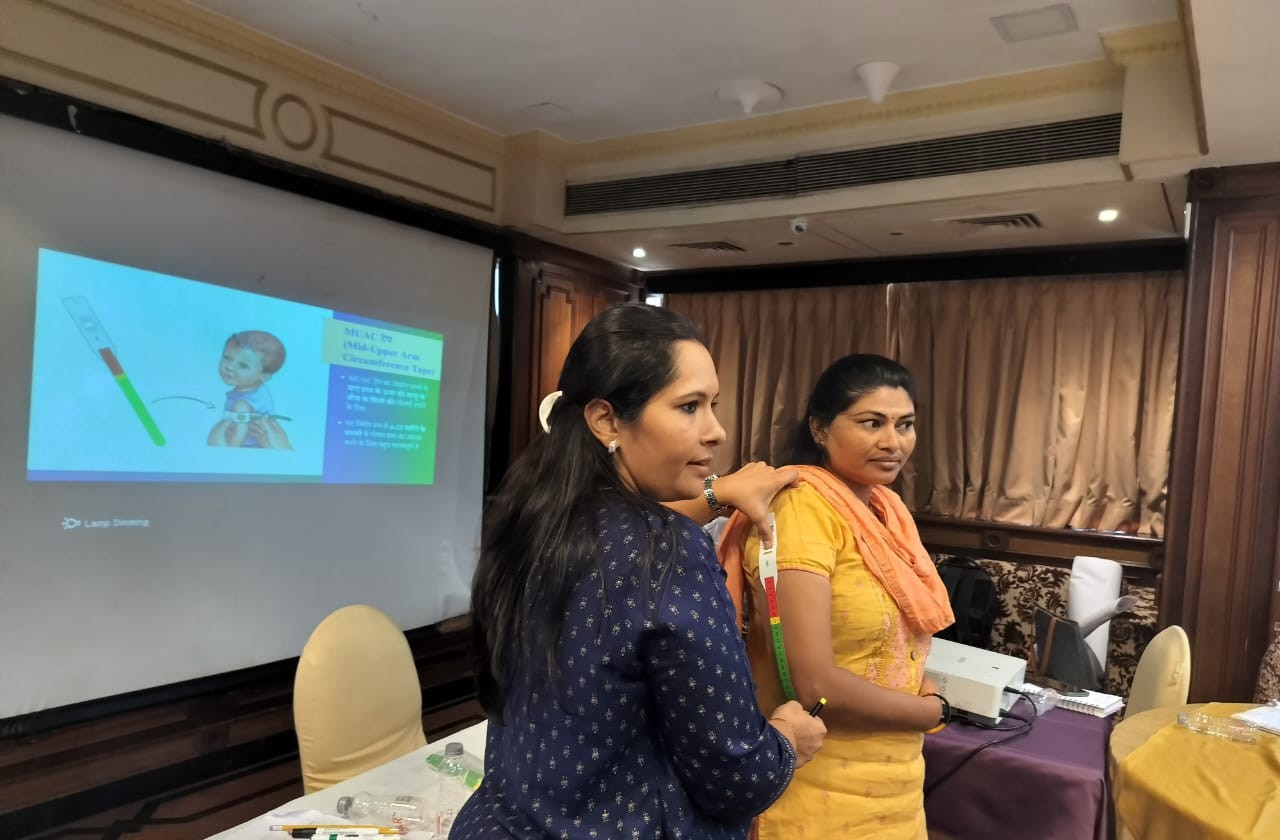
A key component of Project Ankur is system strengthening and capacity building. The project collaborates with ICDS and Municipal Corporation of Greater Mumbai (MCGM) to enhance the delivery of nutrition and health services.

Frontline workers (FLWs) receive training and handholding support to build technical knowledge, improve community engagement, and strengthen service quality. Joint review meetings, community-based events, and celebration of key health and nutrition days foster stronger convergence and reinforce collective accountability for improved outcomes.
Contributing to the Sustainable Development Goals

Through Project Ankur, Action Against Hunger aims to contribute meaningfully to SDG 2 – Zero Hunger and SDG 3 – Good Health and Well-being by addressing malnutrition at its roots — from adolescence to early childhood.

By empowering communities, strengthening systems, and promoting preventive healthcare, Project Ankur stands as a step forward in ensuring that every child not only survives but thrives.
National Nutrition Month Celebrations Across Maharashtra

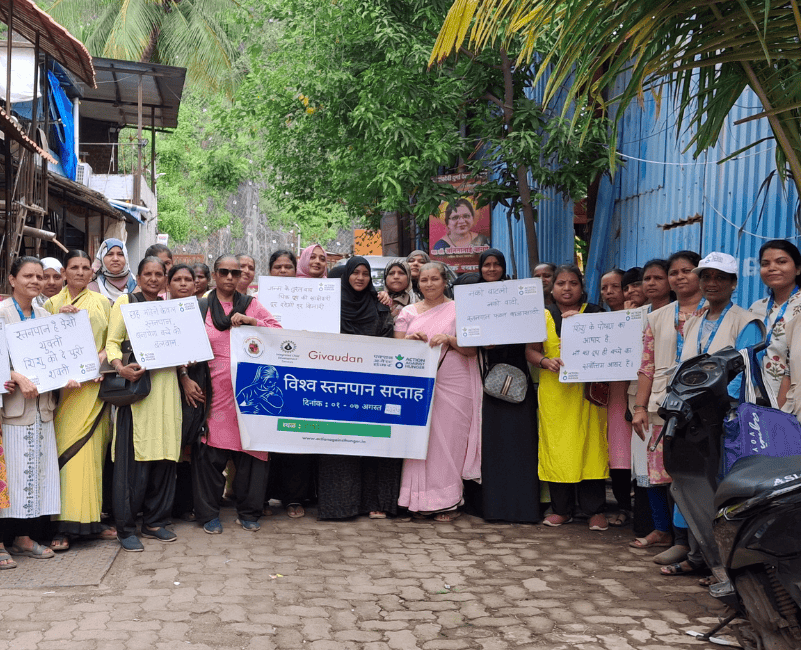
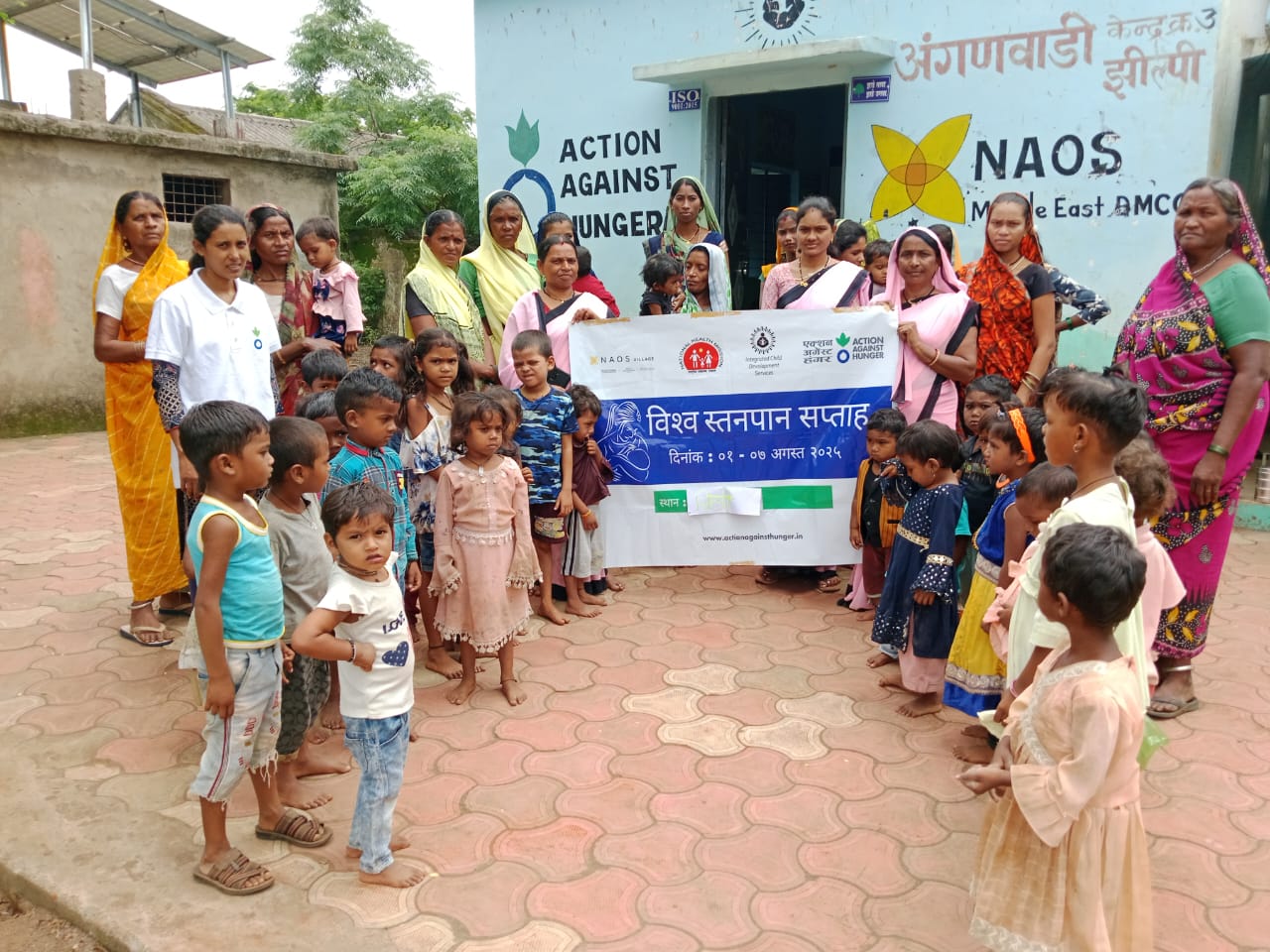
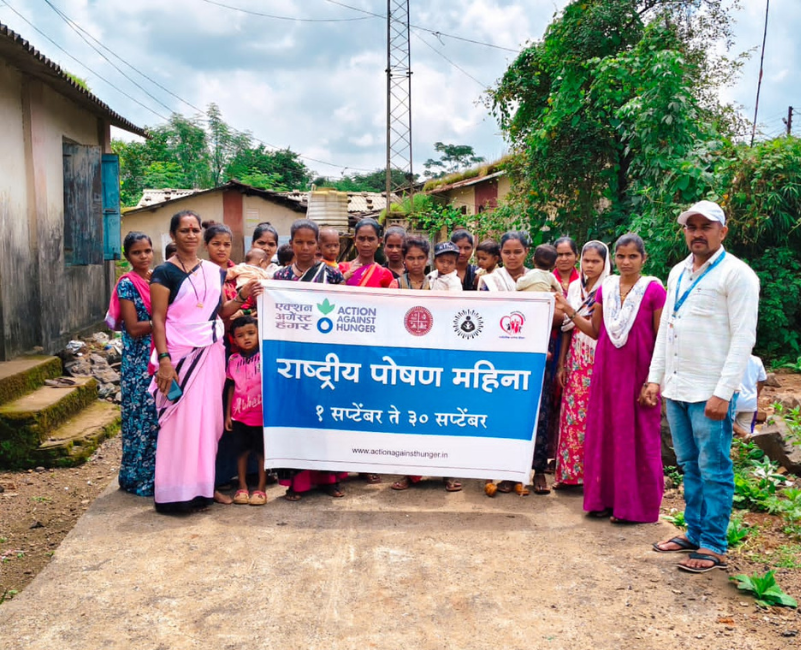
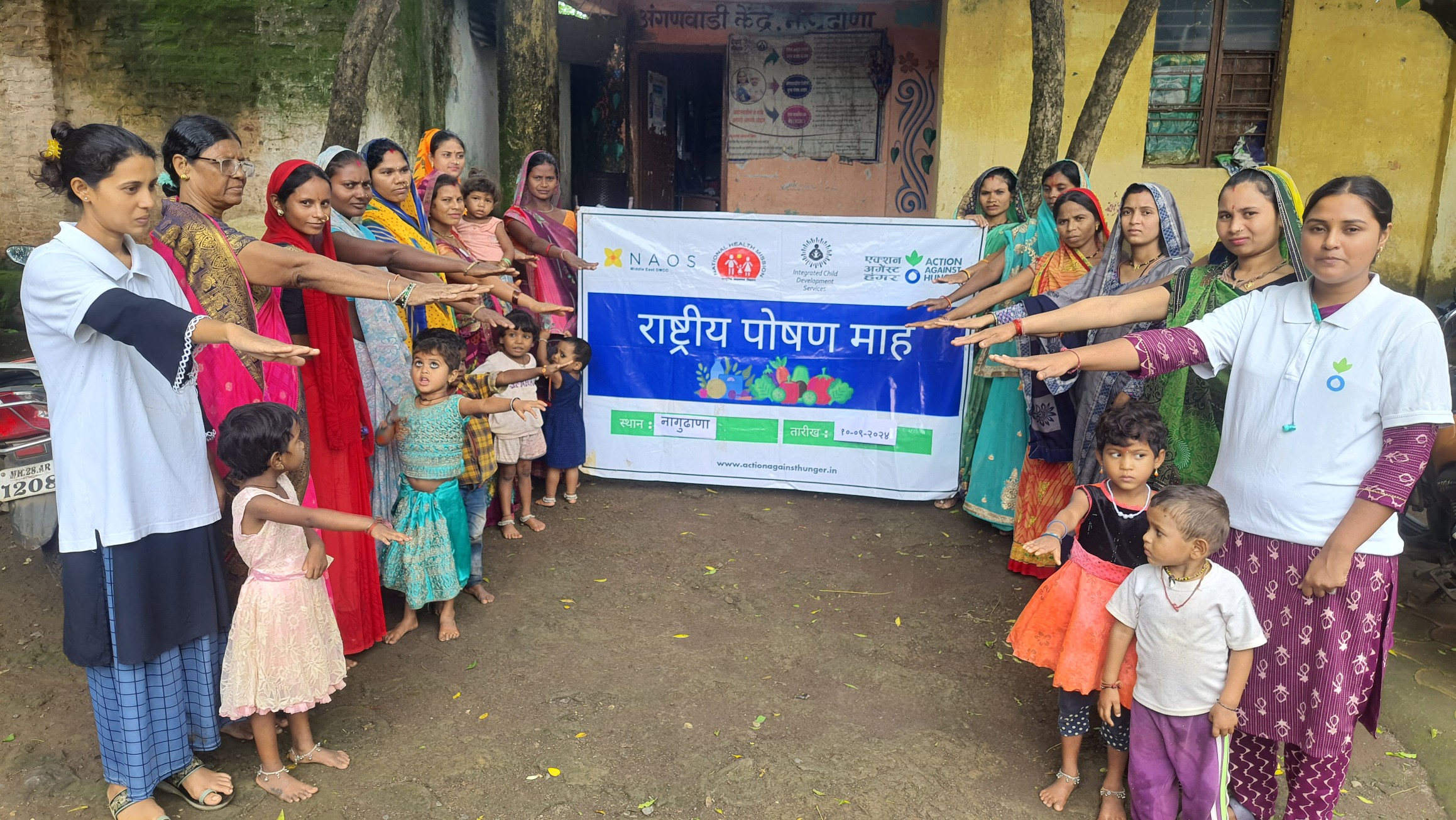
To mark National Nutrition Month (Poshan Maah) , Action Against Hunger organized a series of awareness activities across its intervention areas in Maharashtra and Gujarat, in collaboration with ICDS and Health Department officials.

In Dharni, Amravati beginning September 1, celebrations were held across seven villages under Sadarabad PHC — Bobdo, Ranapisa, Nagudhana, Mandu, Nardu, Susurda, and Shivajiri — around the theme “Nutritious Food for All.” The team conducted rallies, community information sessions, and video screenings in villages like Susurda, Ranapisa, and Nagudhana to spread awareness on the importance of a balanced diet. The outreach covered 166 participants, including pregnant and lactating women, mothers of SAM and MAM children, Anganwadi and health workers, and community members.

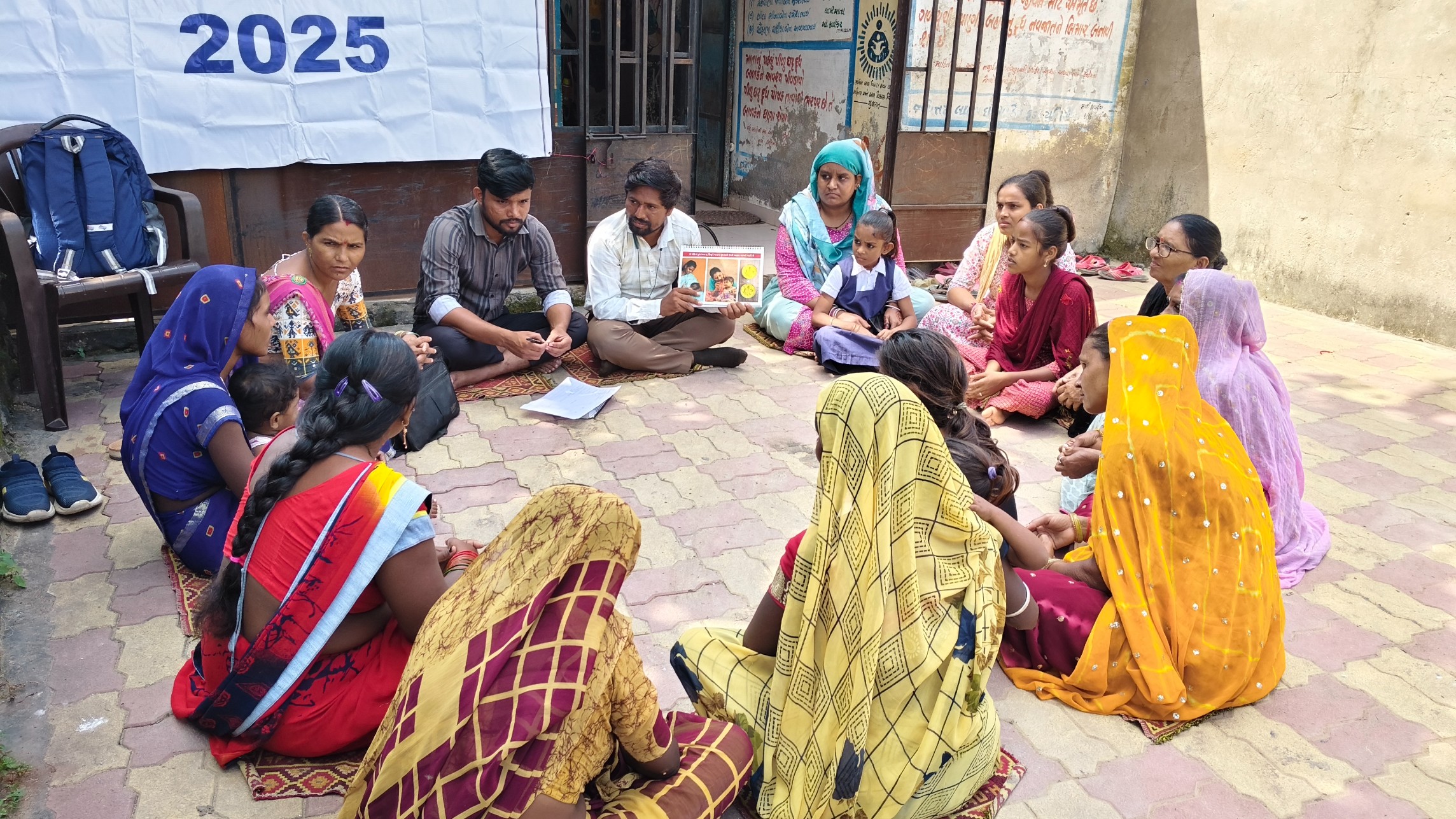
In Himmatnagar, Gujarat, Poshan Maah activities commenced with a Poshan Chowpal in Himmatnagar involving PRI members, frontline workers, and beneficiaries. The event featured a Poshan jingle and oath, and interactive sessions on child illness management, breastfeeding, complementary feeding, IFA consumption, and a handwashing demonstration. In addition, our field workers have begun conducting mother meetings, Poshan oath sessions, handwashing demonstrations, and playing local jingles across Himmatnagar to raise awareness on health and nutrition. Sharing some glimpses from the field.

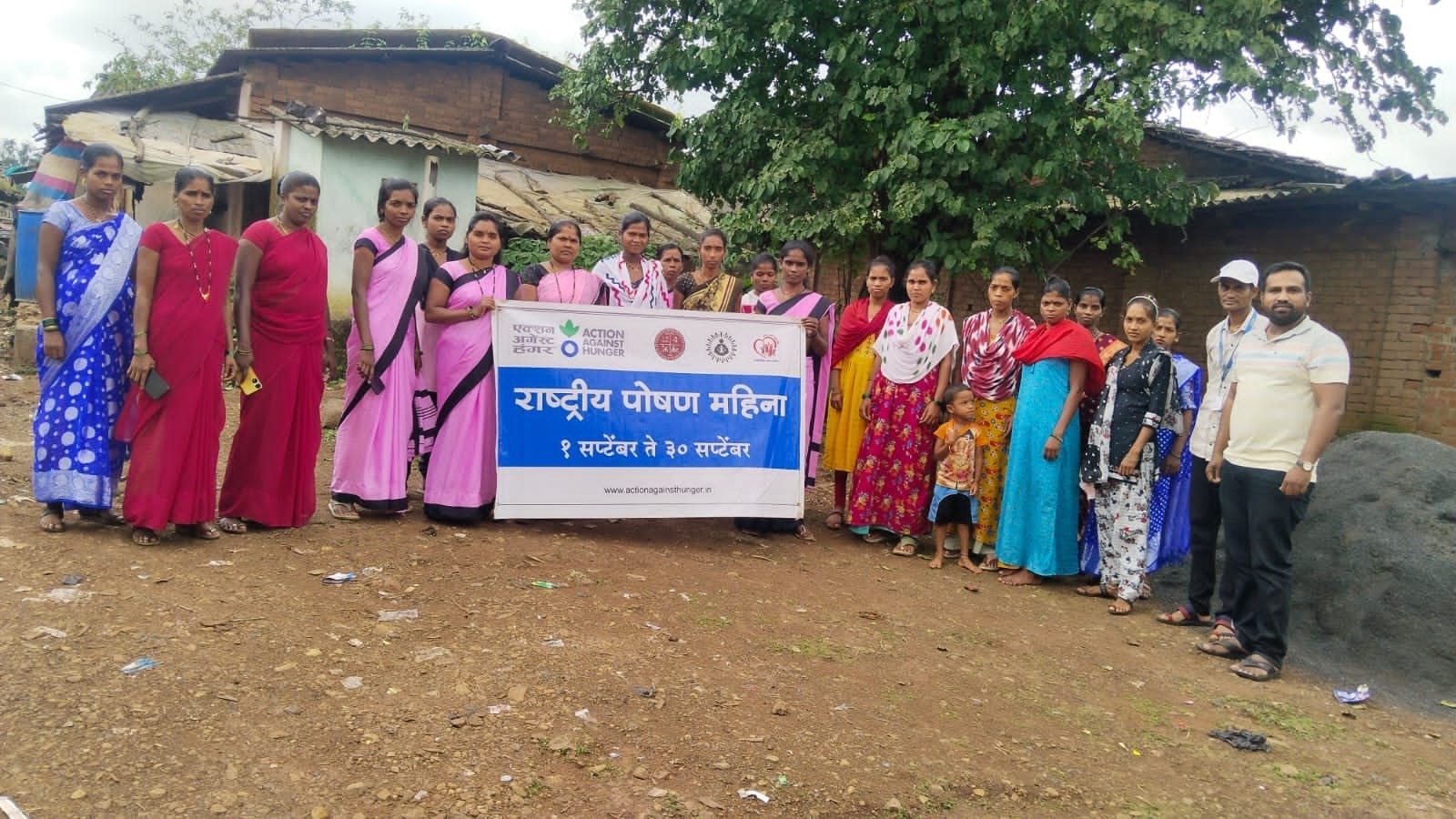
In Palghar, a program was held at Kharamba, Zap, and Aina (Jawhar–Palghar) Anganwadi Centres to celebrate National Nutrition Month. Anganwadi workers, ASHA workers, PRI members, adolescent girls, pregnant and lactating mothers actively participated in the event. An awareness rally on nutrition was organized, and Action Against Hunger Community Mobilizers, along with ICDS Jawhar 1 Supervisors, provided in-depth guidance on malnutrition and healthy nutrition practices. A total of 97 beneficiaries took part in the program.

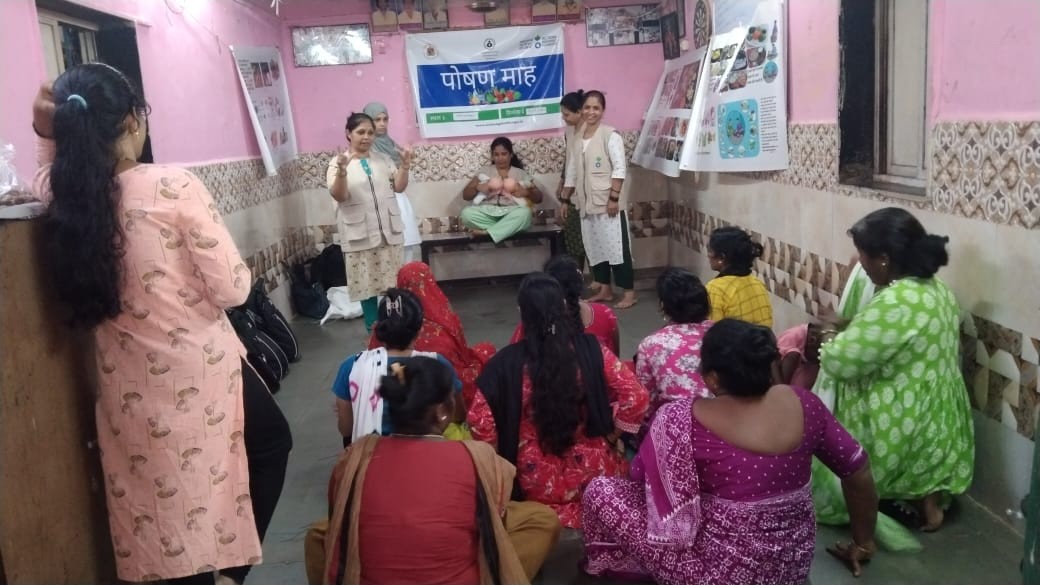
In Andheri, awareness sessions were conducted through house-to-house visits among pregnant and lactating mothers, along with interactive sessions at Shatabdi Hospital. Additionally, awareness rallies were held across the intervention areas to reinforce key messages on maternal and child nutrition within the community.

Through these initiatives, Action Against Hunger Foundation continues to strengthen community awareness and promote improved nutrition practices, particularly among pregnant and lactating women and children under five — the most vulnerable groups. Our interventions aim to break the cycle of malnutrition by fostering behavioral change, community engagement, and system strengthening, contributing directly to the Sustainable Development Goals (SDGs), including SDG 2: Zero Hunger & SDG 3: Good Health and Well-being.

World Breastfeeding Week Celebration: Prioritizing Breastfeeding and Health

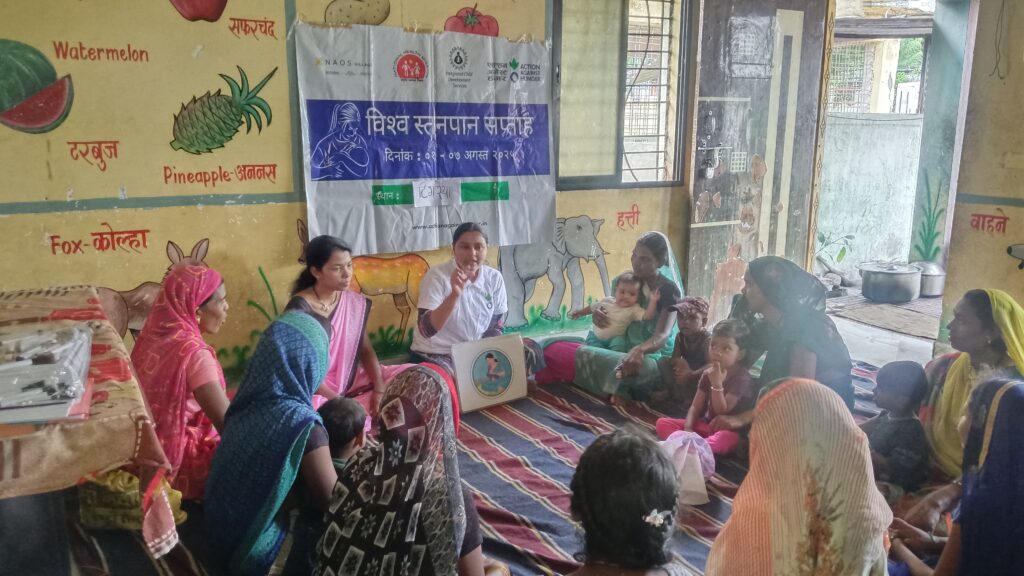
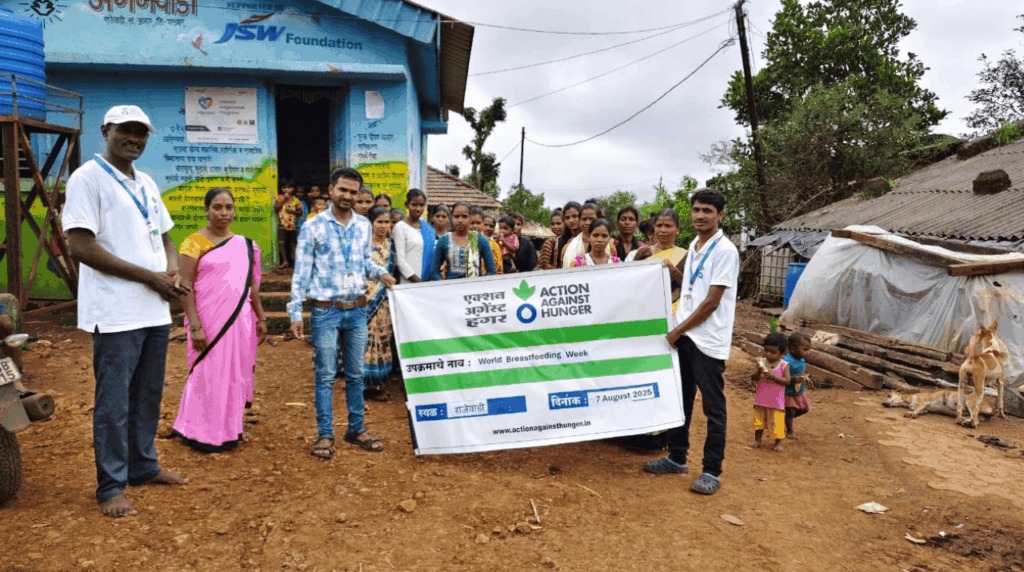
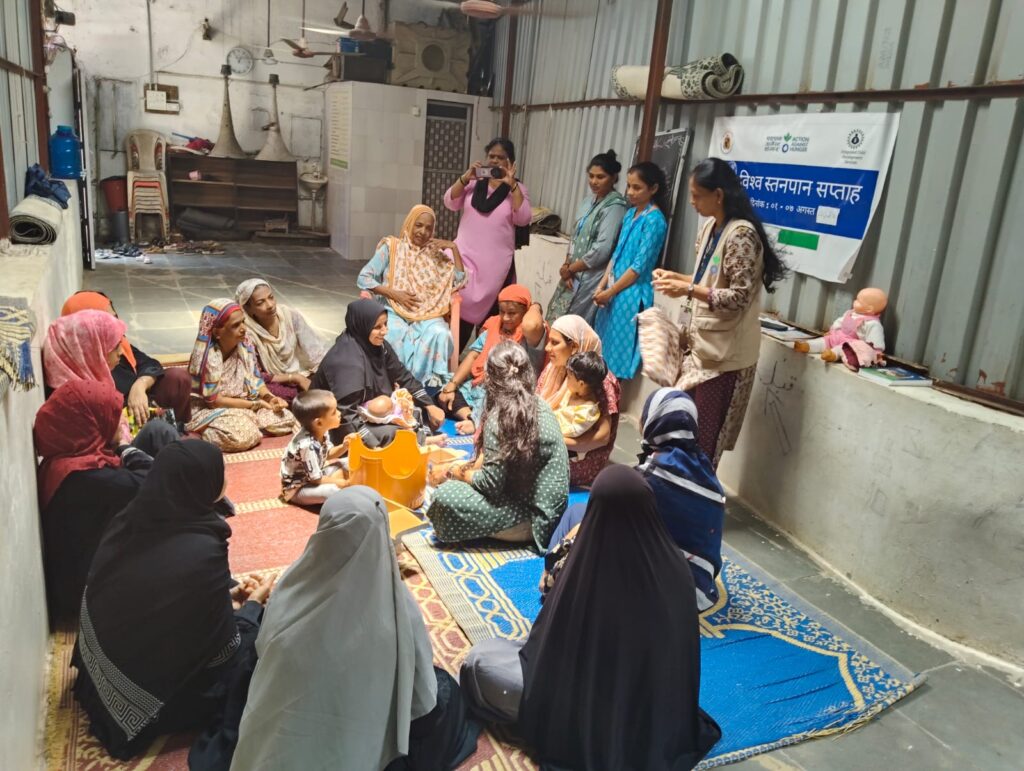
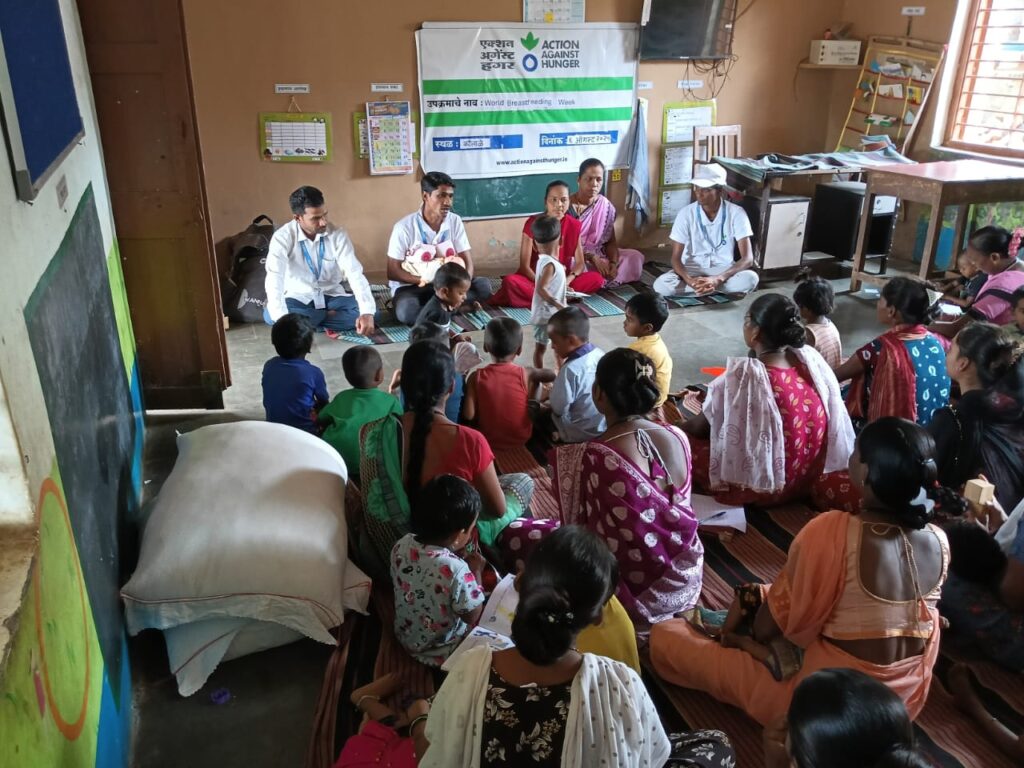
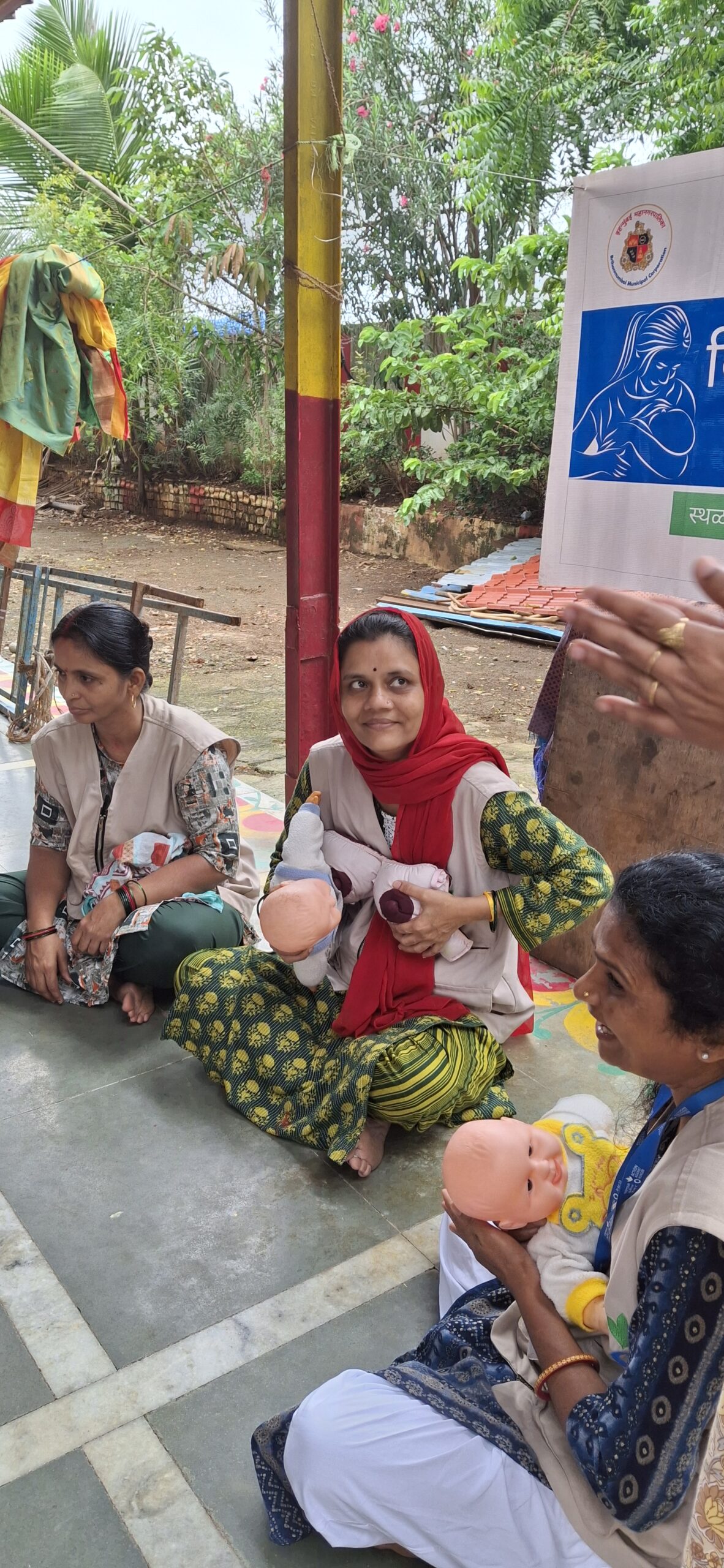
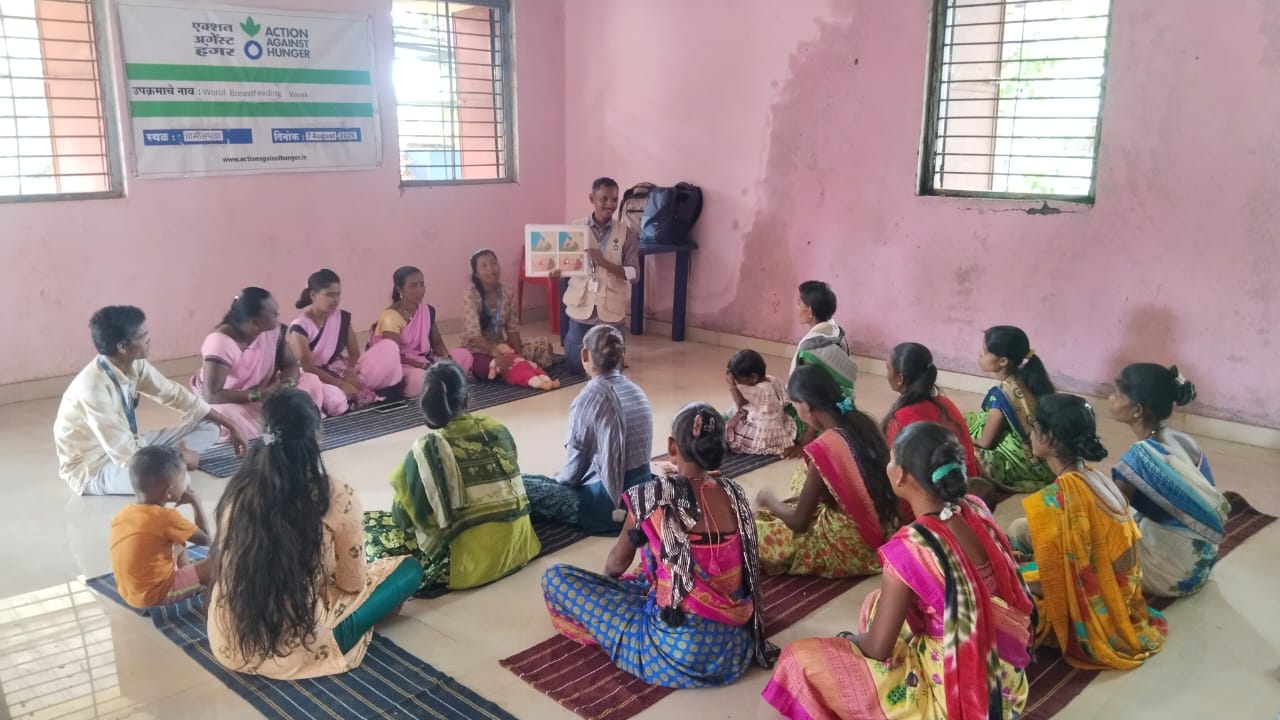
At Action Against Hunger India, we believe that every mother deserves clear guidance, compassionate support, and reliable information throughout her breastfeeding journey. This year, during World Breastfeeding Week, we celebrated the theme “Prioritise Breastfeeding: Create Sustainable Support Systems,” emphasizing the critical role that a supportive community plays in empowering mothers.

A Community United for Child and Maternal Health


Our dedicated Anganwadi Sevikas and community teams in Maharashtra led the charge with a range of impactful activities. From heartfelt rallies to powerful role-plays, they took to the streets to educate families on the importance of breastfeeding. Every conversation was a step toward busting common myths and empowering mothers with the knowledge they need to make informed decisions.

Breastfeeding is so much more than just a way to nourish a child; it’s the beginning of a strong, lifelong bond, a source of comfort, and a foundation for lifelong health. However, we know that for many mothers, this journey can be filled with questions and challenges. From knowing when to begin to mastering a proper latch, understanding your baby’s cues, and staying nourished yourself, a mother’s awareness and support at every step can make the journey smoother and more fulfilling.

The Power of a Supportive Community in Breastfeeding Journey


We believe that no mother should have to face this journey alone. That’s why we focus on creating a supportive environment for every mother. We promote exclusive breastfeeding for the first six months and provide hands-on counseling to mothers. We also guide fathers, families, and caregivers, helping them understand that raising a child is not just a mother’s responsibility, but a shared one. When a mother is empowered, a child thrives.
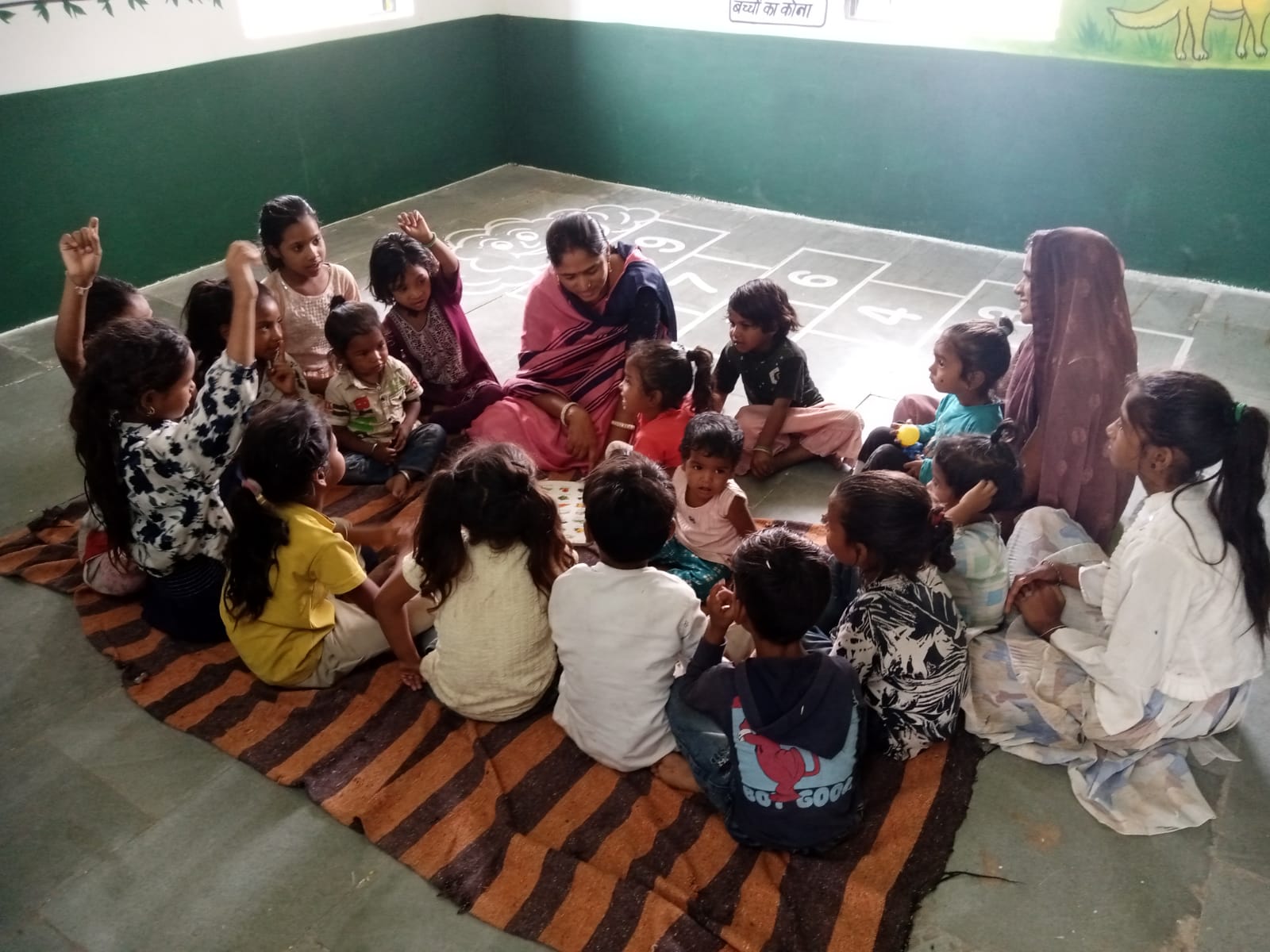
This week, and every week, let’s continue to stand together for maternal and child health. By creating and strengthening these support systems, we can ensure that every child gets the best possible start in life.


Awareness Saves Lives: A Mother’s Journey Through Anemia

What began as a routine check-up quickly became a life-saving mission!

During a regular visit, our team identified signs of severe anemia in a mother. The team took immediate action by referring her to a hospital for iron treatment and continued to follow up when her symptoms did not improve. When the family was hesitant about hospitalisation, our team provided in-person counselling to explain the risks and importance of timely care. When no blood was available at the hospital, one of our team members stepped forward to donate.

This was not just about delivering medical support. It was about standing by a mother at a critical moment and ensuring she had the care she needed to stay safe and healthy.

Mapping Migrants, Empowering Communities in Himmatnagar, Gujarat

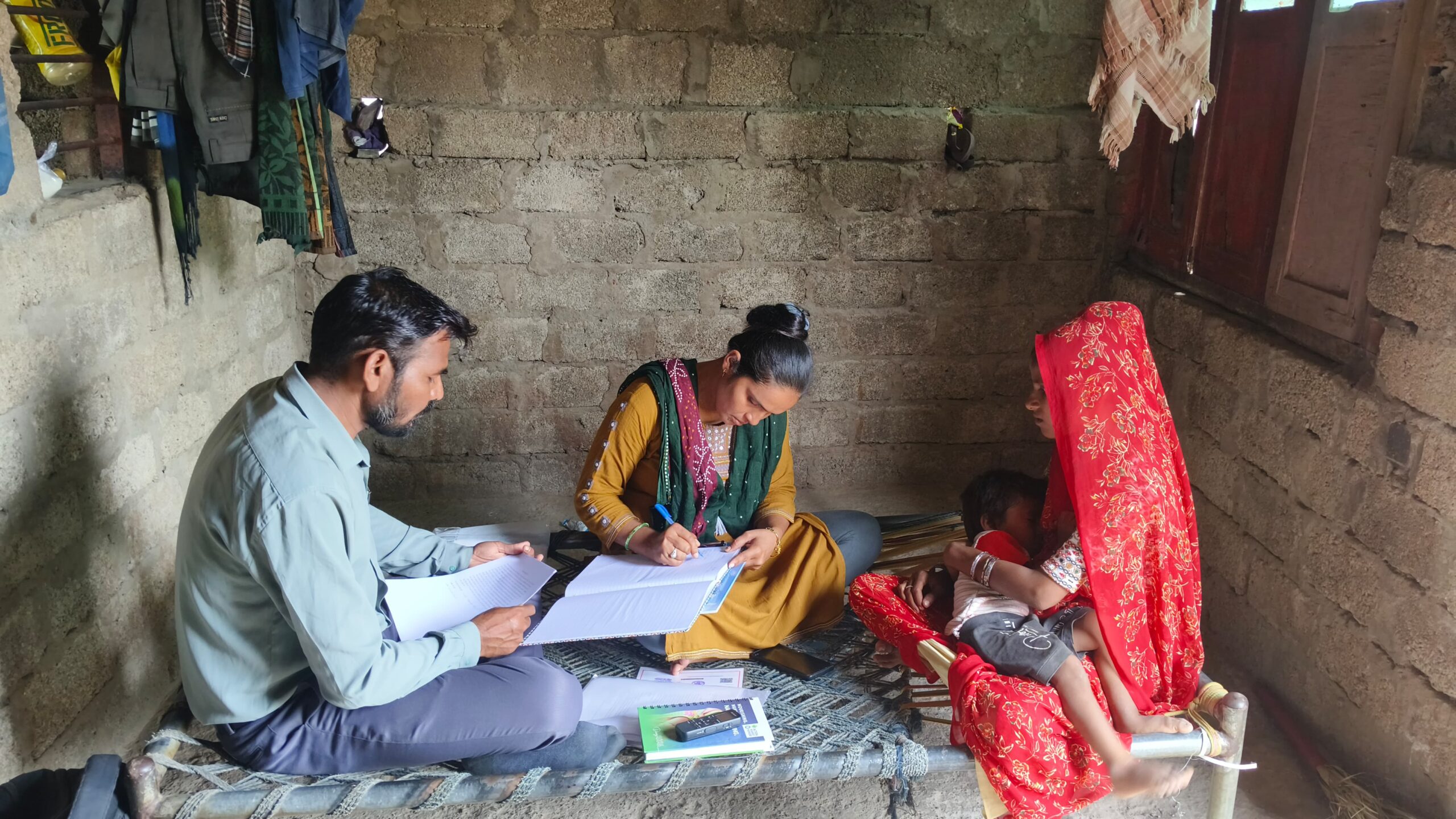
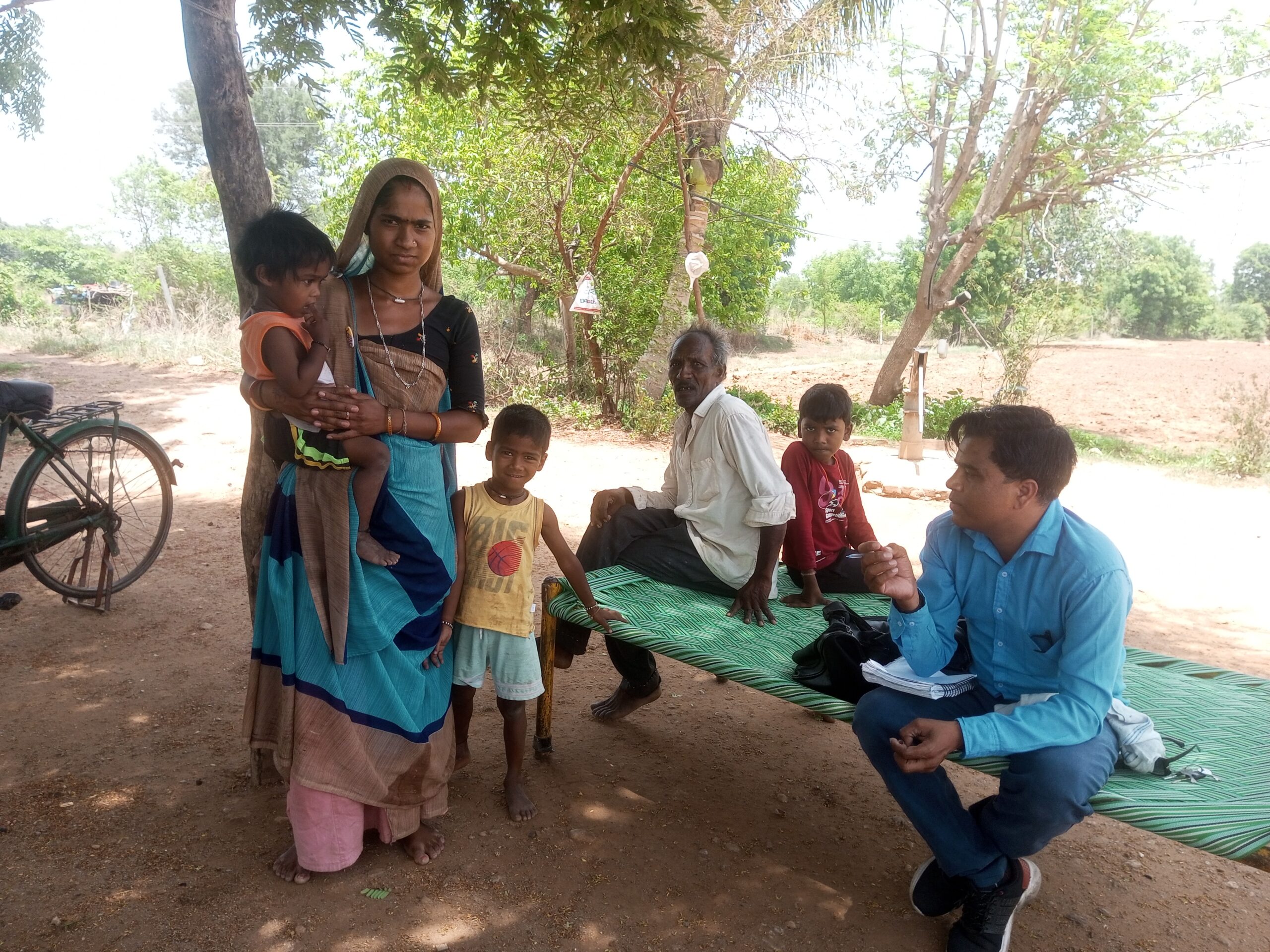
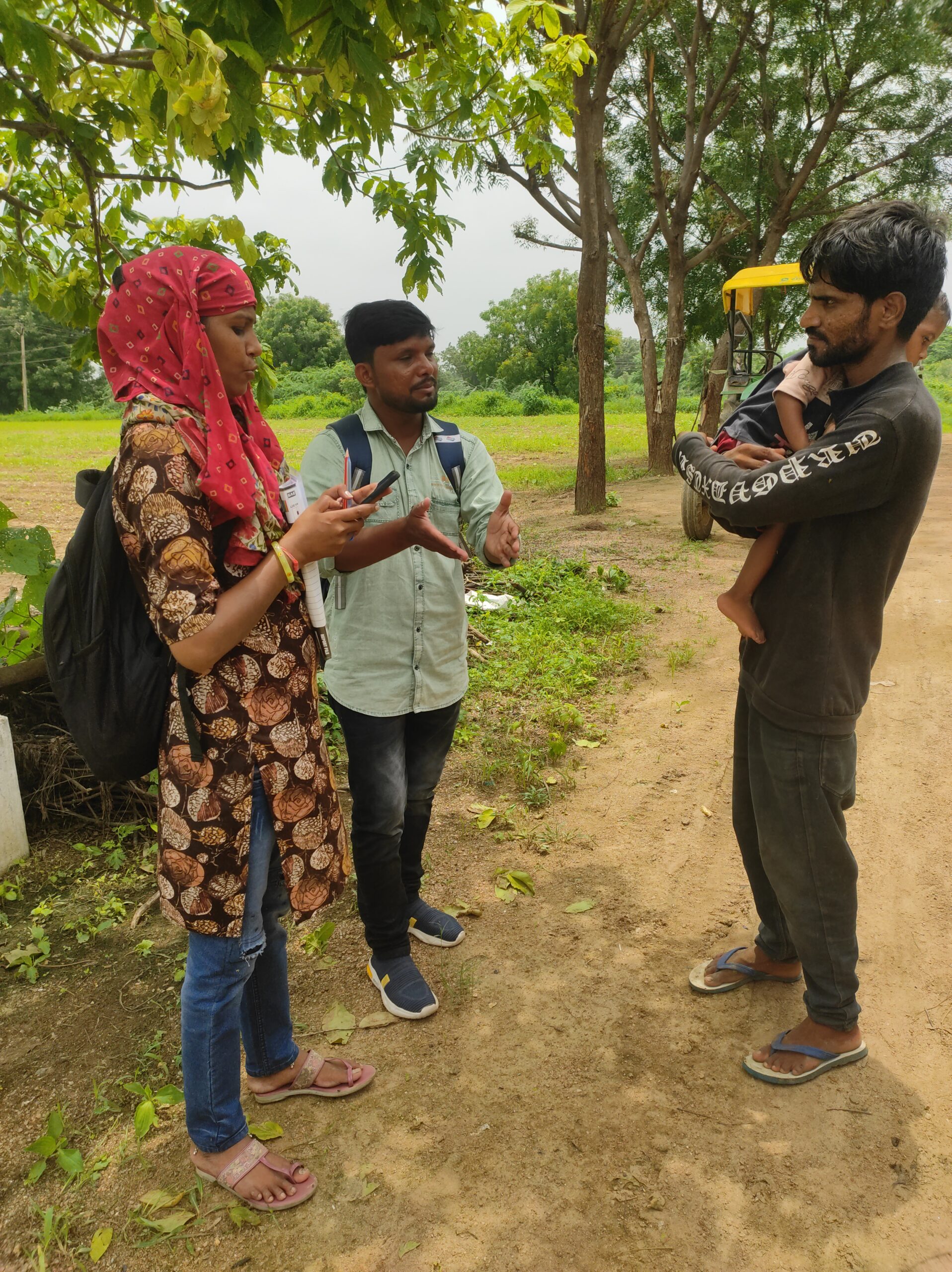
The baseline survey under the Migration Project is currently underway across the Himmatnagar block in Sabarkantha district, Gujarat. The objective of the survey is to identify and map migrant families and individuals in the intervention area to better understand their needs and challenges.
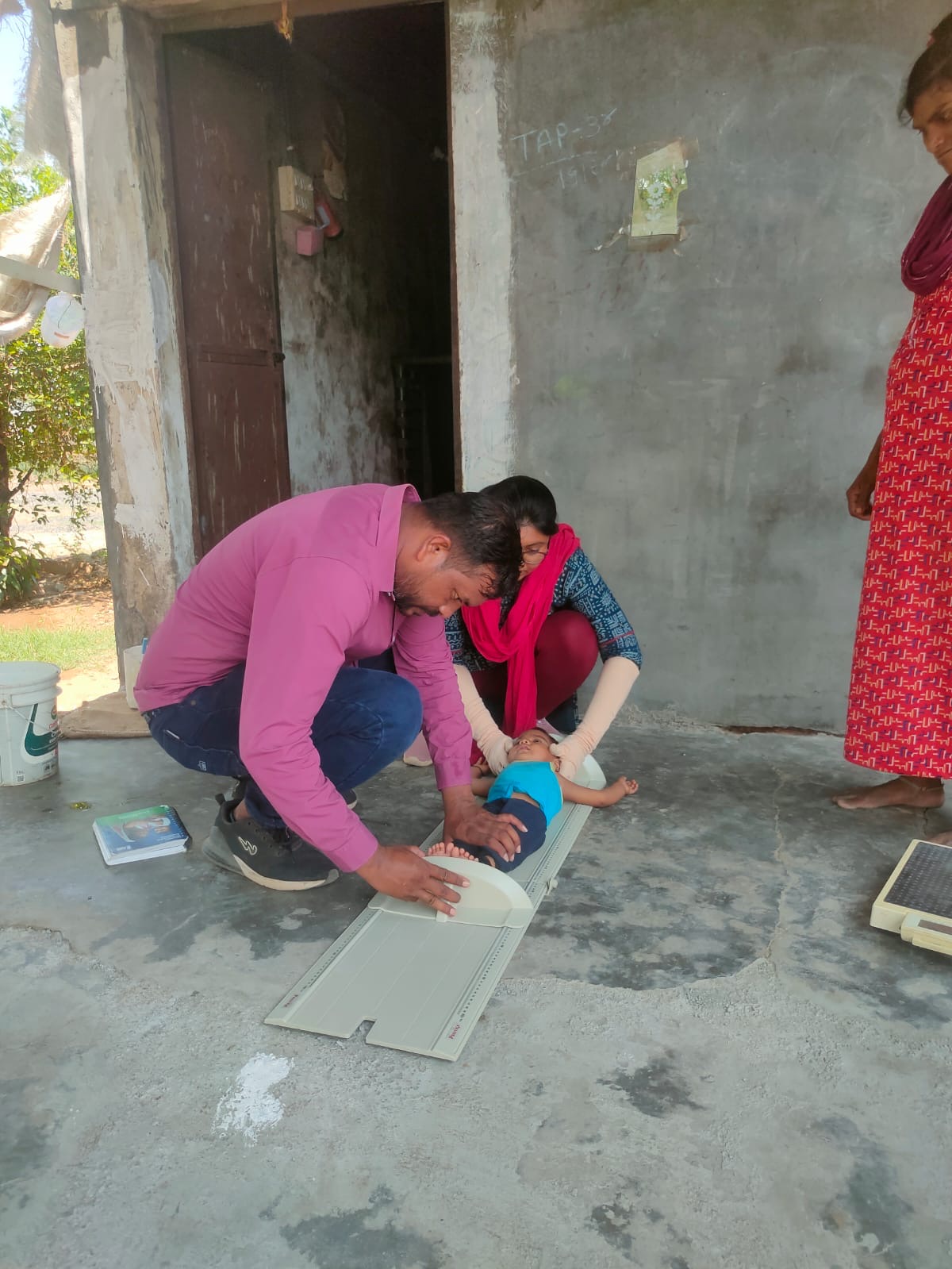
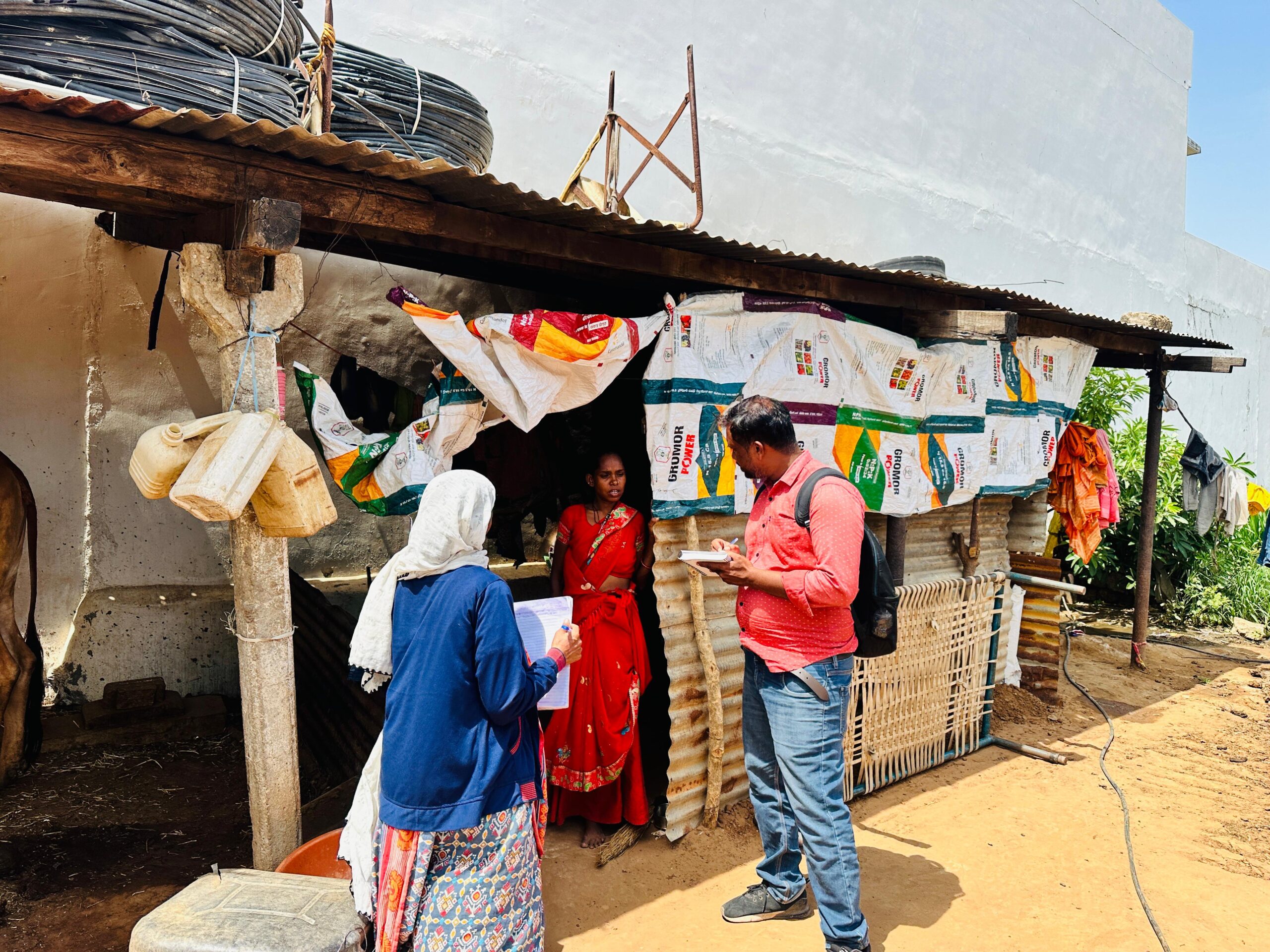
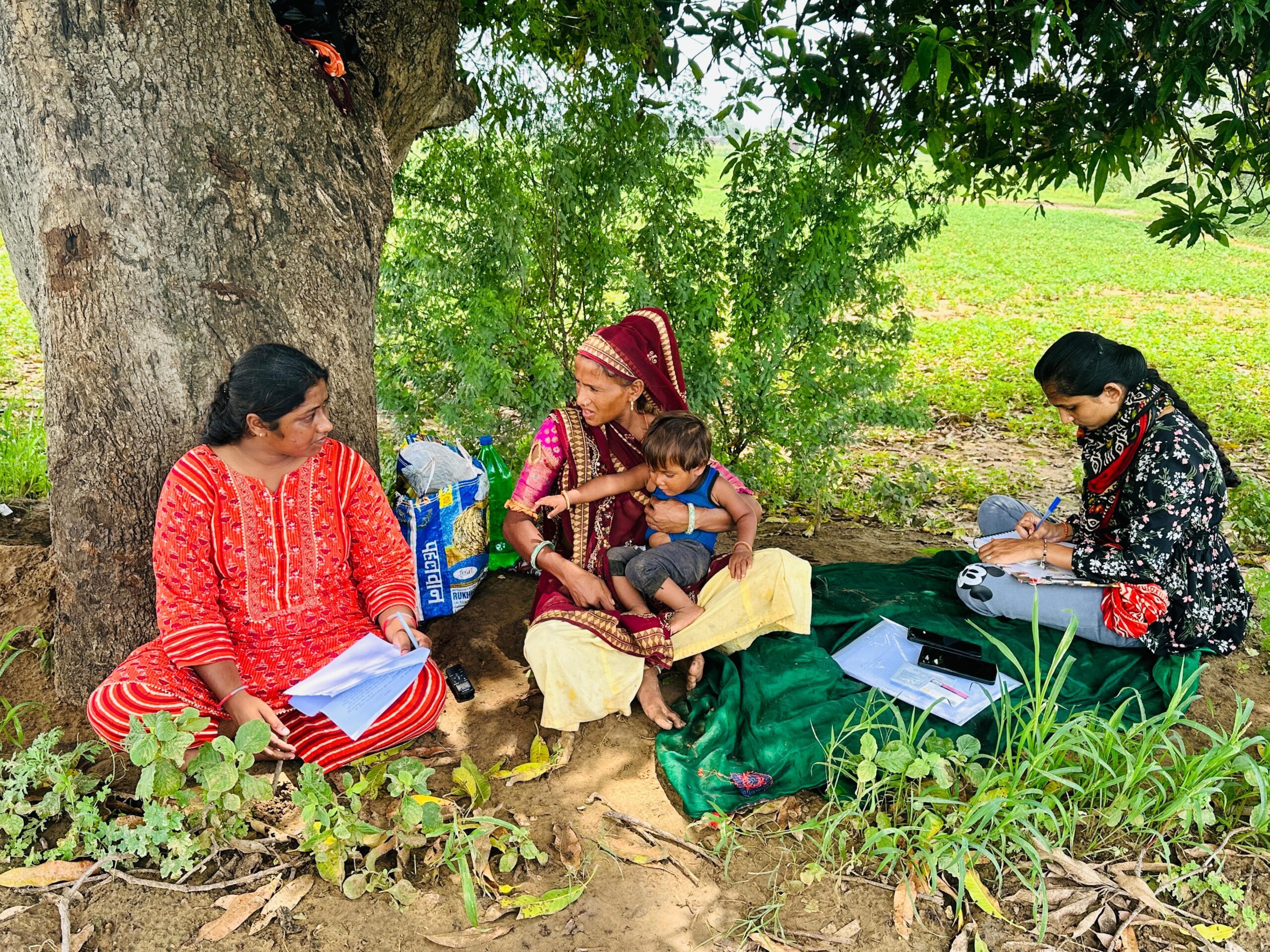
Survey teams are visiting households, interacting with community members, and collecting key demographic and socio-economic data. Special focus is being placed on identifying pregnant women, children aged 0–5 years, and further disaggregating the data into age groups: 0–6 months, 6–23 months, and 24–59 months. Alongside, the anthropometry team is conducting nutritional assessments by measuring children’s weight, height, and MUAC.

This activity is being carried out with support from local volunteers and community leaders to ensure wider coverage and community participation. The data collected will serve as a foundation for designing targeted program interventions and improving service delivery to migrant populations.

Photographs from the field highlight the team’s commitment and the strong community engagement being built during this process. These visuals may be used for documentation, communication, or storytelling purposes as required.


Janata Bhati’s Fight for a Child-Friendly Anganwadi

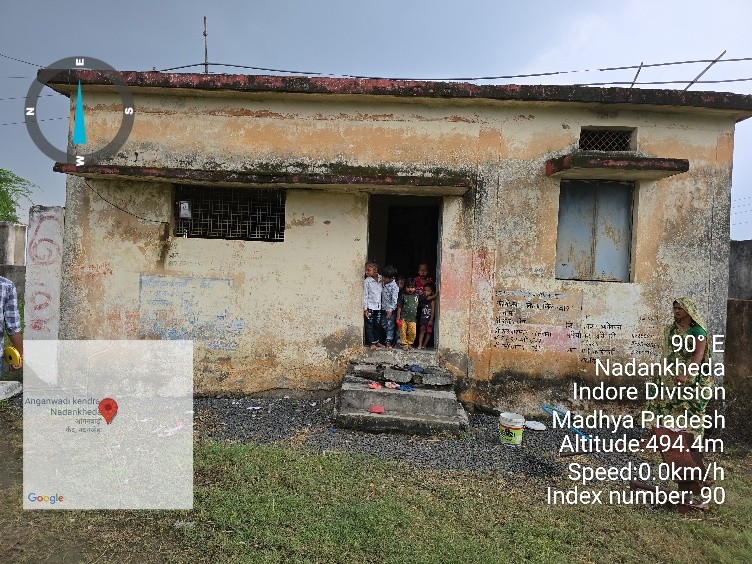
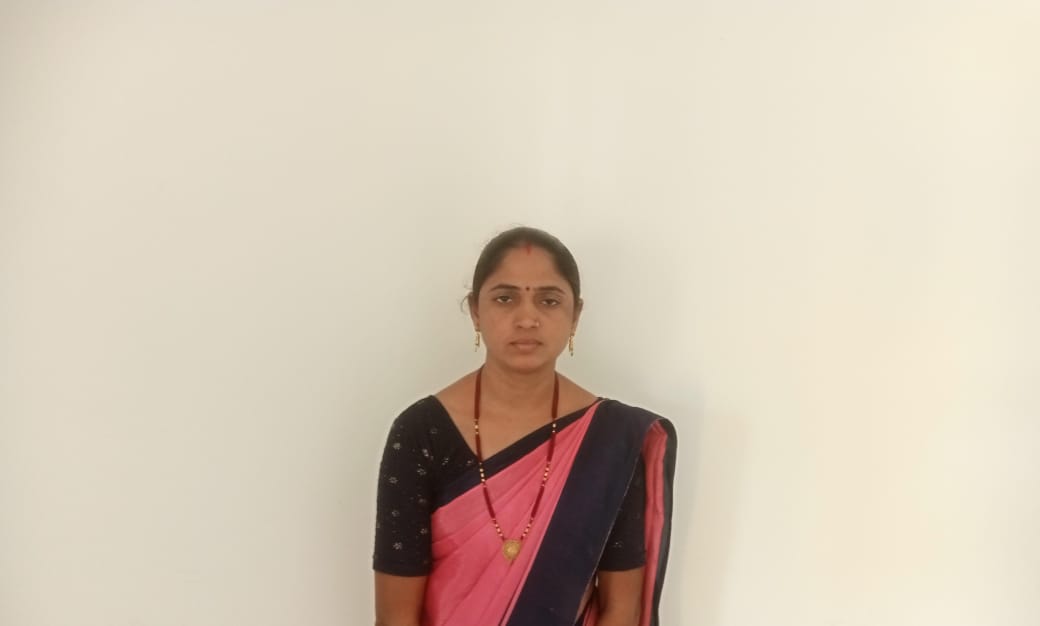
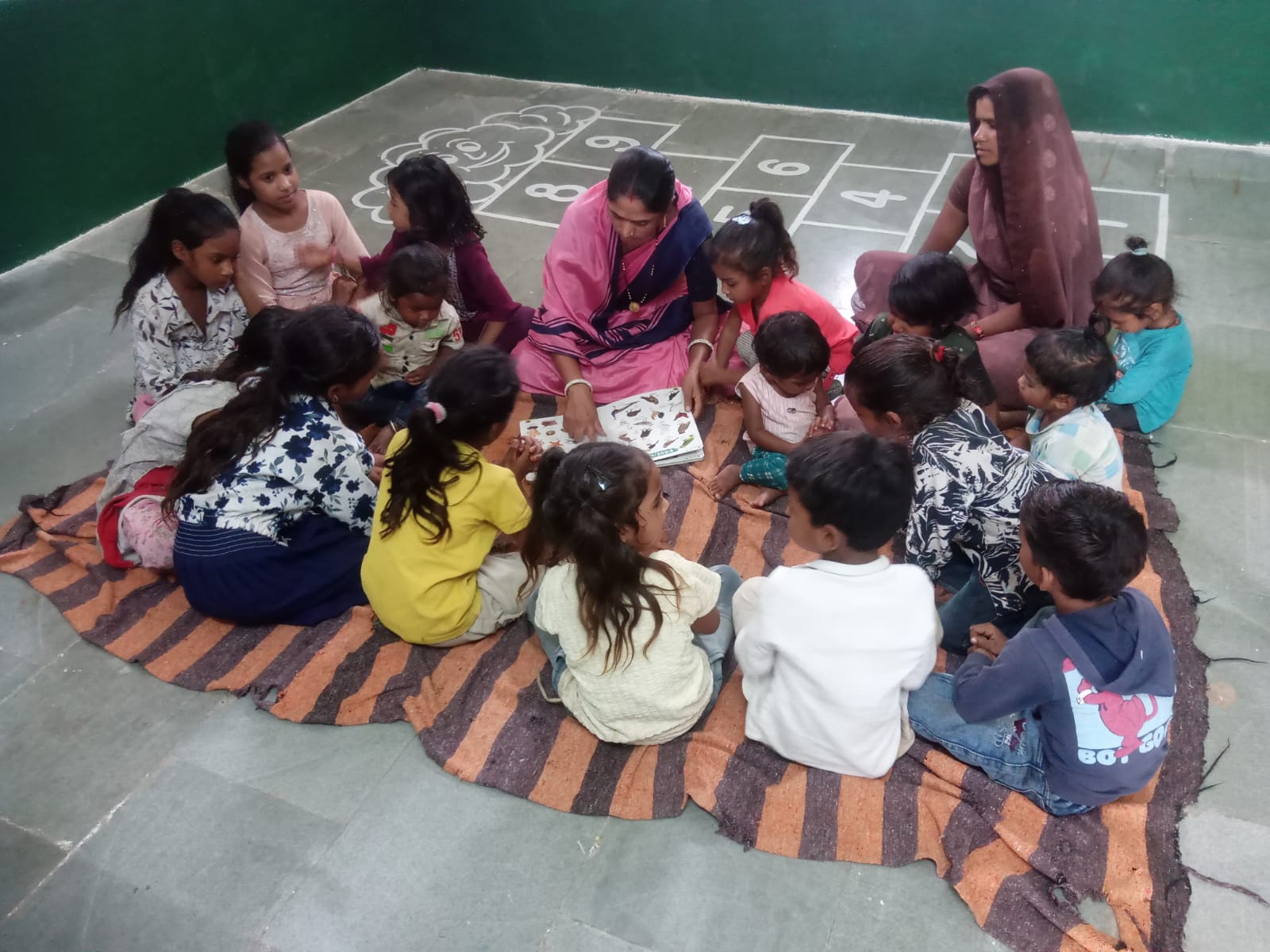
I, Janata Bhati, have been working as a worker at the Anganwadi Center in Nadankheda since 2005. This center comes under the Tirla development block, District Dhar, Madhya Pradesh.

The construction of the Nadankheda building was completed in 2012. However, in the years 2022 and 2023, electric wires were laid above the building. Efforts were made by me and the members of the village panchayat to stop this, but despite that, the work on the electric line continued, and it was eventually installed above the building.

During this time, the organization Action Against Hunger had initiated the process of adopting Anganwadi centers. However, due to the electric line passing over the building, the organization refused to adopt Anganwadi, stating that it was not child friendly. I then made it my mission to make the center child friendly.

We also made several attempts to get the electricity line removed. We applied to the Electricity Department in Tirla, requesting the removal of the wires. The application was signed by the Panch, Sarpanch, and Secretary as well. However, no action was taken.

After that, we informed the CDPO about the issue and also filed a complaint through the CM Helpline. Subsequently, we brought this matter to the attention of the District Collector during a public hearing at the Collector’s Office in Dhar.

We also informed MLA Neena Vikram Verma of Dhar. After all these efforts, the electricity department finally removed the wires from above the building in March 2025.

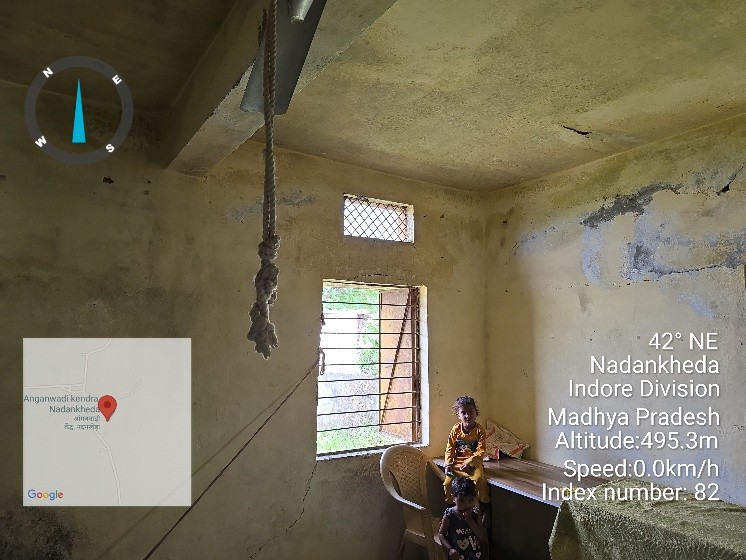
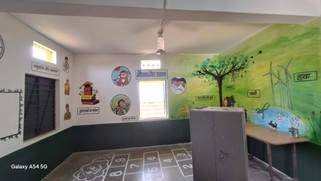
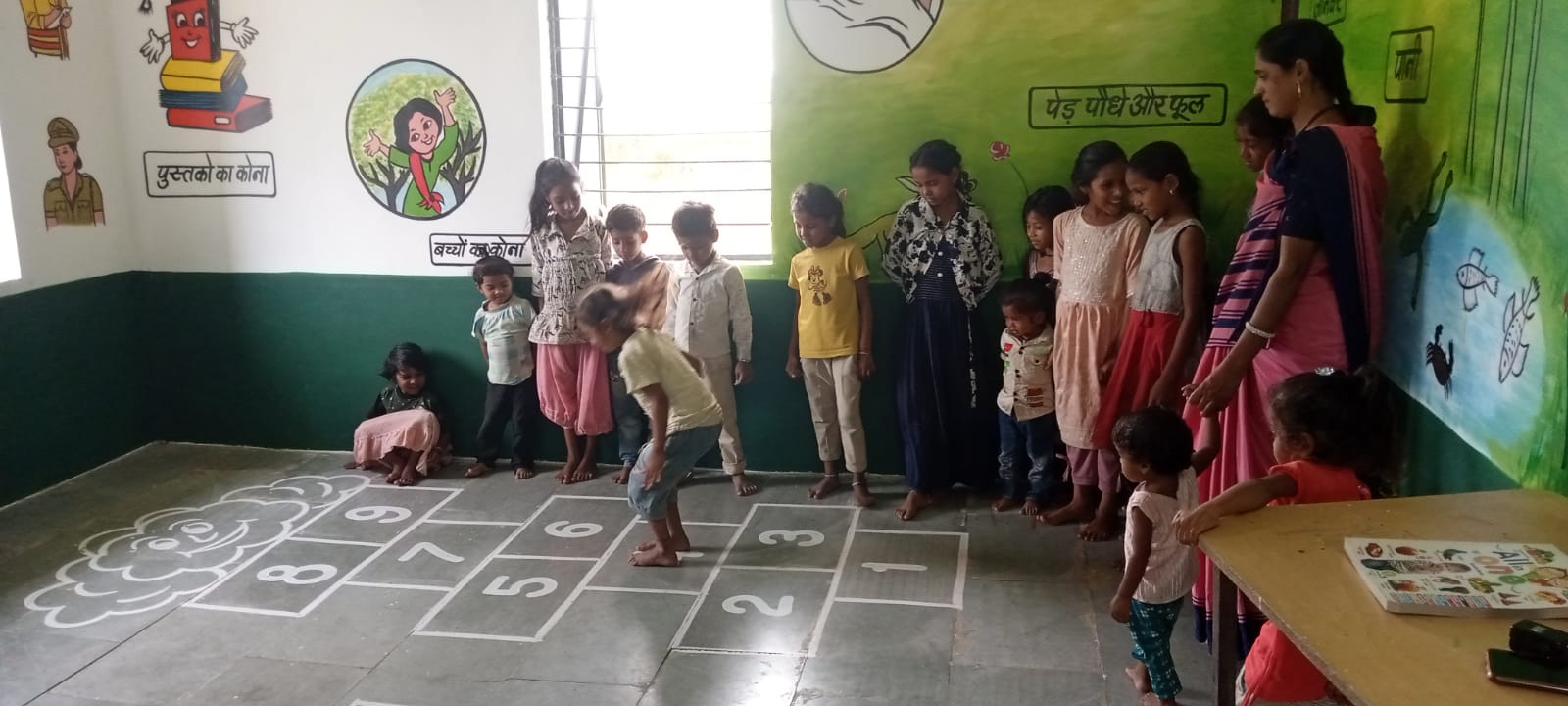
Following this, we once again requested the organization Action Against Hunger to adopt the Anganwadi center. The organization showed interest and agreed. In April 2025, the building was also renovated. The structural issues such as cracks in the walls and water leakage from the roof were resolved.


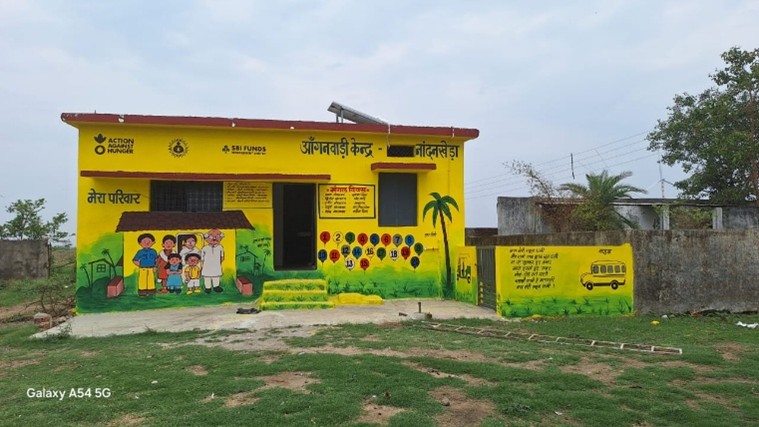
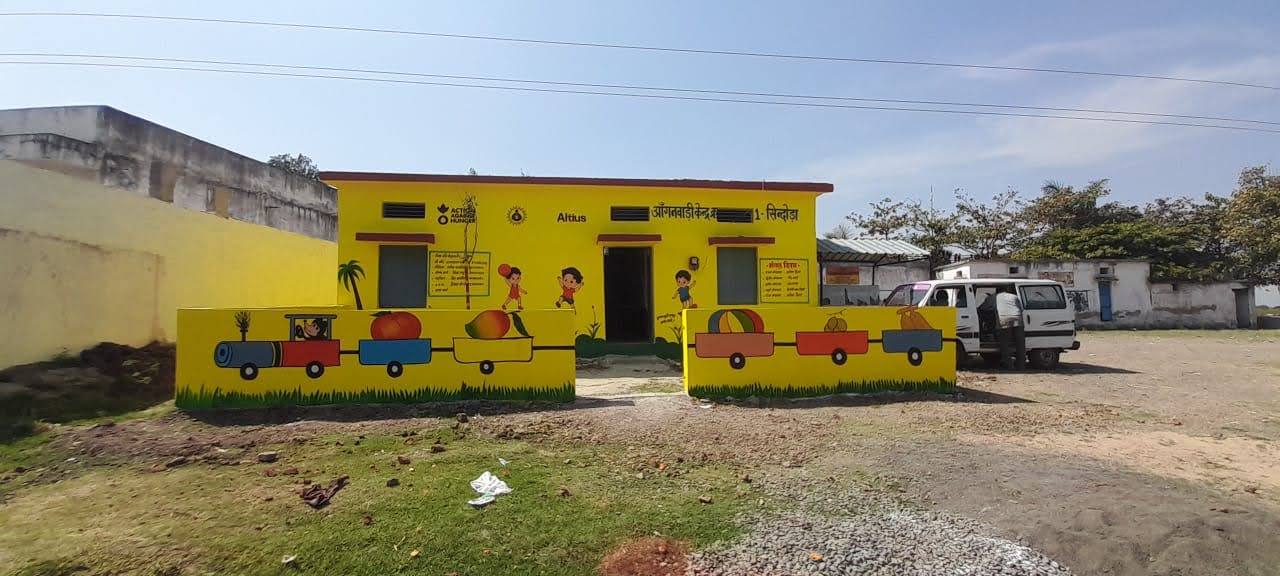
Nadankheda AWC Pre Picture


Nadankheda AWC Post Picture


Anganwadis Reimagined for Brighter Beginnings

For decades, Anganwadi Centers have been the heartbeat of India’s rural child development, nurturing young minds and supporting mothers through essential education, nutrition, and healthcare services. Their role extends beyond the individual child, they impact entire villages by improving access to essential resources and creating a foundation for lifelong well-being.

The Challenge:

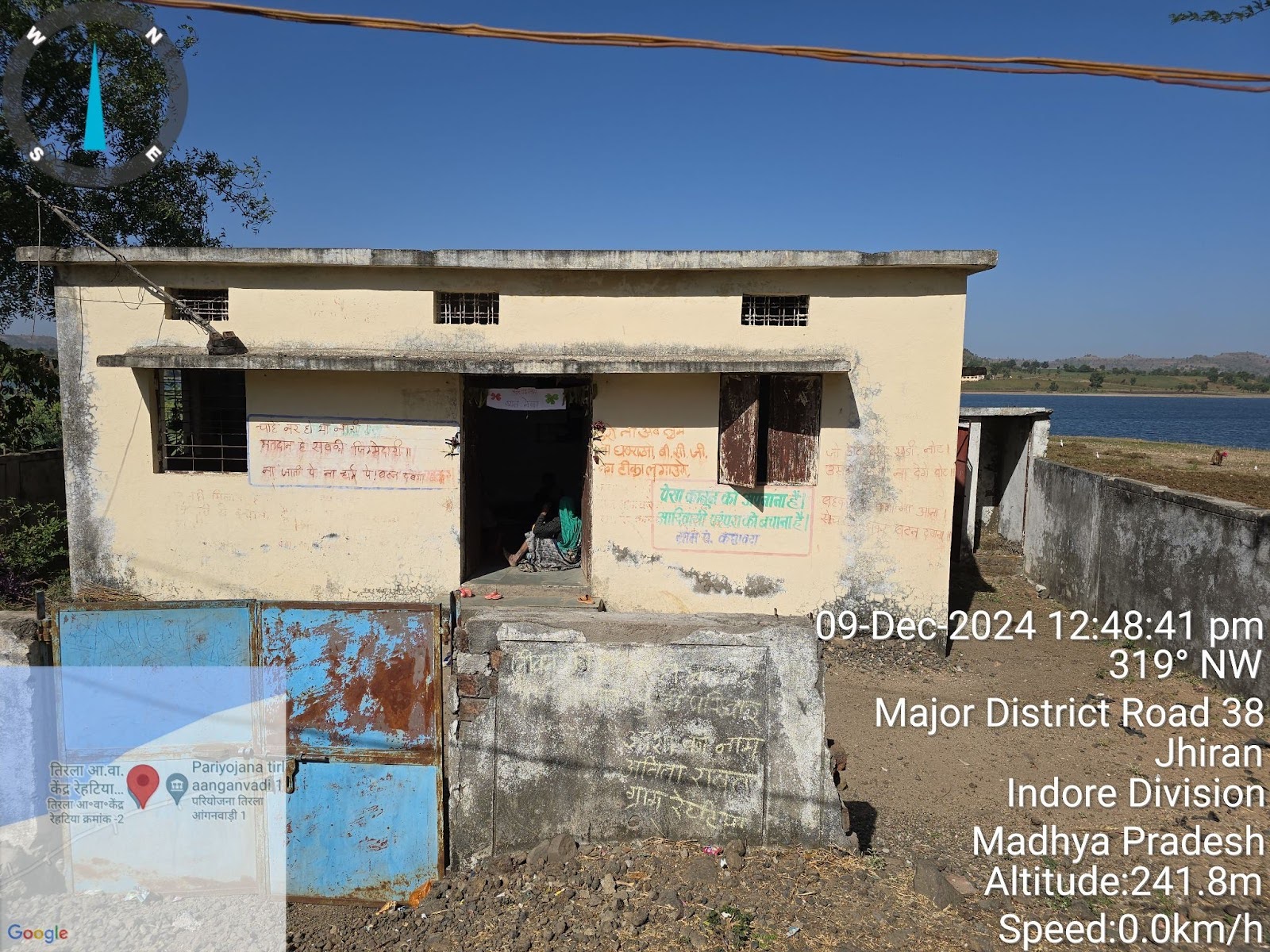
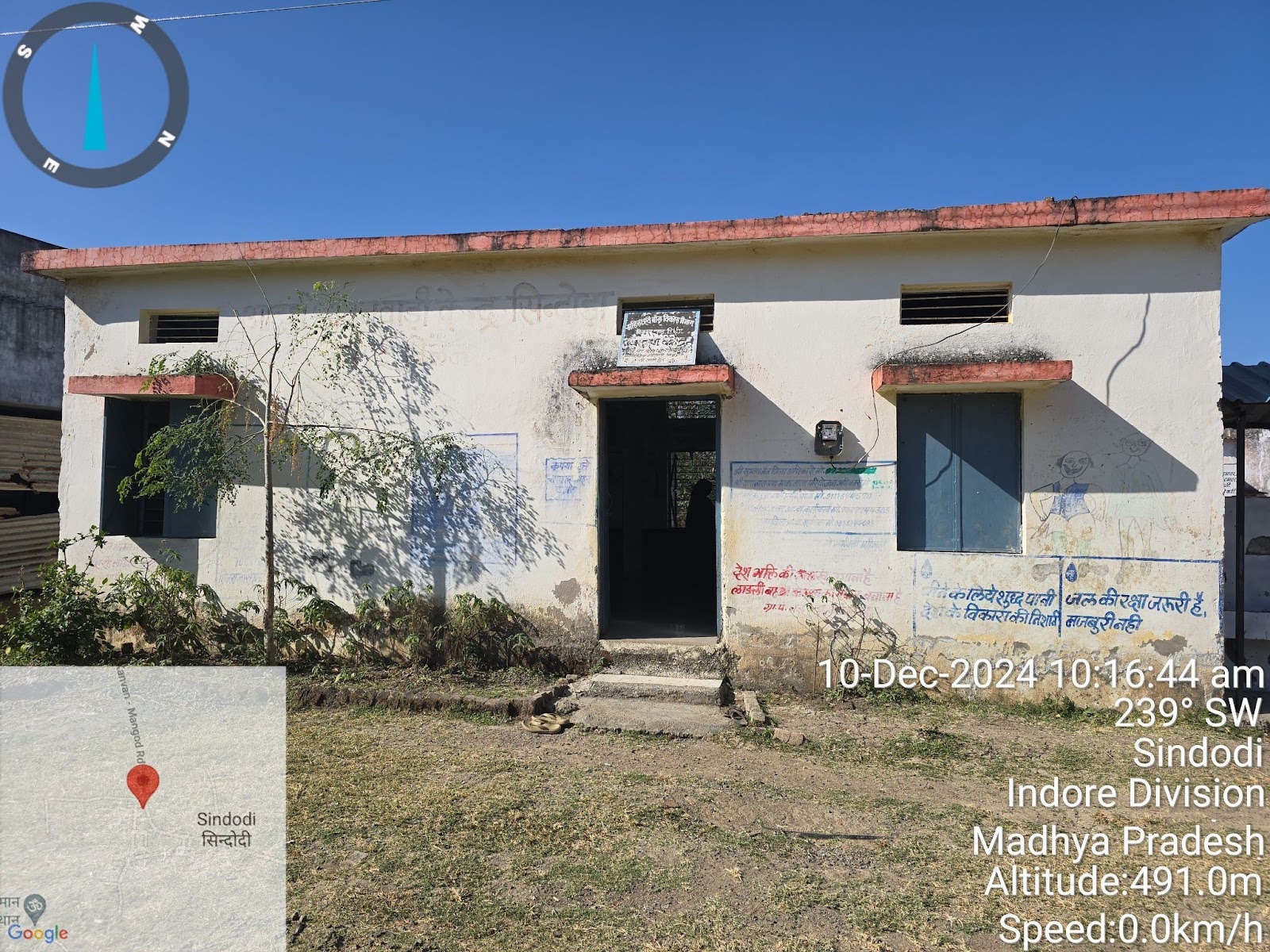
Many Anganwadi Centers in Dhar (Madhya Pradesh), Baran (Rajasthan), Sanand (Gujarat), and parts of Chhattisgarh have fallen into disrepair. Years of neglect, harsh weather, and poor sanitation threaten children’s development and mothers’ health. Without clean water, functional toilets, and safe learning spaces, children miss out on critical early learning, and mothers lose vital support. 

The Response:

Action Against Hunger India stepped in to restore hope, rebuild trust, and reimagine these spaces of care and learning.

Madhya Pradesh – Dhar


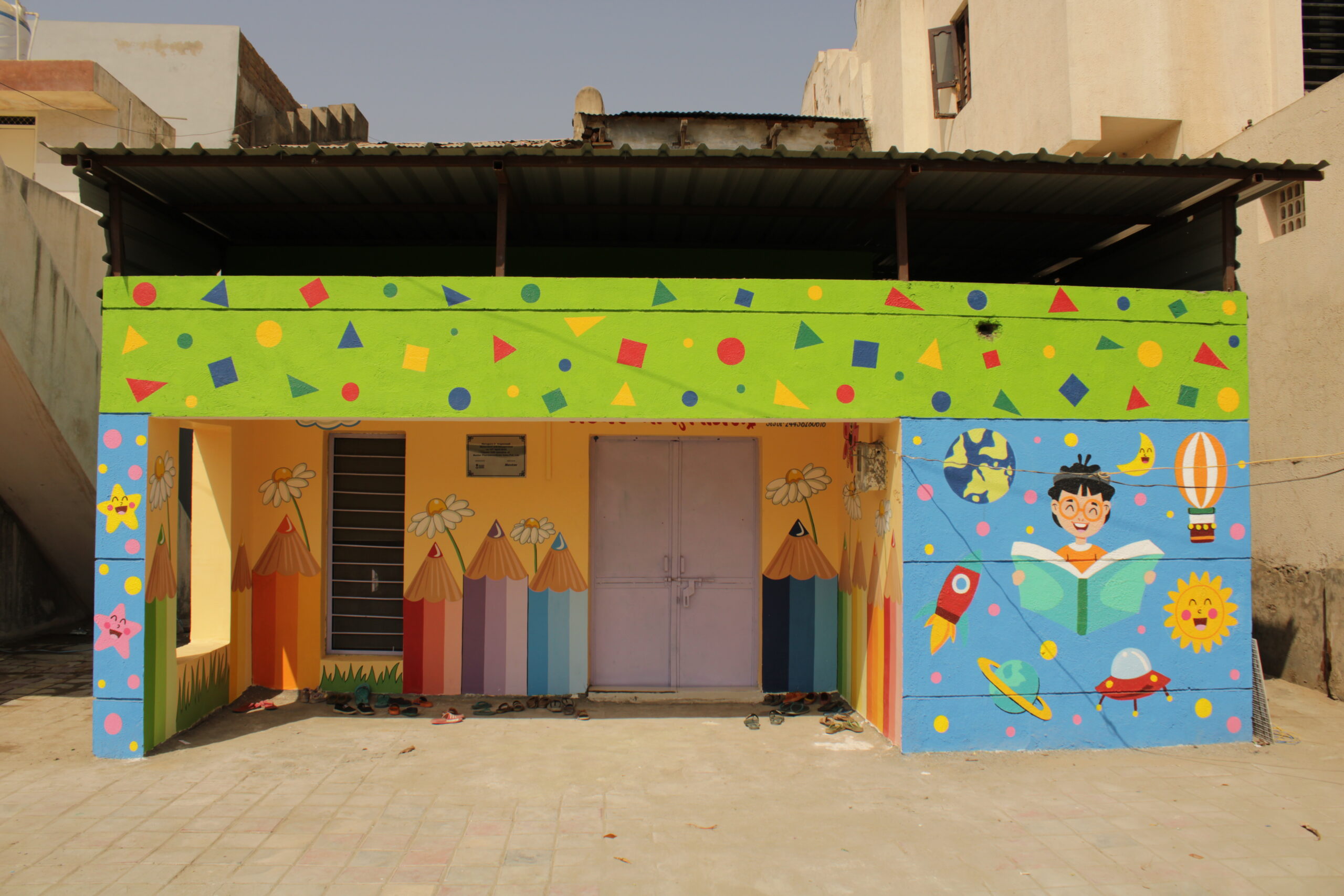
In Dhar, Madhya Pradesh, we’ve reimagined the local Anganwadi Center into a vibrant space that prioritizes care, safety, and learning. With upgraded infrastructure, modern sanitation facilities, and child-friendly amenities, the center now offers an environment that truly supports the early development of children. This transformation lays the groundwork for a healthier future and a stronger, more resilient community.


Rajasthan – Repainting Hope in Baran


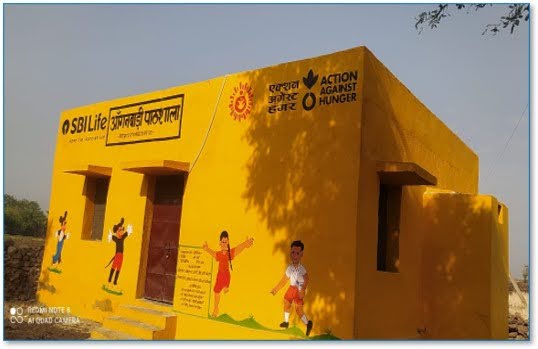
In Baran, Rajasthan, we’re revitalizing Anganwadi Centers with a fresh coat of color and a renewed commitment to child well-being. These renovations go beyond aesthetics as they bring warmth, energy, and purpose into spaces where young minds begin their journey. With every new wall, piece of furniture, and child-focused enhancement, these centers are becoming places where children feel safe, seen, and excited to learn.


Gujarat – A Brighter Tomorrow in Sanand


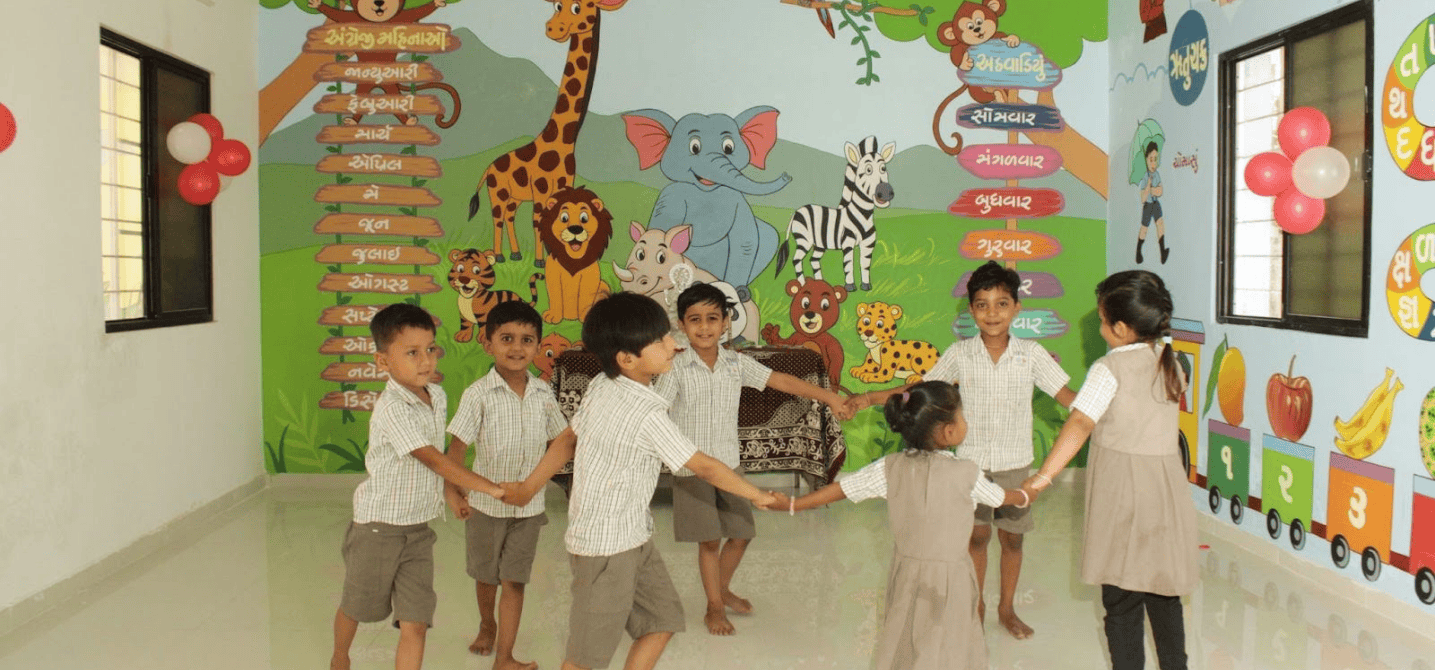
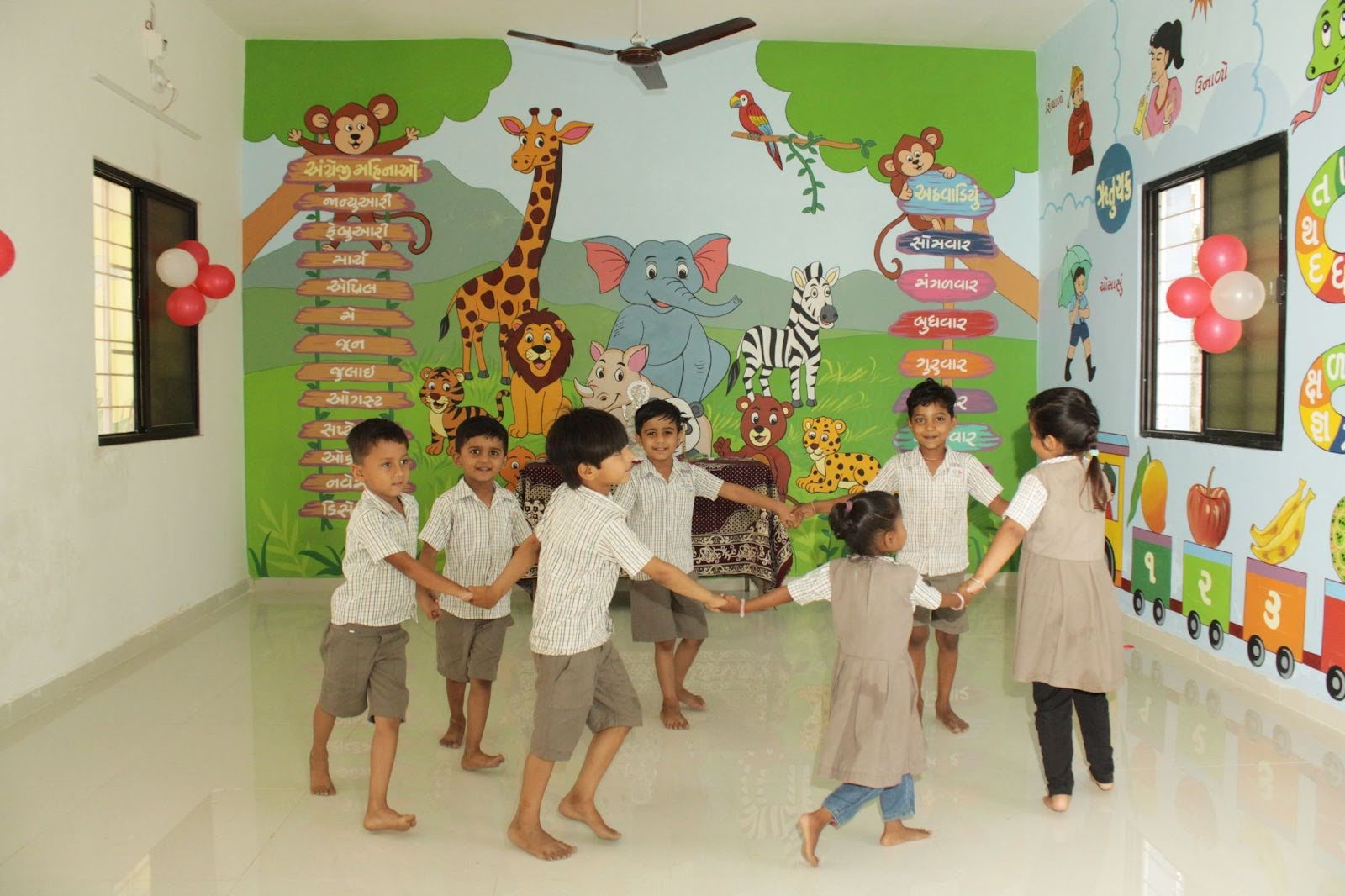
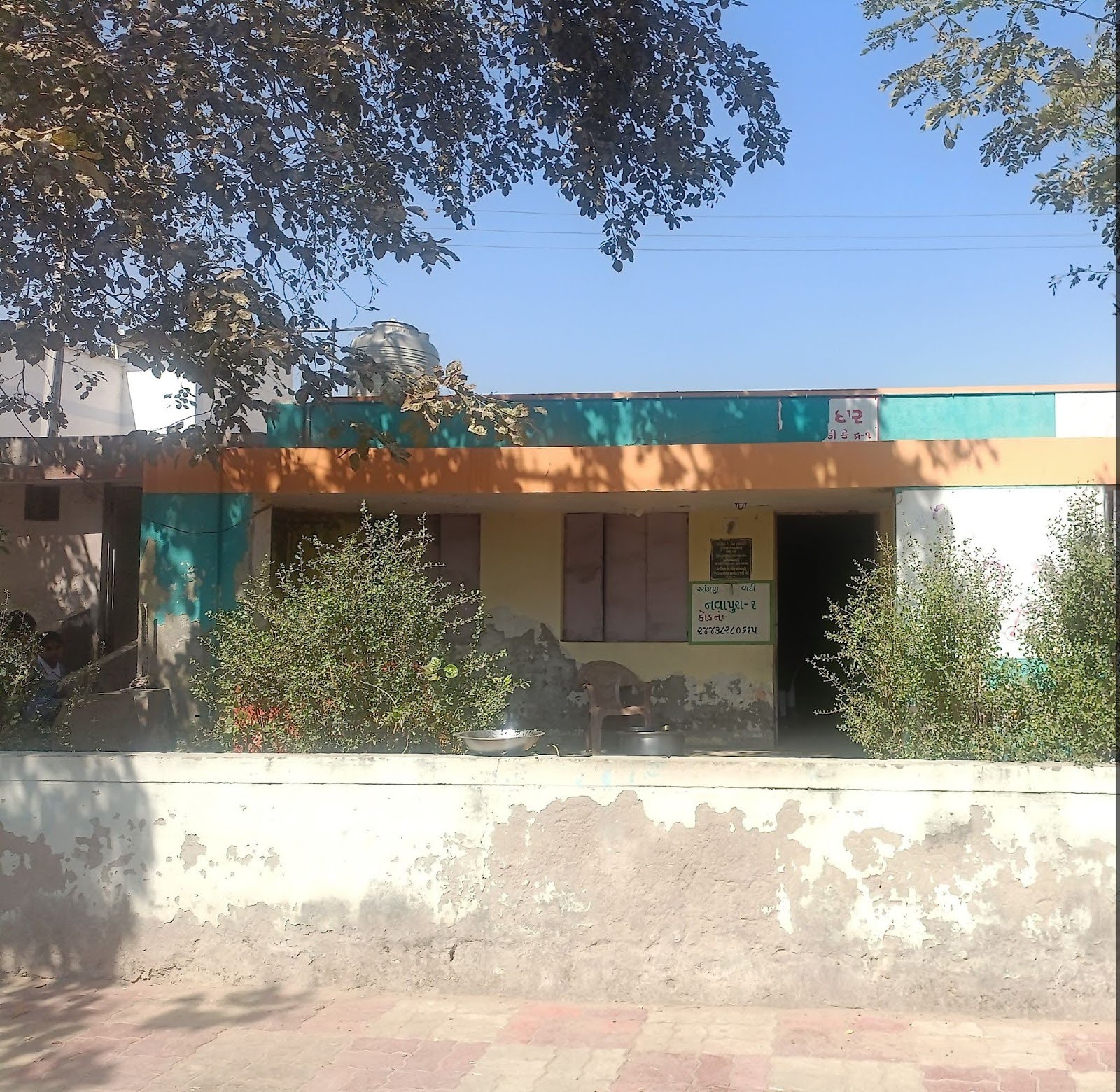
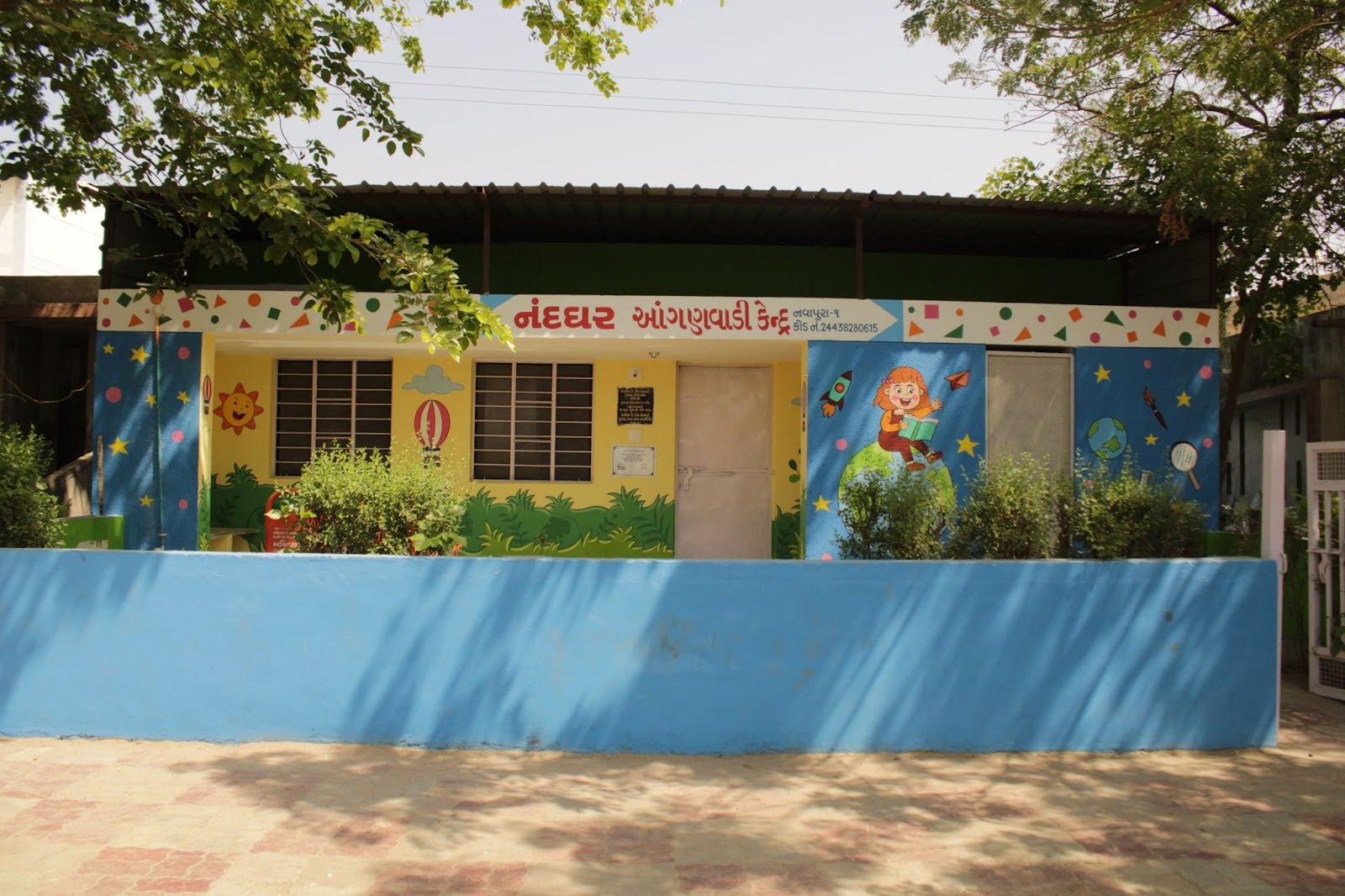
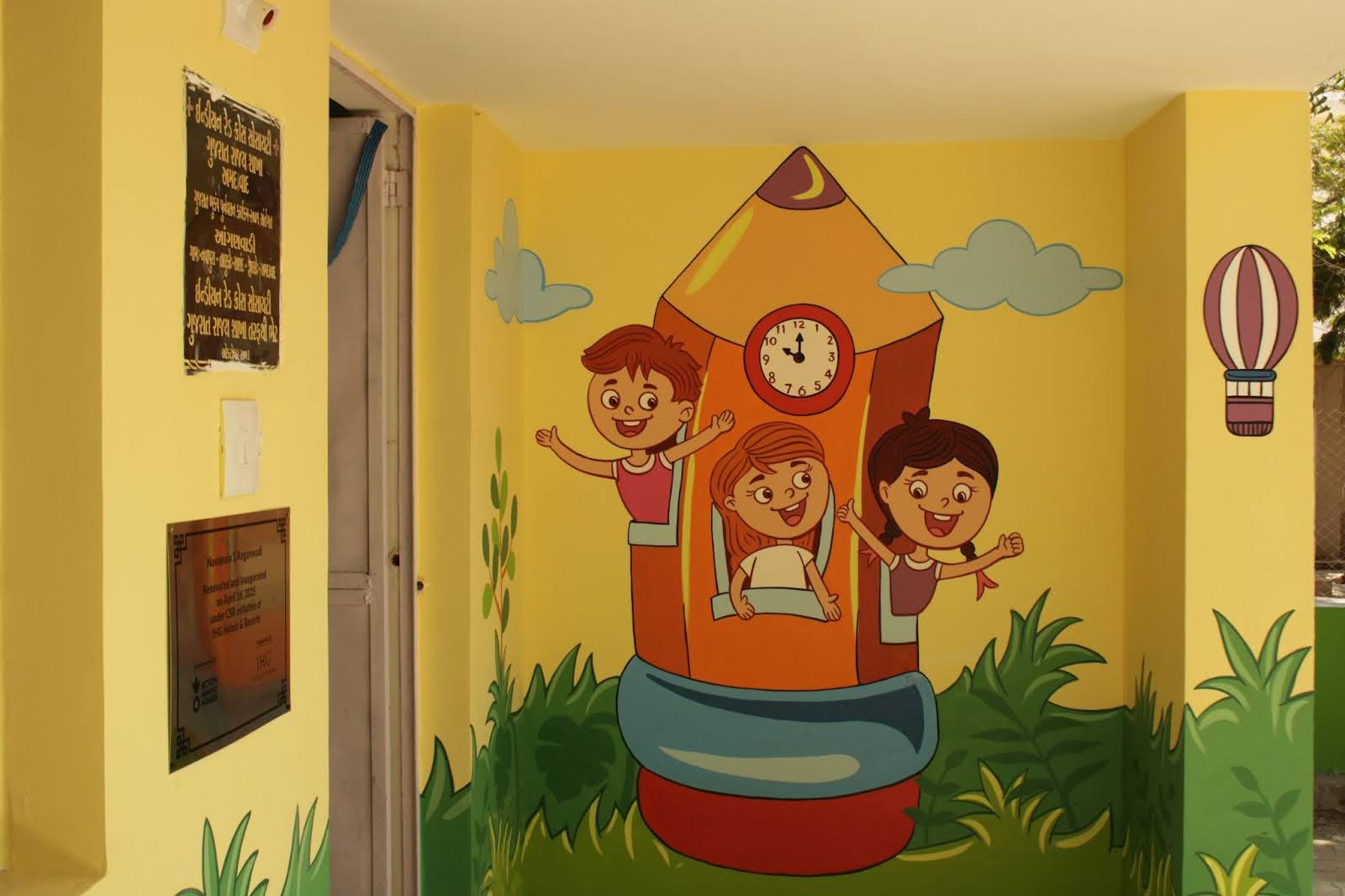
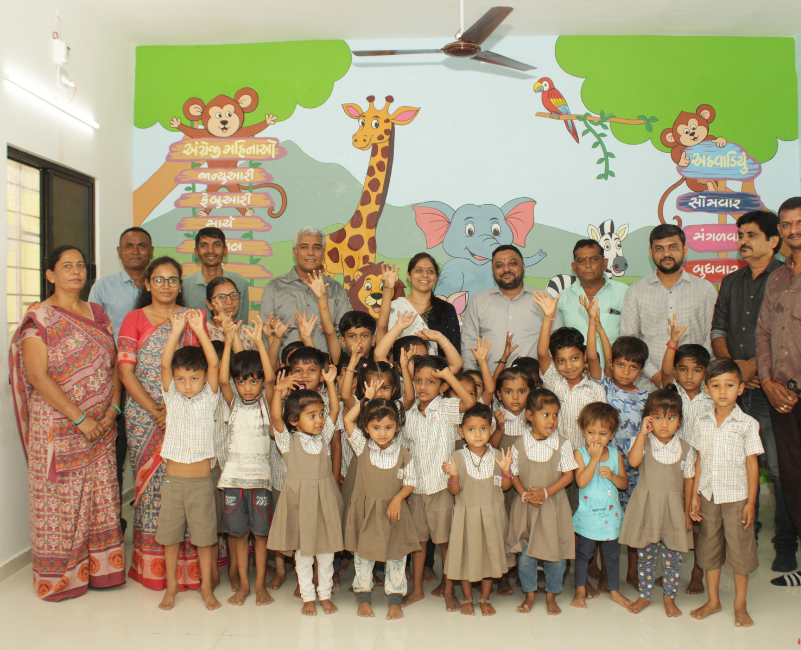
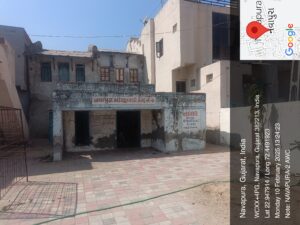
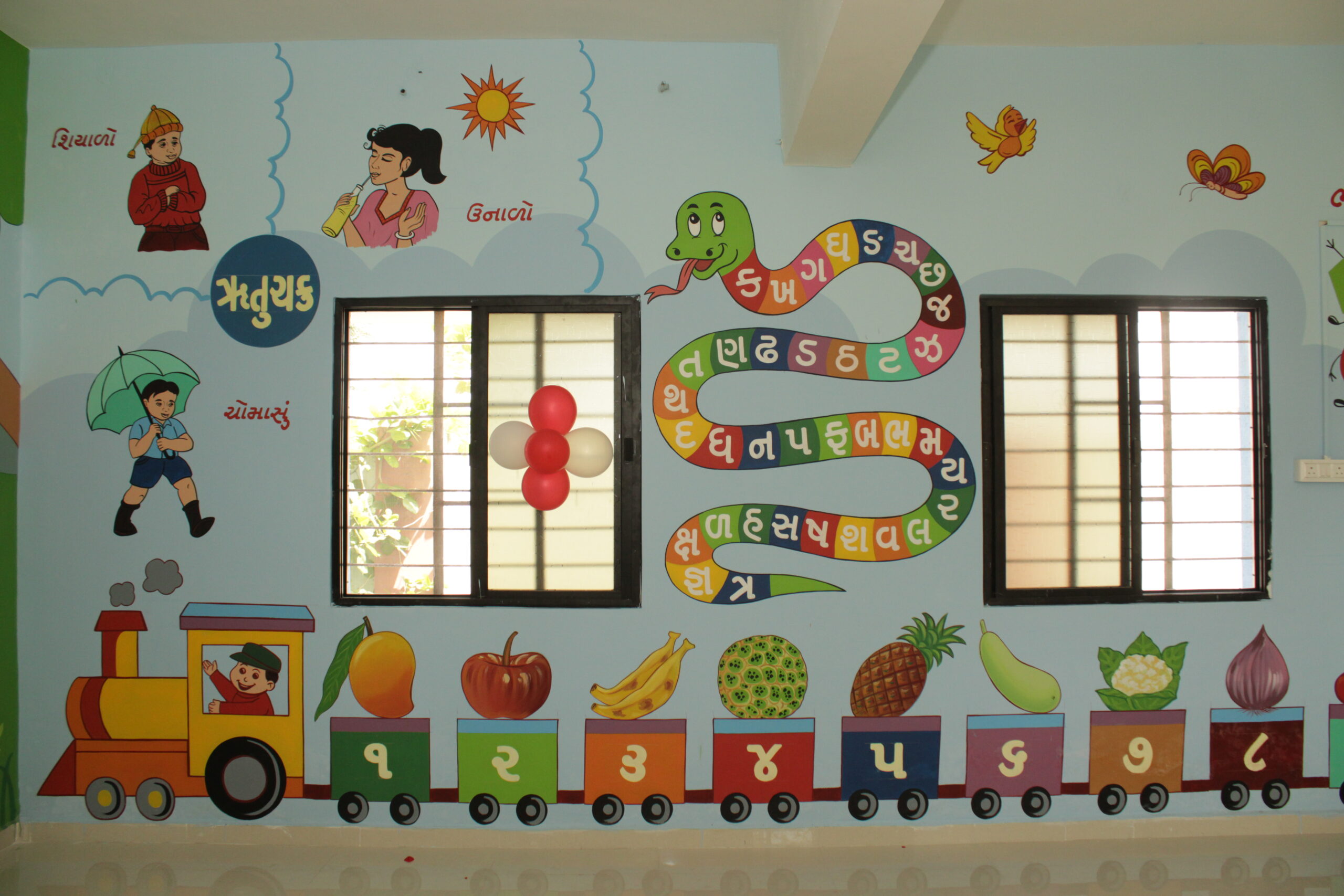
At Navapura 1 Anganwadi Center in Sanand, Gujarat, the transformation reflects our belief in creating joyful, educational spaces. As part of the Ashraya phase, we carried out civil repairs, introduced vibrant BALA (Building as Learning Aid) artwork, and upgraded basic facilities. This community-driven effort has turned the center into an inspiring place that fosters growth, creativity, and collective care.

Chhattishgarh – A Brighter Tomorrow in Gariaband


The Impact

This transformation is about more than repairing buildings, it’s about restoring dignity and creating lasting change. 

With clean water, safe sanitation, and enriched learning environments, we’re giving children the chance to grow in safe, nurturing spaces. We’re supporting mothers with the resources and care they need. And we’re strengthening rural communities from the ground up. 

Each refurbished Anganwadi Center now stands as a testament to what’s possible when compassion meets action, and a promise of brighter futures for generations to come.

Dharni (Amravati) Takes the First Step in the Fight Against Anemia

Anemia is a silent crisis — one that affects millions across rural India, yet often goes unnoticed. In Dharni, many women, adolescents, and young children live with the daily fatigue, weakness, and long-term health risks associated with this condition. Left unaddressed, anemia can impair growth, learning, maternal health, and overall well-being.

Recognising the urgency of this challenge, Action Against Hunger India, with the support of NAOS, has launched a targeted Anemia Project across 33 villages in Dharni block. This marks a significant expansion of our reach and a deepening of our commitment to community health.

The project specifically focuses on four key vulnerable groups:

  • Newly married women, who often face health vulnerabilities due to early pregnancies and limited access to healthcare;
  • Pregnant and lactating mothers, whose nutritional status directly affects both maternal and child health;
  • Adolescent girls, who are at high risk of iron deficiency due to menstruation and poor dietary intake;
  • Children under five, for whom anemia can hinder physical growth and cognitive development.

Our approach combines:

  • Community-based screening and identification of anemia using simple diagnostic tools;
  • Nutrition education and counselling to promote iron-rich diets using locally available foods;
  • Distribution of iron and folic acid supplements, deworming tablets, and referrals where needed;
  • Capacity building of frontline workers and community volunteers to sustain impact;
  • Behaviour change communication campaigns to promote health-seeking behaviour, early diagnosis, and preventive practices.

With this initiative, we hope to shift the narrative — from silence to awareness, from fatigue to strength, and from vulnerability to resilience. We believe that good health is the foundation of every dream, and no child, girl, or mother should be left behind due to a preventable condition like anemia.

This is not just a health intervention — it’s a step towards dignity, equity, and opportunity for every individual in these villages. Together with NAOS, we are creating healthier beginnings and stronger futures.


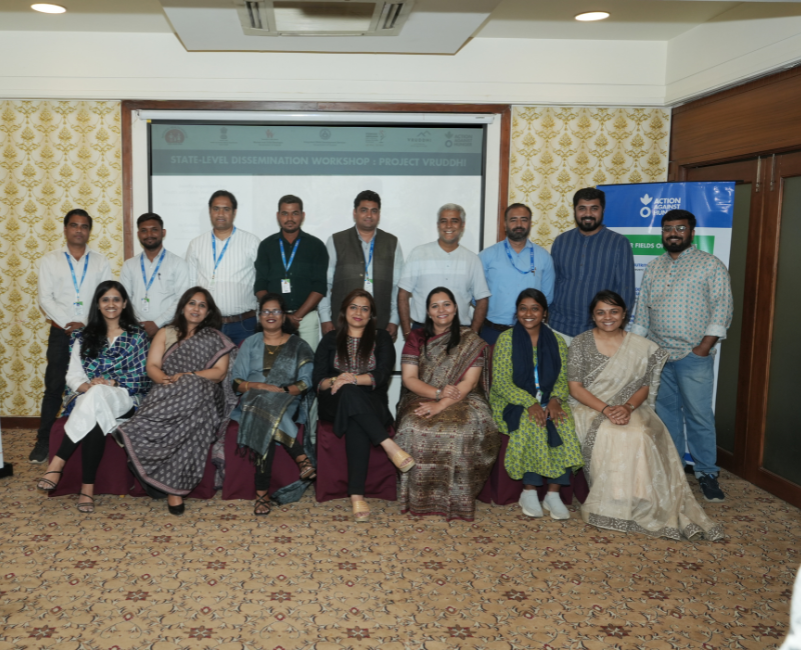
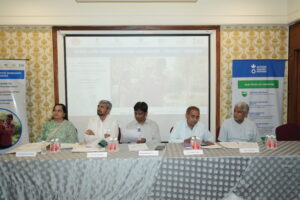
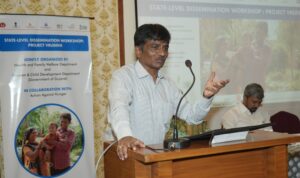
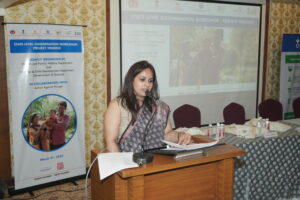
State-Level Dissemination Workshop: Project Vruddhi

The Health and Family Welfare Department and the Women and Child Development Department, Government of Gujarat, in collaboration with Action Against Hunger India, jointly organized a State-Level Dissemination Workshop for Project Vruddhi in Gandhinagar, Gujarat.

This significant event served as a platform to bring together key stakeholders from across the state, including government officials, health practitioners, program implementers, and development partners. The workshop aimed to present and discuss the key learnings, achievements, and best practices emerging from Project Vruddhi’s implementation in Sabarkantha district.

Through a series of engaging sessions, experiential sharing, and the presentation of the Endline Evaluation Findings, the workshop created a space for honest reflection—highlighting what has worked well, what challenges remain, and how these insights can be effectively translated into evidence-based, scalable solutions for maternal and child health interventions.

Dignitaries present were :

  • Shri Harshad M. Vora, IAS – District Development Officer, Sabarkantha
  • Dr. Nayan Jani – Additional Director, Family Welfare, Government of Gujarat
  • Dr. R. B. Sutariya – Chief District Health Officer (CDHO), Sabarkantha
  • Ms. Jignasa C. Pandya – Mission Director, Poshan Abhiyaan, Gujarat

Their presence underscored the government’s commitment to improving health and nutrition outcomes and the importance of collaborative action to address systemic challenges.

At its heart, Project Vruddhi represents more than a program—it is a testimony to what sustained partnerships, community-centric approaches, and data-driven strategies can achieve. By closely working with the government, healthcare workers, and local communities, the project has successfully piloted and refined interventions aimed at improving maternal, infant, and young child nutrition and care.

The workshop served as a celebration of this collective journey—one marked by innovation, dedication, and impact. Project Vruddhi stands as a model of how insights can be transformed into meaningful, real-world solutions that drive long-termchange and improve lives on the ground.

Nurturing Futures: Creating Child-Friendly Anganwadi Spaces

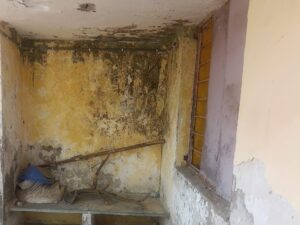
Anganwadi Centers (AWCs) play a vital role in providing early childhood education, nutrition, and healthcare to young children in underserved communities. However, over the years, many centers in Dhar (Madhya Pradesh), Baran (Rajasthan), and Sanand (Gujarat) had deteriorated due to prolonged use, exposure to harsh environmental conditions, and a lack of regular maintenance. These issues created unsafe, unhygienic, and uninspiring environments, severely impacting the children’s overall well-being and learning outcomes.


A well-maintained Anganwadi is not just a physical space but a foundation for early childhood development. It plays a pivotal role in ensuring cognitive, emotional, and physical growth in children by providing a safe and engaging environment. A poor infrastructure with damaged walls, broken doors, inadequate water supply, and faulty electrical systems creates significant risks, including accidents, lack of hygiene, and reduced learning efficiency.

This refurbishment helped to transform the Anganwadi into a child-friendly, safe, and stimulating environment where young learners can thrive. By improving structural integrity, enhancing aesthetic appeal, and ensuring the functionality of essential utilities, this initiative supported for better health, hygiene, and educational outcomes. Moreover, a well-maintained center will encourage higher attendance, active participation from the community, and overall improvement in service delivery.


JOIN THE FIGHT AGAINST HUNGER


    [give_form id="6131"]

    [give_form id="6240"]