500 Preterm Babies Supported Through KMC in 3 Years

A Three-Year Milestone in Newborn Care: 500 Babies Supported Through KMC

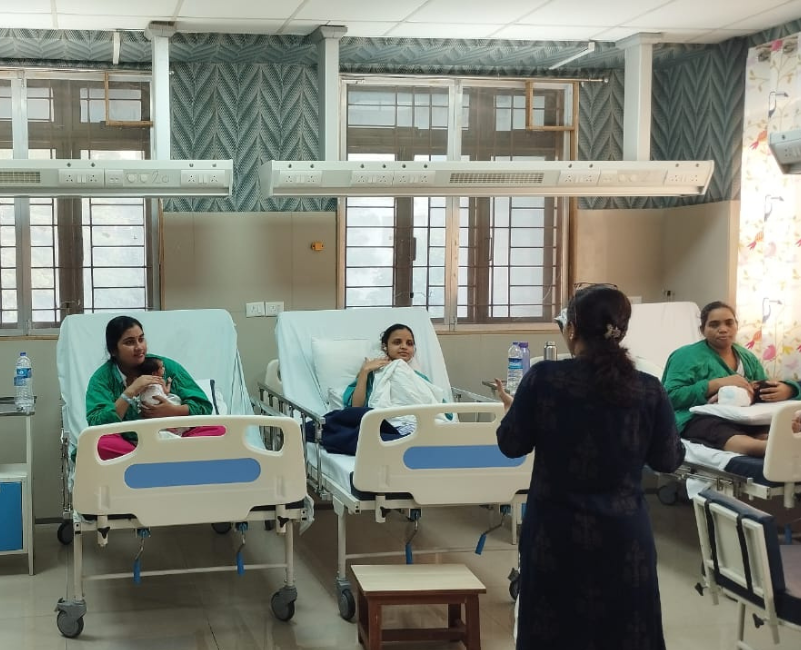
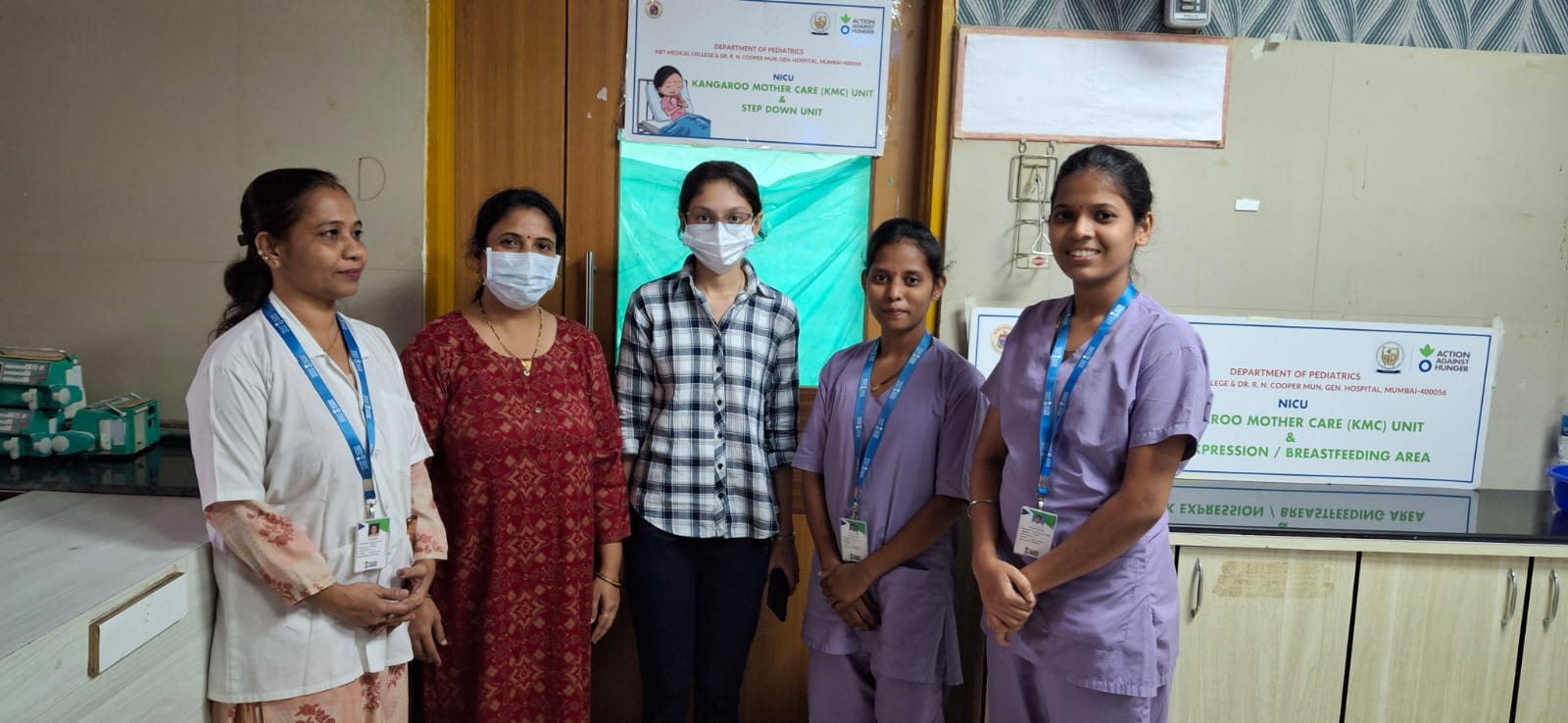
A Kangaroo Mother Care (KMC) Unit was established in March 2023 in collaboration of the Pediatrics Department of Dr. R. N. Cooper Hospital, Ville Parle (Mumbai). The unit provides care to stable low birth weight, preterm, and premature babies weighing below 2.5 kg, referred from the Neonatal ICU in the hospital.
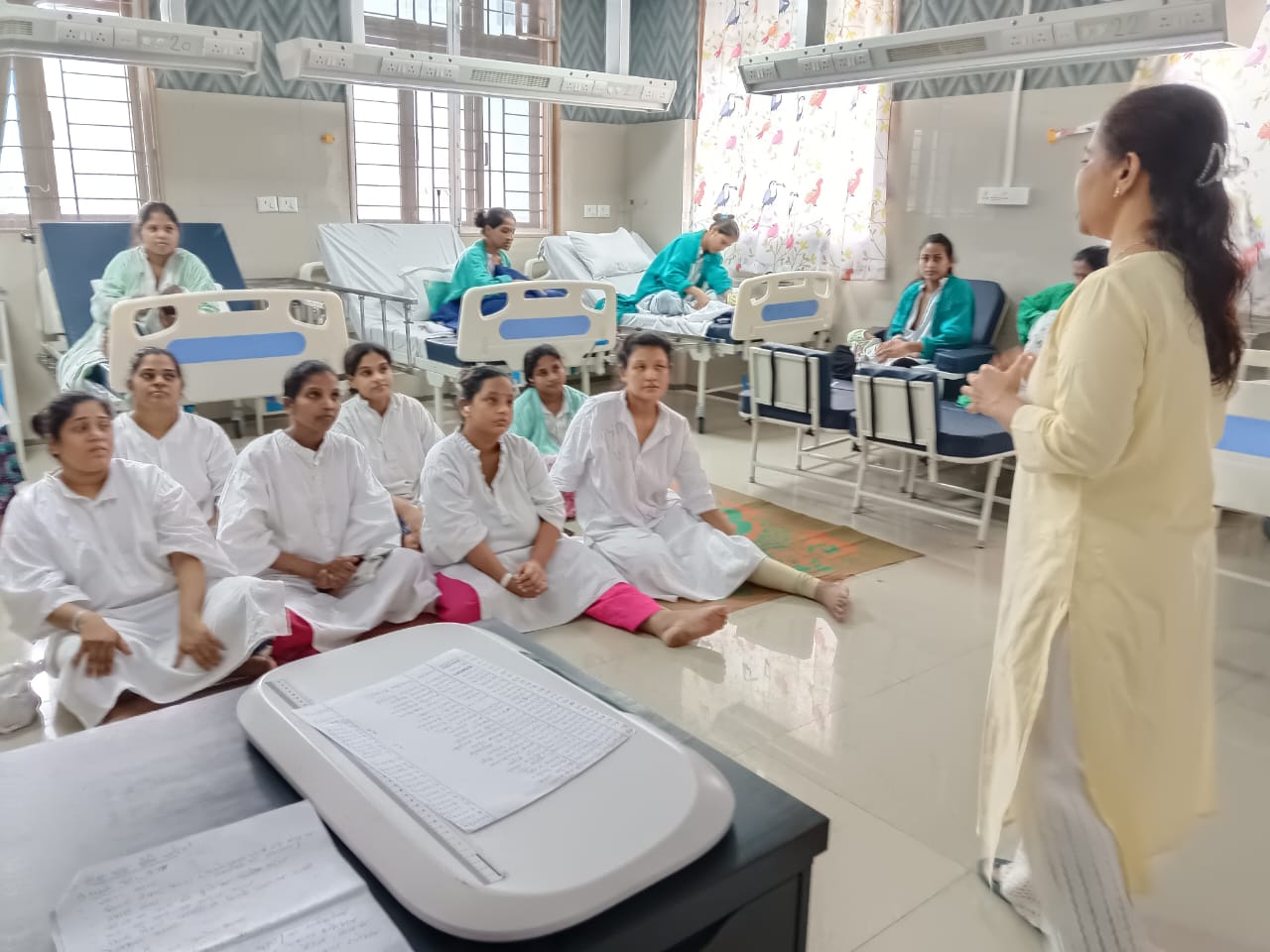
From April 2023 to December 2025, a meaningful and impactful initiative of KMC unit has successfully cared for and discharged over 500 babies. Mothers stay with their babies in the unit and receive structured training on KMC positioning, breastfeeding techniques, feeding holds, hygiene practices, recognition of danger signs, basic newborn care and postnatal care.
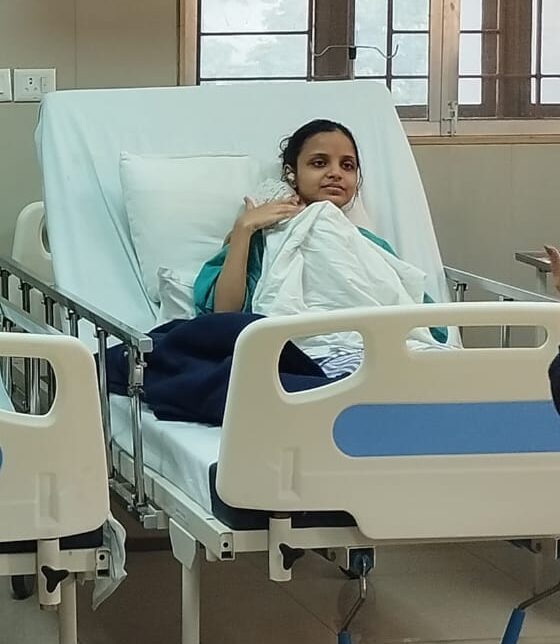
Kangaroo Mother Care is a proven, evidence-based, low-cost intervention that significantly improves survival, growth, and developmental outcomes of preterm and low-birth-weight infants. Continuous skin-to-skin contact helps maintain thermal stability, improves breastfeeding rates, enhances weight gain, reduces the risk of infections and promotes early bonding between mother and child. KMC has also been shown to decrease episodes of apnea, hypothermia and hospital readmissions, leading to better overall neonatal outcomes.
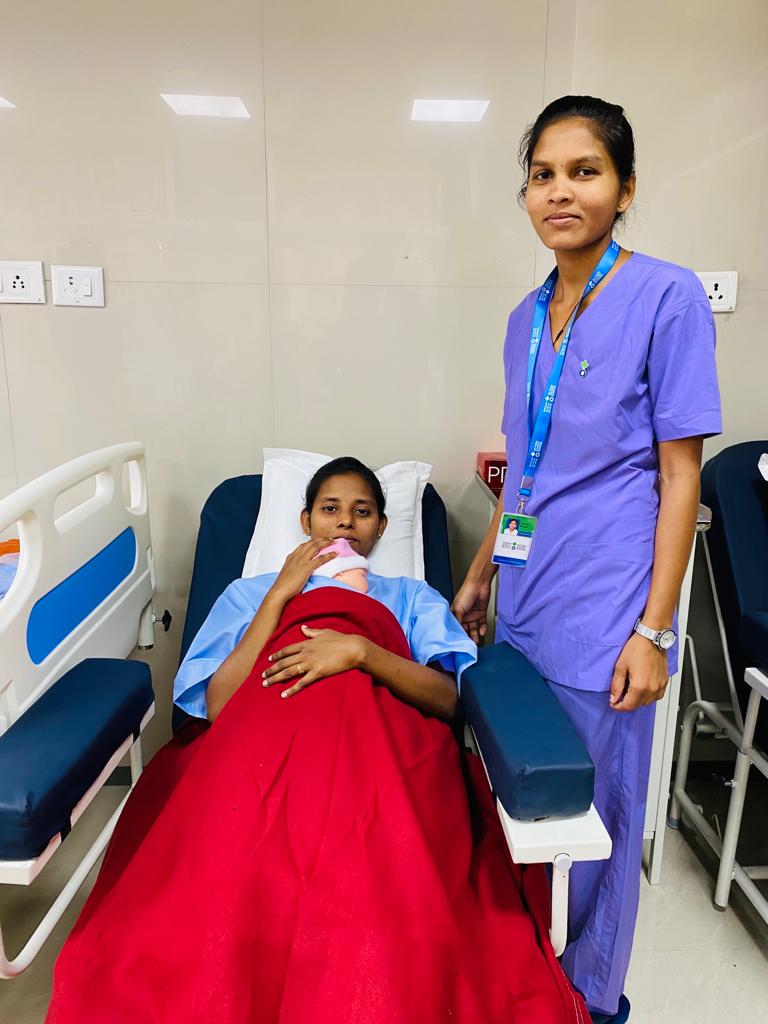
On average, babies spend 9.5 days in the KMC unit, with a mean daily KMC duration of 4 hours 50 minutes. During their stay, babies demonstrated a consistent average daily weight gain of 17.9 grams, with an overall average weight gain of 110.4 grams, indicating positive growth and recovery. Post-discharge, mothers are supported through telephonic follow-up for one month to encourage continuation of KMC and breastfeeding at home. Mothers reporting concerns such as fever or loose motions are promptly advised to seek medical care.
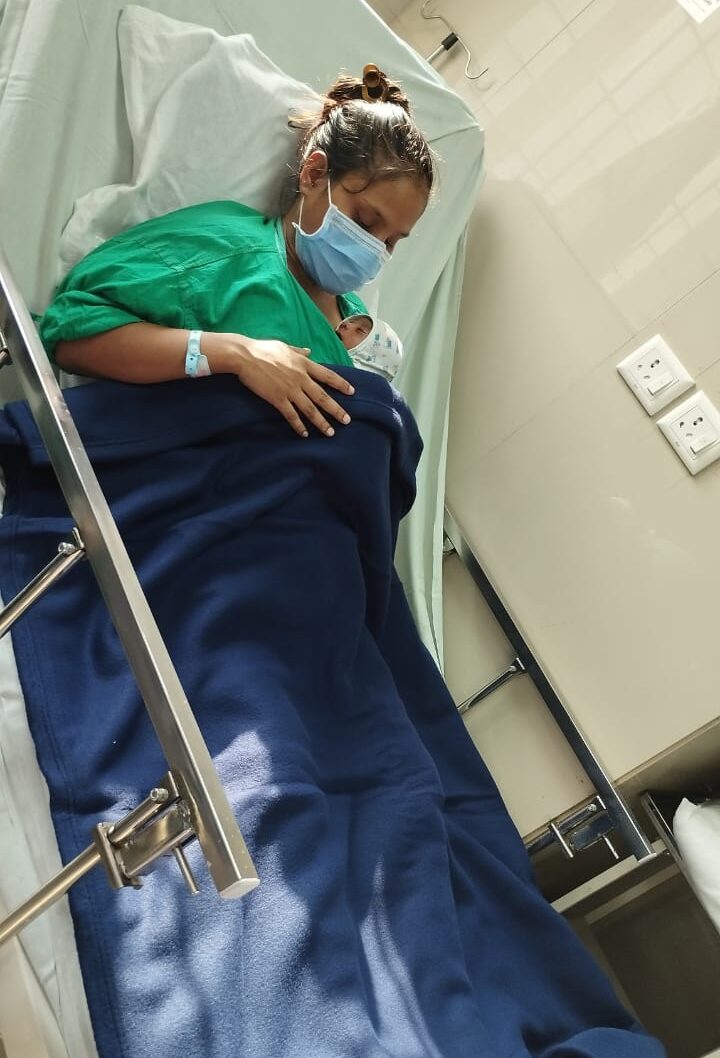
Importantly, KMC is a low-cost, low-technology and sustainable intervention, making it highly suitable for resource-constrained settings. It reduces the need for incubators; prolonged NICU stays and expensive medical interventions while empowering mothers to actively participate in their baby’s care. By promoting exclusive breastfeeding and early discharge with continued follow-up, KMC reduces healthcare costs for both families and health systems, while ensuring quality newborn care.
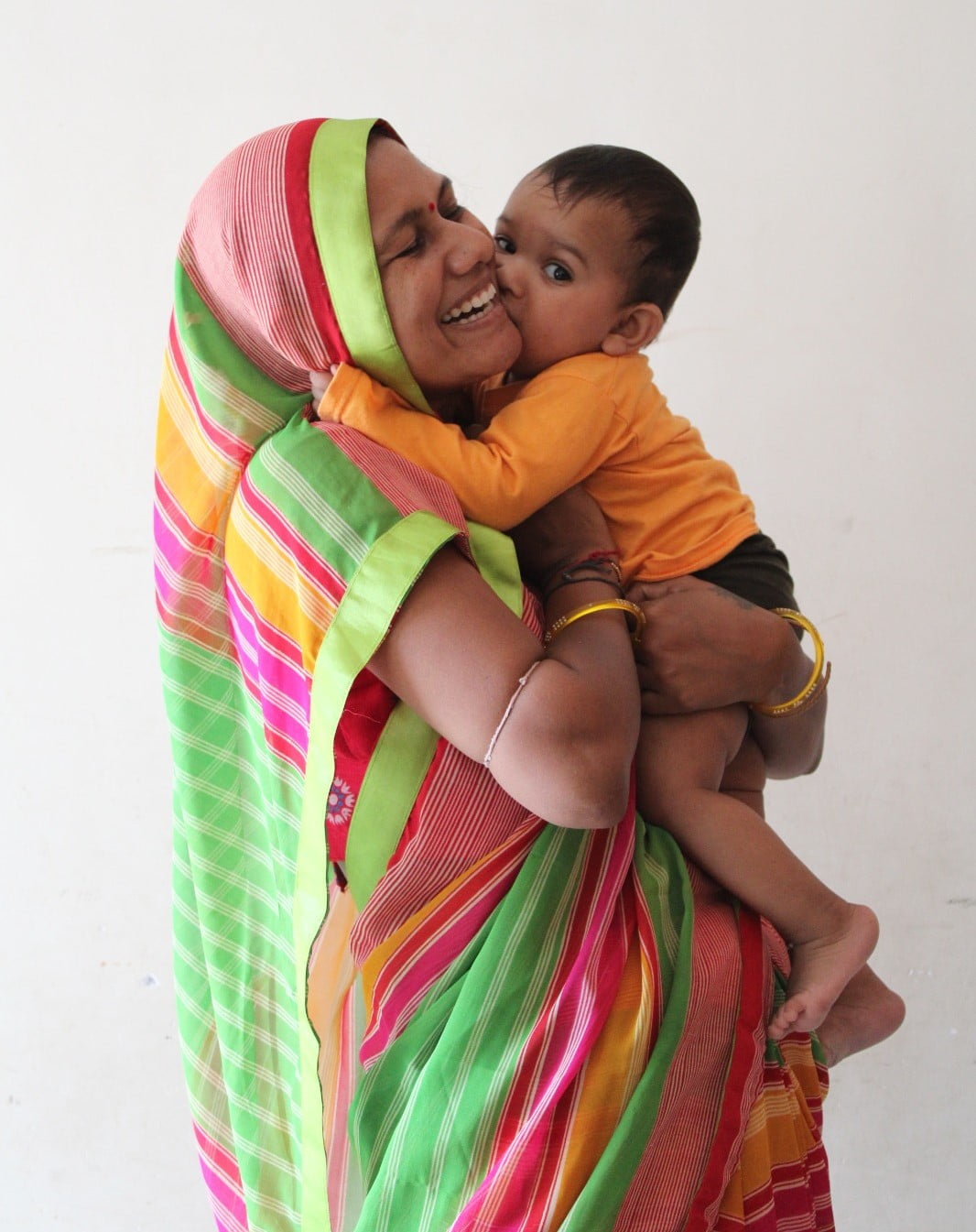
Beyond clinical benefits, KMC strengthens mother–infant bonding, improves maternal confidence and mental well-being, and empowers families to actively participate in newborn care. It also helps in enhancing the health, growth, and survival of preterm and low-birth-weight infants.
How Early Intervention Helped Saarth Thrive

Valvanda 1 is a small tribal village located 17 km away from Jawhar, Palghar (Maharashtra) situated on a hilly and remote terrain. Around 69 families reside in the village, including the family of Saarth (name changed) Lokhande. The family’s primary livelihood is farming, and Saarth’s father also works as a farm laborer. For additional income, family members migrate to nearby talukas or districts between March and June. The family consists of Saarth’s parents, grandparents, and extended relatives, all living together under one roof. 

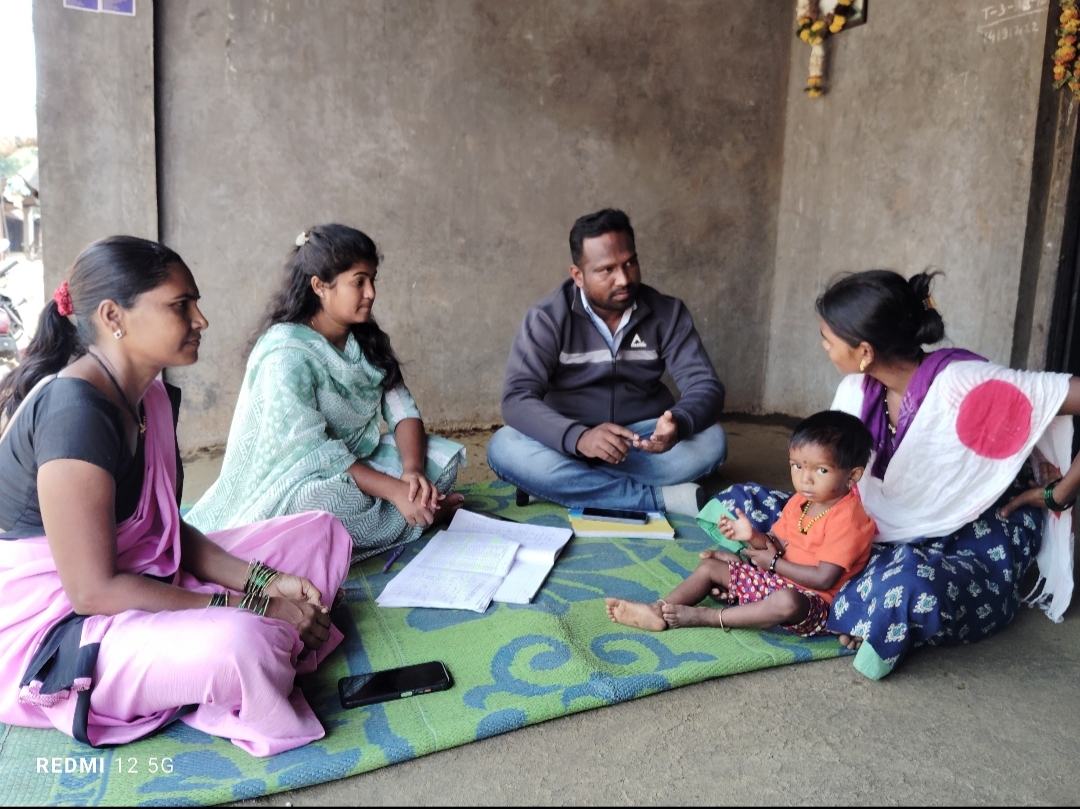
Under Project Navjeevan, launched in August 2024, screening was conducted at the Anganwadi Center on 12th November 2024. During this, Saarth was identified as Severe Acute Malnourished (SAM). At that time, his weight was 7.0 kg, and height was 72 cm. His mother, father, and grandmother were informed about his condition by CM Priya Renge, who also introduced them to the work of Action Against Hunger (ACF). The parents were made aware of the severity of malnutrition, its harmful effects, and the urgent need for intervention. 

In the following month, during home visits, Saarth’s weight had not shown any improvement. His mother was counseled on hygiene, dietary diversity, and feeding practices. A Food Corner consisting of peanut chikki, Rajgira Laddos, and roasted grams was provided by ACF to support weight gain. Medicines were also given to enhance his appetite. Detailed counseling was provided to his mother regarding the medicines and dietary practices.

Since Saarth required intensive care, he was referred to the Nutrition Rehabilitation Center (NRC) in Mokhada for 14 days. Initially, his parents were reluctant, but after repeated counseling, they agreed. At the NRC, Saarth gained 800 grams and showed gradual improvement. The importance of weight-to-height ratio and long-term care was also explained to the parents. 

Over time, with consistent home visits, MUAC tape training was given to the parents to monitor Saarth’s growth. Outside and junk food was completely stopped, and his mother began feeding him THR Anganwadi porridge and khichdi. CM Priya Renge also conducted a cooking demonstration at the Anganwadi center on preparing peanut chikki. Saarth’s mother actively participated and later even shared her homemade festive laddoos for her child, expressing her happiness over his progress. 

To support the family’s livelihood, Action Against Hunger selected them for Mogra (Jasmine) cultivation and provided 200 saplings. Saarth’s parents expressed gratitude, assuring that they would nurture the plants carefully and benefit from the cultivation in the future. 

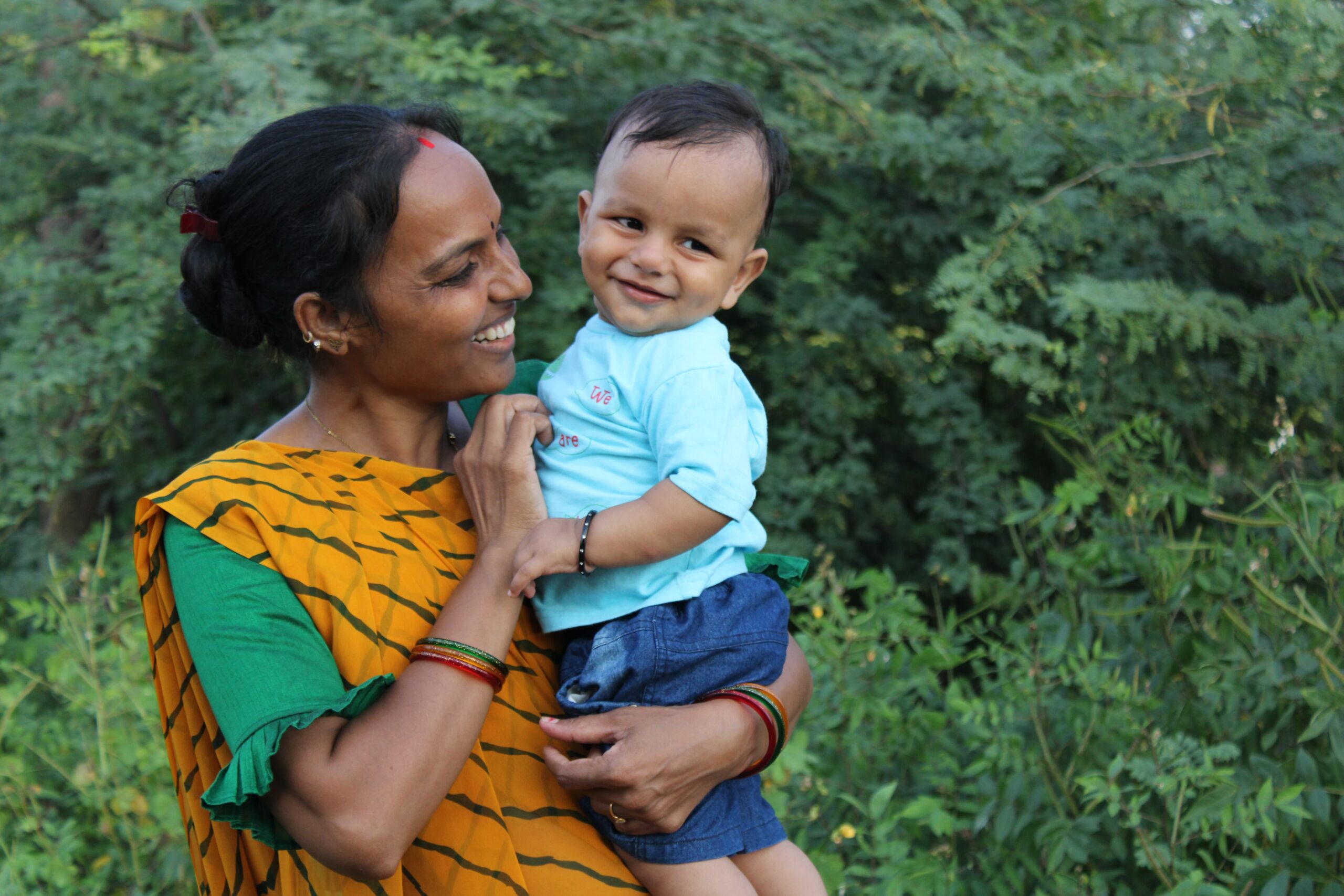
By 13th August 2025, Saarth’s condition had significantly improved. His weight had increased to 8.2 kg and height to 74.5 cm, bringing him out of the malnutrition category. The parents were overjoyed with his progress, congratulated the mother for her efforts, and expressed heartfelt gratitude towards Action Against Hunger. 

Today, Saarth is healthy, and his parents continue to follow the practices learned through the program to ensure his steady growth.

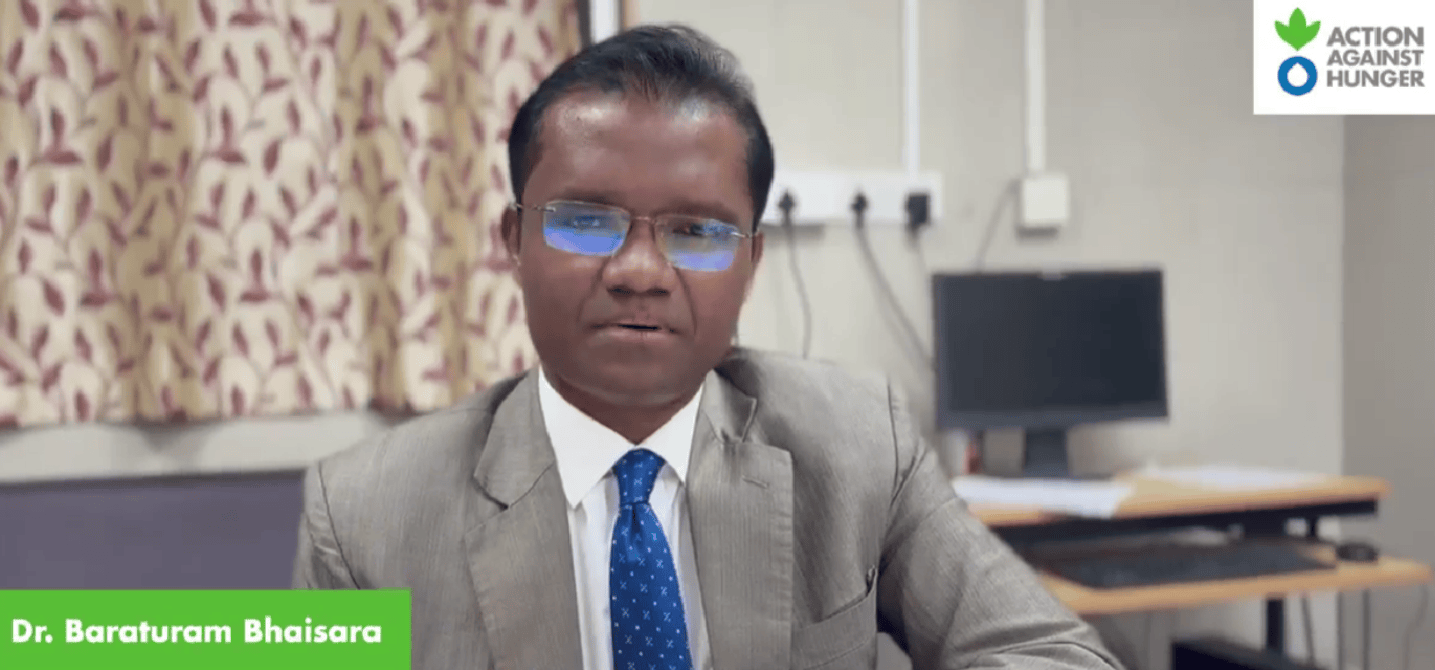
Prioritizing Newborn Safety: Key Insights from Dr. Baraturam Bhaisara

JOIN THE FIGHT AGAINST HUNGER