Mission Shunya in Palghar: Advancing a Malnutrition and Anemia-Free Future

Mission Shunya is a comprehensive initiative aimed at eliminating malnutrition and anemia among vulnerable population groups by intervening at critical stages of life—adolescence, pregnancy, infancy, and early childhood. By addressing nutrition across the life cycle, the project seeks to break the intergenerational cycle of malnutrition through timely prevention, early identification, and effective treatment of undernutrition and anemia. At its core, Mission Shunya focuses on building a strong continuum of care that improves maternal and child health outcomes and strengthens long-term community resilience.
Programme Geography and Reach

The project is being implemented in the Jawhar block of Palghar district, Maharashtra—one of the region’s most underserved and nutritionally vulnerable areas. Interventions will be carried out across 152 Anganwadi Centres, covering 49 villages and 27 Gram Panchayats. Aligned with national nutrition priorities, the programme adopts community-based strategies to ensure sustainable and scalable impact. Through direct and indirect interventions, Mission Shunya is expected to reach over 64,000 beneficiaries, including adolescents, pregnant women, infants, young children, and caregivers.

Strengthening Adolescent Nutrition

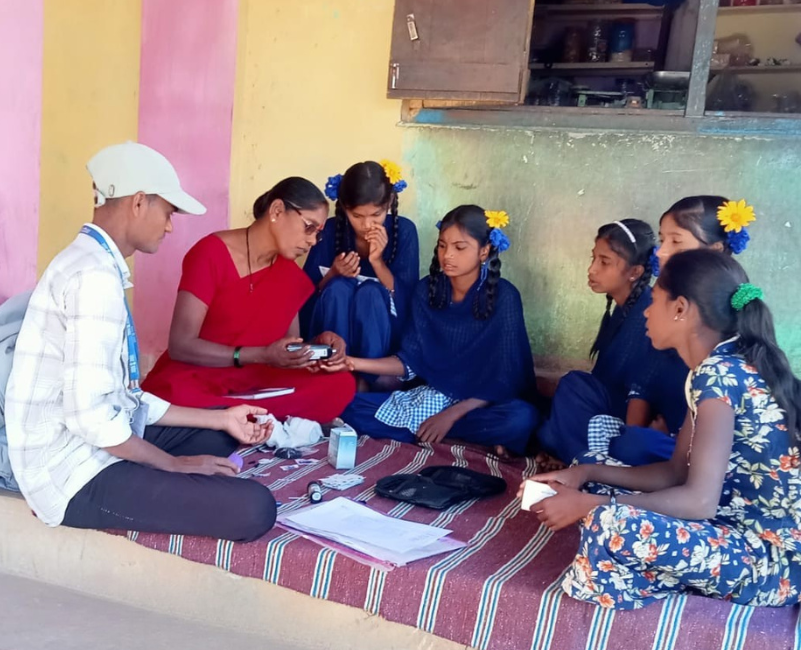
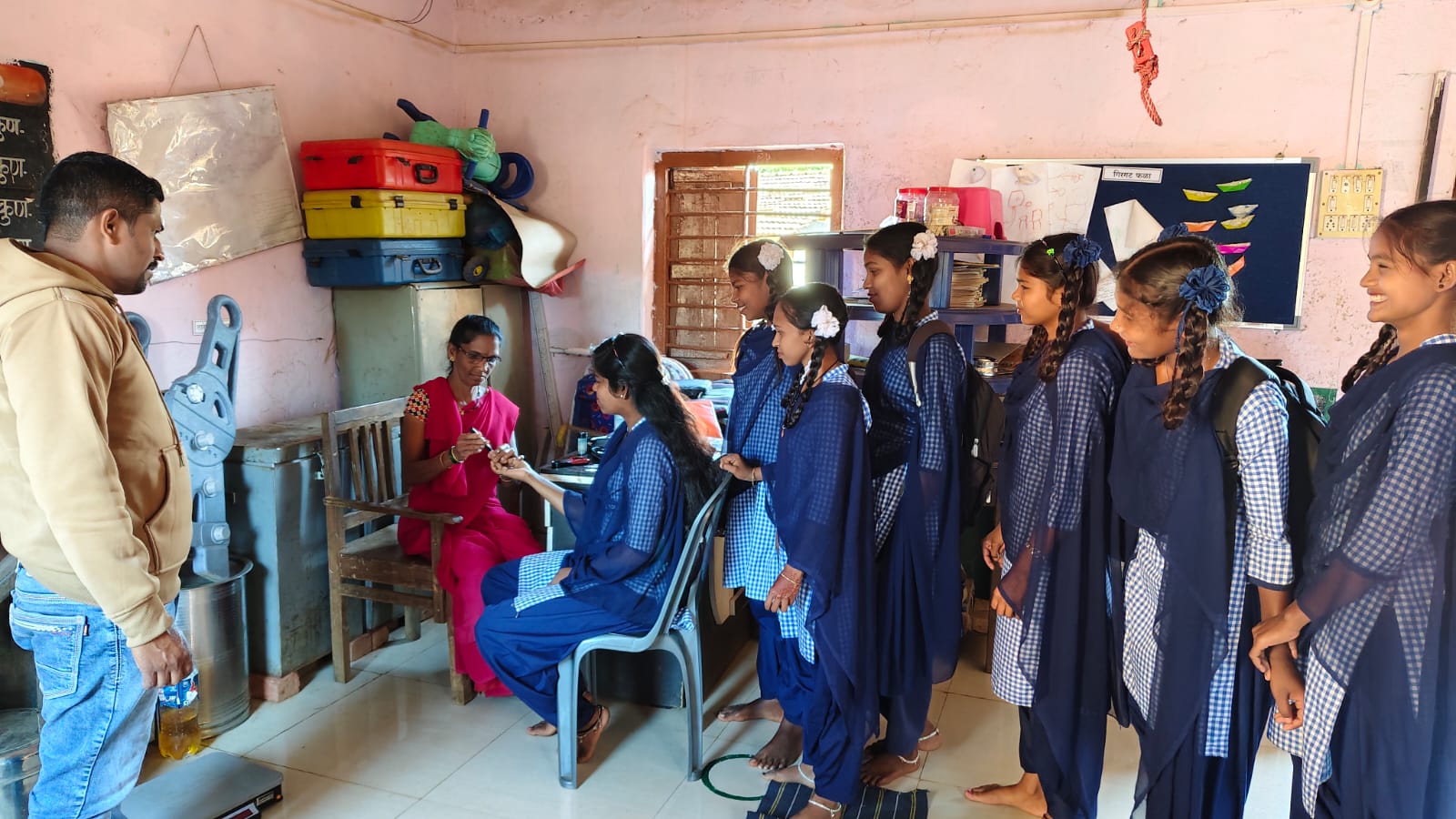
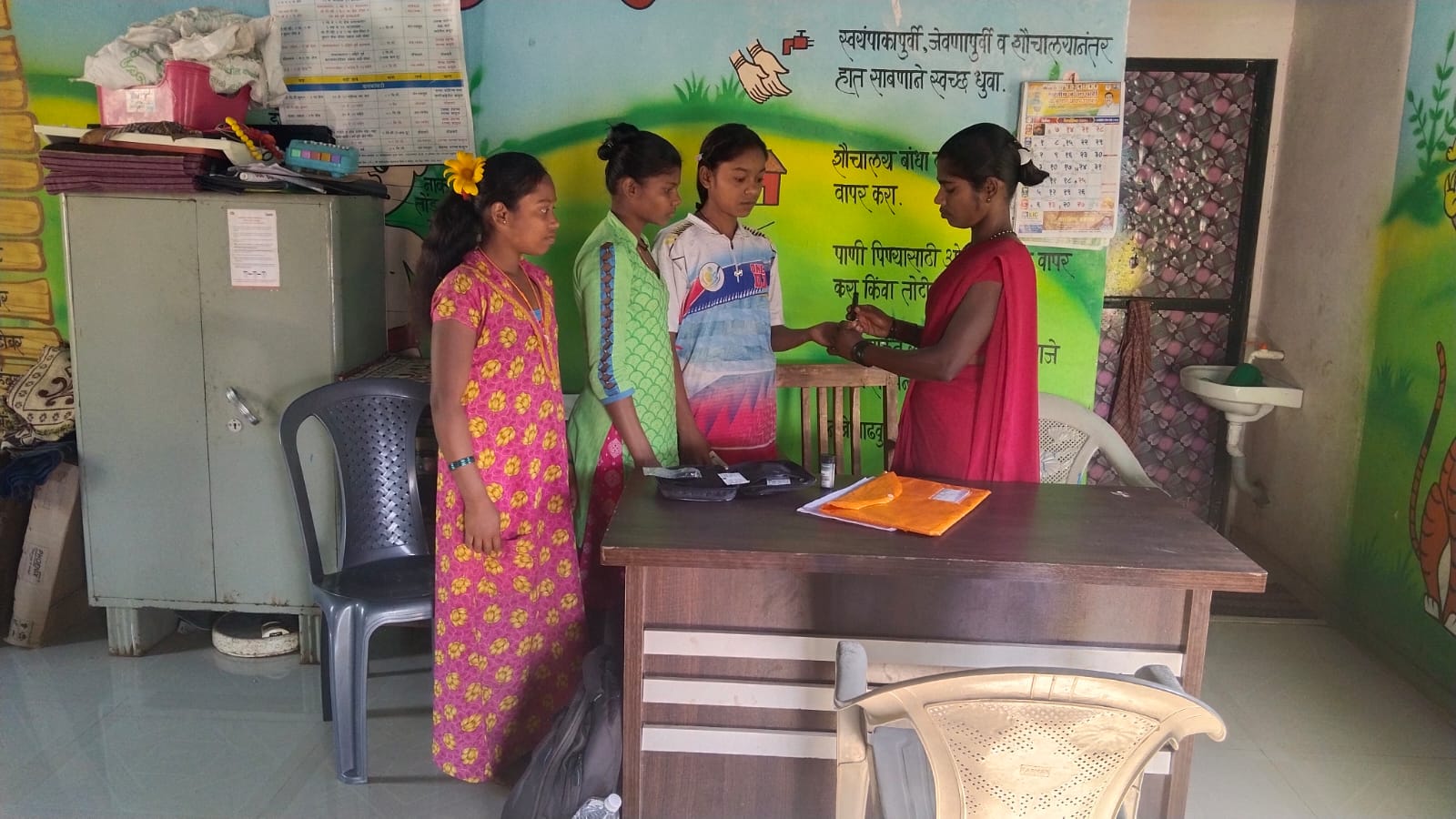
Mission Shunya places a strong emphasis on adolescents, particularly girls aged 15–19 years, recognising that poor nutrition and anemia during adolescence can adversely affect future reproductive health and pregnancy outcomes. The programme facilitates large-scale screening to identify anemia and low Body Mass Index (BMI) among adolescent girls. Identified cases are supported through iron and folic acid (IFA) supplementation, deworming, and personalised nutrition counselling focused on iron-rich and balanced diets. These efforts are reinforced through awareness sessions on menstrual hygiene and improved access to adolescent-friendly health services, empowering girls with the knowledge and resources needed to transition into healthy adulthood and motherhood.
Improving Maternal Nutrition and Pregnancy Outcomes

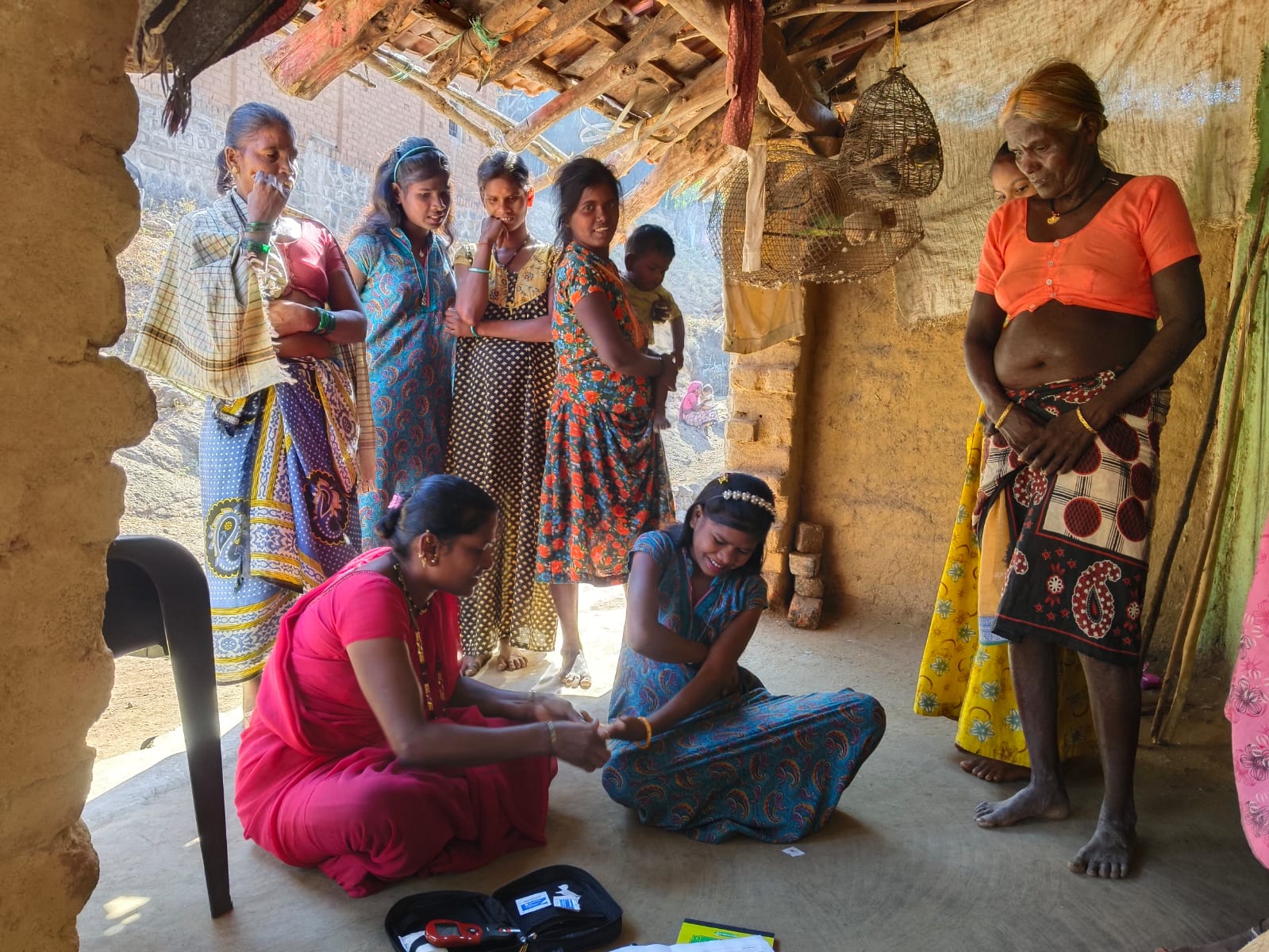
During pregnancy, Mission Shunya focuses on early screening and management of anemia and nutritional deficiencies among pregnant women. The programme provides targeted interventions such as supplementation, dietary guidance, and counselling to improve BMI, overall health, and pregnancy outcomes. Women identified with anemia or low BMI receive additional support and follow-up care to reduce risks associated with pregnancy, including low birth weight and preterm births. By prioritising maternal nutrition, the initiative reinforces the critical link between a mother’s health and the well-being of her child.
Supporting Infants in the Critical First 1,000 Days

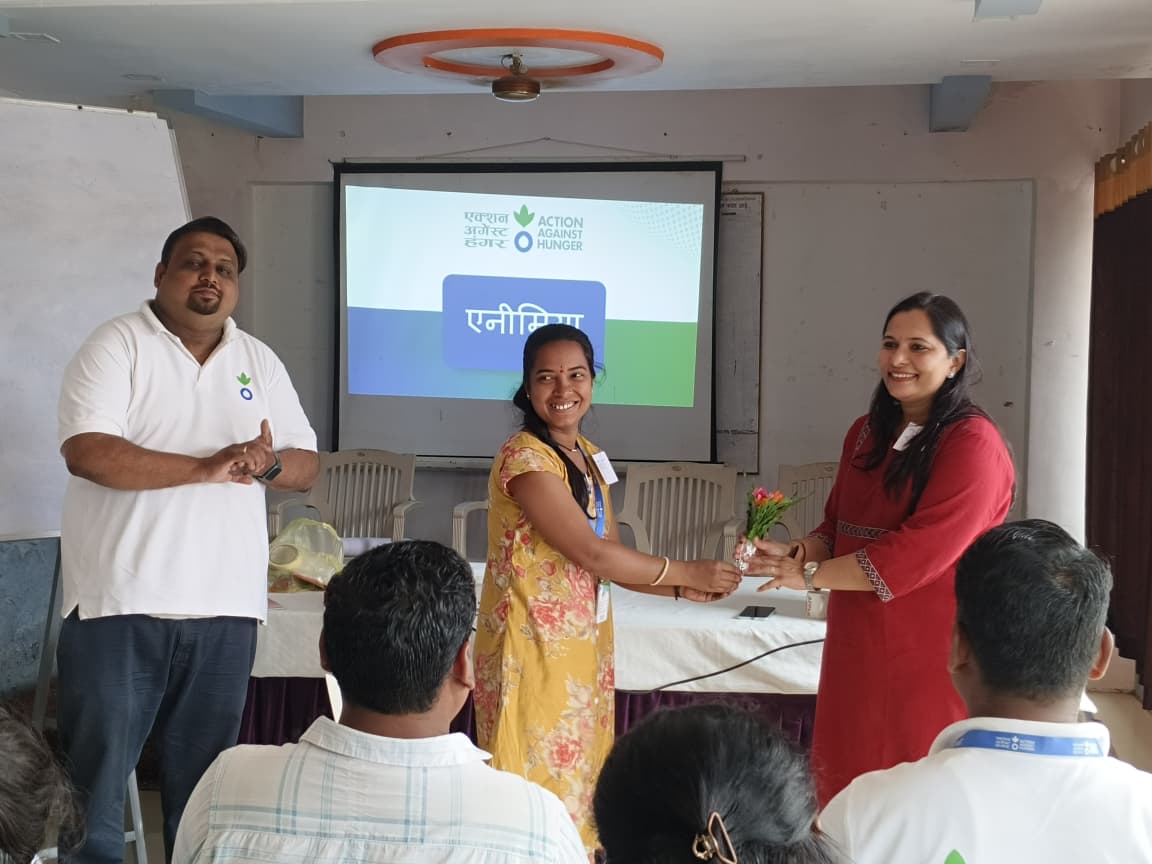
For infants—particularly those identified as low birth weight (LBW) or very low birth weight (VLBW)—Mission Shunya ensures early enrolment into care and provides intensive breastfeeding support. Skilled lactation counsellors offer personalised assistance to establish or re-establish exclusive breastfeeding, a vital intervention to prevent early growth faltering. The programme also addresses maternal psychosocial well-being, recognising its influence on infant feeding practices and nutrition outcomes during the first six months of life.
Addressing Malnutrition in Early Childhood

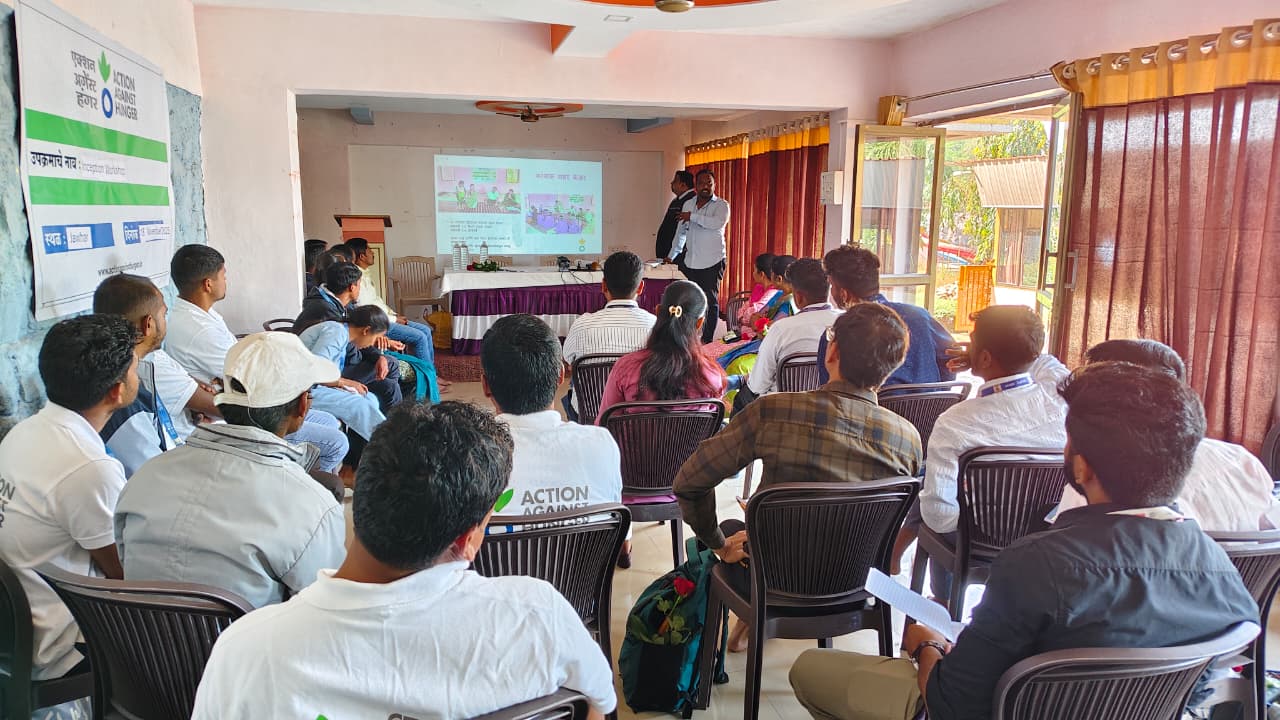
Mission Shunya further strengthens its life-stage approach by focusing on children under five years of age. Regular screening helps identify cases of Severe Acute Malnutrition (SAM) and Moderate Acute Malnutrition (MAM). Identified children are linked to appropriate therapeutic feeding programmes, referrals, and follow-up care to restore healthy growth and prevent relapse. The initiative adopts community-based management of malnutrition, enabling children to receive care closer to home while actively engaging families through counselling and behaviour change communication.

Creating Lasting, Systemic Change

Through its integrated, life-cycle approach, Mission Shunya addresses not only the visible symptoms of malnutrition but also its underlying systemic causes. By strengthening prevention, early detection, treatment, and community ownership, the programme aspires to create sustainable improvements in nutrition outcomes. Mission Shunya is a step towards building healthier mothers, stronger children, and more resilient communities—laying the foundation for healthier generations to come
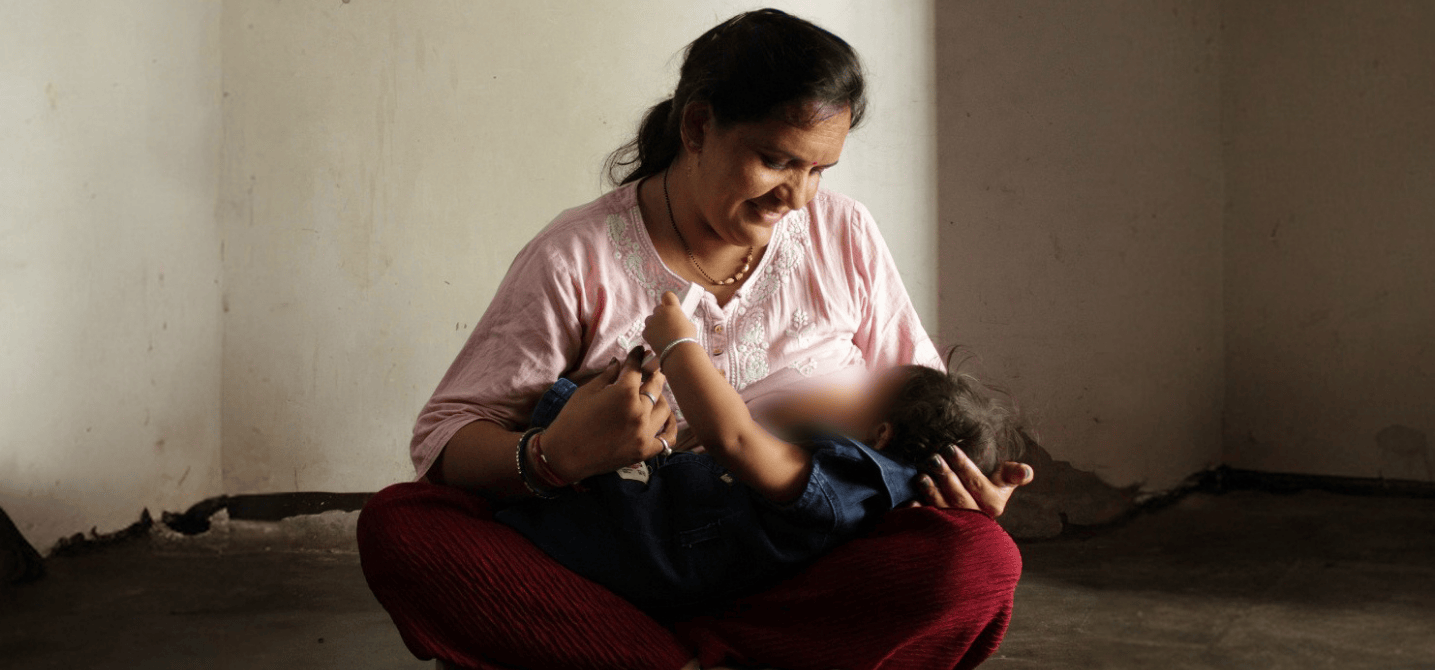
The Nutrition Plan to Support Lactating Women on Their Breastfeeding Journey

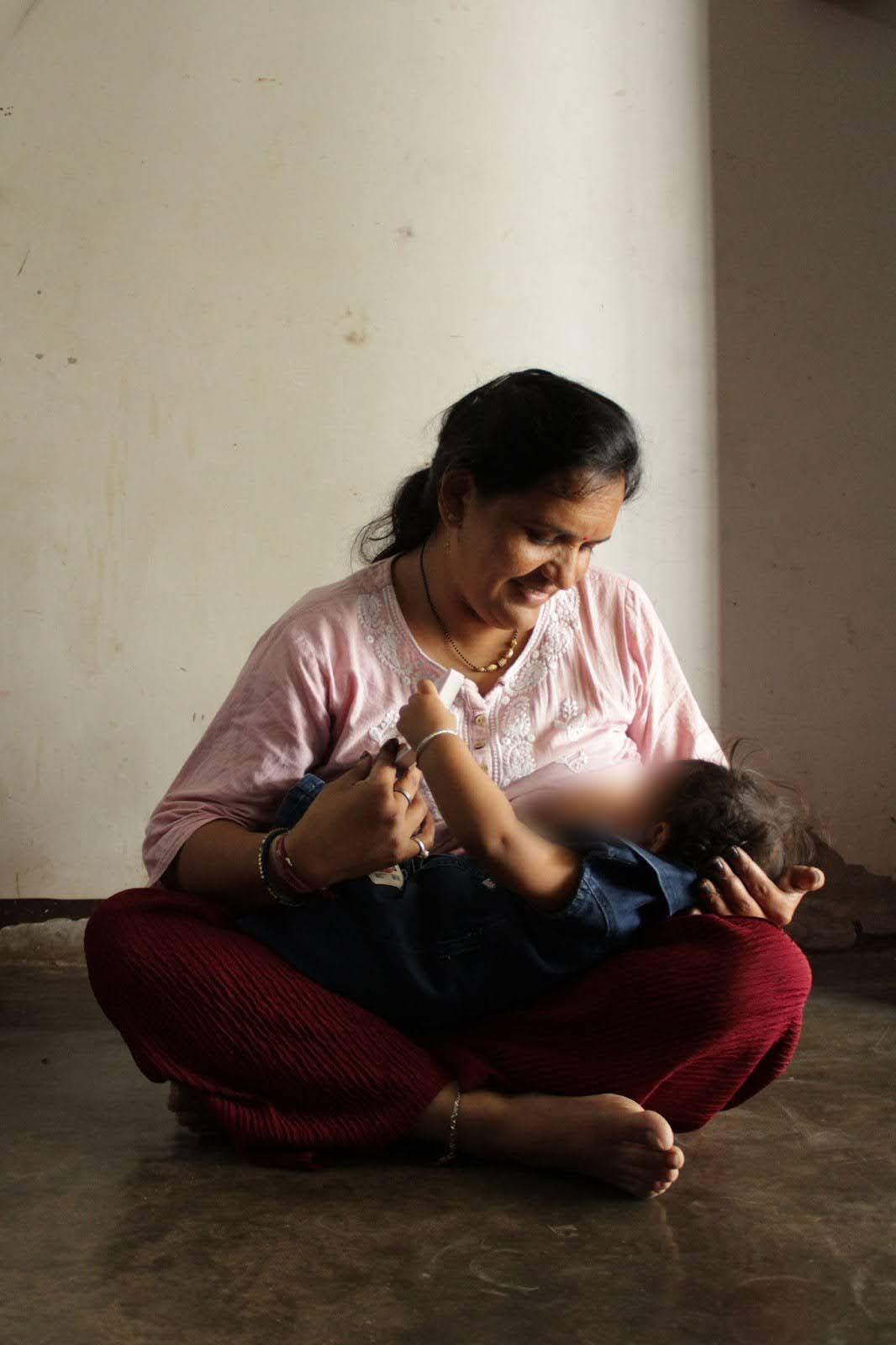
Breastfeeding may seem natural, but it requires extraordinary strength from every mother. Her body works tirelessly to produce the essential nutrition her baby needs to grow and stay healthy.

At Action Against Hunger, we stand beside mothers throughout this beautiful yet demanding phase of life. With the right nutrition and care, they can stay energized, recover better, and continue giving their little ones the very best every day.

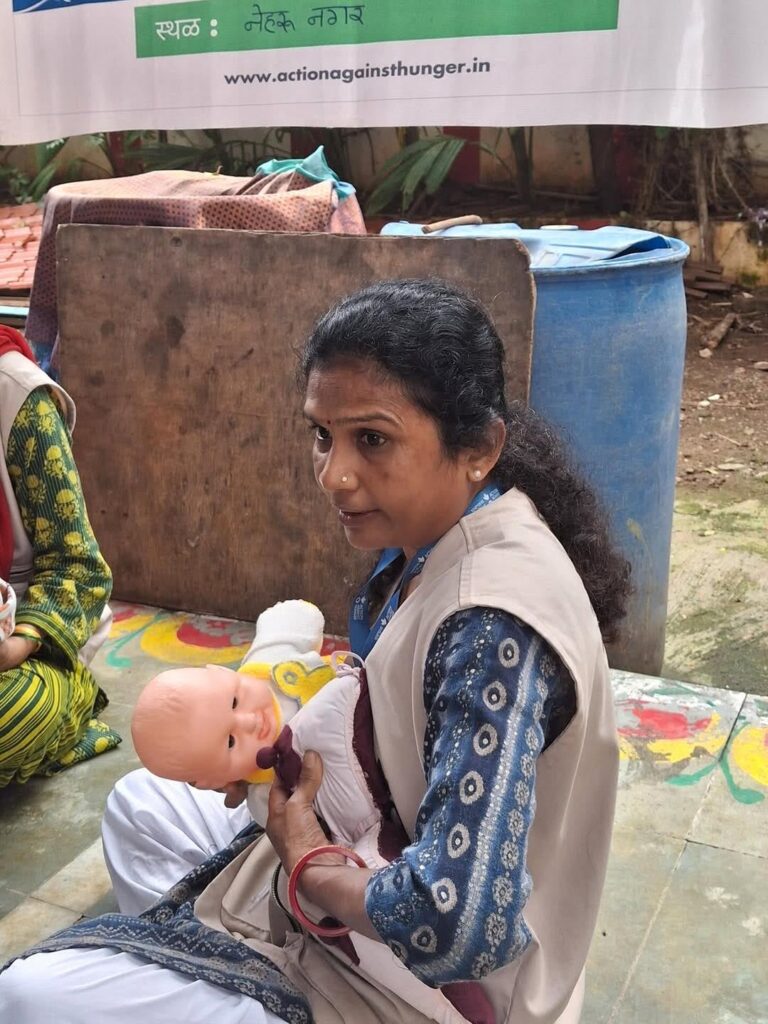
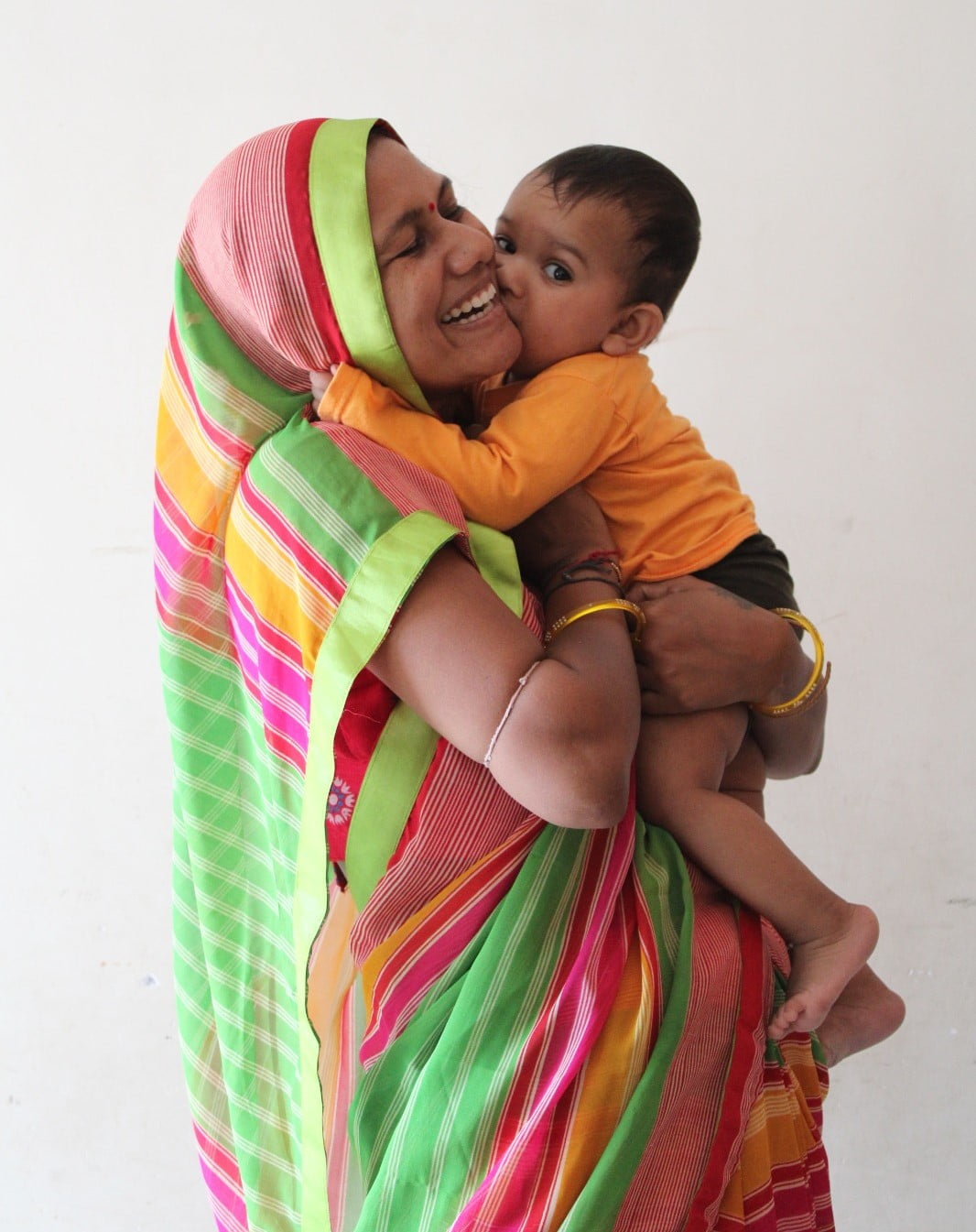
First image

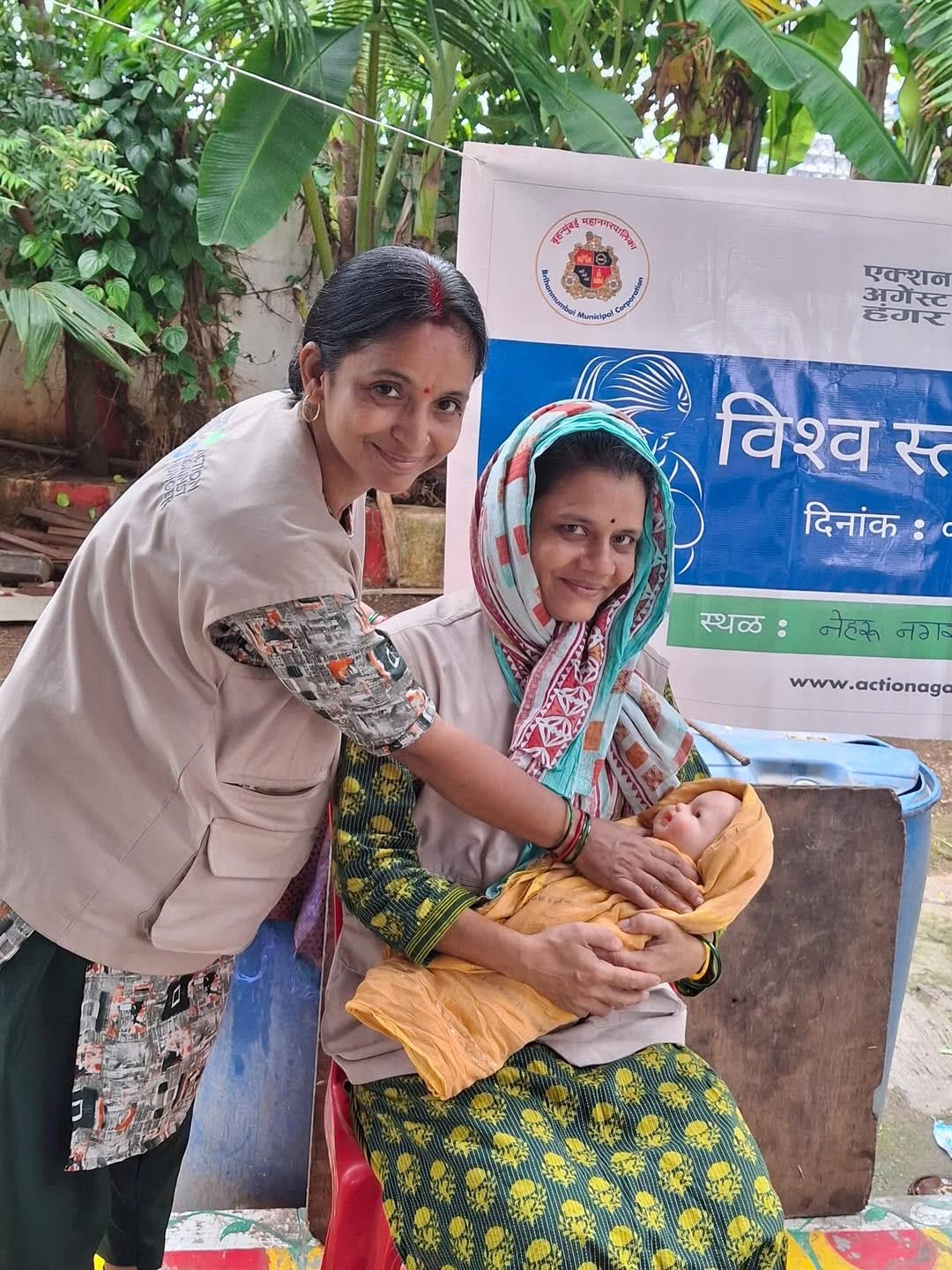
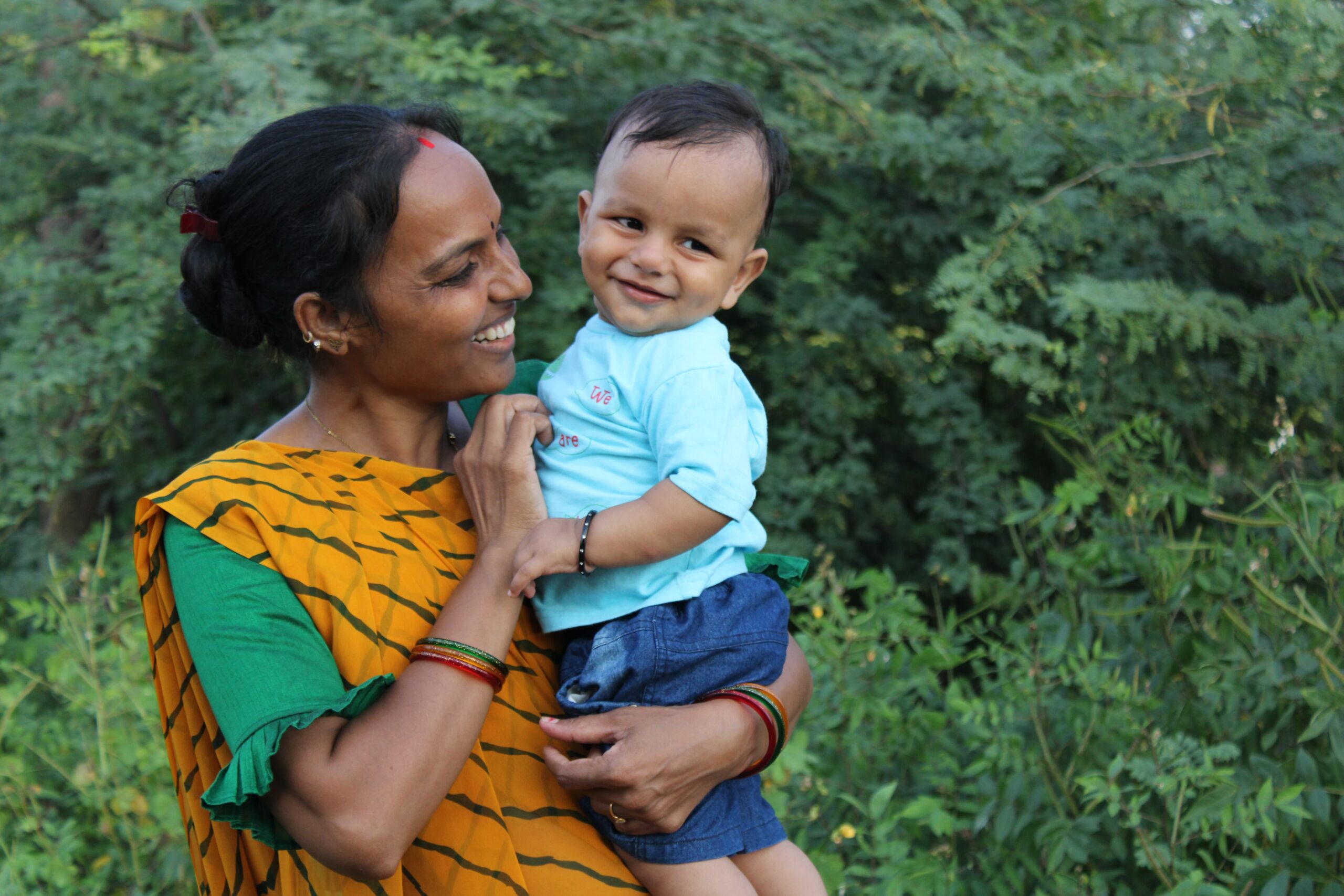
Second image

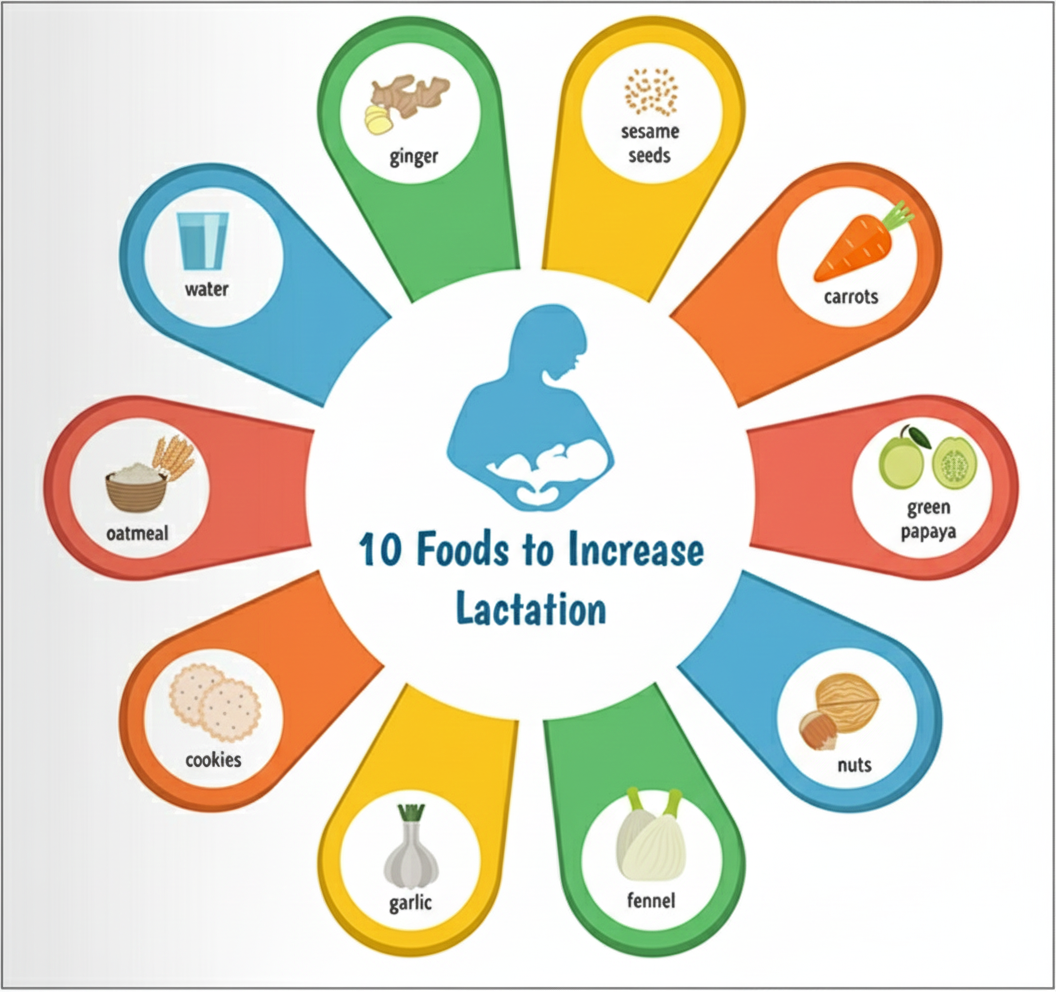
Here’s a simple nutrition guide to help lactating mothers take essential steps toward better nourishment and well-being:

1️⃣ Iron – The Power Behind Energy¹⁻⁴

  • Prevents tiredness, weakness, and anemia
  •  Supports postpartum recovery
    Sources: Dark leafy greens, beans, jaggery, whole grains, eggs, lean meat

2️⃣ Calcium – For Strong Bones (Mother & Baby)¹⁻⁴

  • Helps baby’s bone and teeth development
  • Prevents bone loss in mothers
    Sources: Milk, curd, paneer, ragi, sesame seeds, almonds, broccoli

3️⃣ Protein – Fuels Milk Production³⁻⁵

  • Repairs tissues and builds muscles
  • Supports mother’s strength and baby’s growth
    Sources: Lentils, legumes, eggs, fish, chicken, soy, peanuts, dairy products

4️⃣ Healthy Fats – Brain & Nervous System Development⁴⁻⁷

  • Supports brain and vision development
    Sources: Nuts, seeds, avocados, vegetable oils, fatty fish

5️⃣ Vitamin A – Immunity & Vision¹⁻⁵

  • Strengthens the baby’s immune system
  • Protects maternal eye health
    Sources: Carrots, pumpkin, sweet potato, spinach, milk, mango

6️⃣ Vitamin D – Helps Absorb Calcium²⁻⁵

  • Supports bone strength and immunity
    Sources: Morning sunlight, fortified milk, eggs

7️⃣ Folic Acid – Cell Growth & Blood Health¹⁻⁴

  • Essential for new cell formation
  • Helps prevent nutrient deficiencies
    Sources: Green leafy vegetables, legumes, citrus fruits

8️⃣ Fluids – The Key to Milk Flow¹⁻⁷

  • Boosts milk production
  • Prevents dehydration
    Best choices: Water, coconut water, buttermilk, fresh juices, soups
    Avoid packaged sugary drinks

Daily Diet Chart for Breastfeeding Mothers

This plan focuses on frequent, nutrient-dense meals to support energy, recovery, and milk production, incorporating the essential nutrients discussed in the blog.

Time Meal Recommended Foods Key Nutrients Addressed
Early Morning (6:00 AM – 7:00 AM) Drink + Light Meal
  • Warm water with soaked fenugreek seeds or cumin water (Hydration/Digestion).
  • A bowl of oats porridge topped with almonds and walnuts (Protein, Healthy Fats).
  • 1 boiled egg or sprouted moong dal salad (Protein, Iron).
Fluids, Protein, Healthy Fats, Iron
Breakfast (8:00 AM – 9:00 AM) Main Meal
  • 2 multigrain parathas with a dollop of ghee and curd (Calcium, Protein, Healthy Fats).
  • Vegetable sabzi (methi, spinach, or dill) (Iron, Vitamin A, Folic Acid).
  • A glass of fresh orange or pomegranate juice (Vitamin C, Folic Acid).
Iron, Calcium, Protein, Vitamin A
Mid-Morning Snack (11:00 AM) Light Snack
  • A glass of fresh carrot and beetroot juice (Vitamin A, Folic Acid).
  • A handful of dry fruits (almonds, cashews, or raisins) (Healthy Fats, Iron).
Vitamin A, Folic Acid, Healthy Fats, Iron
Lunch (1:00 PM – 2:00 PM) Main Meal
  • 2-3 whole wheat chapatis with ghee.
  • Green leafy vegetable sabzi (Iron, Vitamin A).
  • A bowl of dal with garlic and cumin (Protein).
  • A small portion of brown rice or quinoa (Fibre, Iron).
  • A cup of curd or buttermilk (Calcium, Fluids).
Protein, Iron, Calcium, Vitamin A, Fluids
Evening Snack (4:00 PM – 5:00 PM) Light Snack
  • Fennel tea or buttermilk with roasted cumin powder (Fluids, Digestion).
  • Roasted makhanas or a small portion of chivda with peanuts (Calcium, Protein, Healthy Fats).
Fluids, Calcium, Protein
Dinner (7:00 PM – 8:00 PM) Dinner Meal
  • Multigrain roti or khichdi with vegetables (carrots, beetroots) (Fibre, Vitamin A).
  • A bowl of dal or lentil soup (Protein).
  • Steamed fish or paneer for protein (Protein, Healthy Fats/Calcium).
Protein, Vitamin A, Healthy Fats
Before Bed (9:00 PM) Night Drink
  • A glass of warm milk with a pinch of turmeric and ghee (Calcium, Healthy Fats, Recovery).
Calcium, Fluids, Healthy Fats

Taking the Next Step

To break this cycle, Action Against Hunger focuses on practical, community-driven solutions that combine infrastructure with education:

While these recommendations lay a strong foundation, each mother’s dietary needs vary. For detailed guidance tailored to your specific dietary needs, we strongly encourage you to consult a healthcare professional.

Your baby deserves the best, and so do you! Start making empowering choices today and seek the expert support you need.

References 

  1. World Health Organization. Infant and young child feeding: Guiding principles for breastfeeding mothers. Geneva: WHO; 2023.
  2. UNICEF India. Maternal nutrition: Ensuring the health of mothers and babies. New Delhi: UNICEF; 2024.
  3. Ministry of Health & Family Welfare. Dietary guidelines for lactating women. Government of India; 2022.
  4. Indian Council of Medical Research (ICMR). Nutrient requirements and recommended dietary allowances for Indians. New Delhi: ICMR; 2020.
  5. National Institutes of Health (NIH). Dietary supplement fact sheets. Bethesda (MD): NIH; 2023.
  6. National Health Service (NHS). Breastfeeding diet recommendations. London: NHS UK; 2023.
  7. American Pregnancy Association. Nutrition for breastfeeding mothers. Texas: APA; 2024.
  8. Surya Hospital. Breast milk increasing foods: Indian diet chart for lactating mothers [blog]. Surya Hospital; 2025.


JOIN THE FIGHT AGAINST HUNGER